

Hyaluronic acid (HA), alongside its common derivative sodium hyaluronate, stands as a cornerstone ingredient in modern skincare and cosmetic formulations, revered for its profound hydrating capabilities. This ubiquitous molecule is not merely a cosmetic additive; it is naturally synthesized within the human body, playing critical roles in various physiological processes. Predominantly, HA resides within the extracellular matrix—the intricate scaffold that provides structural support and biochemical cues to cells throughout the body, particularly abundant in the skin, connective tissues, and synovial fluid of joints. In the skin, HA is distributed across both the superficial epidermis and the deeper dermis, where its functions extend beyond mere hydration to encompass metabolic regulation, intricate skin repair mechanisms, and robust protection against cellular damage induced by free radicals and ultraviolet (UV) radiation.
The Scientific Foundation of Hyaluronic Acid
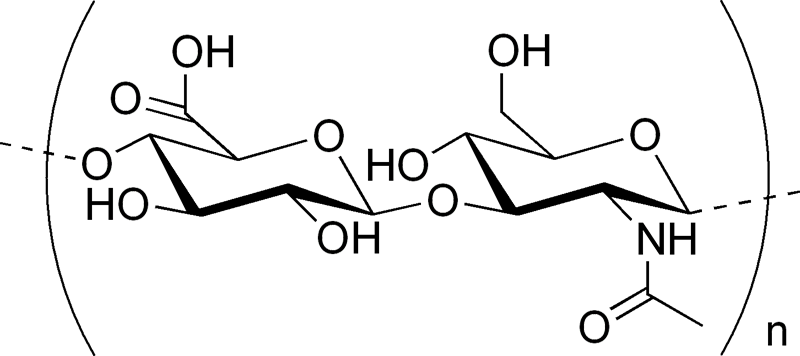
Chemically, hyaluronic acid is classified as a glycosaminoglycan (GAG), a type of long, unbranched polysaccharide composed of repeating disaccharide units of D-glucuronic acid and N-acetyl-D-glucosamine. Its remarkable capacity to retain water is a direct consequence of its highly polar nature, attributable to the numerous hydroxyl and carboxyl groups present along its molecular chain. These functional groups readily form hydrogen bonds with water molecules, enabling HA to absorb and hold an extraordinary amount of moisture relative to its own mass. While an oft-cited claim that one gram of HA can hold six liters of water has been widely circulated, it has been subject to scientific scrutiny and largely debunked as an overestimation lacking robust empirical support. Nonetheless, its water-binding efficiency remains exceptionally high, making it one of the most effective humectants known. This inherent ability to draw and bind water is crucial for maintaining skin turgor, elasticity, and overall plumpness, contributing significantly to a youthful and healthy dermal appearance.
For decades, it was widely hypothesized that the visible signs of skin aging, such as thinning and dryness, were directly linked to a progressive decline in the skin’s natural hyaluronic acid content. However, more recent and refined research has challenged this simplistic view. Current scientific consensus suggests that while the total quantity of hyaluronic acid in the skin may not drastically decrease with age, its distribution and molecular weight profile undergo significant alterations. Both chronological aging and environmentally induced skin aging (photoaging, pollution) lead to a redistribution of HA within the dermal layers and a shift towards smaller, less efficient fragments, which can impair its structural and hydrating functions. This evolving understanding highlights the complexity of skin aging and HA’s multifaceted role within it.
Hyaluronic Acid in Skincare: A Humectant Powerhouse
In the realm of skincare, hyaluronic acid is primarily celebrated and utilized for its unparalleled hydrating properties. It is a staple ingredient in a vast array of moisturisers, serums, and masks, functioning as a potent humectant. Humectants are hydrophilic substances that attract and bind water from the atmosphere and deeper skin layers, delivering it to the stratum corneum, the outermost layer of the epidermis. By significantly boosting skin hydration, HA effectively addresses one of the primary causes of fine lines and wrinkles: dehydration. Well-hydrated skin appears smoother, plumper, and more supple, leading to a visibly rejuvenated and less fatigued complexion.
While glycerin is another popular and more cost-effective humectant, it can sometimes impart a sticky or heavy sensation on the skin. Formulators often combine hyaluronic acid with glycerin to mitigate these textural drawbacks, creating lighter, more elegant formulations that offer superior hydration without compromising user experience.
The Nuance of Molecular Weight: High vs. Low HA
The efficacy and behavior of hyaluronic acid in skincare are profoundly influenced by its molecular weight. HA molecules are not uniform; they exist across a spectrum of sizes, typically measured in Daltons (Da) or kilodaltons (kDa). This distinction is critical because molecular size dictates the molecule’s ability to penetrate the skin’s complex barrier.
-
High Molecular Weight (HMW) HA: These are larger molecules, generally exceeding 1,000 kDa. Due to their size, HMW HA molecules primarily remain on the skin’s surface. Here, they form a breathable, viscoelastic film that acts as a protective barrier, preventing transepidermal water loss (TEWL) and drawing moisture from the surrounding environment. This surface-level hydration results in an immediate plumping effect and a smoother skin texture, effectively reducing the appearance of superficial fine lines. Its primary benefit is surface hydration and barrier support.
-
Low Molecular Weight (LMW) HA: These are smaller fragments, typically ranging from 50 kDa to 500 kDa, produced by enzymatically or chemically breaking down larger HA molecules. Their reduced size allows them to penetrate more deeply into the epidermis, potentially reaching the lower epidermal layers. This deeper penetration facilitates hydration within the skin’s living cells, contributing to improved elasticity and internal moisture retention. Products labeled "sodium hyaluronate" often indicate a lower molecular weight form of HA, though both "hyaluronic acid" and "sodium hyaluronate" can encompass a range of molecular sizes.
The scientific community has engaged in considerable discussion regarding the potential inflammatory effects of very low molecular weight (VLMW) HA, sometimes below 50 kDa. Some studies suggest that these fragmented molecules might act as "danger signals" or inflammatory mediators, especially in certain pathological conditions or when applied at high concentrations to compromised skin. However, it is crucial to contextualize this debate. Inflammation is not inherently detrimental; it is a vital component of the body’s healing and defense mechanisms. Research on LMW HA, including very low molecular weight variants, has demonstrated promising benefits in specific contexts. For instance, studies on skin cells and compromised skin have indicated that LMW HA can enhance the skin’s intrinsic repair capabilities, bolster its defense against microbial attacks, and even alleviate symptoms in conditions such as seborrheic dermatitis. Further research is ongoing to fully elucidate the precise effects of various HA molecular weights on normal, healthy skin and to define optimal concentrations for different applications.
Despite the penetration capabilities of LMW HA, it is important for consumers to manage expectations regarding topical application. Even the smallest HA fragments used in skincare can only penetrate into the lower epidermis, not reaching the deeper dermis where naturally synthesized HA plays its full role. Therefore, while topical HA is a fantastic hydrating ingredient that significantly improves skin function and appearance, it cannot directly "replenish" the body’s deep, natural HA stores. Its primary benefits remain centered on hydration, with ancillary anti-inflammatory and antioxidant activities contributing to overall skin health.
Sourcing and Ethical Considerations
The hyaluronic acid utilized in cosmetic and medical products originates from two primary sources, each carrying distinct implications:
-
Biofermentation: This is the most prevalent and ethically preferred method today. HA is produced by culturing specific strains of bacteria, such as Streptococcus equi, in a nutrient-rich broth. This biotechnological process yields highly pure, consistent, and animal-free hyaluronic acid, making it suitable for vegetarians, vegans, and those with concerns about animal-derived ingredients or potential allergens.
-
Animal Extraction: Historically, hyaluronic acid was often extracted from animal tissues rich in the compound. The most common animal source was rooster combs, which contain approximately 15 times more hyaluronic acid than human skin. While effective, this method raised ethical concerns for many consumers and presented challenges related to purity, potential allergic reactions, and the risk of transmitting animal-borne pathogens. With the advent and refinement of biofermentation, animal-derived HA has become less common in mainstream cosmetics, though it may still be found in some products. Consumers adhering to vegetarian or vegan lifestyles should actively check product ingredient lists and sourcing information.
Beyond Topical Skincare: Diverse Applications of Hyaluronic Acid
Hyaluronic acid’s unique properties extend far beyond topical skincare, finding critical applications in various medical and cosmetic fields:
-
Dermal Fillers: In aesthetic medicine, chemically modified hyaluronic acid forms the basis of popular injectable dermal fillers such as Juvéderm, Restylane, and Voluma. These cross-linked HA gels are strategically injected into the skin to plump up deep wrinkles, restore lost volume, contour facial features, and augment lips. The cross-linking makes the HA more stable and resistant to enzymatic degradation, allowing the effects to last for several months to over a year. Macrolane, a controversial HA-based filler, has also been used for larger volume enhancements, such as breast and buttock augmentation, though its use has faced scrutiny and regulatory restrictions in some regions.
-
Ophthalmic Surgery: HA is widely used in ophthalmology as a viscoelastic agent during cataract surgery, corneal transplants, and other eye procedures. It helps maintain the shape of the eye, protects delicate tissues, and lubricates instruments.
-
Osteoarthritis Treatment: In orthopedics, HA is administered via intra-articular injections directly into affected joints (e.g., knees) to treat osteoarthritis. As a key component of synovial fluid, HA acts as a lubricant and shock absorber. These injections aim to supplement the joint’s natural HA, reduce pain, and improve mobility, though their efficacy can vary among patients.
-
Wound Healing: HA plays a significant role in various stages of wound healing, promoting cell migration, proliferation, and tissue regeneration. It is incorporated into wound dressings and topical treatments to accelerate healing and reduce scarring.
-
Makeup and Primers: Dehydrated hyaluronic acid spheres are incorporated into certain makeup formulations, particularly skin-smoothing primers. These dry spheres are typically suspended in anhydrous (water-free) formulas. When applied to the skin, they settle into fine lines and wrinkles. Upon contact with skin moisture and atmospheric humidity, the HA spheres absorb water and swell, physically plumping up the skin and visually blurring imperfections, creating a smoother canvas for makeup application.
-
Oral Supplements: Oral supplements containing hyaluronic acid are available in nutrition stores, marketed for skin hydration, joint health, and eye comfort. However, the scientific evidence supporting the efficacy of oral HA for these purposes is currently limited and debated. A significant challenge lies in whether HA can survive the digestive process intact and be absorbed into the bloodstream in a functionally active form, and subsequently, whether it can effectively reach target tissues like the skin or joints in sufficient concentrations to exert a benefit. More robust clinical trials are needed to substantiate these claims.
Market Trends and Scientific Rigor
The global market for hyaluronic acid has witnessed exponential growth, driven by increasing consumer awareness of its benefits and continuous innovation in product formulations. Dermatologists and cosmetic scientists widely endorse HA as a safe and effective hydrating ingredient, suitable for most skin types, including sensitive skin. Its non-irritating profile and compatibility with other active ingredients contribute to its widespread adoption in comprehensive skincare routines.
However, the popularity of HA has also led to a proliferation of marketing claims, some of which may be exaggerated or lack scientific backing. This underscores the importance of critical evaluation and reliance on evidence-based information. The scientific community, including publications like Lab Muffin Beauty Science, actively works to correct misinformation and promote accuracy. A notable example is the correction made on November 25, 2025, concerning the widely cited but unsubstantiated claim that "1 gram of hyaluronic acid can hold onto 6 litres of water." This correction, referencing detailed analyses in scientific journals, serves as a crucial reminder that even "fun fact" style claims, especially if tangential to the authors’ primary expertise, require rigorous verification. The scientific process is dynamic, constantly evolving as new data emerges and existing claims are re-evaluated.
Future Outlook
Research into hyaluronic acid continues to advance, exploring novel applications and optimizing existing ones. Scientists are investigating new methods for controlling HA molecular weight, developing more stable and targeted delivery systems, and understanding its deeper interactions with various biological pathways. Potential future applications could include more sophisticated drug delivery systems, advanced tissue engineering, and refined treatments for a broader range of dermatological and medical conditions.
In conclusion, hyaluronic acid is a scientifically validated and exceptionally versatile molecule, essential for maintaining the health and appearance of skin. Its prowess as a humectant is undeniable, offering significant benefits in hydration, barrier function, and anti-aging aesthetics. While its capabilities in skincare are primarily topical, its broader applications in medicine underscore its profound biological importance. As research progresses, our understanding of HA’s intricate roles and its potential for innovation will undoubtedly continue to expand.
