
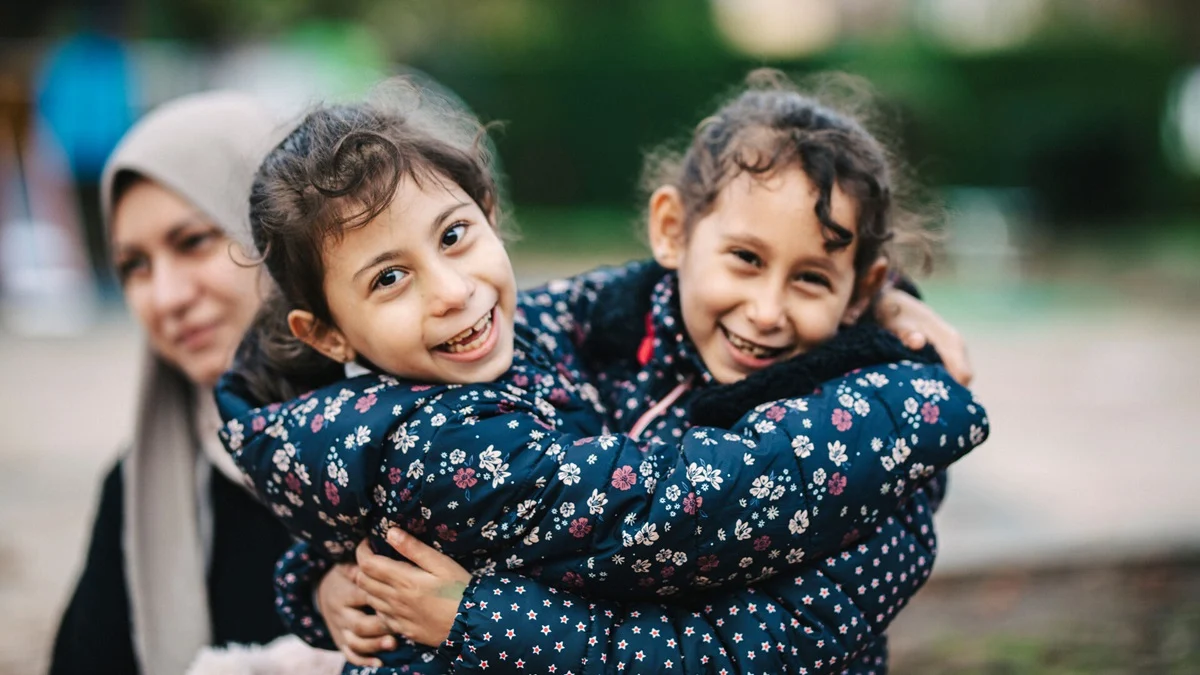
The World Health Organization (WHO) has released a comprehensive new report indicating a transformative shift in global healthcare priorities, revealing that more than 60 countries—representing two-thirds of those surveyed—have successfully integrated refugees and migrants into their national health policies and legal frameworks. This landmark publication, titled the "World report on promoting the health of refugees and migrants: monitoring progress on the WHO global action plan," establishes the first-ever global baseline for tracking how nations are adapting their health systems to accommodate the needs of mobile populations. Drawing on data from 93 Member States, the report underscores a growing international consensus that universal health coverage cannot be achieved without the explicit inclusion of the more than 1 billion people currently living as refugees or migrants.
Human migration has reached an unprecedented scale in the 21st century. According to the WHO data, approximately one in eight people globally is currently on the move, driven by a complex interplay of conflict, environmental disasters, economic necessity, education, and family reunification. While migration has historically been a catalyst for cultural and economic development, the modern migrant experience is frequently characterized by significant health disparities. Many individuals face formidable barriers to accessing basic care, ranging from linguistic and cultural hurdles to administrative exclusions and the fear of deportation. The WHO report emphasizes that these barriers do not merely affect the migrants themselves but have profound implications for the resilience and security of global health systems at large.
A Chronology of International Health Commitments
The progress documented in the new WHO report is the result of nearly a decade of intensified diplomatic and humanitarian efforts. To understand the current landscape, it is essential to trace the timeline of international commitments that have shaped today’s policies:
- 2016: The New York Declaration for Refugees and Migrants. This pivotal UN General Assembly resolution expressed the political will of world leaders to save lives, protect rights, and share responsibility for large-scale movements on a global scale.
- 2017: World Health Assembly Resolution WHA70.15. This resolution requested the WHO Director-General to promote the health of refugees and migrants and to develop a draft global action plan.
- 2019: Adoption of the WHO Global Action Plan (2019–2023). Member States officially adopted a framework to improve the health of refugees and migrants, focusing on achieving universal health coverage and addressing the social determinants of health.
- 2023: Extension of the Global Action Plan to 2030. Recognizing the ongoing challenges exacerbated by the COVID-19 pandemic, the World Health Assembly extended the action plan to align with the 2030 Sustainable Development Goals (SDGs).
- 2024: The Inaugural Monitoring Report. The current report serves as the first formal assessment of the progress made under this extended plan, providing a data-driven look at how countries are translating international rhetoric into national law.
Deep Dive into the Data: Progress and Participation
The report’s findings are derived from a rigorous survey of 93 Member States, providing a representative cross-section of global migration trends. The data shows that 65% of the responding countries have now implemented specific legal or policy measures to ensure refugees and migrants can access health services. This represents a significant departure from previous decades, where migrant health was often treated as a temporary humanitarian concern rather than a permanent fixture of national health planning.
In terms of regional performance, the report highlights that progress is not confined to high-income nations. Middle- and low-income countries, which often host the largest numbers of displaced persons, are increasingly leading the way in policy innovation. However, the report also identifies a "data gap" in many regions. While 60 countries have the policies in place, the actual implementation—and the ability to measure the health outcomes of those policies—varies significantly. Only a fraction of the surveyed countries possess the robust data collection systems necessary to track the specific health trends of migrant populations, such as vaccination rates or the prevalence of non-communicable diseases.
Case Studies in Implementation: Success Across Regions
To illustrate how these policies function in practice, the WHO report highlights several successful models from its six geographic regions. These case studies serve as blueprints for other nations looking to bridge the gap between policy and practice.
In Thailand, the government has pioneered the use of a "Health Insurance for Non-Thai People" scheme. This program allows migrants, including those who are undocumented, to opt into a state-subsidized insurance plan. This proactive approach has not only improved health outcomes for the migrant population but has also strengthened Thailand’s public health surveillance and infectious disease control.
In Belgium, the focus has been on overcoming cultural and linguistic barriers. The country has integrated cross-cultural communication mediators into its healthcare system. These professionals assist both patients and providers in navigating the complexities of care, ensuring that migrants receive accurate diagnoses and can follow through with treatment plans.
In Chile, the government has prioritized community participation. By including migrant representatives in the decision-making processes for primary healthcare delivery, Chile has been able to tailor its services to the specific needs of its diverse population. This has led to higher levels of trust in the public health system and more effective outreach for preventative care.
Official Responses and the Economic Case for Inclusion
Dr. Tedros Adhanom Ghebreyesus, Director-General of the WHO, has been a vocal advocate for the "all-inclusive" approach to health. "Refugees and migrants are not just recipients of care; they are also health workers, caregivers, and community leaders," Dr. Tedros stated upon the report’s release. He argued that health systems are only truly universal when they serve everyone, noting that inclusion benefits whole societies by strengthening preparedness for future health challenges.
This sentiment is echoed by economic analysts who point to the "dividends of inclusion." Proponents of migrant-integrated health systems argue that providing early, preventative care is significantly more cost-effective than treating advanced illnesses in emergency settings. Furthermore, healthy migrants are better able to integrate into the workforce and contribute to the social and economic fabric of their host countries. In many aging societies in Europe and East Asia, migrants are also becoming the backbone of the healthcare workforce itself, serving as nurses, doctors, and elder-care assistants.
Persistent Gaps and the "Missing Links" in Global Care
Despite the positive trends, the report does not shy away from the substantial obstacles that remain. The WHO identifies several "persistent gaps" that continue to undermine the health of mobile populations. Administrative barriers remain the most common hurdle; even in countries where migrants have a legal right to care, complex paperwork and requirements for proof of residency can effectively block access.
Furthermore, the "fear factor" cannot be ignored. In many jurisdictions, health data is still shared with immigration authorities, leading many migrants to avoid seeking care for fear of detention or deportation. This creates a "shadow population" of individuals with untreated conditions, which poses a risk not only to the individuals but to public health at large. Mental health also remains a critically underserved area. Refugees and migrants often carry the trauma of conflict, displacement, and perilous journeys, yet mental health services are frequently the first to be excluded from basic migrant health packages.
Technological Innovation: The Role of the GDHCN
A significant development highlighted in the report is the integration of digital health solutions to ensure continuity of care across borders. The International Organization for Migration (IOM) has recently become the first international organization to join the Global Digital Health Certification Network (GDHCN). This WHO-hosted digital infrastructure allows for the secure verification of health documents across different countries.
For a migrant moving from one country to another, the ability to carry a verifiable digital health record—including vaccination history and chronic disease management plans—is a game-changer. This collaboration between the WHO and IOM is expected to reduce the duplication of medical tests, prevent the interruption of life-saving treatments (such as HIV or TB medication), and empower migrants to take control of their own health data. Amy Pope, Director General of the IOM, has noted that digital interoperability is a human rights issue, ensuring that a person’s right to health does not end when they cross a border.
Implications for Future Global Health Security
The implications of this report extend far beyond the immediate needs of refugees and migrants. The COVID-19 pandemic demonstrated that pathogens do not respect borders and that the health of a nation is only as strong as its most vulnerable resident. By integrating migrants into national health systems, countries are essentially building a more robust "early warning system" for future pandemics.
Inclusive health systems facilitate better disease surveillance and more comprehensive vaccination campaigns. When every resident, regardless of their legal status, feels safe accessing a clinic, public health officials can more accurately track the spread of infectious diseases and implement effective interventions. This "one-health" approach is increasingly seen as a cornerstone of global health security in an era of rapid climate change and continued geopolitical instability.
The Way Forward: Recommendations for a Rights-Based Approach
The WHO concludes its report with a call to action for governments, donors, and international partners. To accelerate progress, the organization urges Member States to:
- Decouple Health from Immigration Enforcement: Ensure that health facilities are "safe spaces" where migrants can seek care without fear of legal repercussions.
- Strengthen Data Collection: Invest in health information systems that can disaggregate data by migratory status, while maintaining strict privacy protections.
- Invest in Culturally Responsive Care: Train the healthcare workforce to handle the specific linguistic and cultural needs of diverse populations.
- Ensure Sustainable Funding: Move away from short-term, project-based funding for migrant health and toward sustainable, long-term integration into national health budgets.
As the world looks toward the 2030 deadline for the Sustainable Development Goals, the WHO’s report serves as both a roadmap and a warning. While the progress of 60 countries is a cause for celebration, the remaining third of the world’s nations must act quickly to address the needs of their migrant populations. In an interconnected world, the health of the migrant is inextricably linked to the health of the global community. The shift from exclusion to inclusion is not just a humanitarian gesture; it is a fundamental requirement for a secure and prosperous global future.
