
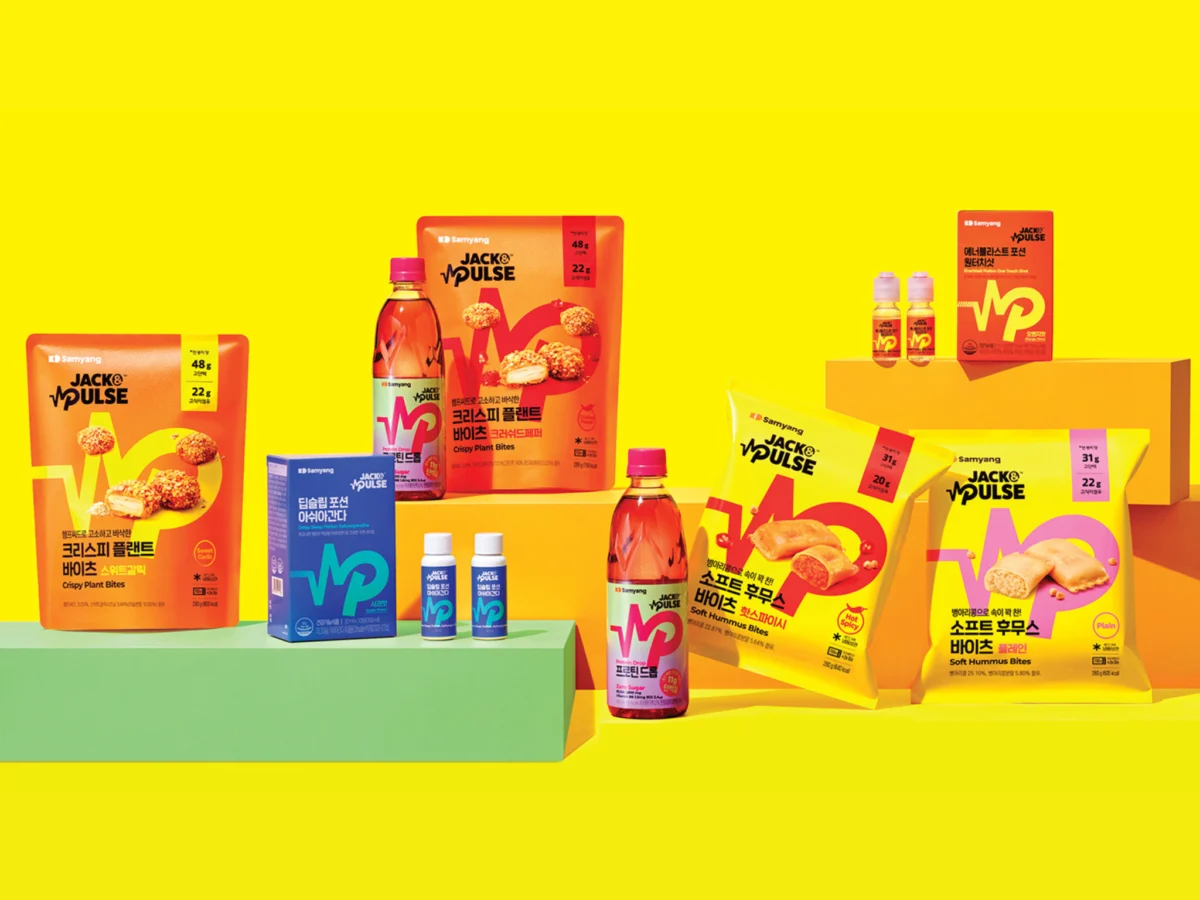
Samyang Foods, the South Korean food giant renowned for its popular Buldak ramen, has officially launched a dedicated research and development facility focused on plant-based foods in the Netherlands. This strategic move signifies the company’s commitment to accelerating the adoption of healthier and more sustainable food options, while simultaneously expanding its global footprint, particularly within the European market. The new R&D hub, strategically located near Wageningen, a global epicentre for agrifood technology research, will concentrate on developing innovative plant-based and functional food products tailored to meet the evolving demands of European consumers.
The establishment of this facility marks a significant step for Samyang Foods in its long-term vision to diversify its product portfolio beyond its traditional instant noodle offerings. The company, which has experienced remarkable global success with its spicy Buldak ramen, is now pivoting towards the rapidly growing plant-based food sector, a market driven by increasing consumer awareness of health, environmental sustainability, and ethical considerations. The Netherlands, with its robust agrifood ecosystem and progressive policy environment, provides an ideal launchpad for this ambitious venture.
Samyang Foods’ foray into plant-based research in Europe is not a sudden development but rather a culmination of strategic planning and market observation. The company has recognized the burgeoning demand for alternative protein sources and functional foods that cater to specific health needs. By establishing a physical presence in a region known for its cutting-edge research and innovation in the food sector, Samyang Foods aims to leverage the local expertise and collaborative opportunities to fast-track its product development cycle.
Tapping into Wageningen’s Agrifood Tech Legacy
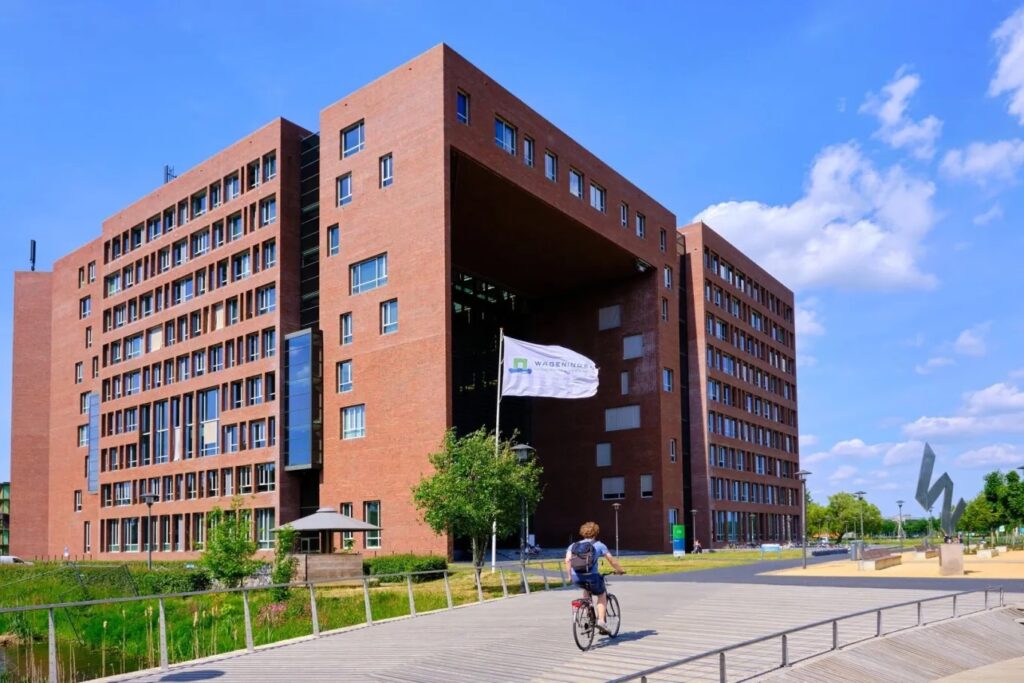
The choice of Wageningen as the location for Samyang Foods’ European R&D hub is highly deliberate. Wageningen, often referred to as the "Food Valley," is home to the world-renowned Wageningen University & Research (WUR), a leading institution in agricultural and food sciences. This vibrant ecosystem attracts a dense network of global researchers, technology partners, and innovative food companies, creating a fertile ground for collaboration and knowledge exchange.
"We selected Wageningen as our R&D hub to collaborate with the region’s industrial and academic networks, where global researchers, technology partners, and innovative food companies are gathered," a Samyang Foods spokesperson stated in a comment to the Maeil Business Newspaper. This statement underscores the strategic importance of Wageningen’s comprehensive network, which offers access to pioneering research, advanced technologies, and a highly skilled talent pool.
The new facility operates not as a local subsidiary focused on sales, but as an overseas research base. Its primary functions will encompass tech scouting for emerging innovations, forging joint research initiatives with universities and other research institutes, conducting material and technology testing, facilitating talent acquisition of specialized personnel, and exploring emerging consumer trends in the plant-based food market.
Prior to the permanent establishment in Wageningen, Samyang Foods had initiated its European R&D presence with a temporary office and laboratory space in the Ede area in January. This phased approach allowed the company to gradually integrate into the local landscape before transitioning to its permanent site in Wageningen upon its completion in February. This timeline reflects a measured and strategic approach to setting up its international research operations.
The Wageningen region’s reputation as a hotspot for future-facing food and agricultural research is further cemented by the presence of numerous startups that are at the forefront of food tech innovation. Companies such as Time-Travelling Milkman, Rival Foods, and Revyve, all of which have roots in or collaborations with Wageningen University & Research, are pioneering advancements in areas like alternative protein production, clean-label meat alternatives, and novel food ingredients. The university itself has been a vocal advocate for sustainable food systems, with academics in 2024 calling on the European Union to reduce livestock numbers and champion a shift towards plant-based diets to meet food security and climate targets. This alignment with the university’s forward-thinking agenda further validates Samyang Foods’ strategic decision.
The focus on plant-based foods is directly linked to their significantly lower environmental impact compared to conventional animal agriculture. Plant-based diets are associated with dramatically reduced greenhouse gas emissions, reduced land use, and lower water consumption, aligning with global efforts to combat climate change and promote sustainable resource management. Samyang Foods’ investment in this area is thus not only a business strategy but also a response to growing environmental concerns.
Research Hub to Operate in Tandem with Market-Facing Subsidiary
The new R&D hub in Wageningen is designed as a knowledge creation centre rather than a direct revenue-generating unit. It is initially funded through research expenses and structured as an exploratory unit with the flexibility to adapt and scale for future business expansion. The facility currently employs seven individuals, with plans to increase the team to up to 15 specialists.
This research-focused entity will work in close coordination with Samyang Foods Europe, a market-facing subsidiary established in Amsterdam in 2024. Samyang Foods Europe serves as the company’s sales and distribution arm in the European region. This dual structure ensures that R&D efforts are informed by market realities and consumer preferences, while market strategies are underpinned by robust scientific innovation.
"We plan to actively incorporate the opinions and insights of our European subsidiary to enhance our understanding of the market," the company conveyed to the Maeil Business Newspaper. This collaborative approach between the R&D hub and the sales subsidiary is crucial for ensuring that product development aligns with consumer demand and regulatory landscapes across various European countries.
The choice of the Netherlands as Samyang Foods’ European base is strategic for several reasons beyond its research prowess. The country is a recognized trailblazer in food technology within Europe, boasting a significant number of leading alternative protein facilities and a supportive policy framework for food innovation. The Dutch government has set ambitious targets for the transition to sustainable food systems. For instance, it aims for a 50% plant-based and 50% animal-derived protein consumption split by 2030, a goal that many Dutch supermarkets are actively working towards, often setting even more aggressive internal targets. Trade organizations are actively lobbying policymakers to extend their support for this critical transition.
Furthermore, the Health Council of the Netherlands has taken concrete steps to guide dietary recommendations. In December, the council updated the national dietary guidelines, recommending a significant reduction in per capita red meat intake from 475g to 200g per week. Concurrently, it advised a fivefold increase in legume consumption to 250g per week, alongside increased intake of nuts. The guidelines explicitly noted that meat and dairy alternatives "can fit into a healthy and sustainable diet," signaling a strong endorsement of plant-based options.
Broader Implications and Future Outlook
Samyang Foods’ strategic move into plant-based research in Europe also mirrors developments in its home market of South Korea. South Korea is emerging as a significant hub for future food innovation in Asia, having unveiled a national action plan for plant-based foods in 2023, becoming the second country globally to do so. This national initiative is being actively supported by some of South Korea’s largest food conglomerates, including Pulmuone, CJ CheilJedang, and Nongshim. These companies are investing heavily in the local plant protein sector through innovations in product development and forging international collaborations, creating a dynamic and competitive landscape for future food technologies.
The implications of Samyang Foods’ establishment of a dedicated R&D facility in Wageningen are far-reaching. It signals a clear intent to become a significant player in the global plant-based food market, moving beyond its established expertise in instant noodles. By embedding itself within one of the world’s leading agrifood research clusters, the company aims to accelerate innovation in areas such as protein extraction and formulation, functional ingredient development, and the creation of novel plant-based textures and flavours that can appeal to a broad consumer base.
The focus on functional foods suggests an ambition to develop products that not only mimic traditional meat and dairy but also offer enhanced nutritional benefits, such as improved digestibility, added vitamins or minerals, or pre-biotic properties. This aligns with a growing consumer trend towards health-conscious food choices, where consumers are seeking foods that contribute to overall well-being.

The collaboration with universities and research institutes in Wageningen will likely lead to the development of proprietary technologies and unique product formulations. This could involve exploring alternative protein sources beyond common ones like soy and pea, such as microalgae, fungi, or even insect proteins, although the latter might be a more distant prospect given current European regulatory frameworks. The facility’s work on material and tech testing will be crucial for scaling up production and ensuring the quality and safety of new plant-based ingredients and finished products.
Moreover, Samyang Foods’ presence in the Netherlands is likely to foster cross-cultural innovation. By integrating European consumer insights and regulatory understanding with its own established food manufacturing expertise and market access in Asia, the company is well-positioned to create products that resonate with diverse global palates. The ability to adapt its product offerings to local tastes and preferences will be a key determinant of its success in the fragmented European market.
The company’s long-term vision for this R&D hub is to not only develop new products but also to build a robust pipeline of innovation that can sustain its growth in the future food landscape. As consumer demand for sustainable and healthy food options continues to rise, Samyang Foods’ strategic investment in plant-based research in the heart of Europe is a clear indication of its commitment to shaping the future of food. The success of this venture will hinge on its ability to translate cutting-edge research into commercially viable and consumer-appealing products, thereby reinforcing its position as a global food industry innovator.
