

Hyaluronic acid (HA), alongside its common derivative sodium hyaluronate, stands as a cornerstone ingredient in modern skincare and cosmetic formulations, revered for its unparalleled hydrating properties. This naturally occurring glycosaminoglycan is an essential component of the human body, with the vast majority residing within the extracellular matrix—the intricate scaffold that provides structural support to cells, particularly abundant in the skin. Present in both the superficial epidermis and the deeper dermis, HA plays a pivotal role in maintaining skin hydration, facilitating vital metabolic processes, supporting skin repair mechanisms, and offering protection against oxidative stress from free radicals and ultraviolet (UV) radiation.
The Scientific Foundation of Hyaluronic Acid
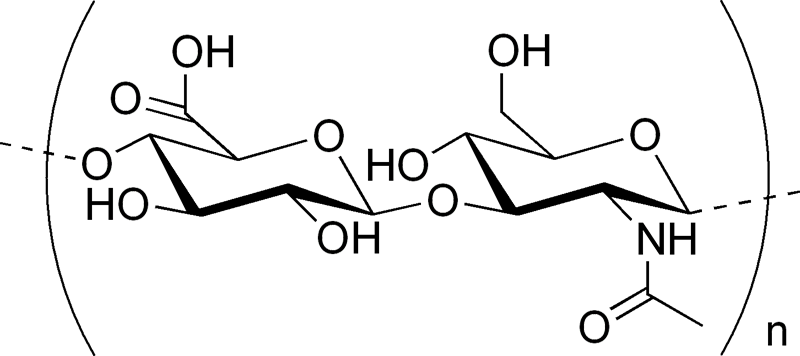
At its core, hyaluronic acid is a polysaccharide composed of repeating disaccharide units of D-glucuronic acid and N-acetyl-D-glucosamine. Its extraordinary capacity to bind and retain water is attributed to its highly polar nature, which allows it to form numerous hydrogen bonds with water molecules. This unique molecular architecture enables HA to hold onto water very efficiently, creating a viscous, gel-like substance that contributes significantly to the skin’s turgor, firmness, and plumpness. For decades, it was commonly believed that the visible signs of skin aging, such as thinning and dryness, were directly linked to a decrease in the overall amount of hyaluronic acid within the skin. However, more contemporary research indicates that while the total quantity of HA may not dramatically decline with age, its distribution within the dermal and epidermal layers undergoes significant redistribution, influenced by both intrinsic (natural) and extrinsic (environmentally-induced) aging factors. This redistribution contributes to the altered appearance and functional decline of aged skin.
A Chronology of Discovery and Application
The journey of hyaluronic acid from scientific discovery to a ubiquitous cosmetic and medical ingredient spans nearly a century. Hyaluronic acid was first isolated in 1934 by Karl Meyer and John Palmer from bovine vitreous humor, the jelly-like substance in the eye. They named it "hyaluronic acid" from the Greek word "hyalos" meaning glassy, referring to its transparent, viscous nature, and "uronic acid" for its chemical composition.
Initial applications of HA were primarily in the medical field. By the 1960s, it found use in ophthalmology, particularly in ophthalmic surgery to protect delicate eye tissues and as a treatment for dry eye conditions. The 1970s saw its introduction into orthopedics as a viscosupplementation agent, injected into joints to alleviate pain and improve mobility in patients with osteoarthritis, mimicking the natural synovial fluid.
The transition of HA into the cosmetic arena gained significant momentum in the late 20th and early 21st centuries. As scientific understanding of skin biology advanced and consumers sought effective anti-aging and hydrating solutions, the potent humectant properties of HA became increasingly recognized. The development of biotechnology, specifically biofermentation techniques, allowed for the mass production of HA without reliance on animal sources, paving the way for its widespread integration into skincare products. This period also marked the beginning of research into different molecular weights of HA, recognizing that size influences skin penetration and biological activity, thus broadening its potential applications.
Hyaluronic Acid in Modern Skincare: A Deep Dive
In the realm of skincare, hyaluronic acid is predominantly utilized for its unparalleled ability to attract and retain moisture. It functions as a powerful humectant, drawing water from the atmosphere and deeper layers of the skin to the surface, thereby intensely hydrating the epidermis. This surge in hydration has several profound effects: it visibly plumps the skin, smooths the appearance of fine lines and wrinkles (which are often exacerbated by dehydration), and imparts a more youthful, refreshed, and less fatigued complexion.
While glycerin is another highly effective and more economical humectant frequently used in moisturizers, it can sometimes impart a sticky or heavy sensation on the skin. Hyaluronic acid, often combined with glycerin, offers a lighter, more elegant feel, enhancing user experience without compromising hydration efficacy.
A crucial aspect of hyaluronic acid in skincare formulations is its molecular weight. HA is not a single, uniform molecule; rather, it exists in various sizes, each with distinct properties and penetration capabilities.
- High Molecular Weight (HMW) Hyaluronic Acid: Possessing a larger molecular size (typically over 1000 kDa), HMW HA primarily remains on the skin’s surface. Here, it forms a breathable, viscoelastic film that acts as a protective barrier, reducing transepidermal water loss (TEWL) and providing immediate, superficial hydration. This contributes to the skin’s smooth and soft texture.
- Low Molecular Weight (LMW) Hyaluronic Acid / Sodium Hyaluronate: Produced by enzymatically or chemically chopping HMW HA into smaller fragments (ranging from 50 kDa to 500 kDa), LMW HA, often labeled as sodium hyaluronate (the salt form, which is smaller and more stable), is capable of penetrating deeper into the stratum corneum and even into the lower epidermis. This deeper penetration allows for hydration within the epidermal layers, supporting cellular function and potentially stimulating the skin’s natural HA production.
There has been considerable scientific discourse regarding the potential for very low molecular weight (VLMW) or oligomeric HA (below 50 kDa) to act as an "inflammatory signal." Some studies have suggested that these smaller fragments, particularly when applied in high concentrations or to compromised skin, might trigger inflammatory responses. However, it is vital to contextualize this finding within the broader understanding of biological inflammation. Inflammation is a complex, multifaceted biological process that is not inherently detrimental; it is a critical component of the body’s immune response, wound healing, and tissue repair. Research has indicated that certain LMW HA fragments can enhance the skin’s self-repair mechanisms, bolster its defense against microbial attacks, and even aid in managing inflammatory skin conditions such as seborrheic dermatitis. The precise effects of different molecular weights of HA on normal, healthy skin remain an active area of dermatological research, with the consensus leaning towards a beneficial role for well-formulated HA products.
Despite the impressive hydrating capabilities and deeper penetration of LMW HA, it is important for consumers to manage expectations. Topical application of even the smallest HA fragments does not enable them to penetrate deeply enough into the dermis to replenish the body’s natural HA stores, which are constantly synthesized and degraded. Its primary benefit remains surface and epidermal hydration, which, in itself, significantly enhances skin barrier function, improves overall skin health, and provides a visible cosmetic improvement. Beyond hydration, HA also exhibits mild anti-inflammatory and antioxidant activities, contributing to skin resilience and protection.
Sourcing and Ethical Considerations
The origin of hyaluronic acid is a significant factor for ethically conscious consumers. Historically, HA was extracted from animal sources, most notably rooster combs, which are remarkably rich in HA (containing approximately 15 times more HA than human skin). While effective, this animal-derived source poses a concern for vegetarian and vegan consumers, as well as those with ethical objections to animal products.
Today, the predominant and preferred source of hyaluronic acid for cosmetic and medical applications is biofermentation. This method involves using specific bacteria (e.g., Streptococcus equi) to ferment sugars, producing HA as a byproduct. Biofermented HA is identical in chemical structure to naturally occurring HA, is typically purer, and is entirely free of animal components, making it a sustainable and ethically sound option suitable for all consumers. When purchasing HA-containing products, consumers interested in vegan options should look for explicit labeling indicating "biofermented" or "vegan" hyaluronic acid.
Beyond Skincare: Diverse Applications of Hyaluronic Acid
The remarkable properties of hyaluronic acid extend far beyond traditional skincare, finding critical roles in various medical, aesthetic, and cosmetic fields.
1. Makeup and Primers:
Dehydrated hyaluronic acid spheres are innovative ingredients found in many skin-smoothing makeup primers. These minuscule, dry spheres are incorporated into anhydrous (water-free) formulations. Upon application to the skin, they settle into fine lines and wrinkles. Once in contact with the skin’s inherent moisture and atmospheric humidity, these spheres begin to absorb water and swell, effectively plumping up and smoothing out the skin’s surface. This physical filling and hydrating action creates a flawless canvas, minimizing the appearance of imperfections and extending makeup wear.
2. Injectable Dermal Fillers:
One of the most transformative applications of hyaluronic acid is in aesthetic medicine, specifically as injectable dermal fillers. Brands like Juvéderm, Restylane, and Voluma utilize chemically modified, cross-linked HA gels to add volume, smooth deep wrinkles and folds, enhance facial contours, and augment features such as lips and cheeks. The cross-linking process enhances the gel’s stability and resistance to enzymatic degradation, allowing the filler to remain in place for several months to over a year, depending on the product and injection site. These fillers are biocompatible, reversible (through the injection of hyaluronidase, an enzyme that breaks down HA), and offer immediate, natural-looking results, making them a cornerstone of non-surgical facial rejuvenation.
It is worth noting the case of Macrolane, a controversial HA-based filler that was once marketed for larger volume enhancements, such as breast and buttock augmentation. Concerns arose regarding its potential interference with mammography and other breast cancer screening methods, as well as issues related to lumpiness and migration. Consequently, its use for breast enhancement was largely restricted or suspended in many regions.
3. Oral Supplements:
Hyaluronic acid is also available as oral supplements in nutrition stores, often marketed for skin hydration, joint health, and anti-aging benefits. However, the efficacy of oral HA supplements remains a subject of considerable debate within the scientific and medical communities. The primary challenge lies in its bioavailability: it is questionable whether HA, a large polysaccharide, can survive the acidic environment of the digestive tract intact, be absorbed into the bloodstream, and then effectively reach target tissues like the skin or joints in a functionally relevant form. While some studies suggest potential benefits, more robust, large-scale clinical trials are needed to conclusively demonstrate their efficacy. Most dermatologists and scientists remain skeptical of significant skin benefits from oral HA compared to topical application or injections.
4. Medical and Pharmaceutical Uses:
Beyond aesthetics, HA continues to be indispensable in various medical fields:
- Ophthalmology: Used in cataract surgery, corneal transplants, and as a component in artificial tears for dry eye syndrome due to its lubricating and protective qualities.
- Orthopedics: Intra-articular injections (viscosupplementation) for osteoarthritis, providing lubrication and shock absorption in affected joints.
- Wound Healing: HA plays a crucial role in tissue regeneration and wound repair, accelerating healing and minimizing scar formation by creating a moist environment and modulating inflammatory responses.
- Drug Delivery: HA’s biocompatibility and ability to target specific receptors on cells make it an attractive candidate for developing targeted drug delivery systems, particularly in oncology.
Addressing Misconceptions and Future Perspectives
The scientific journey of hyaluronic acid has not been without its myths. A widely circulated "fun fact" claimed that "1 gram of hyaluronic acid can hold onto 6 liters of water." This impressive, yet unsubstantiated, figure was traced back to a citation in a peer-reviewed article which itself lacked an original source for this specific claim. Subsequent rigorous scientific analysis, such as that by Borchers and Pirrung in the Journal of Cosmetic Science, has debunked this exaggerated figure, emphasizing the importance of critical evaluation even of claims found within scientific literature. While HA’s water-binding capacity is indeed remarkable, scientific accuracy is paramount.
The future of hyaluronic acid research continues to unfold, focusing on a deeper understanding of its complex signaling roles within the body, beyond its well-established hydrating functions. Advances in biotechnology are likely to yield new forms of HA with tailored molecular weights and modifications, optimizing its efficacy for specific applications. From regenerative medicine to advanced targeted therapies, hyaluronic acid remains a dynamic and vital molecule, continuously demonstrating its versatility and profound impact on human health and well-being. Its evolution from a mere scientific curiosity to a cornerstone of modern medicine and cosmetics underscores the enduring power of scientific inquiry and innovation.
