
The global food system stands at a critical juncture, caught between the soaring environmental costs of conventional livestock farming and the urgent necessity to feed a population projected to reach nearly 10 billion by the year 2050. Addressing this monumental challenge requires moving beyond traditional agricultural paradigms and embracing radical technological innovation. At the forefront of this movement is a pioneering research team at the University of Sheffield in the United Kingdom, which is successfully merging the timeless principles of Charles Darwin’s theory of natural selection with cutting-edge artificial intelligence. By pairing these two powerful forces, the Sheffield scientists are drastically accelerating the development of precision-fermented foods and next-generation plant proteins, signaling a transformative shift in how humanity plans to produce and consume nourishment in the decades ahead.
The Core Innovation: Harnessing Natural Selection through Technology
At the heart of this research is a profound respect for biological history. Rather than attempting to engineer entirely novel chemical or biological pathways from the ground up, the research team posits that billions of years of evolution have already generated the most elegant, resilient, and efficient solutions to survival and adaptation challenges.
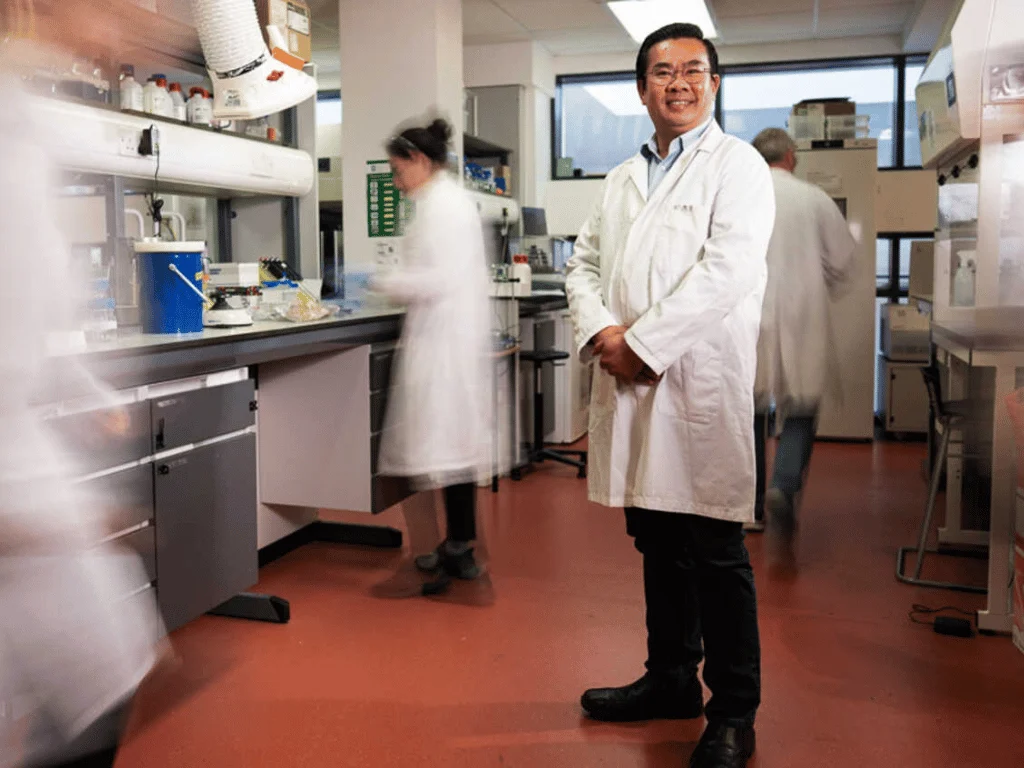
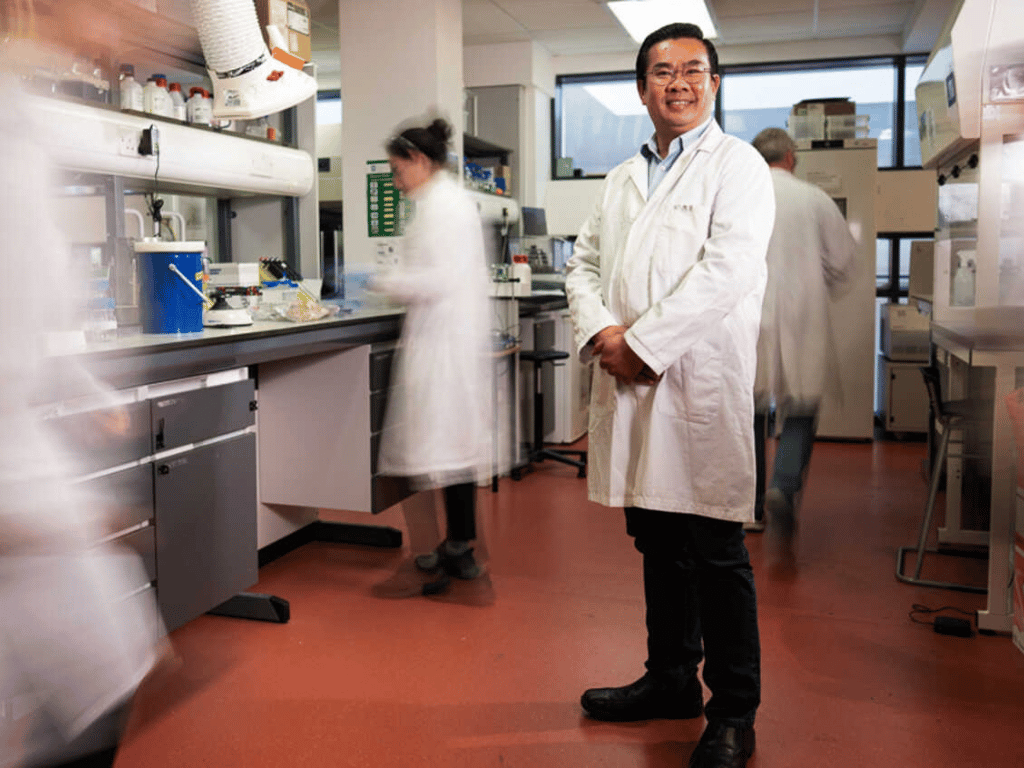
Professor Tuck Seng Wong, chair of biomanufacturing at the University of Sheffield and deputy co-director of the UK’s National Alternative Protein Innovation Centre (NAPIC), succinctly captures this philosophy. Nature, he notes, is an incomparably superior engineer. The primary task for modern scientists is not to invent something entirely from scratch, but rather to harness these pre-existing natural solutions and scale them economically and viably for industrial application.
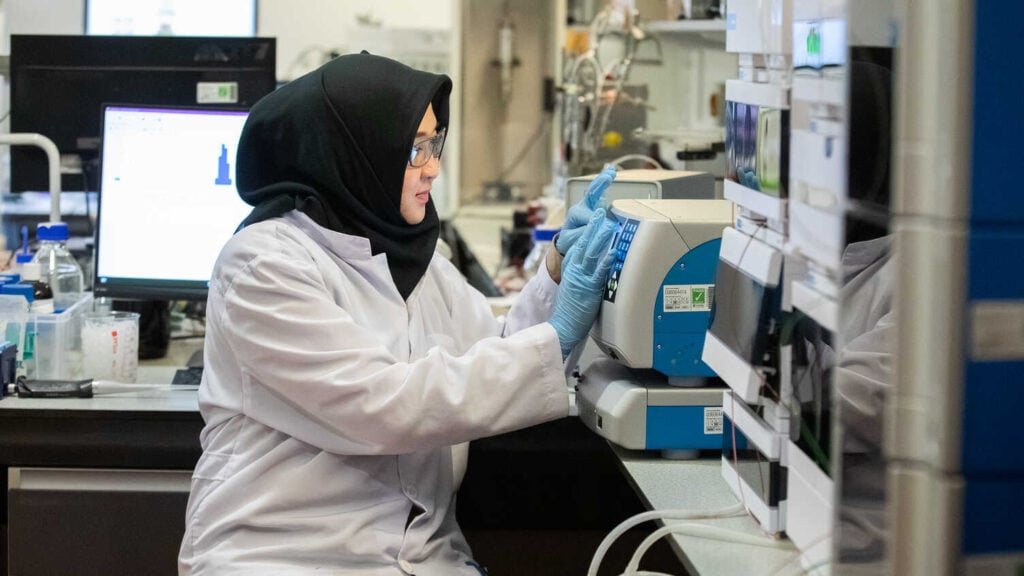
To operationalize this approach, Wong and his colleagues utilize automated fermenters equipped to apply precise environmental and selective pressures—such as elevated temperatures, alternative carbon feedstocks, and specific chemical inhibitors. By subjecting microbial populations to these rigorous conditions, the researchers trigger a rapid form of Darwinian evolution. This process forces microbial strains to adapt swiftly, identifying the hardiest and most efficient candidates capable of manufacturing critical food ingredients at industrial scale.
Through precision fermentation, these optimized microbes can be programmed with specific genetic instructions to produce complex organic compounds, including dairy proteins and animal fats, entirely bypassing the need for traditional animal husbandry and its associated carbon footprint.
Accelerating Discovery from Years to Days
Historically, screening millions of microbial candidates to find strains suitable for commercial food production has been a notoriously slow, labor-intensive, and expensive endeavor, often requiring years of trial-and-error laboratory research. However, the University of Sheffield team has radically transformed this timeline by integrating automated stress-testing with sophisticated artificial intelligence models.
This AI-driven automation allows researchers to analyze vast datasets generated during the evolutionary screening process in real time. Machine learning algorithms can predict genetic outcomes, model protein structures, and identify high-performing microbial strains with unprecedented accuracy. Consequently, what once took years of painstaking laboratory work can now be accomplished in a matter of days. This exponential compression of the development cycle is vital for bridging the gap between academic research and commercial market viability, enabling food technology companies to rapidly iterate and scale sustainable ingredients.
Diversifying the Global Food Basket and Unlocking Rubisco
Beyond microbial innovation, the Sheffield research initiative is also addressing a profound vulnerability in the current global agricultural framework: crop overreliance. Statistically, just three staple crops—rice, maize, and wheat—account for nearly 60 percent of all plant-derived calories consumed globally, despite the existence of thousands of other edible plant species.
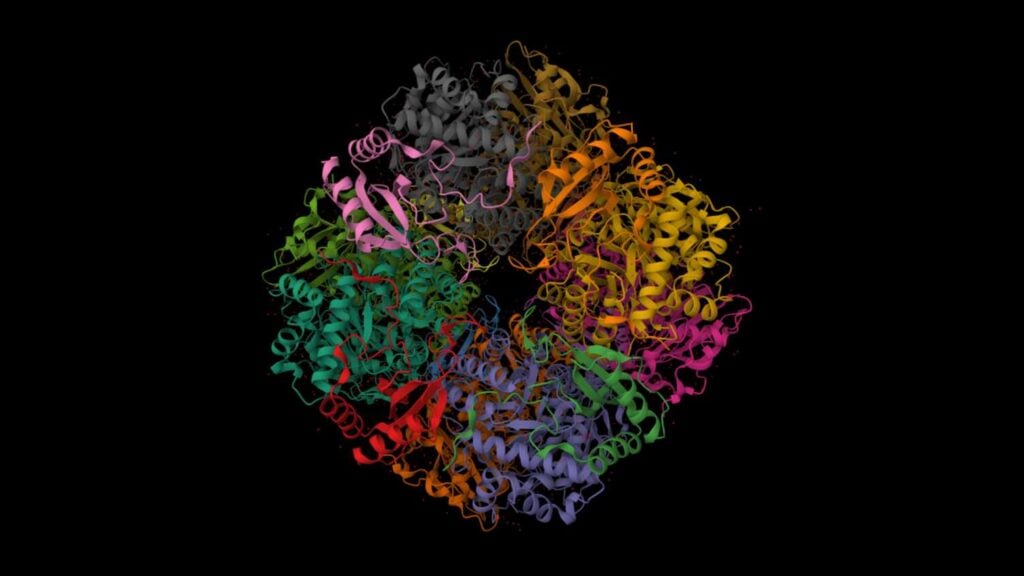
Scientists warn that this lack of agricultural diversity poses severe long-term risks to planetary health, ecosystem resilience, and global food security. In response, Wong’s team is actively exploring underutilized natural resources, placing a primary focus on Rubisco, widely recognized as the most abundant protein on Earth. Found natively in the green leaves of plants, Rubisco is a complete protein boasting a high nutritional profile, meaning humans have effectively consumed it for millennia without realizing its broader potential.
Despite its ubiquity, extracting Rubisco in commercial quantities required for industrial food production has historically eluded researchers due to technical and economic barriers. Recently, however, a wave of food technology startups—utilizing sources such as alfalfa and duckweed—has begun successfully commercializing the protein. Building upon this momentum, the University of Sheffield team has engineered innovative extraction techniques capable of reclaiming Rubisco directly from crop leaves and agricultural waste streams, turning what was once discarded biomass into a high-value nutritional asset.
Addressing the Global Nutrition Paradox
The implications of this research extend far beyond environmental sustainability, striking directly at what experts term the modern "nutrition paradox." On a global scale, society faces a deeply fragmented nutritional landscape: while hundreds of millions of people suffer from chronic hunger, malnutrition, and food insecurity, affluent nations simultaneously grapple with soaring rates of obesity, diet-related chronic illnesses, and systemic overconsumption of ultra-processed foods.
Prof. Wong has been outspoken regarding the systemic flaws in contemporary food economics, emphasizing that access to wholesome, nutritious food is a fundamental human right that should be universally guaranteed regardless of geographic or socioeconomic background. He stresses that resolving this complex global paradox is not merely a biological challenge. Instead, it requires a genuinely holistic approach that integrates molecular engineering, economic policy, behavioral psychology, and cultural awareness.
To achieve this interdisciplinary integration, the Sheffield team operates within the university’s Institute for Sustainable Food, collaborating closely with behavioral psychologists, agricultural economists, and clinical nutritionists. This collaborative ecosystem ensures that newly developed alternative proteins are not only biologically viable and environmentally sound, but also appealing to consumers, economically accessible, and fully compliant with regulatory frameworks.
Strategic Industry Partnerships and National Backing
The transition from academic breakthrough to supermarket shelf requires robust commercial partnerships and substantial financial backing. To this end, the University of Sheffield is working hand-in-hand with prominent global industry leaders, including consumer goods giants Unilever and Mars—both key partners within NAPIC. Furthermore, the research team is collaborating with innovative startups such as FibreFolks, with whom they are actively developing high-protein, high-fermented flours designed to seamlessly integrate into everyday consumer products.
These collaborative efforts align directly with the broader strategic goals of the National Alternative Protein Innovation Centre (NAPIC). Founded in 2024 through a landmark £38 million investment co-funded by the UK government and private sector stakeholders, NAPIC serves as the central hub for the country’s alternative protein research and development. Demonstrating the tangible value of these technological approaches, NAPIC researchers recently leveraged an advanced AI model—similar to the systems employed at Sheffield—combined with statistical physics to identify nearly 800 distinct plant-based proteins capable of functioning as natural emulsifiers in food and cosmetic products.
Implications for the Future of Global Food Systems
The pioneering work underway at the University of Sheffield illustrates how traditional scientific disciplines, when augmented by artificial intelligence and guided by evolutionary principles, can address some of the most intractable challenges of the twenty-first century. By converting agricultural waste into high-grade proteins, accelerating microbial screening from years to days, and diversifying the global supply of sustainable nutrients, the research team is laying the foundational infrastructure for a more resilient, equitable, and low-carbon food economy. As these technologies mature and transition from laboratory benchmarks to commercial supply chains, they offer a viable roadmap toward satisfying the nutritional needs of a growing global population without further compromising the ecological health of the planet.
