
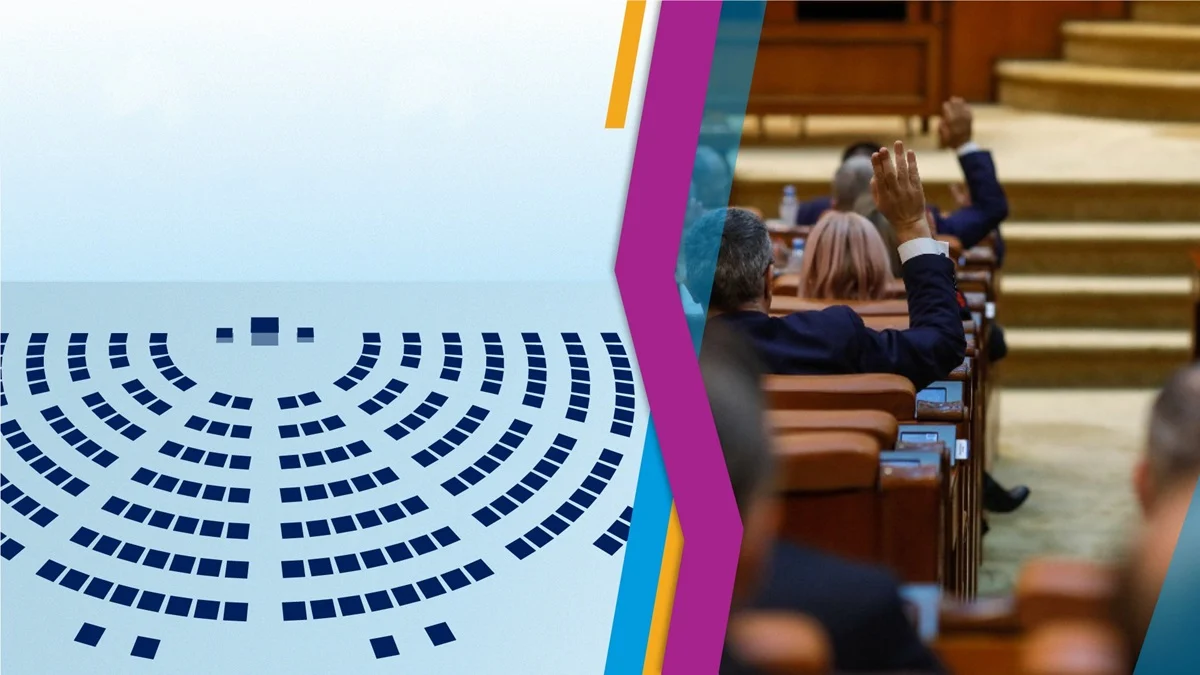
A New Mandate for Global Governance
The global landscape of health security has undergone a seismic shift since the emergence of SARS-CoV-2. Historically, health security was viewed predominantly through the lens of clinical medicine, epidemiological surveillance, and laboratory capacity. However, the COVID-19 pandemic exposed the fragility of these systems when decoupled from robust legislative and budgetary frameworks. The WHO’s introduction of this seven-module course marks a strategic pivot toward empowering the legislative branch, recognizing that health security is not merely a matter of healthcare delivery, but a matter of national security and governance.
The initiative comes at a time when the World Health Assembly is actively negotiating a proposed pandemic treaty and amendments to the International Health Regulations (IHR 2005). These international instruments are only as effective as the domestic laws that ratify and implement them. Without the buy-in and oversight of national parliaments, global health agreements risk becoming symbolic gestures rather than functional safeguards.
The Chronology of Legislative Evolution in Health
To understand the necessity of this training, one must look at the timeline of the last two decades of health crises:
- 2005: The World Health Assembly adopts the International Health Regulations (IHR), which mandate that all member states develop core surveillance and response capacities.
- 2014-2016: The Ebola epidemic in West Africa reveals that while scientific knowledge exists, the legislative and infrastructural capacity to contain outbreaks is severely lacking in many regions.
- 2020-2023: The COVID-19 pandemic forces a global reckoning. Parliaments around the world are thrust into the spotlight, tasked with managing emergency lockdowns, authorizing vaccine procurement budgets, and navigating the social friction of public health mandates.
- 2024: Following extensive reviews by the Independent Panel for Pandemic Preparedness and Response (IPPPR), the WHO formally recognizes that legislative oversight is a core component of "health security preparedness," leading to the launch of the current training initiative.
Breaking Down the Seven-Module Framework
The WHO training is designed to translate abstract health concepts into practical legislative duties. The curriculum is divided into specific areas of focus:
- Defining Health Security: Participants are introduced to the fundamental concepts of global health, moving beyond local health services to the broader goal of international health stability.
- The International Health Regulations (IHR 2005): A deep dive into the legal obligations of sovereign states under international law.
- The Role of Law-Making: Training on how to draft and enact legislation that allows for flexible, rapid response to outbreaks without compromising constitutional checks and balances.
- Budgetary Oversight: Providing parliamentarians with the tools to track and ensure that health emergency funding is ring-fenced and transparent.
- Accountability Mechanisms: Teaching legislators how to hold health ministries and executive agencies accountable for preparedness benchmarks.
- Public Advocacy and Trust: Strategies for parliamentarians to communicate effectively with their constituents, countering misinformation and building public trust during crises.
- Practical Implementation: An actionable guide to utilizing the WHO’s resources to initiate policy reforms within their respective countries.
The Economic and Data-Driven Imperative
The economic argument for parliamentarian engagement is supported by substantial data. According to reports from the World Bank, a major pandemic can lead to a global GDP contraction of nearly 5%. Furthermore, the Global Preparedness Monitoring Board (GPMB) has consistently noted that the cost of prevention is exponentially lower than the cost of response.
By engaging parliamentarians, the WHO aims to ensure that "preparedness" is not just a budget line item that is cut during times of austerity. Legislative oversight acts as a safeguard against the cyclical nature of public health investment, where funding often surges during a crisis only to vanish once the immediate threat subsides. By codifying health security requirements into national law, parliaments can ensure that laboratory networks, workforce training, and supply chain readiness remain permanent features of the national budget.
Expert Perspectives and Legislative Reaction
While the training is primarily educational, it has received backing from international parliamentary unions and global health advocates. Policy analysts suggest that the initiative addresses a "governance gap" that has long plagued global health efforts.
"Health ministers are often the ones sitting at the table during WHO negotiations, but they are frequently hamstrung by a lack of domestic legislative support," notes a senior advisor to the Global Health Governance Council. "By bringing parliamentarians into the fold, the WHO is creating a pathway to turn global aspirations into domestic law. This is the difference between a country being prepared on paper and being prepared in practice."
However, some observers caution that the challenge remains the varying levels of parliamentary autonomy across different political systems. In nations where the executive branch holds significant power, parliamentarians may struggle to exert the oversight envisioned by the WHO. The success of this training will depend on the willingness of individual parliamentarians to assert their role as guardians of the public interest, rather than merely acting as rubber stamps for executive policy.
The Broader Impact on Global Health Security
The ripple effects of this initiative could be profound. If successful, the training will create a global network of "health security-literate" legislators. These individuals could serve as the critical link between international health standards and local policy, ensuring that the next pandemic is met not with panicked ad-hoc legislation, but with a pre-existing, robust legal framework.
Furthermore, this initiative strengthens the democratic legitimacy of global health measures. When health mandates are debated, scrutinized, and approved by a parliament, they carry a level of public mandate that decrees from the executive branch often lack. This is essential for public compliance during health crises, where trust in government is the primary variable in the success of public health interventions.
Moving Forward: Accessing the Tools
The WHO has opted to host this training on the OpenWHO platform, a deliberate choice to ensure global accessibility. By removing financial and geographical barriers, the organization aims to reach lawmakers in low- and middle-income countries, where the stakes of health security are often the highest.
As of the current launch, the course is available to all interested stakeholders, including parliamentary researchers, policy advisors, and civil society organizations who work closely with legislative bodies. The WHO encourages these groups to leverage the training to lobby their representatives for stronger health security commitments.
In the final analysis, the health of a nation is inherently linked to the health of its neighbors. By equipping those with the power of the purse and the power of the law, the WHO is betting that the most effective way to prevent the next global pandemic is to ensure that every parliament is prepared to lead the charge. This initiative serves as a crucial reminder that while science provides the tools to fight a disease, governance provides the foundation to build a resilient, healthy society. The path to global health security is paved not just with vaccines and medical equipment, but with the deliberate, informed, and courageous work of those who occupy the halls of power.
