
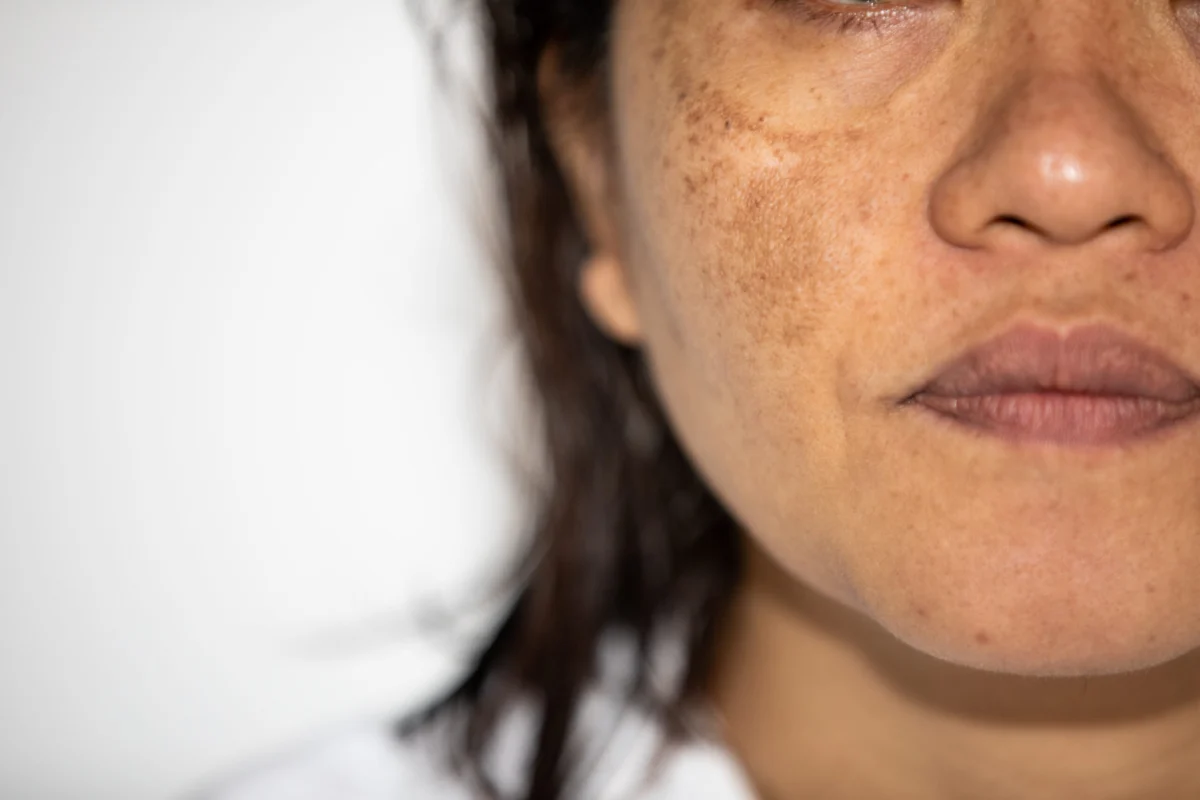
Hyperpigmentation remains one of the most prevalent and challenging dermatological concerns encountered in clinical practice worldwide. Affecting individuals across diverse demographic profiles and skin phototypes, these heterogeneous pigmentary disorders—ranging from melasma and post-inflammatory hyperpigmentation (PIH) to solar lentigines—are characterized fundamentally by excess melanin production, abnormal distribution, or impaired cellular transfer. In a comprehensive overview published by the Aesthetics Journal on September 16, 2026, Dr. Jaymi Lad detailed the intricate mechanisms behind topical tyrosinase inhibitors and complementary topical adjuncts, shedding light on evolving strategies designed to achieve clearer, more uniform skin tones safely and efficaciously.
Understanding the Pathophysiology of Pigmentary Disorders
The biological pathways governing skin pigmentation are remarkably complex, involving melanocytes located in the basal layer of the epidermis. These specialized cells synthesize melanin within organelles known as melanosomes before transferring them to surrounding keratinocytes. When stimulated by internal triggers such as hormonal fluctuations, or external factors like ultraviolet (UV) radiation and localized cutaneous trauma, melanocytes can enter a state of hyperactivity.
At the center of this process is tyrosinase, a copper-containing enzyme that catalyzes the rate-limiting steps in melanin biosynthesis—specifically, the conversion of tyrosine to dopa and subsequently to dopaquinone. Dysregulation of tyrosinase activity leads directly to the localized accumulation of pigment that clinicians identify as hyperpigmentation. Because acquired and inherited pigmentary disorders are notoriously stubborn and prone to recurrence, dermatological interventions must target multiple steps of this melanogenesis pathway rather than relying on a single mechanism of action.
The Role of Topical Tyrosinase Inhibitors
Topical therapy remains the cornerstone of first-line management for the vast majority of hyperpigmentation cases, offering a non-invasive, highly customizable approach for patients. Dr. Jaymi Lad’s clinical overview emphasizes the primary utility of tyrosinase inhibitors, which work by competitively or non-competitively blocking the enzyme responsible for pigment production.
Hydroquinone has historically maintained its status as the clinical gold standard among tyrosinase inhibitors. By structurally resembling the precursors of melanin, hydroquinone effectively inhibits the conversion of tyrosine, thereby halting new pigment formation. However, due to potential adverse effects associated with long-term, unsupervised use—such as exogenous ochronosis—modern treatment protocols increasingly emphasize strategic, cyclical application schedules, often under strict medical supervision.
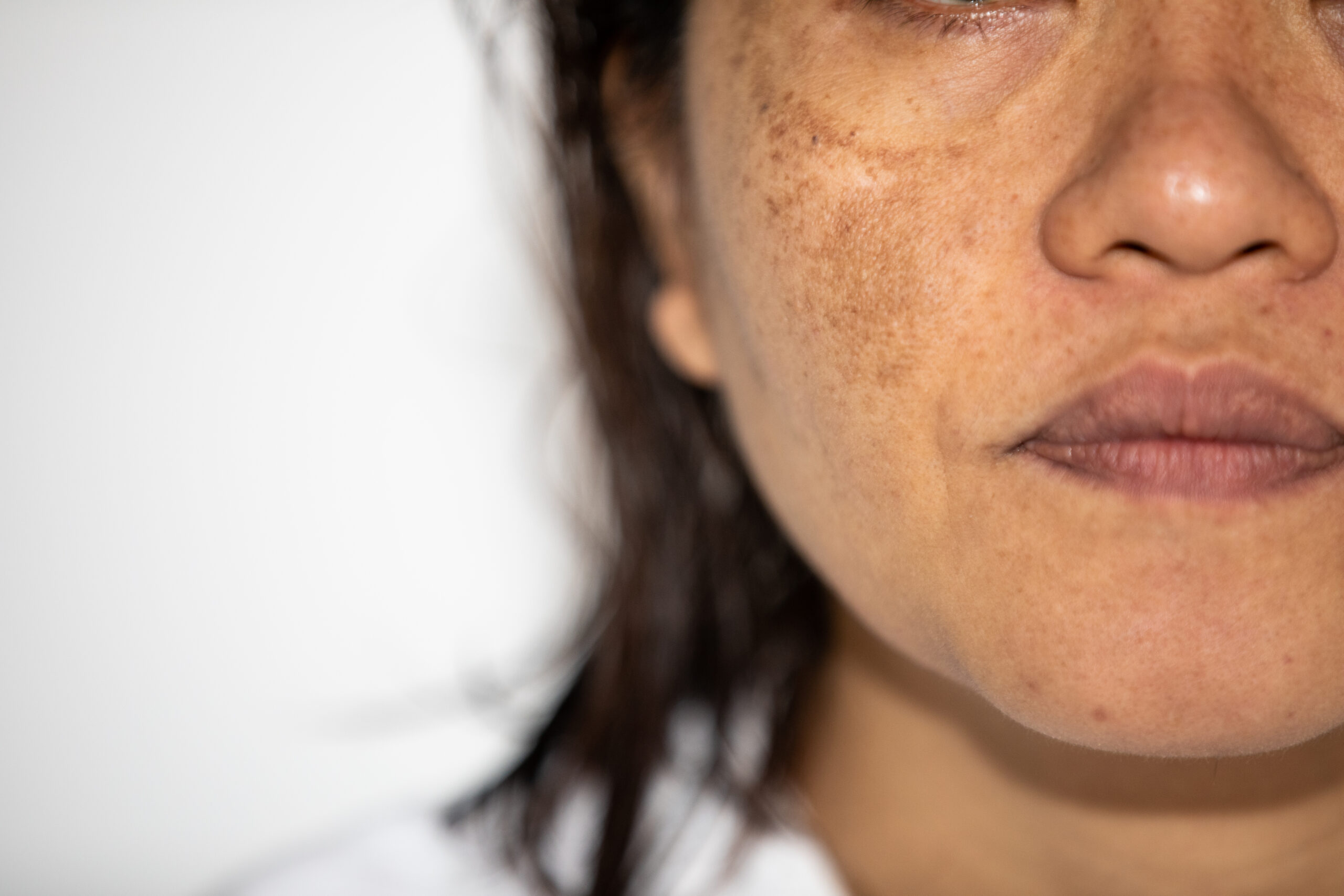
In response to the limitations of traditional monotherapy, contemporary dermatological regimens frequently incorporate alternative tyrosinase inhibitors. Ingredients such as kojic acid, azelaic acid, and arbutin have gained significant traction within clinical settings. Kojic acid, a metabolic byproduct of various fungi species, chelates copper at the active site of tyrosinase, inhibiting its catalytic function. Azelaic acid, naturally produced by Malassezia furfur, demonstrates a selective toxicity toward hyperactive melanocytes while sparing normal, pigmented skin, making it particularly valuable for patients with sensitive skin types or underlying inflammatory conditions like rosacea and acne-induced PIH.
Integrating Topical Adjuncts for Comprehensive Results
While suppressing tyrosinase is essential, achieving optimal clinical outcomes typically requires the integration of broad-spectrum topical adjuncts that disrupt the pigmentation cascade at alternative points. Dr. Lad’s overview underscores the necessity of multi-targeted formulations that address not only melanin synthesis but also its cellular transfer, exfoliation, and systemic inflammation.
Retinoids, including tretinoin, adapalene, and retinol, serve as vital adjuncts in hyperpigmentation protocols. By accelerating epidermal cell turnover, retinoids promote the shedding of melanin-laden keratinocytes from the stratum corneum. Furthermore, retinoids enhance the penetration of co-administered depigmenting agents, ensuring that ingredients like hydroquinone or vitamin C reach their intended cellular targets more efficiently.
Antioxidants and cell-communicating agents, most notably niacinamide (vitamin B3), represent another critical class of adjuncts. Clinical data demonstrates that niacinamide does not inhibit tyrosinase directly; instead, it impedes the transfer of melanosomes from melanocytes to neighboring keratinocytes by up to 35-40%. Additionally, niacinamide exhibits potent anti-inflammatory properties, mitigating the cytokine release that often triggers post-inflammatory hyperpigmentation following cutaneous injury, laser treatments, or severe acne breakouts.
Exfoliating acids, including alpha-hydroxy acids (AHAs) like glycolic and lactic acid, as well as beta-hydroxy acids (BHAs) like salicylic acid, are routinely incorporated to dissolve intercellular bonds, encourage desquamation, and smooth skin texture. When combined thoughtfully with tyrosinase inhibitors, these chemical exfoliants help lift existing superficial pigment much faster than would be possible through natural epidermal turnover alone.
Clinical Perspectives and Industry Implications
The publication of Dr. Lad’s insights in the Aesthetics Journal arrives at a time of notable transformation within the medical aesthetics and dermatology sectors. Industry market analyses indicate a rising global demand for corrective skincare formulations, driven largely by an aging population, increased awareness of sun protection, and a cultural shift toward transparent, science-backed cosmetic dermatology.

Clinical practitioners note that treating hyperpigmentation successfully requires an individualized, patient-centric methodology. Fitzpatrick skin phototypes IV through VI, for instance, present unique therapeutic challenges. Skin of color possesses a higher baseline melanocyte activity and a heightened propensity for paradoxical hyperpigmentation or hypopigmentation if treated with overly aggressive peeling agents or high-strength topicals. Consequently, the emphasis on targeted, multi-modal regimens highlighted by Dr. Lad offers practitioners a safer framework for managing diverse patient cohorts without provoking severe adverse inflammatory responses.
Furthermore, industry experts emphasize that topical management cannot exist in a vacuum. Comprehensive hyperpigmentation protocols mandate the daily, rigorous application of broad-spectrum sunscreens featuring high ultraviolet A (UVA) and ultraviolet B (UVB) protection. Because visible light and long-wave UVA rays are now recognized as significant contributors to the persistence and exacerbation of conditions like melasma, advanced sunscreens frequently incorporate iron oxides to block high-energy visible (HEV) or blue light.
Broader Impact on Dermatological Practice
The detailed evaluation of tyrosinase inhibitors and adjunct therapies presented by Dr. Lad reinforces a broader paradigm shift in dermatology: moving away from aggressive, single-modality bleaching toward sophisticated, barrier-respecting, and mechanism-driven skin conditioning.
As research laboratories continue to identify novel molecular targets—such as stem cell factor inhibitors and protease-activated receptor-2 (PAR-2) antagonists—the future pipeline of topical treatments promises even greater precision. For clinicians, staying abreast of these pharmacological developments is crucial for optimizing patient satisfaction, minimizing relapse rates, and safeguarding long-term cutaneous health. Ultimately, the integration of well-studied tyrosinase inhibitors with supportive barrier-repair and anti-inflammatory adjuncts provides a reliable, scientifically validated roadmap for tackling some of dermatology’s most persistent and emotionally taxing pigmentary challenges.
