
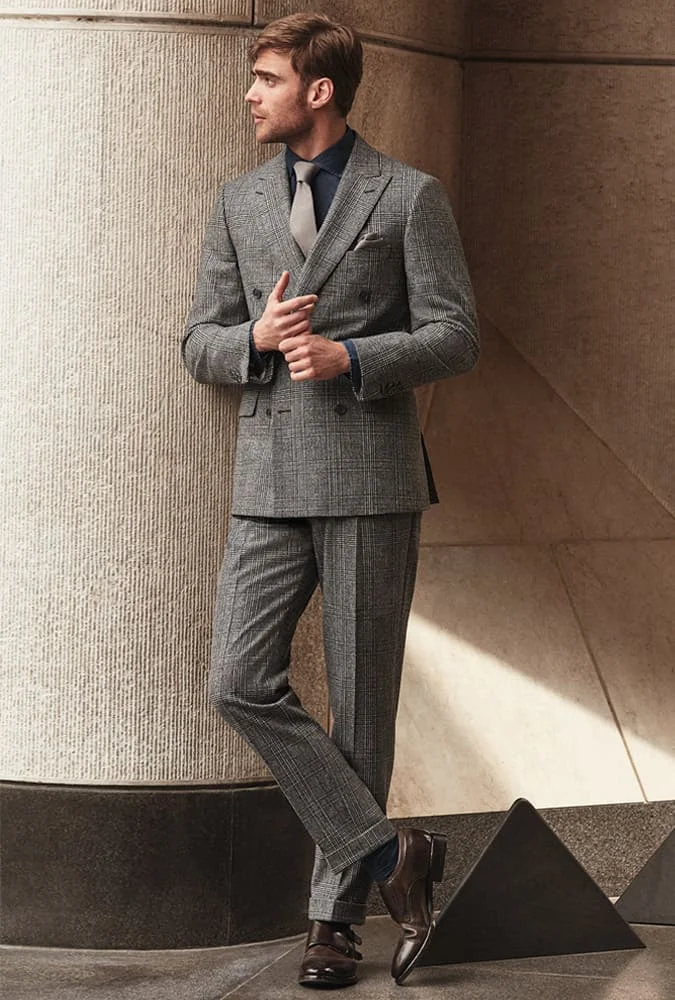
The sartorial significance of footwear in men’s tailoring cannot be overstated. While a bespoke suit represents a substantial financial investment, its overall aesthetic integrity is entirely dependent on the quality and appropriateness of the accompanying shoes. A misaligned pairing between fabric texture, color theory, and formal etiquette can compromise even the most expensive tailoring. As the menswear landscape shifts toward more versatile, less rigid dress codes, understanding the foundational principles of color coordination and material selection has become an essential skill for the modern professional.
Historical Context and the Evolution of Formal Footwear
Traditionally, the binary choice between the Oxford and the Derby dictated the parameters of men’s formal dress. The Oxford, characterized by its closed lacing system and sleek silhouette, established itself as the gold standard for black-tie and formal business attire during the late 19th century. Conversely, the Derby, with its open lacing system, emerged as a more practical, robust alternative, bridging the gap between formal and country wear.
However, the 21st century has seen a democratization of dress codes. The rise of "business casual" and the increasing acceptance of smart-sneakers in professional environments have expanded the definition of "suit shoes." This transition is supported by market data from the luxury menswear sector, which indicates a 22% increase in the sales of hybrid formal-casual footwear over the past five years. Despite this trend, industry experts—including personal shoppers and high-end stylists—maintain that mastering the classics remains the prerequisite for breaking established style rules.
Taxonomy of Essential Suit Footwear

To navigate the complexities of modern tailoring, one must distinguish between the primary footwear archetypes. Each style carries its own semiotic weight and level of formality.
The Oxford remains the archetype of formal elegance. Its structural integrity and minimalist design make it the requisite partner for dinner suits and boardroom-level attire. Ideally, these should be crafted from high-quality, polished calf leather.

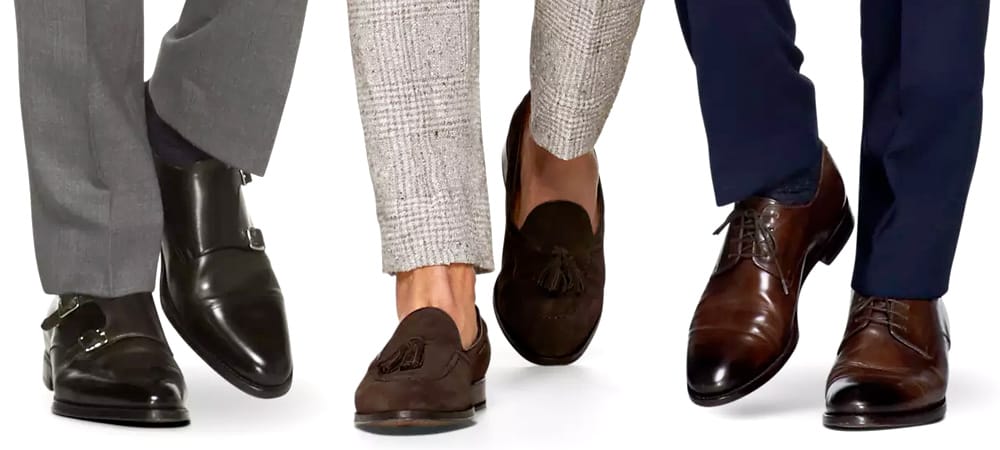
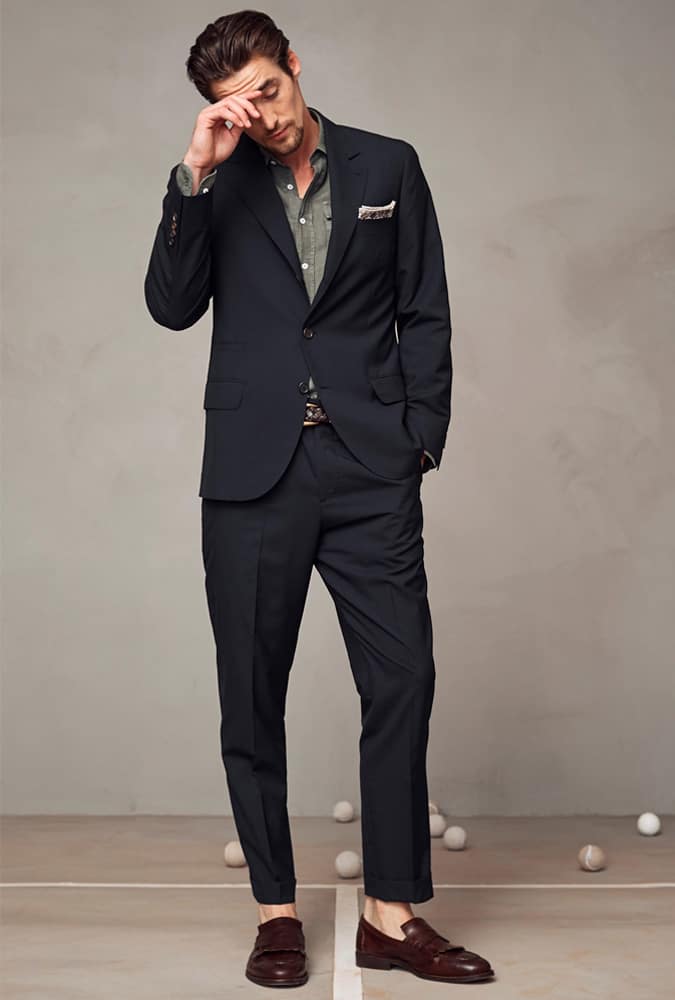
Loafers offer a sophisticated laceless option. Their versatility allows them to function across a spectrum of formality, depending on the material. Velvet or patent leather loafers are reserved for evening wear, whereas suede or pebbled leather variants are appropriate for day-to-day business or social engagements.
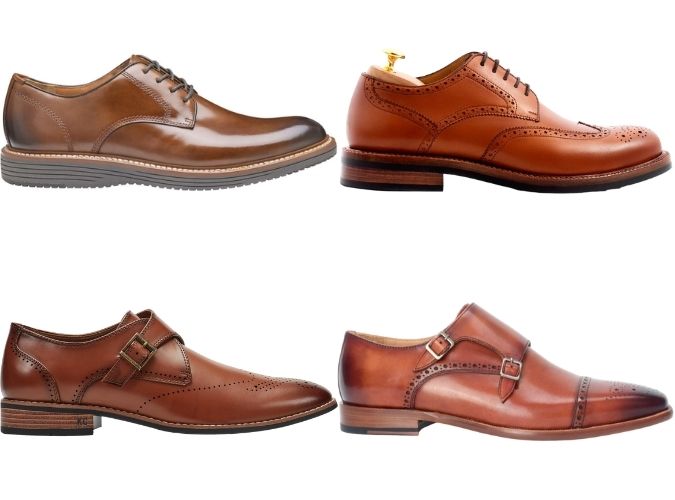
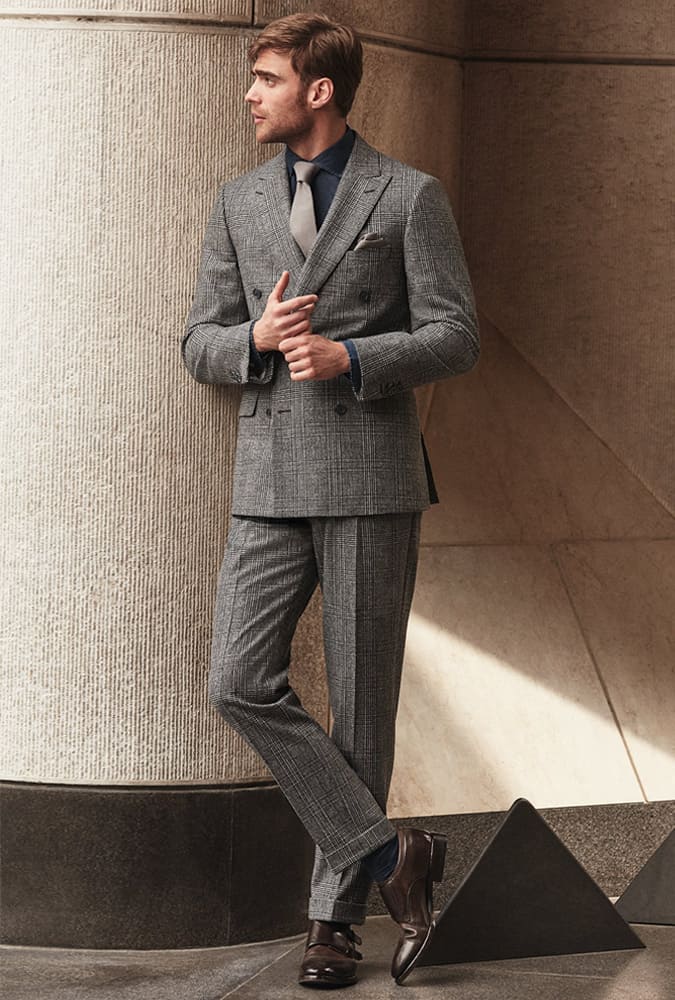
Monk straps, identified by their buckle-and-strap closure, serve as a bridge between the classic lace-up and the loafer. They introduce a sculptural element to a suit, signaling a wearer who is confident in experimenting with traditional boundaries.

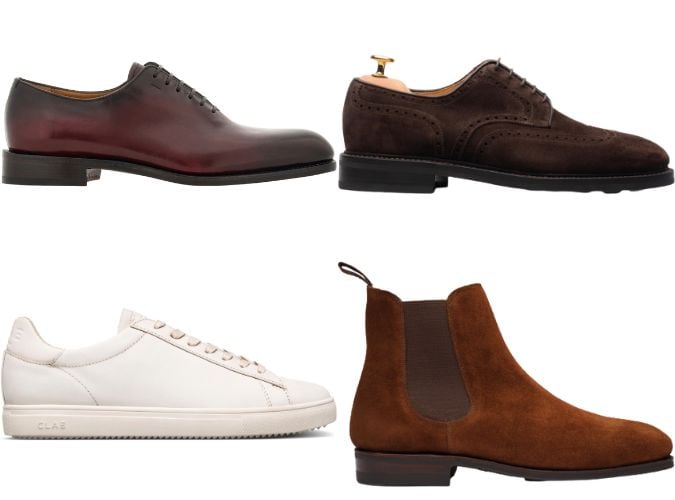
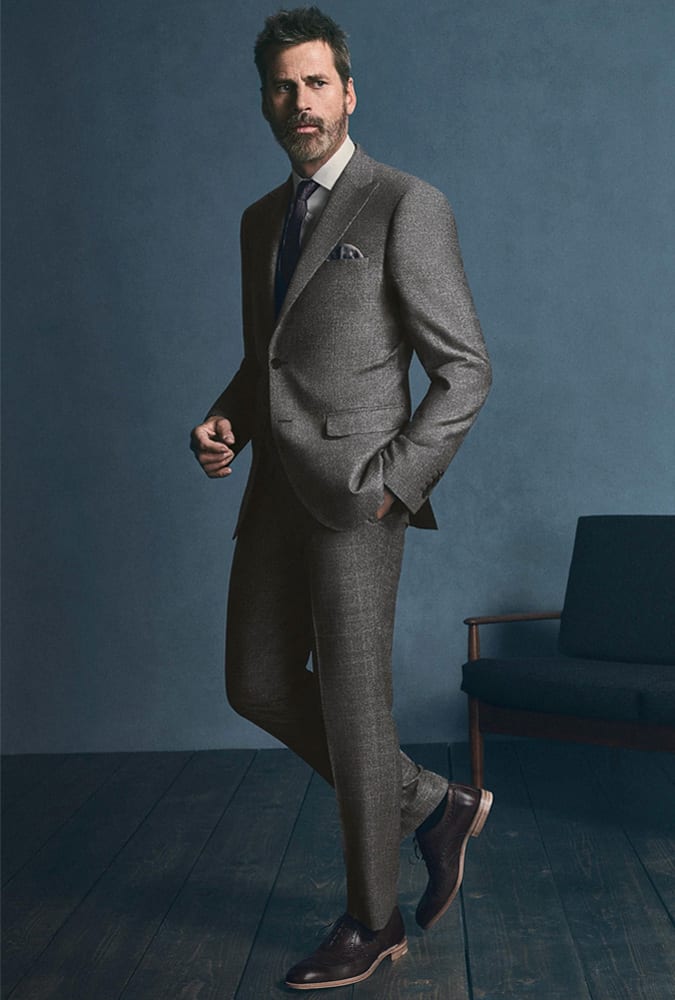
Brogues are defined not by a specific shape, but by their decorative perforations (broguing). Originally designed for practical outdoor use, they have evolved into a stylistic choice that adds texture and visual interest to a suit, particularly in grey or earth-toned fabrics.
Chelsea boots have gained significant traction as a cold-weather solution. Their clean lines and lack of hardware allow them to sit seamlessly beneath a trouser hem, providing a sleek, unbroken silhouette that works well with slim-cut trousers.
Smart sneakers have officially entered the professional lexicon. For these to be acceptable, they must be constructed from premium materials—such as full-grain leather or suede—and maintain a minimalist profile. Scuffed, athletic, or high-contrast neon sneakers remain outside the scope of appropriate professional tailoring.
Chronology of Color Coordination

Matching footwear to suit color requires an understanding of contrast and color theory. Below is an analytical breakdown of how to pair standard suit colors with appropriate footwear.
Navy Suits: The Versatile Standard
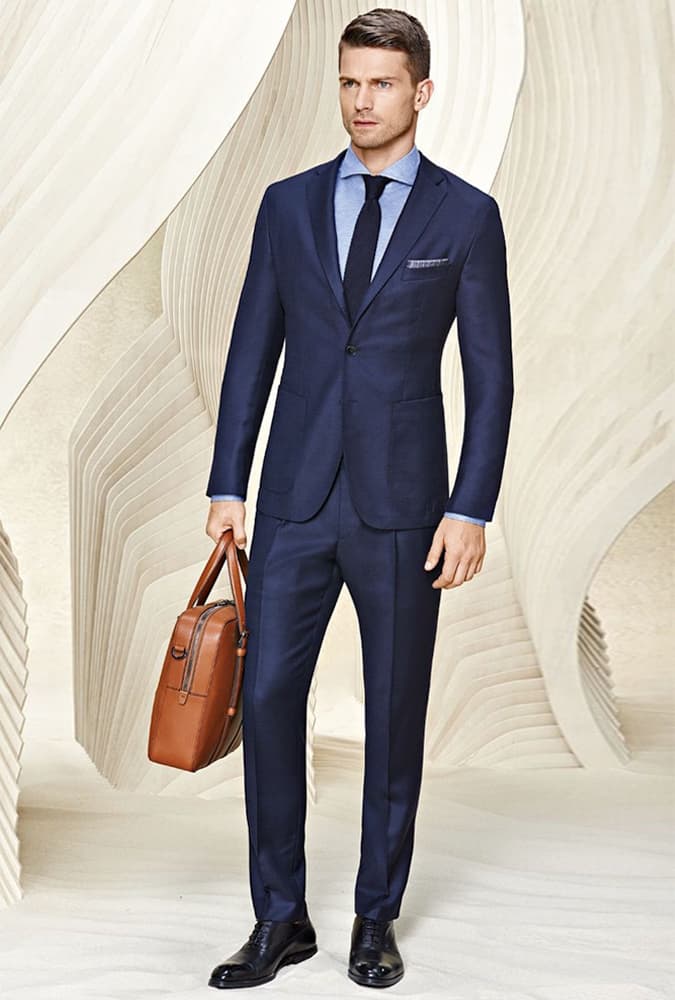
Navy blue serves as the most versatile color in contemporary menswear. Research into retail trends suggests that navy suits account for approximately 40% of all suit sales globally. Because navy acts as a neutral, it pairs harmoniously with most brown tones. Dark chocolate brown offers a grounded, classic aesthetic, while tan or cognac shades provide a lighter, more contemporary contrast. For formal settings, black oxfords remain the traditional choice.
Grey Suits: The Spectrum of Neutrality
Grey functions as a blank canvas. Light grey suits benefit from warmer, richer footwear tones, such as chestnut or oxblood. Darker charcoal suits require greater depth in the shoe leather to maintain a cohesive look. Black and burgundy are the preferred options for charcoal, as lighter browns can often appear discordant against the deep, neutral tones of the fabric.
Black Suits: The Formal Constraint
The black suit carries a specific set of constraints. It is essentially a formal garment, and therefore, black leather remains the only truly acceptable pairing. While fashion-forward individuals may experiment with dark burgundy or deep charcoal footwear, these combinations are best avoided in strictly professional or somber environments. The primary objective with a black suit is to maintain a monochromatic, seamless aesthetic.
Neutral and Earth-Toned Suits
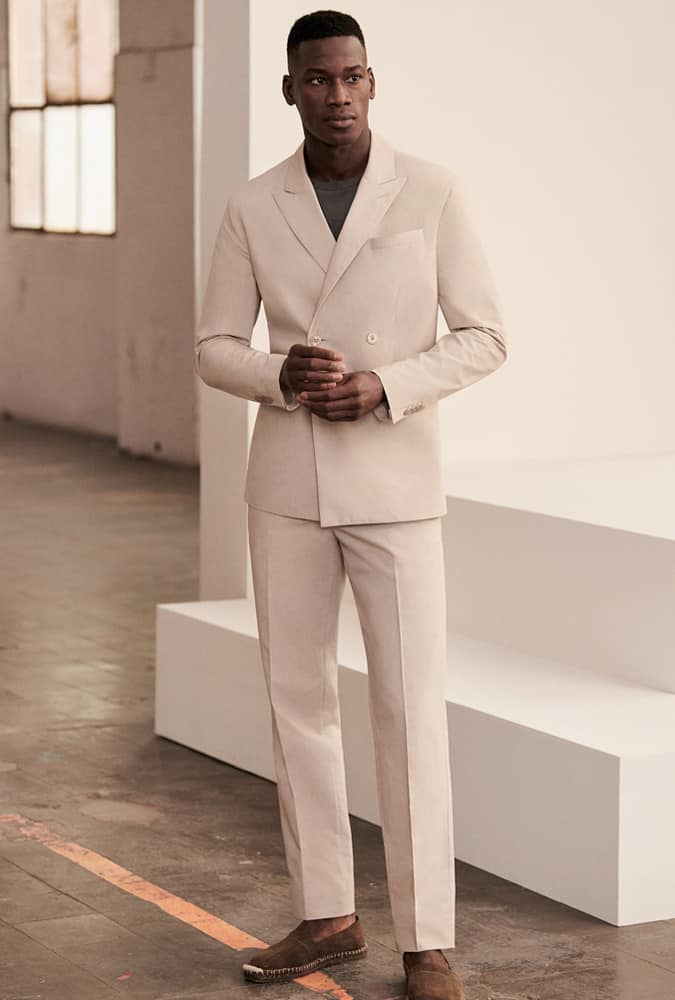
Beige, taupe, and off-white suits are predominantly seasonal, typically worn in spring and summer. These fabrics require footwear that reflects their lighter, more relaxed nature. Suede loafers in navy, blue, or shades of light brown are ideal. In casual environments, specifically with linen tailoring, high-quality leather sandals or minimalist white sneakers are becoming increasingly common, though these should never be introduced into a traditional office environment.
Blue Suits: The Contemporary Alternative
Lighter shades of blue represent a more youthful, less traditional choice. Unlike navy, which is grounding, vibrant blue requires careful management. Mid-tone browns and tan shoes are recommended to complement the lightness of the fabric. Black shoes are permissible but can sometimes appear too jarring against the vibrancy of the blue; therefore, a careful mirror check is advised before final selection.
Analysis of Impact and Professional Implications
The implications of footwear choice extend beyond simple aesthetics. In corporate environments, dress codes are often interpreted as an extension of professional competence. Studies in occupational psychology suggest that attire influences "enclothed cognition"—the concept that the clothes we wear affect our psychological processes. A well-coordinated suit and shoe pairing is statistically linked to higher perceptions of authority and attention to detail.
Conversely, the "wrong" shoe can disrupt the visual line of a tailored suit. A bulky, rubber-soled shoe worn with a slim-fit suit can make the wearer appear bottom-heavy and unkempt, regardless of the quality of the tailoring. Furthermore, the longevity of one’s footwear is a reflection of personal maintenance; scuffed, poorly polished, or worn-down heels are frequently cited by HR professionals as subtle indicators of a lack of organizational rigor.
Expert Recommendations for the Wardrobe
Personal shoppers and style consultants suggest that a functional wardrobe should prioritize a core rotation of footwear. The foundation should consist of:
- One pair of black leather oxfords for formal/evening events.
- One pair of dark brown derbies for daily business wear.
- One pair of suede loafers for summer or smart-casual occasions.
- One pair of Chelsea boots for seasonal transition.
By adhering to these guidelines, individuals can ensure their tailoring is supported by appropriate footwear, thereby safeguarding their investment and maintaining a professional image. While the rules of fashion are increasingly subjective, the underlying principles of balance, proportion, and occasion-specific appropriateness remain the bedrock of a well-dressed man. Mastery of these fundamentals allows one to navigate the nuances of modern style with confidence, ensuring that the footwear always complements, rather than compromises, the suit.
