
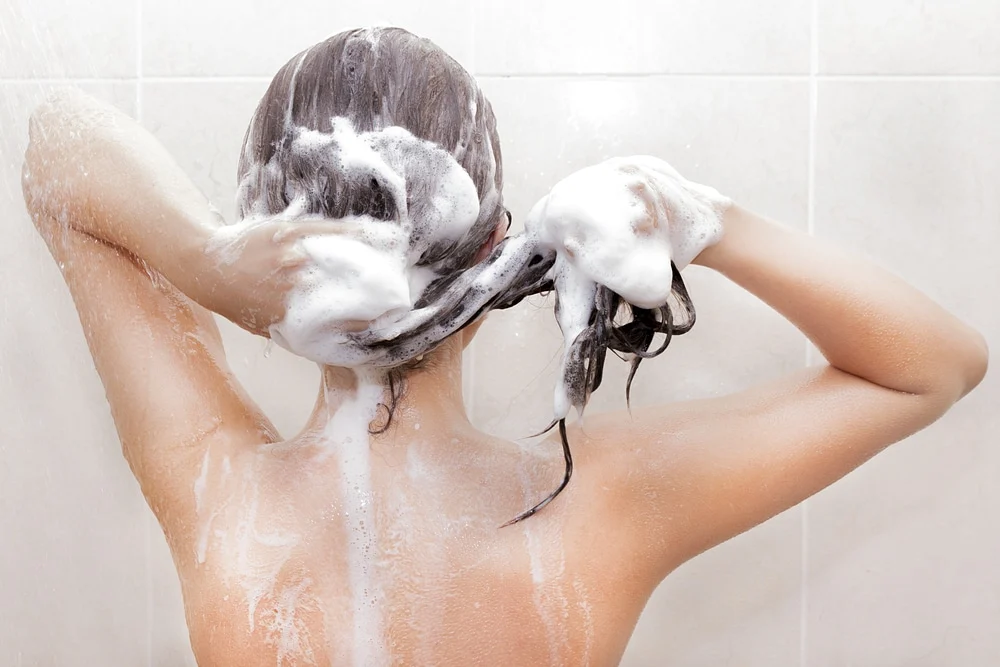
Polycystic Ovary Syndrome (PCOS) remains one of the most prevalent endocrine disorders among women of reproductive age, affecting approximately 8% to 13% of the global female population, with some regional estimates suggesting figures as high as one in five. While the condition is primarily characterized by ovulatory dysfunction and polycystic ovarian morphology, the dermatological manifestations—specifically hormonal seborrhea, or excessively greasy hair and skin—often present significant challenges for patients. This condition is not merely an aesthetic concern but a clinical symptom of underlying hyperandrogenism, requiring a multifaceted approach that combines medical intervention, lifestyle modifications, and specialized dermatological care.
The Pathophysiology of PCOS-Related Seborrhea
The root cause of excessively oily hair in women with PCOS is a hormonal imbalance characterized by elevated levels of androgens, such as testosterone and androstenedione. Under normal physiological conditions, androgens play a vital role in female health; however, in the context of PCOS, the ovaries and adrenal glands often produce these hormones in excess. This state of hyperandrogenism directly impacts the sebaceous glands located within the skin and scalp.
Sebaceous glands are highly sensitive to androgenic stimulation. When androgen levels rise, these glands increase in size and accelerate the production of sebum, the natural oil intended to lubricate the skin and hair. In PCOS patients, this process becomes overactive, leading to a persistent layer of oil that can manifest within hours of washing. This biological mechanism explains why traditional hair care routines often fail to provide long-term relief for those with the condition. Furthermore, the presence of excess sebum can alter the scalp’s microbiome, potentially leading to secondary issues such as seborrheic dermatitis or thinning hair (androgenic alopecia).
The Crucial Link Between Insulin Resistance and Hair Health
A significant percentage of women with PCOS—estimated at up to 70%—exhibit some degree of insulin resistance, regardless of their body mass index. Insulin is a hormone that regulates blood glucose levels, but it also functions as a potent co-gonadotropin. When the body becomes resistant to insulin, the pancreas compensates by producing higher quantities of the hormone. Elevated insulin levels stimulate the ovaries to produce more androgens and simultaneously suppress the production of Sex Hormone-Binding Globulin (SHBG) in the liver.

SHBG is a protein that binds to testosterone in the blood, rendering it inactive. When SHBG levels are low, more "free" testosterone circulates in the system, where it can interact with sebaceous glands and hair follicles. Consequently, managing scalp health in PCOS is inextricably linked to managing metabolic health. Addressing insulin sensitivity is often the first clinical step in reducing the systemic androgen load that causes greasy hair.
Chronology of Symptom Manifestation and Diagnosis
The progression of PCOS-related hair issues typically follows a specific chronological pattern. For many women, the onset occurs during late adolescence or early adulthood, coinciding with the maturation of the endocrine system.
- Initial Onset: Patients often report a sudden change in hair texture, noting that hair which previously required washing every three days now appears greasy by the afternoon of the first day.
- Secondary Dermatological Signs: This is frequently accompanied by adult-onset acne, particularly along the jawline, and hirsutism (excessive terminal hair growth on the face or body).
- Clinical Presentation: By the time a patient consults a general practitioner or endocrinologist, the oily scalp is often part of a broader symptom cluster including irregular menstrual cycles and difficulty managing weight.
- Diagnostic Confirmation: Medical professionals typically utilize the Rotterdam Criteria to diagnose PCOS, which requires two of three conditions: oligo-ovulation or anovulation, clinical or biochemical signs of hyperandrogenism, and polycystic ovaries visible via ultrasound.
Clinical and Holistic Approaches to Hormone Regulation
Medical experts emphasize that topical treatments alone are often insufficient for managing PCOS-related greasy hair because they do not address the hormonal trigger. A comprehensive treatment plan usually begins with a consultation with an endocrinologist or gynecologist to stabilize hormone levels.
Pharmacological interventions may include oral contraceptives to regulate cycles and lower androgen production, or anti-androgen medications such as spironolactone, which blocks androgen receptors in the sebaceous glands. However, lifestyle interventions remain the cornerstone of long-term management.
The Role of Physical Activity
Regular exercise is a primary tool for improving insulin sensitivity. By increasing the glucose uptake of muscle cells, physical activity reduces the demand for insulin production. Lowering systemic insulin levels leads to a subsequent reduction in ovarian androgen synthesis, eventually resulting in decreased sebum production. Experts recommend a combination of resistance training and cardiovascular exercise to optimize metabolic function.

Nutritional Interventions
Dietary choices play a pivotal role in managing the biochemical environment of the scalp. Clinical nutritionists often advocate for three main pillars of a PCOS-friendly diet:
- Low Glycemic Index (GI) Foods: Consuming complex carbohydrates that digest slowly prevents sharp spikes in blood sugar and insulin.
- Anti-Inflammatory Focus: Reducing the intake of processed sugars and trans fats can lower systemic inflammation, which is often elevated in PCOS patients.
- Targeted Supplementation: Research suggests that Omega-3 fatty acids are particularly beneficial. These essential fats help lower testosterone levels and possess anti-inflammatory properties that nourish the hair follicle and balance the scalp’s oil production.
Advanced Dermatological Care and Scalp Hygiene
While internal regulation is essential, external management of the scalp is necessary to prevent follicle clogging and maintain hair integrity. The choice of hair care products can either exacerbate or alleviate the symptoms of hormonal seborrhea.
The Importance of Ingredient Transparency
Many commercial shampoos contain sulfates (such as Sodium Lauryl Sulfate), which are aggressive detergents. While they effectively strip oil, they can be too harsh for a sensitive scalp, potentially triggering a "rebound effect" where the scalp produces even more oil to compensate for the perceived dryness. Furthermore, silicones in conditioners can create a film on the hair shaft that traps sebum and environmental pollutants, making the hair appear heavier and greasier.
Dermatologists recommend switching to sulfate-free, paraben-free, and silicone-free formulations. These products clean the hair without disrupting the scalp’s natural barrier. Although they produce less lather, they are more effective at maintaining long-term scalp health.
Clarifying and Scalp Maintenance
For women with PCOS, regular "clarifying" is essential. A clarifying shampoo is a specialized formula designed to remove product buildup and deep-seated sebum that regular shampoos might miss. Utilizing a clarifying treatment once every one to two weeks can reset the scalp environment. However, over-use can lead to dryness, so it is vital to monitor the hair’s response and adjust the frequency accordingly.

The Paradox of Daily Washing
It is a common instinct to wash greasy hair daily. However, trichologists (hair and scalp specialists) warn that this can create a cycle of over-production. By gradually increasing the time between washes and utilizing high-quality dry shampoos to absorb excess oil in the interim, patients can "train" their scalp to stabilize its oil output.
Psychological Impacts and Patient Advocacy
The burden of PCOS extends beyond physical symptoms. The presence of greasy hair, acne, and potential hair thinning can significantly impact a woman’s self-esteem and mental health. Studies have shown that women with PCOS are at a higher risk for anxiety and depression, often linked to the distress caused by these visible dermatological symptoms.
Patient advocacy groups emphasize the importance of a supportive healthcare environment. Patients are encouraged to be proactive in their treatment, seeking second opinions if their concerns about hair and skin health are dismissed as purely "cosmetic." The integration of mental health support, such as cognitive-behavioral therapy (CBT), can also be beneficial in managing the emotional toll of chronic hormonal conditions.
Broader Implications and Future Outlook
The management of PCOS-related greasy hair is a microcosm of the broader shift toward integrated medicine. As our understanding of the "gut-brain-skin axis" grows, it becomes increasingly clear that dermatological health is a window into systemic endocrine function.
Current research is moving toward personalized medicine, where genetic testing may one day allow doctors to predict which PCOS patients are most susceptible to severe hyperandrogenism and tailor their dietary and pharmacological interventions accordingly. For now, the combination of metabolic management, informed nutritional choices, and "clean" dermatological practices offers the most robust framework for women seeking to regain control over their hair health and overall well-being.

In summary, while greasy hair is a frustrating hallmark of Polycystic Ovary Syndrome, it is a manageable symptom. By addressing the hormonal and metabolic roots of the issue while adopting a specialized scalp-care routine, women can mitigate the effects of hyperandrogenism and achieve the healthy, balanced hair they desire. The journey requires patience and a holistic perspective, recognizing that the health of the "crowning glory" begins deep within the body’s endocrine system.
