
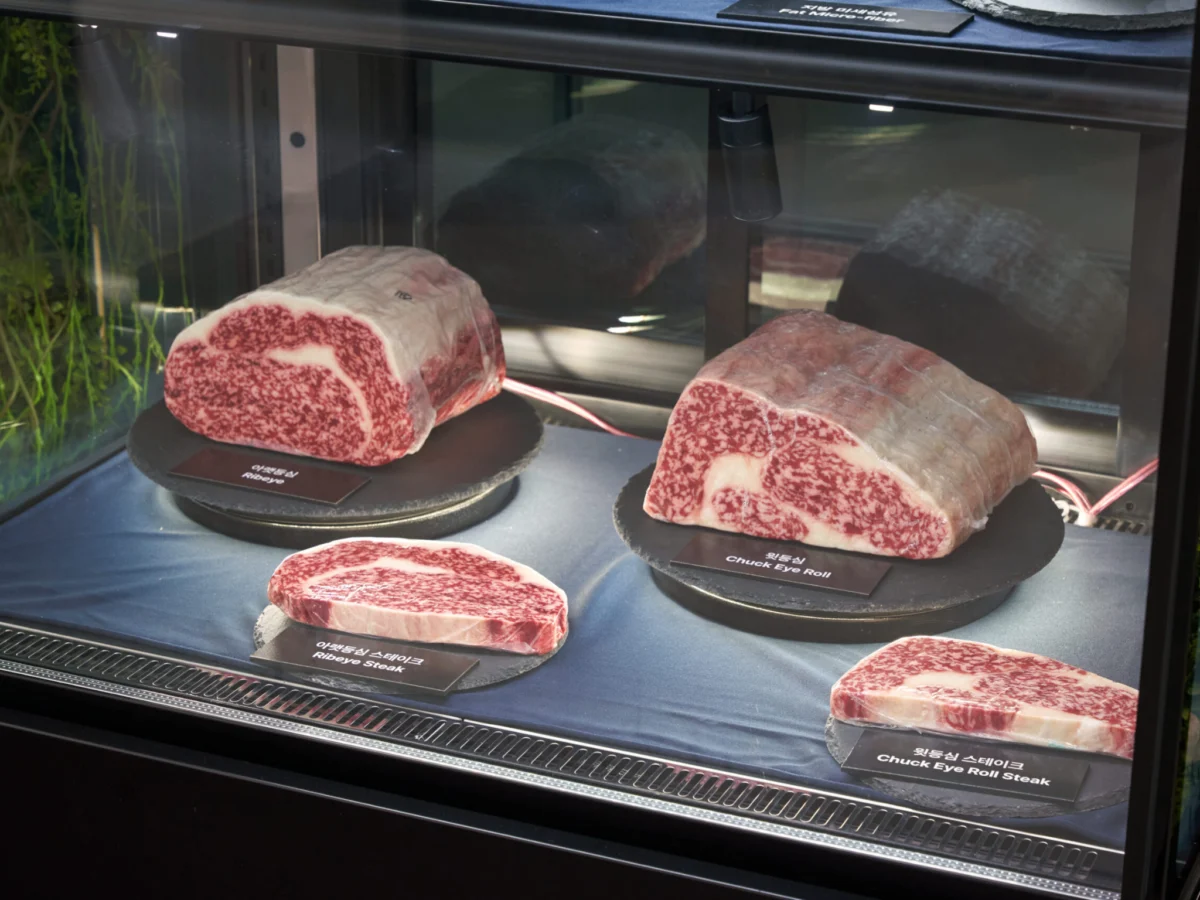
Scientists at the European Molecular Biology Laboratory (EMBL) Barcelona have achieved a significant milestone in cellular agriculture, successfully developing a method to grow self-organising bovine tissues from cultured embryonic stem cells. Published recently in Nature Communications, this advancement offers a new pathway for mimicking the intricate texture and cellular complexity of real animal muscle fibres, a hurdle that has long challenged the cultivated meat industry.
As the alternative protein sector matures, companies worldwide face intense pressure to transition from laboratory-scale experiments to commercially viable operations. While much of the industry’s early capital and research has targeted scaling manufacturing capacity and lowering input costs, consumer acceptance remains closely tied to sensory attributes—specifically, whether lab-grown alternatives can replicate the mouthfeel, texture, and taste of conventional cuts of meat. Traditional production techniques have heavily relied on adult stem cells harvested from mature cows. Although these cells can generate muscle tissue, their limited proliferative capacity and pre-determined cellular fate make it exceptionally difficult to recreate the diverse cellular ecosystem found in a natural steak.
Overcoming Structural Limitations in Cultivated Steaks
Replicating the microarchitecture of a conventional steak has historically required complex bioengineering strategies. Current manufacturing methodologies typically involve cultivating distinct cell types—such as myocytes, adipocytes, and fibroblasts—in separate vats before attempting to assemble them into a cohesive product. To achieve this structural integrity, researchers often employ advanced techniques such as 3D bioprinting purified cells combined with specialized bioinks, co-culturing cells on edible porous scaffolds, or stacking myocyte-laden hydrogel modules layer by layer.
Furthermore, these traditional approaches frequently necessitate external interventions, such as electrical or mechanical stimulation, to prompt muscle maturation and improve structural firmness. While these engineering solutions are developing at a rapid pace, they introduce significant complexity, adding numerous manufacturing steps, prolonging production timelines, and driving up operational costs.
To bypass these laborious assembly phases, the Ebisuya Group at EMBL Barcelona investigated whether cells could be encouraged to organize themselves. Led by former postdoctoral fellow Marina Sanaki-Matsumiya and former group leader Miki Ebisuya, the research team focused on embryonic stem cells rather than adult cells.
The Science of Co-Induction and Pluripotency
Unlike adult stem cells, embryonic stem cells are pluripotent, meaning they retain the remarkable capacity to differentiate into virtually any cell type in the body and can proliferate indefinitely under the right laboratory conditions. This stability and versatility provided the research team with an ideal foundational base.
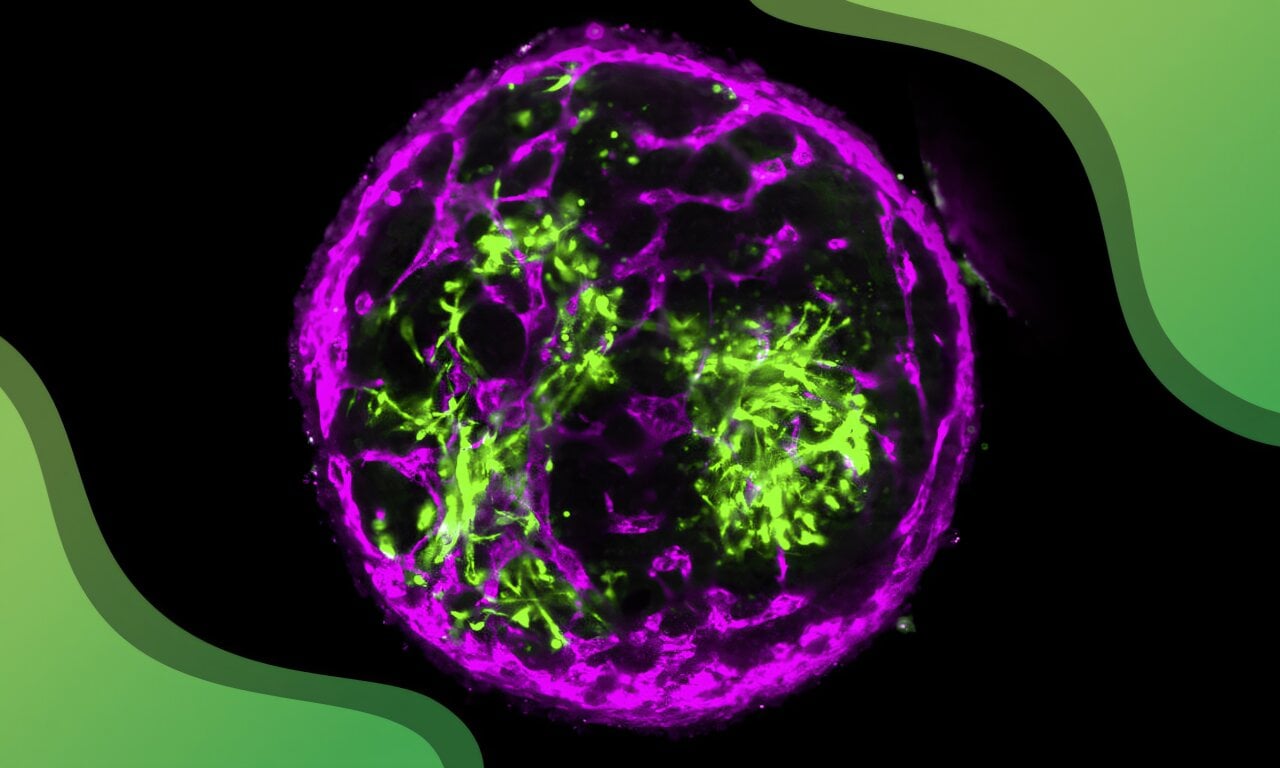
Instead of growing separate cultures, the EMBL researchers utilized a serum-free, co-induction protocol designed to simultaneously stimulate the development of three critical components of mammalian muscle tissue: skeletal muscle cells, neurons, and endothelial cells. Over a period of just 15 days, these cells spontaneously organized themselves into three-dimensional, tissue-like aggregates measuring approximately 0.6 millimeters in diameter.
Crucially, this self-assembly occurred without the aid of complex external scaffolds or manual stacking techniques. The spontaneous formation of endothelial cells—the foundational building blocks of blood vessels—marked a particularly vital breakthrough. In living biological systems, capillary and vascular networks are indispensable for delivering essential oxygen and nutrients deep into the tissue matrix, allowing the structure to grow larger and remain healthy.
Although the vascular networks observed in this proof-of-concept study remain primitive and microscopic, they represent an essential foundational step toward cultivating thicker, more complex tissue masses. Within each 3D aggregate, muscle fibres formed in close coordination with endothelial networks and spinal neurons that actively interacted with the surrounding muscle cells. This confirmed that multiple interacting tissue lineages can be generated simultaneously through a unified developmental pathway.
Economic Realities and the Path to Commercialization
Despite the technical promise of self-organizing embryonic stem cells, significant commercial and scientific barriers remain before whole-cut cultivated steaks appear on supermarket shelves or restaurant menus.
The most prominent challenge is physical scale. The tissue aggregates produced in the EMBL study are currently microscopic. As Miki Ebisuya noted, scaling up the technology to produce a product that physically resembles a traditional steak will require engineering much larger tissue masses capable of supporting dense, mature vascular networks that can sustain continuous growth without cellular necrosis at the core.
Beyond scaling the physical dimensions of the meat, economic feasibility remains a critical stumbling block. The reagents, growth factors, and cell culture media required to maintain and direct the differentiation of embryonic stem cells are exceptionally costly. For cultivated meat to achieve price parity with conventional animal agriculture, substantial reductions in input costs will be mandatory. Industry analysts emphasize that widespread commercialization will depend heavily on either the mass production of these specialized media components or the successful discovery of inexpensive, plant-based alternatives that can replace animal-derived serums and expensive growth factors.
Broader Implications Beyond the Plate
While the primary driver of this research is the advancement of cellular agriculture, the implications of the EMBL Barcelona study extend far beyond the food technology sector. Biologists and medical researchers note that the co-induced tissue model provides an exceptional, highly controllable platform for studying fundamental muscle development and pathology.
Because the system naturally incorporates multiple interacting cell types—including nerves and blood vessels—it offers a sophisticated model for investigating neuromuscular interactions and tissue engineering applications that are difficult to replicate using simpler, single-cell cultures. This dual utility could attract additional research funding from both biomedical and agricultural sectors, accelerating the refinement of the technology.
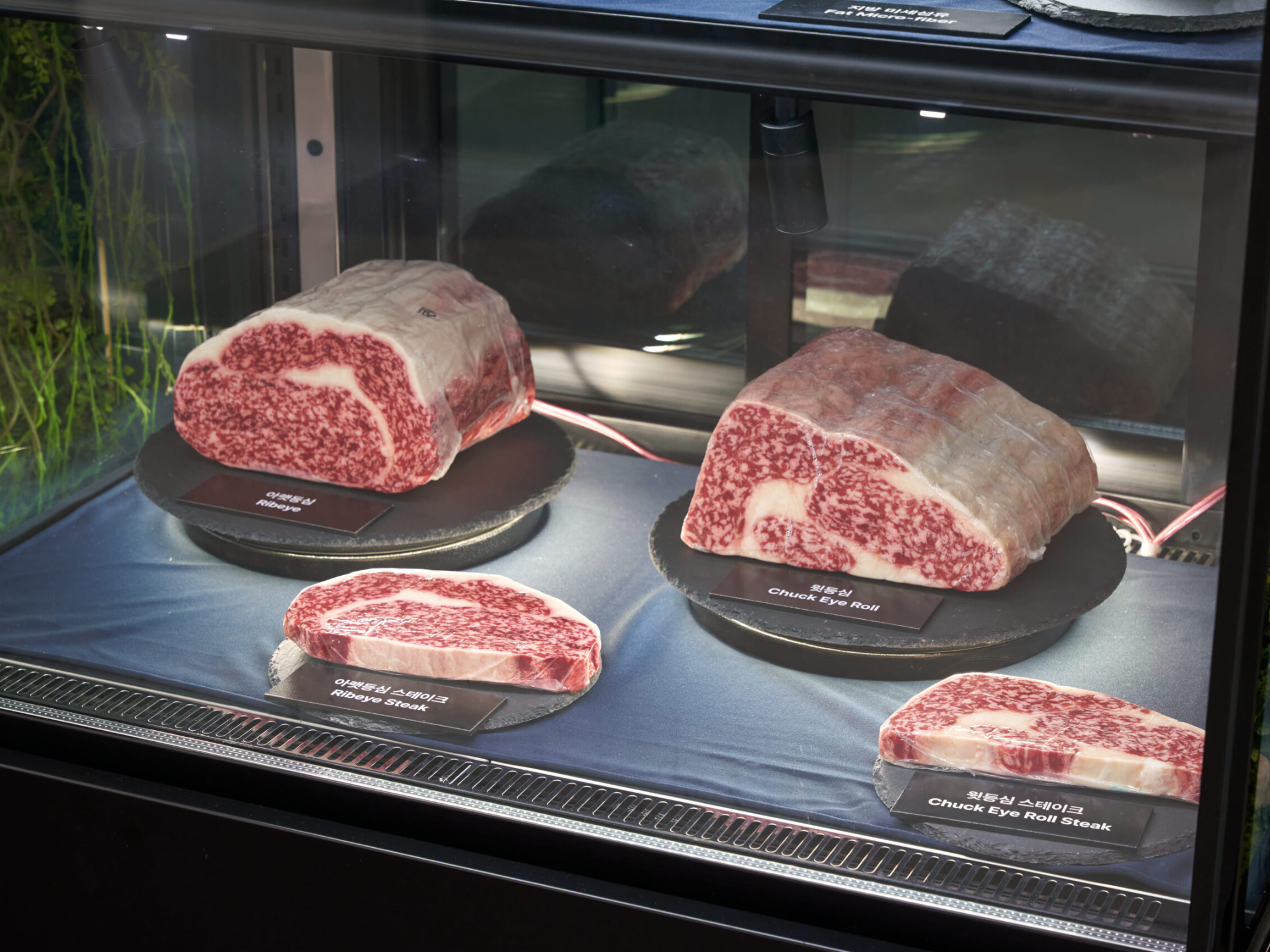
Looking forward, the EMBL team envisions their self-organizing approach working in tandem with, rather than completely replacing, existing bioengineering techniques. For instance, co-induced cells could be blended directly with specialized bioinks for rapid 3D bioprinting, while pre-formed muscle aggregates featuring integrated endothelial networks could serve as modular building blocks for more complex tissue assembly.
As regulatory frameworks around the world gradually evolve to accommodate cell-based foods, innovations that bridge the gap between biological realism and manufacturing efficiency will dictate the pace of the industry’s growth. By harnessing the natural developmental programs of embryonic stem cells, researchers have opened a compelling new chapter in the quest to produce sustainable, ethical, and texturally convincing alternatives to conventional meat.
