
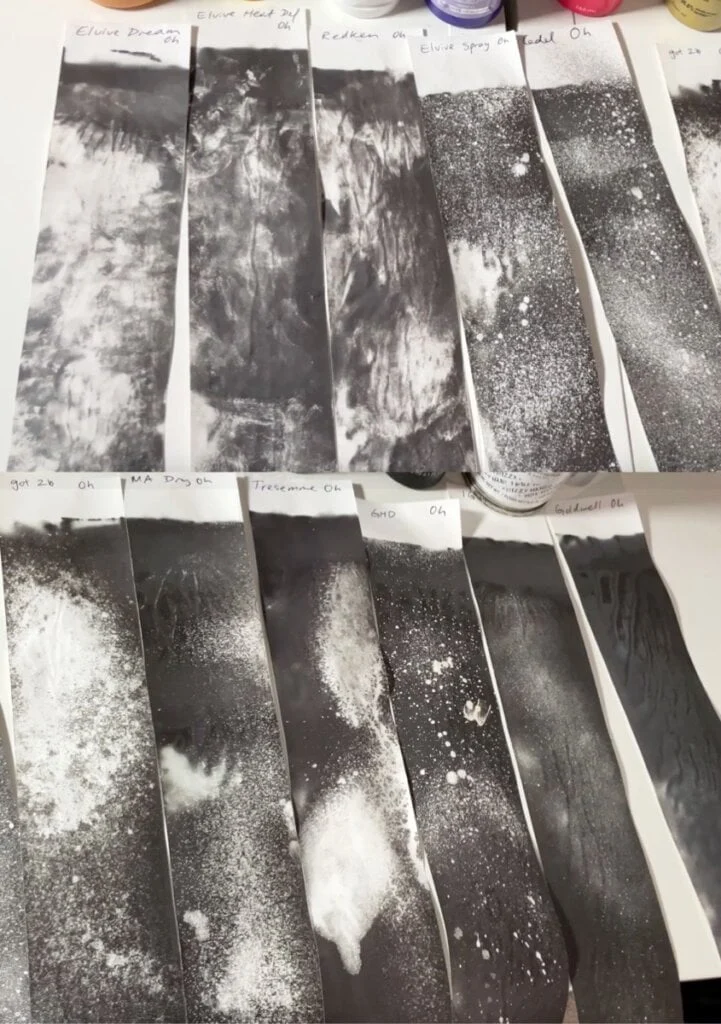
A pervasive trend on social media platforms, particularly TikTok, has seen beauty enthusiasts and influencers employing an unconventional method to assess the efficacy of hair heat protectants: the thermal receipt paper test. This viral phenomenon involves spraying a heat protectant onto a thermal paper receipt, then applying a flat iron hair straightener to the treated area. The underlying premise suggests that receipts remaining white indicate superior heat protection, while those turning black signify insufficient defense against thermal damage. However, a rigorous scientific investigation conducted by Dr. Michelle Wong of Lab Muffin Beauty Science has thoroughly debunked this popular "hack," revealing that the test’s results are misleading and bear no genuine correlation to a product’s ability to protect human hair.
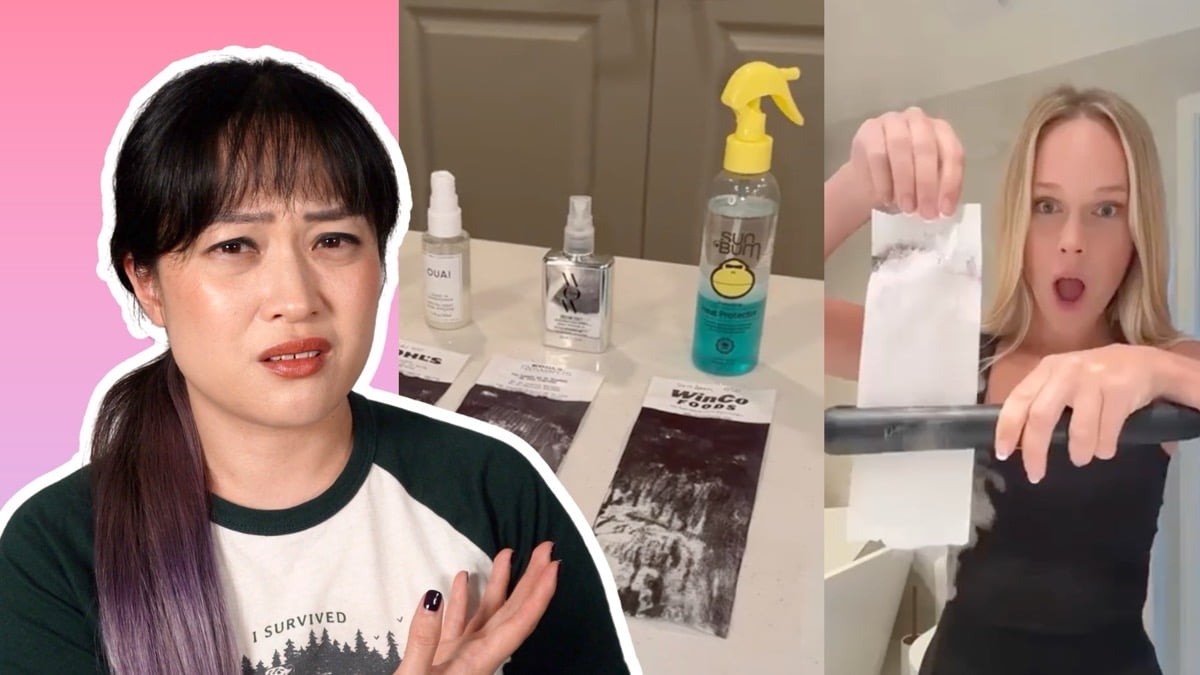
The Rise of a Viral Beauty "Hack"
The digital age has ushered in an era of democratized beauty advice, often delivered through short-form video content on platforms like TikTok. Consumers, increasingly seeking tangible proof of product performance, gravitate towards visually compelling demonstrations. The thermal receipt test gained significant traction due to its apparent simplicity and immediate visual feedback. Influencers, such as cosmetologist Lucy Seitz, systematically demonstrated the test, often noting straightener temperatures (e.g., 340 °F or 170 °C) and including controls, lending an air of scientific legitimacy to the proceedings. The test quickly became a benchmark for many consumers attempting to navigate the crowded market of heat protectant products, leading to widespread misinterpretations of product effectiveness. The appeal lay in its promise of an "at-home lab" experience, allowing individuals to ostensibly verify product claims without specialized equipment. This desire for quick, accessible validation often bypasses the complexities of actual scientific methodology.
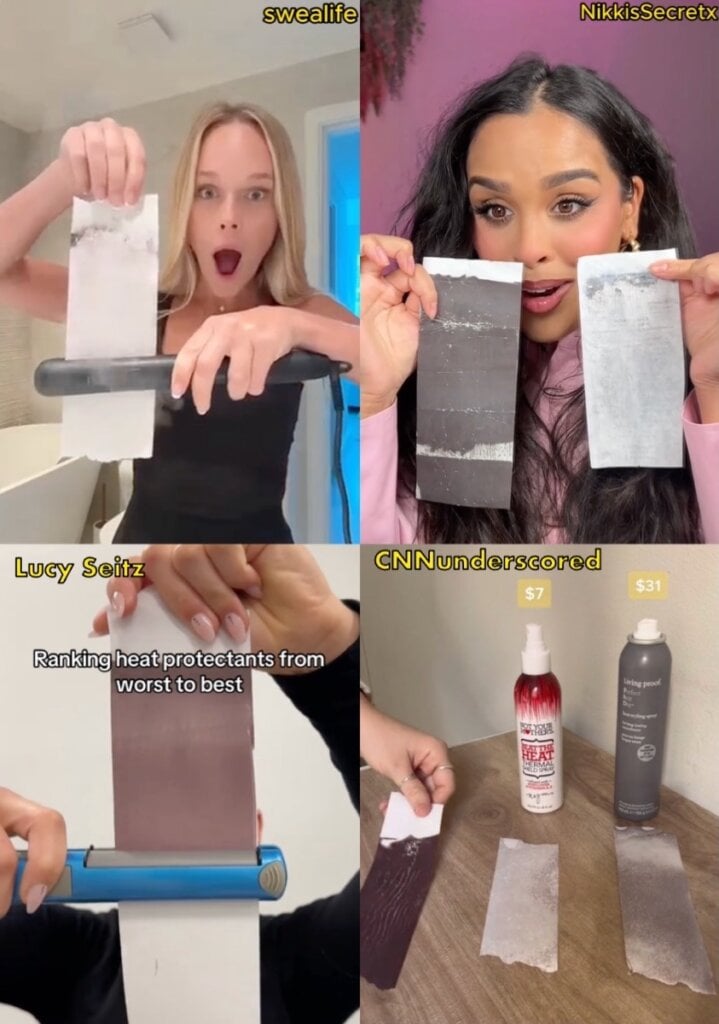
Deconstructing the "Receipt Test" Methodology
The core of the viral test relies on the inherent property of thermal paper, which contains a dye and a developer that react and turn black when exposed to sufficient heat. The popular narrative posited that a heat protectant, if effective, would insulate the receipt from the flat iron’s heat, preventing the chemical reaction and thus keeping the paper white. Conversely, a product that failed to prevent the paper from darkening was deemed ineffective. Initial observations by proponents of the test often highlighted varying degrees of blackening, leading to a ranking of heat protectants from "best" (whitest) to "worst" (blackest). This seemingly straightforward cause-and-effect relationship resonated with a public eager for clear-cut answers in an often-opaque beauty industry.
The Scientist’s Inquiry Begins: Initial Replications and Anomalies
Dr. Michelle Wong, a cosmetic chemist and science communicator known for her evidence-based approach to beauty, initiated her investigation to scrutinize the scientific validity of this viral test. Her initial experiments aimed to replicate the conditions observed in popular videos, using a range of heat protectant formulas, including pump sprays, propellant sprays, and creams. A key early observation, echoing comments made on influencer videos, was the presence of residual moisture on some receipts, even after attempts at drying. Dr. Wong noted that when the Marc Anthony spray was applied and immediately subjected to a flat iron set at 170 °C, the receipt crackled and smoked, indicating significant moisture.
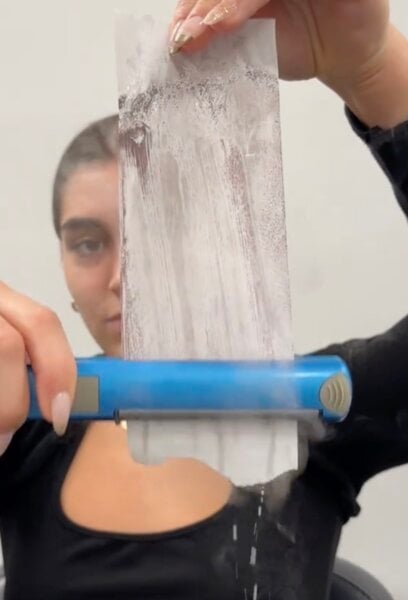
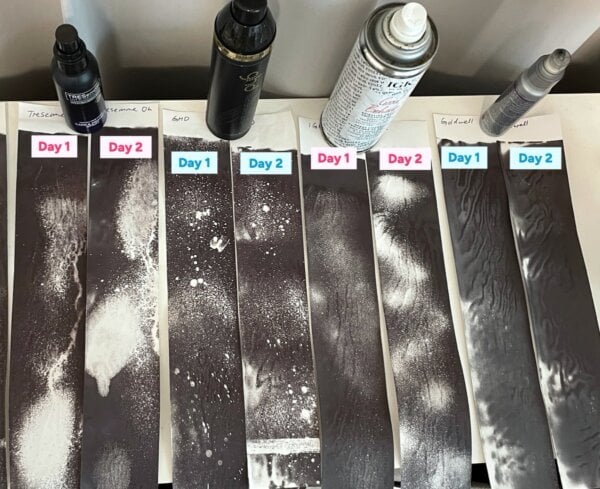
This led to the first critical insight: the drying time of the product on the receipt significantly impacted the outcome. Receipts tested immediately after application showed different results compared to those allowed 15 minutes to dry. Furthermore, cream products consistently resulted in lighter receipts than many sprays. This suggested that the sheer volume of product and its inherent moisture content might be playing a more significant role than any purported heat-blocking properties. Water, with its high specific heat capacity and latent heat of vaporization, is exceptionally efficient at absorbing and dissipating thermal energy through evaporation. This cooling effect could easily mask the actual heat transfer to the thermal paper’s reactive layer, giving a false positive for "protection."
Water Tests: Confirming the Cooling Effect
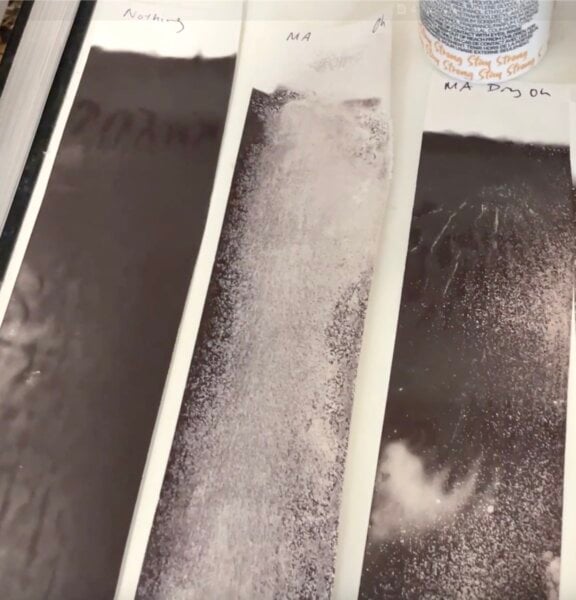
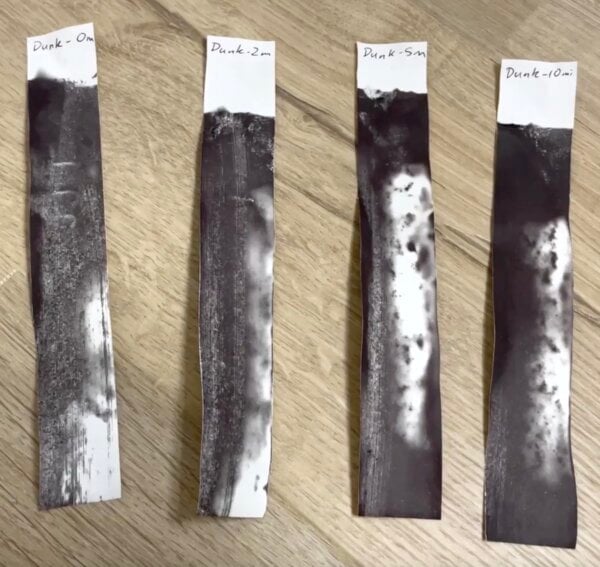
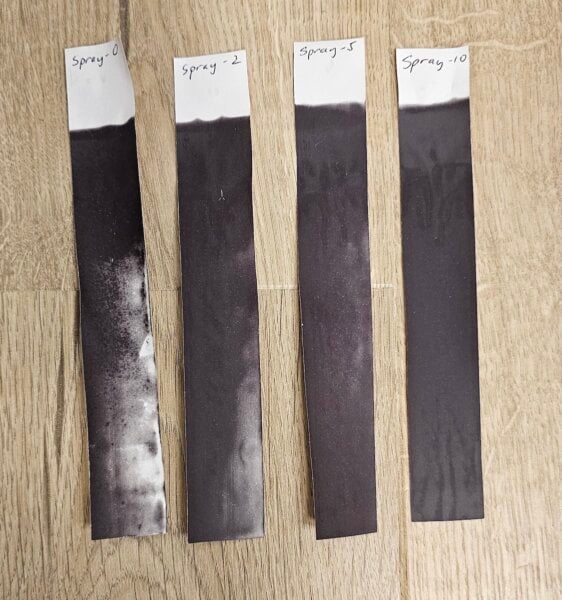
To isolate the influence of water, Dr. Wong conducted a series of dedicated water tests. Receipts were either fully dunked in water or sprayed with water, then subjected to the flat iron at 170 °C after varying drying times (0, 2, 5, and 10 minutes). The results clearly demonstrated water’s cooling power: dunked receipts remained largely white across all drying times. Sprayed receipts, while showing some darkening over time as the water evaporated, still exhibited significant whitening when wet. This confirmed that residual moisture, whether from the product’s base (many heat protectants are water-based) or from the application method, was a primary factor in the test’s outcome.
However, this revelation also highlighted a fundamental flaw: water is not a good heat protectant for hair. In fact, applying hot tools to wet hair can cause severe damage, including the phenomenon known as "bubble hair," where steam rapidly expands within the hair shaft, creating structural weaknesses. Therefore, a test that rewards water content as "protection" is fundamentally misguided for hair care applications.
A Crucial Scientific Complication: Thermal Paper’s True Nature
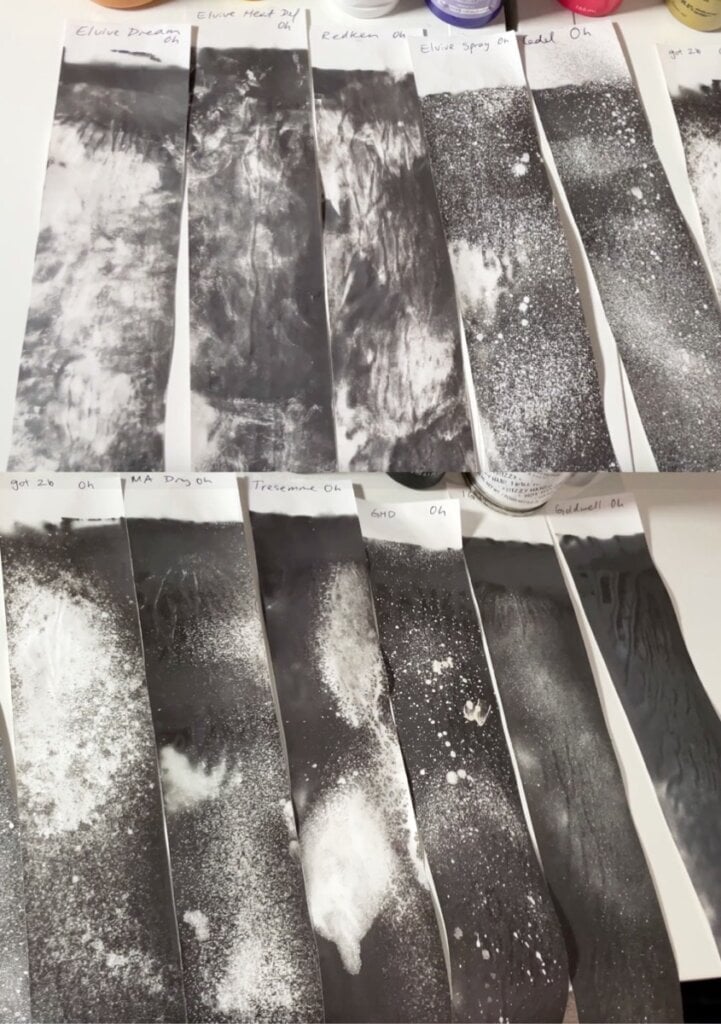
The investigation took an unexpected turn when Dr. Wong delved into the specifics of thermal paper’s chemistry. Initial searches for thermal paper activation temperatures yielded conflicting results, with some sources citing temperatures as high as 150-185 °C (similar to hair straighteners) and others indicating a much lower range. A deeper dive, including a German Wikipedia article and a referenced scientific paper, revealed that thermal paper typically begins to develop color between 60 to 100 °C (140-212 °F) and reaches applicable density between 70 and 120 °C (158-248 °F).
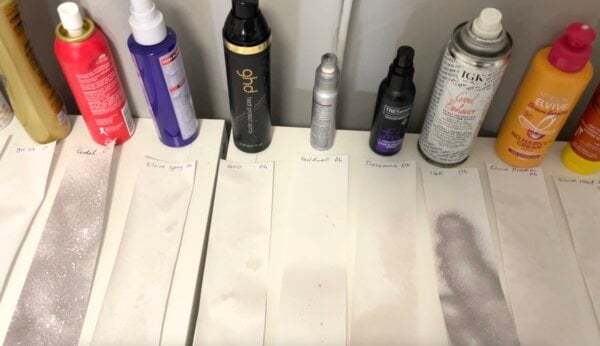
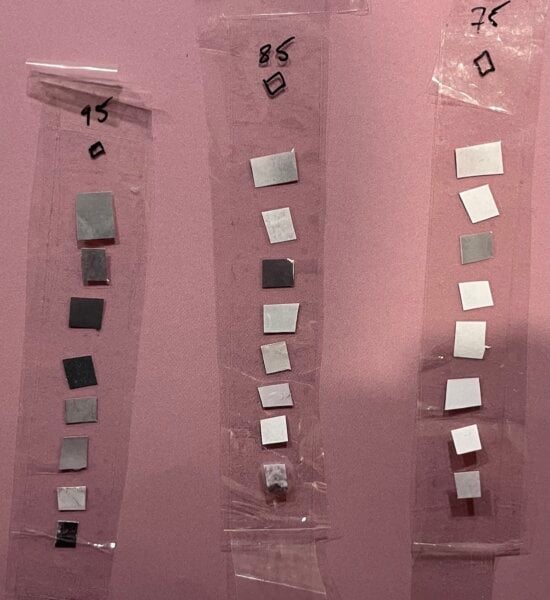
This discrepancy was critical. If thermal paper reacted at temperatures significantly below the threshold for hair damage (approximately 100 °C for initial damage, and much higher for severe structural changes), then the entire premise of the test collapsed. To verify, Dr. Wong immersed various receipts in water baths cooled to different temperatures. Her findings confirmed that most receipts turned black around 95 °C. While this temperature aligns more closely with the threshold for hair damage, it still didn’t fully explain all the observed phenomena, particularly the inconsistent results and the long-term whitening effects seen in some products.
Unveiling the True Mechanism: Solvents and Surfactants
The previous hypothesis regarding residual water, while partially explaining immediate results, failed to account for several anomalies:
- Receipts treated with certain products often turned grey before heating.
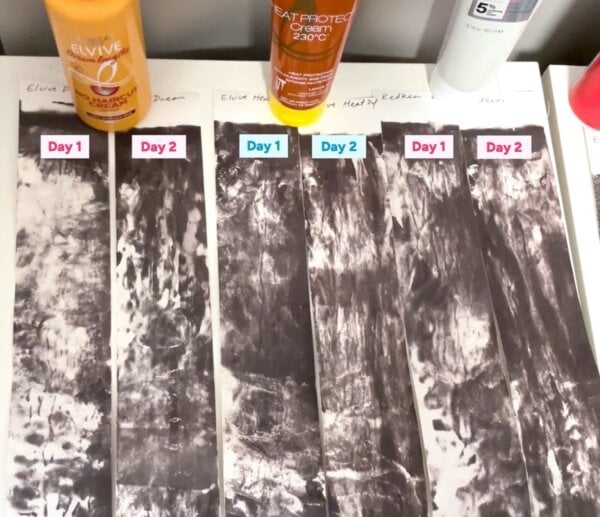
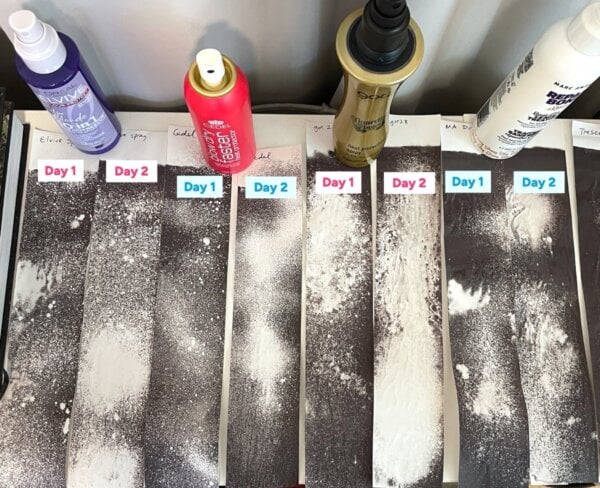
- Some spray products appeared even lighter on Day 2 (after 24 hours of drying) than on Day 1 (after 15 minutes).
- Cream products, despite being thicker, showed variable results.
- Certain "working" products (those keeping receipts white) contained little water.
Revisiting the grey receipts, Dr. Wong realized that some products were not just preventing color change but actively erasing or preventing the formation of the ink. This led to a new, more robust hypothesis: heat protectants that "work" in this test do so by dissolving the ink layer on the receipt.
Thermal paper consists of multiple invisible chemical components (dye, developer, sensitizer) suspended in a binder (often a waxy solvent). When heated, the binder melts, allowing the chemicals to mix and react, forming the visible black pigment. If this delicate ink layer is disrupted by a solvent, the reaction cannot occur correctly, or the formed ink can be dissolved away.
Confirmatory Experiments and Chemical Interactions
To validate this new hypothesis, Dr. Wong conducted a series of confirmatory tests using common solvents and cleaning agents:
- Alcohol, Water, Glycerin Mixtures: Pure alcohol (methylated spirits) kept receipts light. Diluted alcohol, particularly with humectants like glycerin (which slow evaporation), made receipts even whiter. This is because alcohol is a powerful solvent. The combination of alcohol and humectants prolongs the solvent’s contact time, allowing it to disrupt the ink layer more effectively. This explained why some sprays showed improved "protection" on Day 2; the solvent had more time to interact with the ink layer.
- Water and Glycerin Alone: These had minimal impact on the ink, as the thermal paper’s ink components are typically oily and not easily dissolved by hydrophilic substances like water and glycerin.
- Other Alcohol-Containing Products: Perfume, rich in alcohol, immediately turned receipts grey and kept them white after heating. Dry shampoo, also containing alcohol but fewer humectants, caused immediate greying but less sustained whitening, consistent with quicker solvent evaporation.
- Surfactants: Many heat protectants, even those without high alcohol content, contain surfactants (emulsifiers). These compounds are designed to dissolve oily substances. Tests with micellar water and detergent solution demonstrated that surfactants effectively kept receipts white by disrupting the ink layer.
- Cream Products: Moisturizing creams and cream sprays, which invariably contain emulsifying surfactants, also kept receipts white. The act of rubbing creams onto the receipt further facilitated the disruption of the ink layer.
- Volatile Silicones: A two-phase eye makeup remover, primarily composed of cyclopentasiloxane (a volatile silicone), had minimal impact. This is likely due to its highly oily nature (not a strong solvent for the ink components) and rapid evaporation. This explained why some silicone-based heat protectants might "fail" the receipt test.
- Propellants: Testing compressed air (a common propellant like HFC-152a) showed no effect on the receipts, ruling out the propellant itself as a disruptive agent.
- Ink Erasing: Crucially, Dr. Wong demonstrated that once the thermal paper had turned black, substances like alcohol, perfume, sunscreen, micellar water, and moisturizer could erase the black ink, further cementing the hypothesis that these products interfere with or dissolve the ink components.
These comprehensive tests unequivocally demonstrated that the "effectiveness" of a heat protectant in the viral receipt test is not a measure of its ability to protect hair from heat. Instead, it is a measure of the product’s solvent properties (due to alcohol or surfactants) and, to a lesser extent, its water content providing evaporative cooling.
The Perils of Misinformation in Beauty Science
The debunking of the viral receipt test carries significant implications for consumer education and the beauty industry. Misinformation, especially when presented in a visually convincing manner, can lead consumers to make poor purchasing decisions, potentially choosing products that are ineffective or even harmful to their hair. Relying on such unscientific "hacks" undermines the rigorous research and development conducted by legitimate beauty brands and scientific bodies. The danger extends beyond wasted money; using hot tools without adequate protection, or relying on a product falsely validated by a flawed test, can lead to irreversible hair damage, including dryness, breakage, and loss of integrity.
Understanding Real Heat Protection for Hair
True heat protectants for hair function through sophisticated mechanisms that cannot be replicated by thermal paper. They do not "block" heat entirely, as heat is necessary to achieve styling. Instead, effective heat protectants typically:
- Distribute Heat Evenly: Ingredients like silicones (e.g., dimethicone, cyclomethicone) and polymers form a thin, smooth film on the hair shaft. This film helps to spread the heat more uniformly across the hair surface, preventing localized "hot spots" that can cause severe damage.
- Reduce Friction: The smooth film also reduces friction between the hair and hot tools, minimizing mechanical damage like snagging, pulling, and cuticle lifting.
- Act as Thermal Buffers: Some ingredients, like hydrolysed proteins (e.g., wheat protein, keratin), can absorb a portion of the heat, acting as sacrificial buffers that denature before the hair’s natural proteins.
- Maintain Moisture Balance: Certain humectants and emollients can help prevent excessive moisture loss from the hair during heat styling, keeping the hair more pliable and less prone to brittleness.
Expert Recommendations for Consumers
Given the unreliability of viral "hacks," consumers are advised to rely on scientifically validated information and trusted sources. When selecting a heat protectant:

- Look for Scientific Claims: Check product packaging for specific claims such as "instrumental test," "protects up to [specific temperature]," or "reduces breakage by X% vs. non-conditioning shampoo." These claims often indicate that the product has undergone professional, controlled testing on actual hair.
- Identify Key Ingredients: Effective heat protectants commonly feature silicones (e.g., amodimethicone, dimethicone, cyclopentasiloxane), polymers (e.g., polyquaternium-11), and hydrolyzed proteins.
- Ensure Hair is Dry: If a heat protectant is water-based, allow the hair to completely air dry or blow dry before using a flat iron or curling iron. Applying hot tools to wet hair can cause significant damage.
- Consider Application Method: Sprays provide a lighter, more even application, while creams may offer more intense conditioning and protection for thicker or coarser hair. Ensure even distribution, regardless of the format.
- Consult Reputable Sources: Seek advice from cosmetic chemists, trichologists, and well-regarded beauty science communicators who base their recommendations on peer-reviewed research and industry standards.
In conclusion, Dr. Michelle Wong’s meticulous investigation unequivocally demonstrates that the viral thermal receipt test for heat protectants is a deceptive and unscientific method. The results observed are artifacts of the products’ solvent properties and water content, rather than any genuine indication of hair protection. For consumers, the takeaway is clear: trust in rigorous scientific testing and established cosmetic chemistry, not visually compelling but ultimately misleading social media trends, to safeguard hair health.
