
The market for at-home cosmetic technology continues to expand rapidly as consumers seek professional-grade dermatological treatments within residential settings. Among the latest developments in light-emitting diode (LED) therapy is the Ulike ReGlow LED mask, a device designed to deliver targeted light wavelengths for various skin conditions. Developed by Ulike, a company with over a decade of manufacturing experience in home intense pulsed light (IPL) hair removal devices, the ReGlow mask incorporates a multi-wavelength approach and specialized ergonomic features to address common challenges associated with consistent light therapy use.
The foundation of LED light therapy lies in photobiomodulation, a biological process where specific light wavelengths stimulate cellular function. The Ulike ReGlow device utilizes four distinct LED wavelengths—red, infrared, blue, and yellow—each engineered to interact with the skin at varying depths and target specific dermatological concerns.
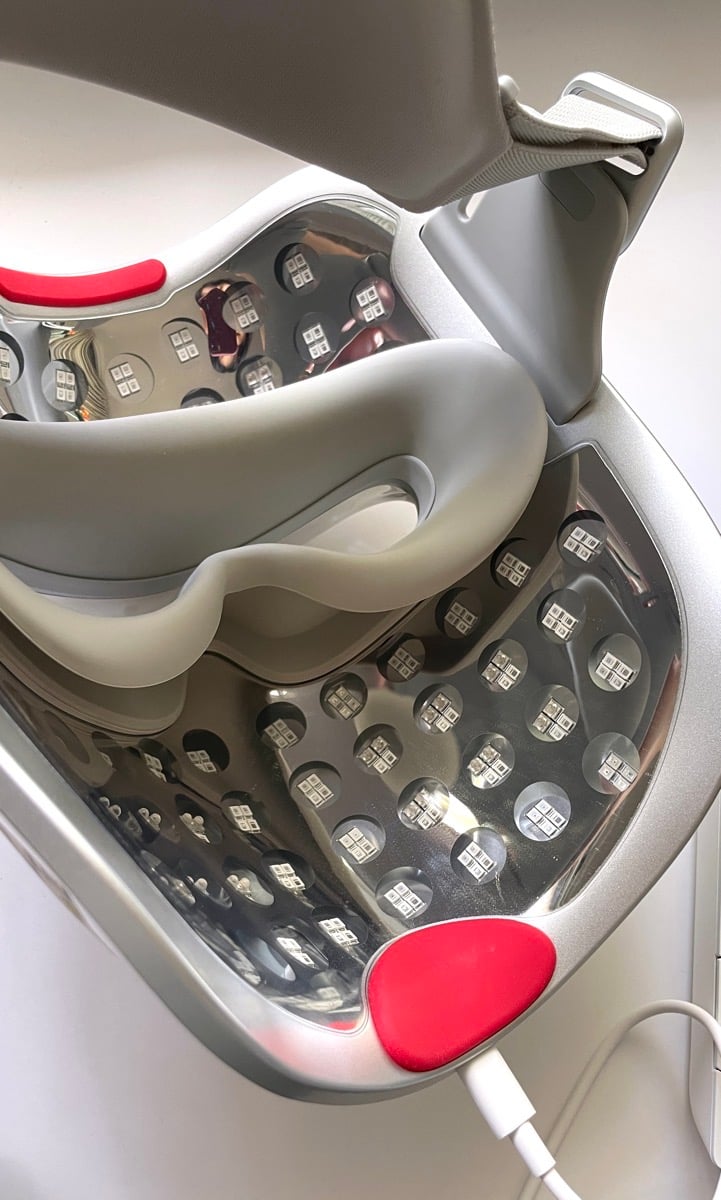
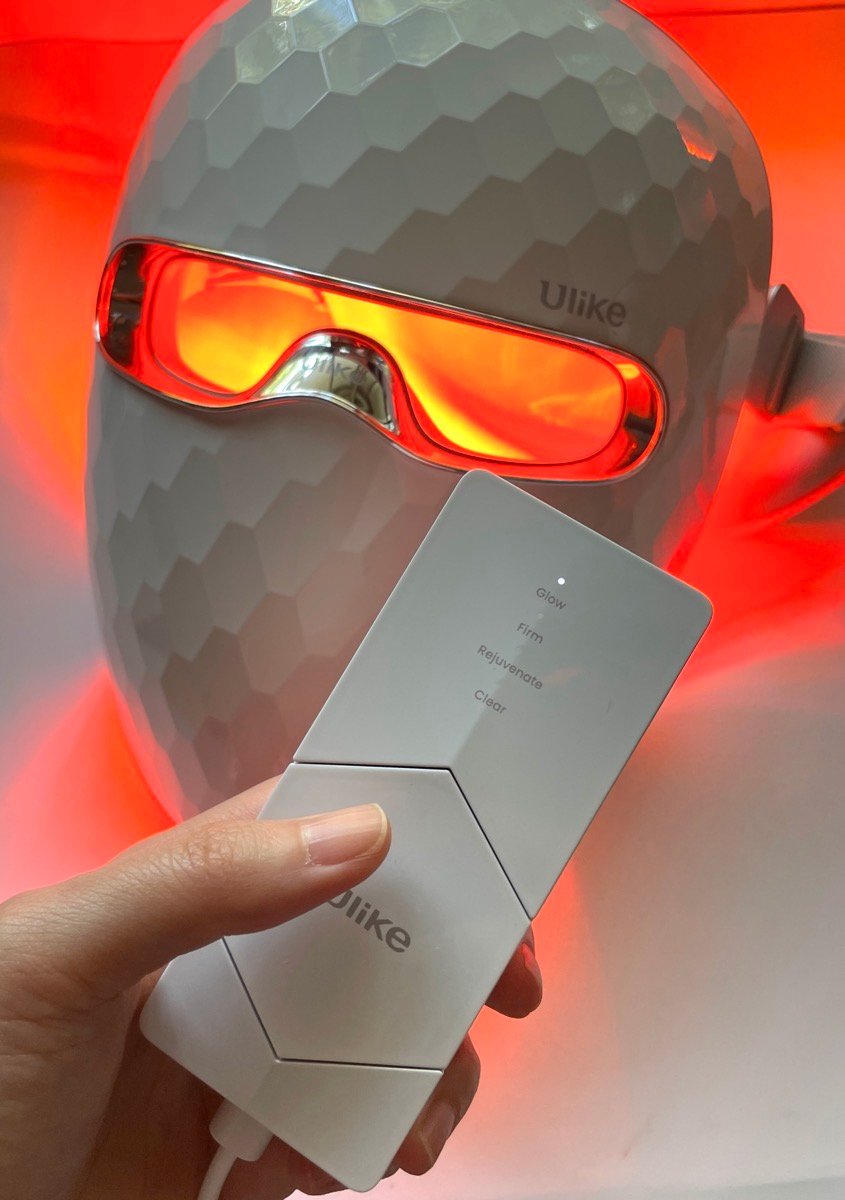
Technical specifications of the device reveal a total of 272 individual LEDs arranged uniformly across 68 distinct treatment spots. To optimize light delivery, the interior of the mask features a mirrored surface backing behind each LED cluster as well as the intervening spaces. According to manufacturer data, this reflective engineering is designed to enhance light irradiance by approximately 77.4 percent compared to non-reflective interiors, maximizing the therapeutic photons reaching the dermal layers.
Wavelength Analysis and Functional Modes
Scientific evaluation of LED masks generally prioritizes red and near-infrared wavelengths due to their extensive clinical documentation. The Ulike ReGlow incorporates standard red (630 nm) and infrared (830 nm) wavelengths, which are recognized for their ability to penetrate the dermis. These wavelengths encourage cellular repair, stimulate collagen and elastin synthesis, and mitigate inflammatory responses.
In addition to red and infrared light, the device integrates blue (465 nm) LEDs intended for acne management and yellow (590 nm) LEDs aimed at reducing skin redness. While blue light is widely utilized for targeting acne-causing bacteria, dermatological literature notes that it carries an elevated risk of triggering hyperpigmentation in certain skin types. Conversely, yellow wavelengths possess less clinical documentation but are theorized to be absorbed efficiently by blood vessels, aiding in the reduction of superficial erythema.
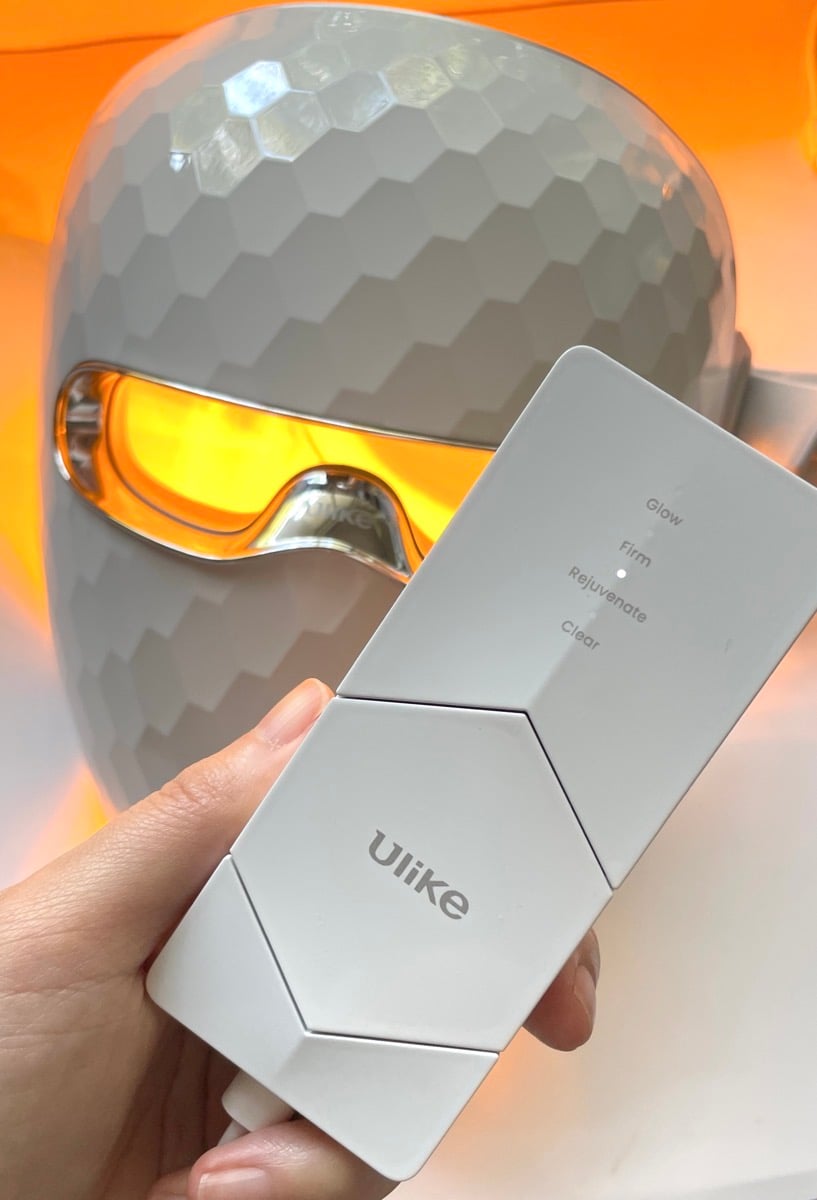
These four wavelengths are organized into four distinct operational modes: Glow, Clear, Firm, and Rejuvenate. The device is pre-programmed with automated shut-off timers to regulate exposure duration, set to five minutes for the Glow and Clear modes and eight minutes for the Firm and Rejuvenate modes. Users are advised by the manufacturer to combine a maximum of one to two modes per session, capping total daily usage at 20 minutes.
Ergonomics and User Adherence Challenges
A critical factor in the efficacy of any home-use medical or cosmetic device is patient adherence—the consistency with which the user maintains the treatment schedule. Industry experts note that many high-efficiency masks fail to deliver expected outcomes simply because cumbersome designs, uncomfortable fittings, and difficult cleaning requirements discourage regular use.
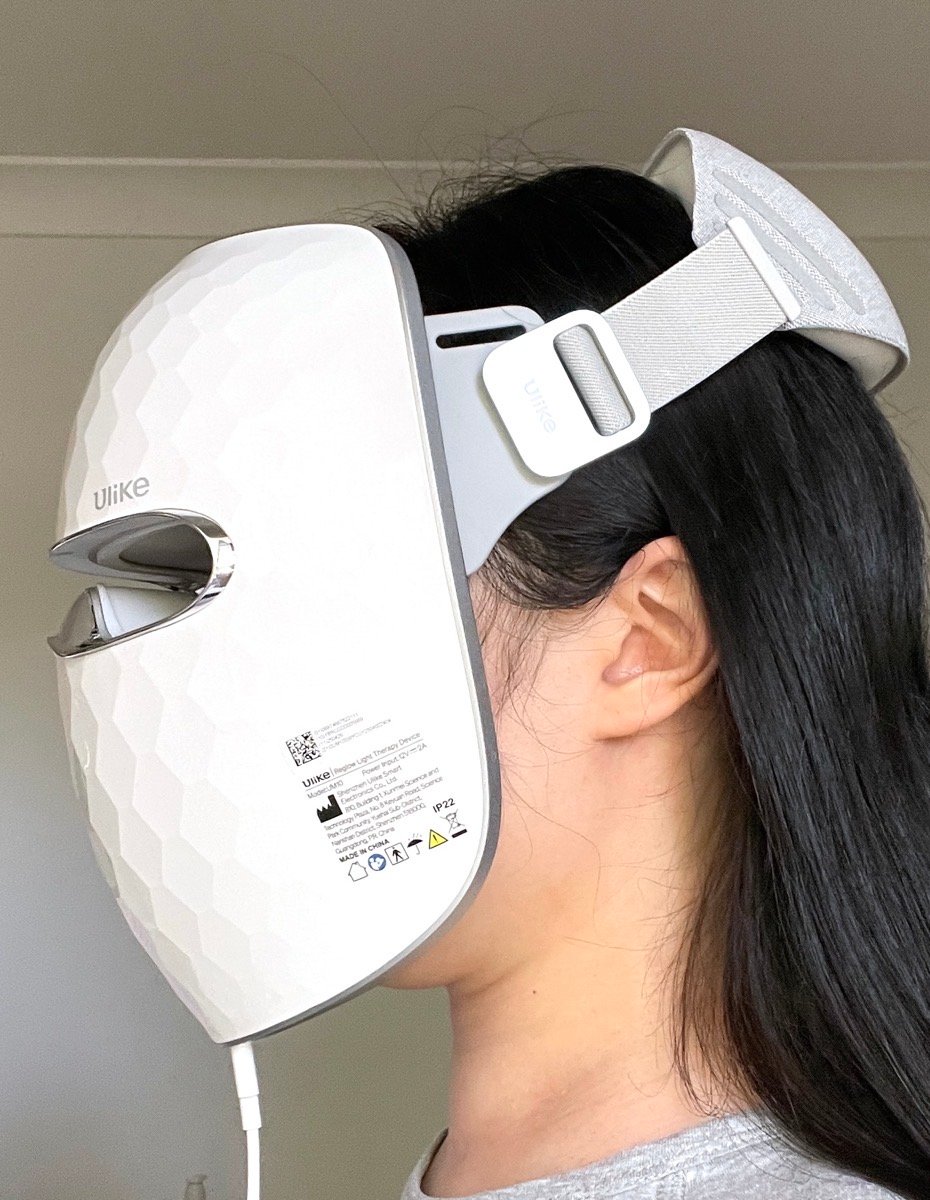
The Ulike ReGlow attempts to mitigate these barriers through structural design adaptations derived from the company’s background in handheld beauty devices. Unlike flexible silicone or fabric masks that rely on multi-point Velcro straps requiring frequent adjustment, the ReGlow utilizes a rigid structure suspended from a padded head strap. Users adjust the strap once for a custom fit, allowing the mask to be positioned or removed rapidly in subsequent sessions.
Furthermore, the mask incorporates a built-in eye shield that maintains a fixed distance of approximately one centimeter between the light sources and the facial skin. This structural standoff eliminates the risk of excessive pressure against the skin—a common issue with overly tightened flexible masks that can occasionally cause localized post-inflammatory hyperpigmentation. The rigid housing also removes the necessity of wiping down the interior surface after every application to prevent contact-induced breakouts, though it reduces direct skin contact.
Clinical Testing and Empirical Observations
To substantiate its claims regarding efficacy, Ulike commissioned independent laboratory testing through SGS Guangzhou, evaluating the mask across two distinct demographic cohorts under controlled study conditions.
The first clinical trial involved 32 Asian women aged 32 to 45 over a 28-day period. Participants underwent treatments six times per week, utilizing the Glow and Firm modes for ten minutes per session. Independent measurements tracked parameters including skin elasticity, hydration, and wrinkle depth. A secondary study evaluated 34 Asian women with self-reported sensitive skin, aged 21 to 35, over the same 28-day duration, utilizing the Rejuvenate and Clear modes for ten minutes daily, six times a week.
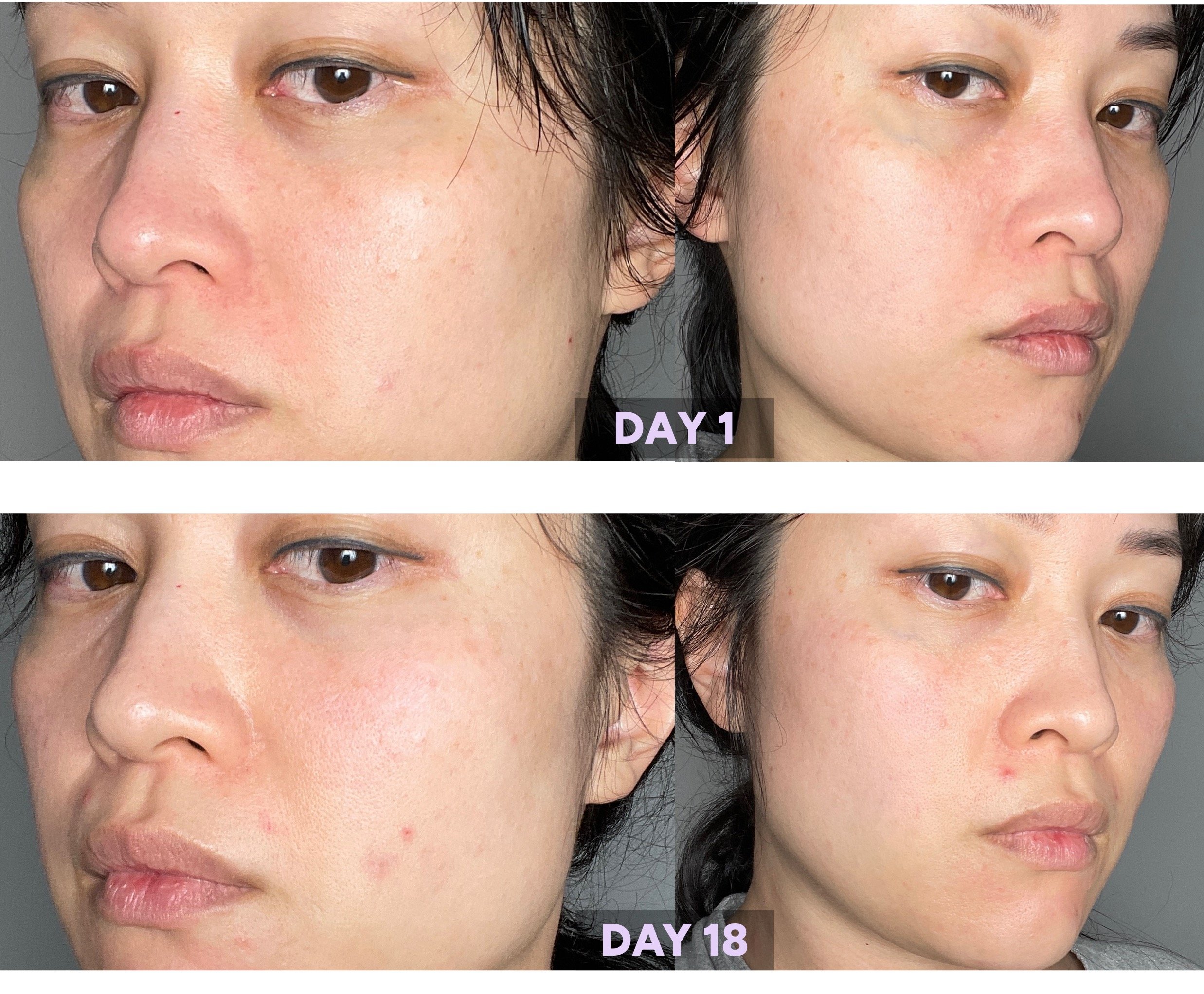
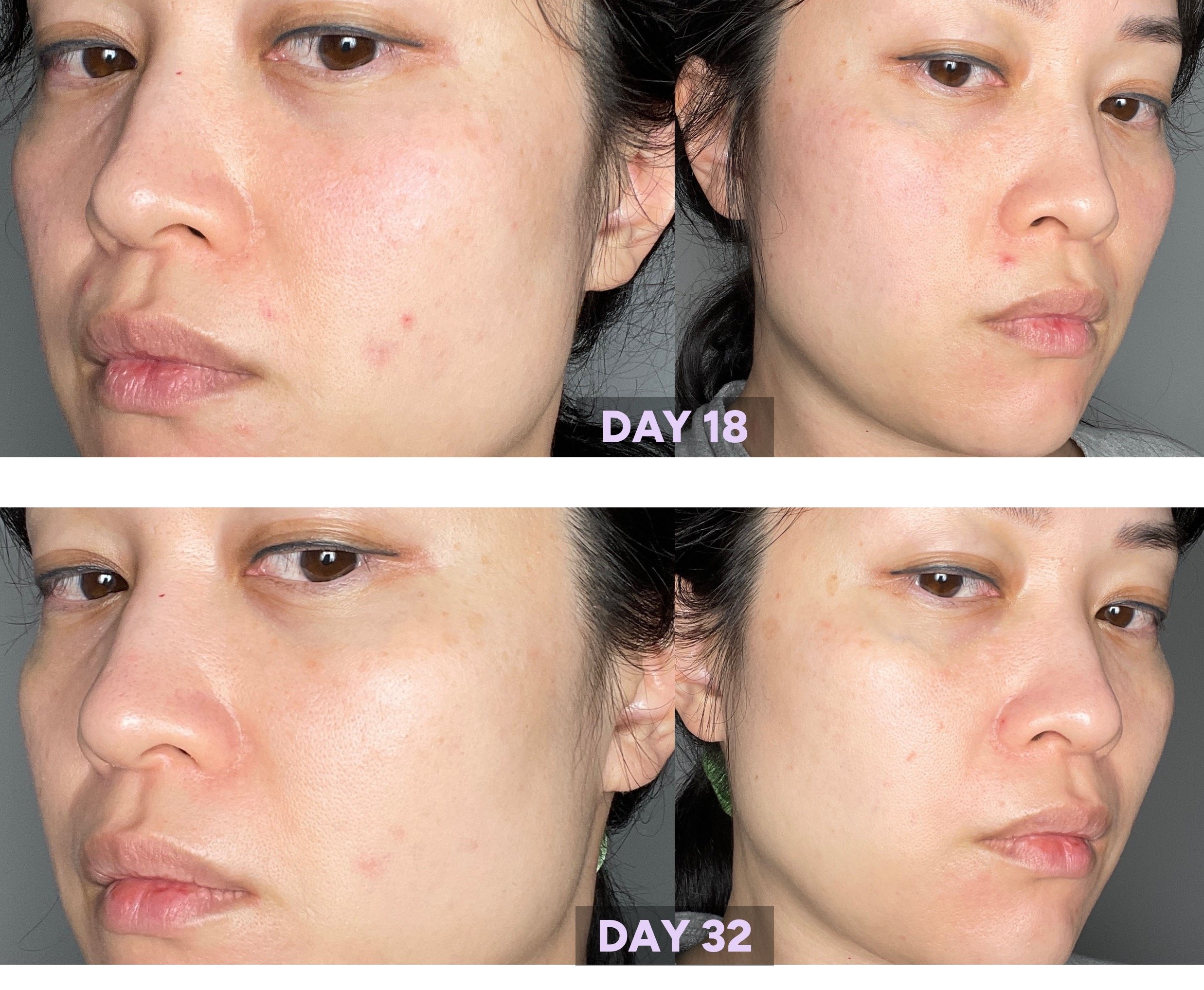
Aggregated consumer perception data reported from these trials indicated high satisfaction rates among participants. Approximately 97 percent of surveyed users reported visible improvements, including the reduction of forehead fine lines, fading of acne blemishes, overall smoothing of skin texture, and a decrease in visible facial redness. Additionally, objective dermatological evaluations during the trials noted reductions in melanin concentration among specific cohorts following the use of the blue-light-integrated Clear mode.
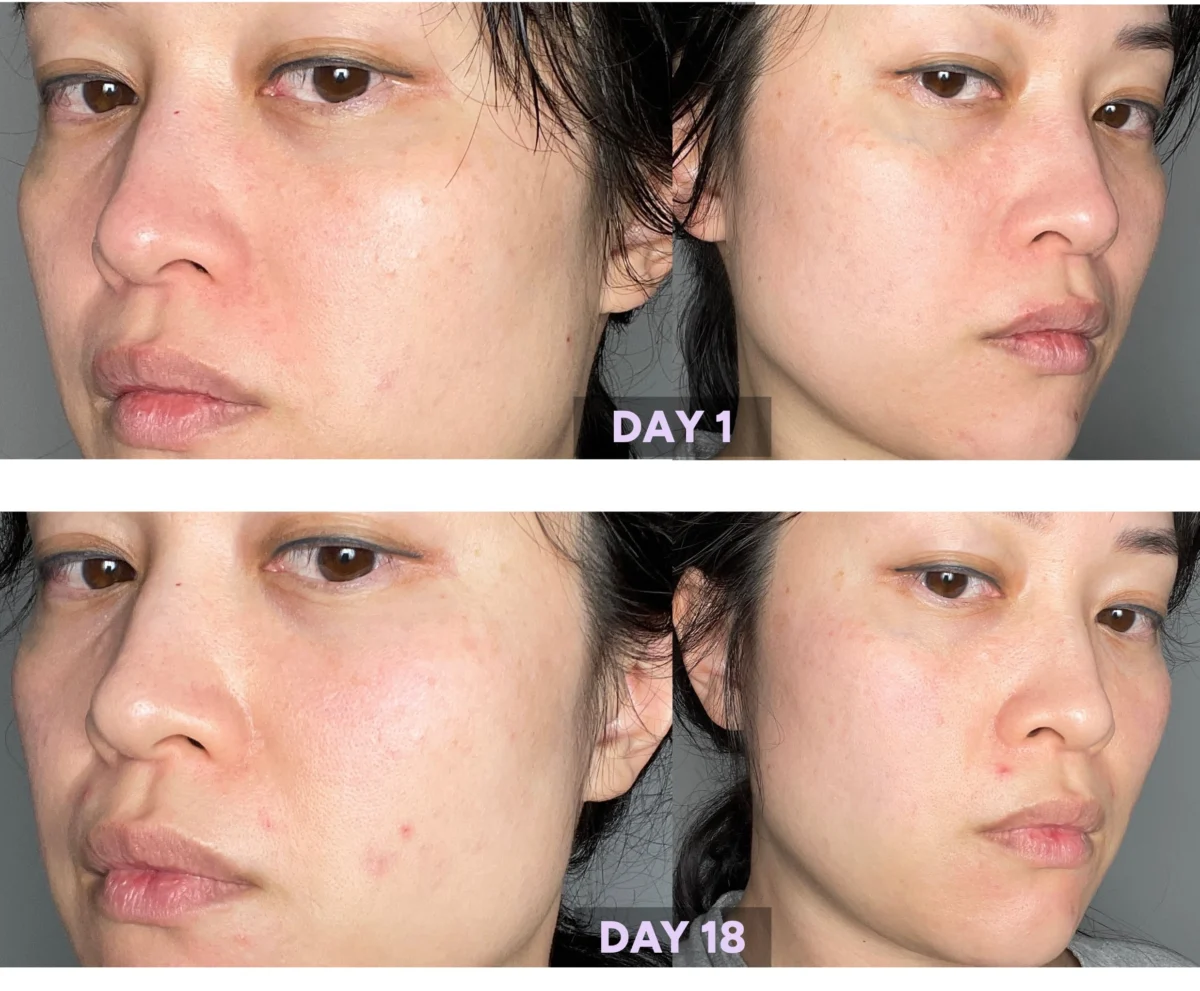
Independent product evaluations mirroring these timelines have noted visible reductions in localized erythema, particularly around the nasal region, within a four-week period of consistent application. Observers emphasize that while clinical trial conditions often reflect optimal usage parameters, real-world results heavily depend on adherence to the prescribed frequency of treatments.
Market Implications and Industry Context
The introduction of advanced multi-wavelength LED masks reflects a broader shift toward home-based maintenance therapies that complement or bridge in-office dermatological procedures. As consumer awareness of photobiomodulation grows, manufacturers are increasingly pressed to provide transparent data regarding irradiance, wavelength precision, and independent clinical validation.
Devices positioned in the mid-to-high tier of the consumer market must balance clinical efficacy with safety features, particularly concerning ocular protection and management of hyperpigmentation risks associated with shorter-wavelength blue light. The integration of structured eye shields and automated shut-off mechanisms in devices like the Ulike ReGlow illustrates an industry-wide move toward mitigating user error in unsupervised environments.
As regulatory bodies and consumer watchdogs place greater scrutiny on wellness technology claims, the reliance on independent laboratory testing by facilities such as SGS Guangzhou represents a necessary step in standardizing product performance metrics. For consumers, the availability of detailed technical specifications and structured treatment protocols offers a clearer framework for evaluating the cost-benefit ratio of home-use phototherapy devices in personal skincare routines.
