
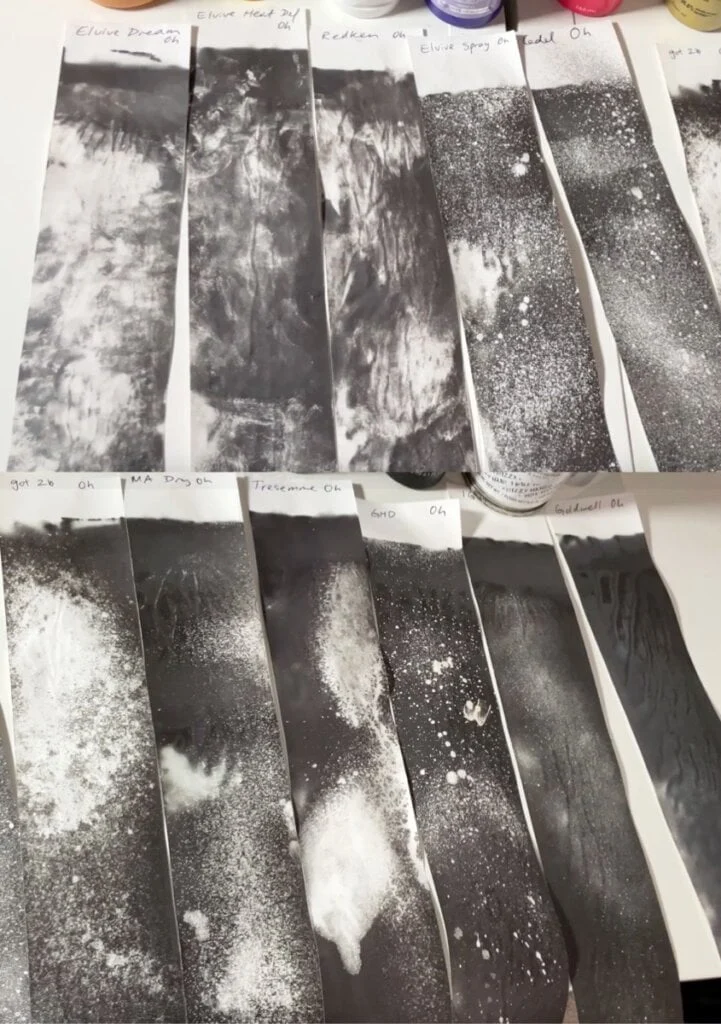
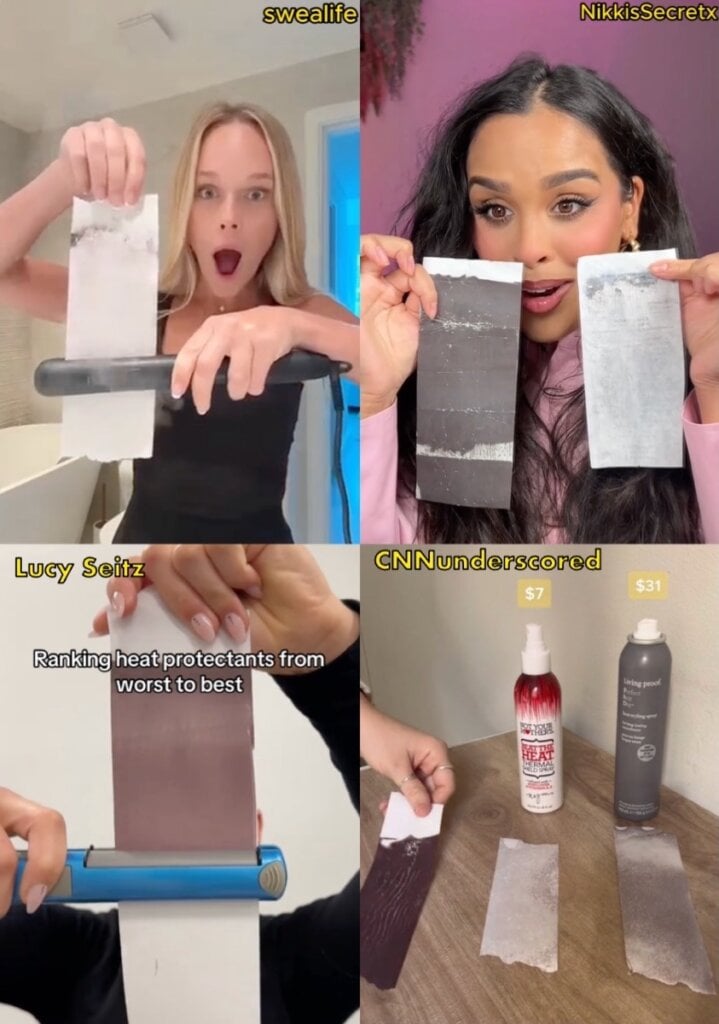
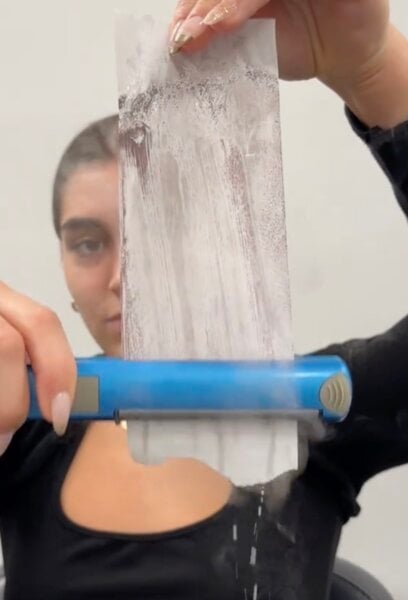
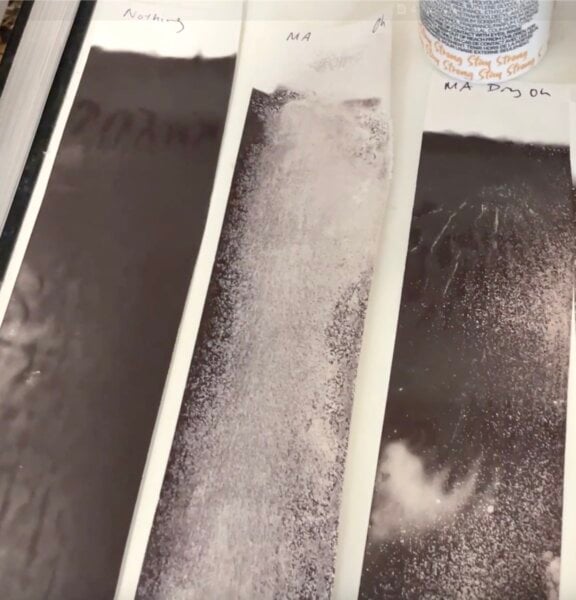
The beauty and cosmetic science communities have faced a wave of online scrutiny following a viral social media trend where consumers and content creators test hair heat protectants using thermal paper store receipts. The DIY evaluation method involves spraying a thermal paper receipt with a heat protectant product, pressing it with a heated hair straightener, and observing the color change. According to the viral logic, thermal paper turns black when exposed to heat, meaning receipts that remain white indicate a superior heat-protectant barrier. However, a rigorous scientific investigation reveals that this popular internet test has virtually no correlation with actual hair protection, instead demonstrating chemical reactions between cosmetic ingredients and the sensitive thermal coating of the paper.
Background Context of the Trend
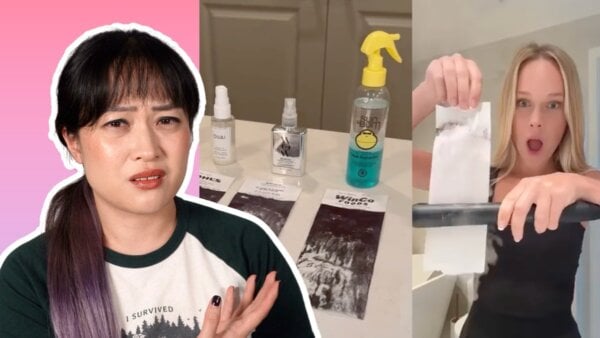
The viral trend gained widespread traction across platforms like TikTok and Instagram, spearheaded by systematic beauty creators and cosmetologists such as Lucy Seitz. Influenced by the desire for objective, visual proof of product efficacy, creators sought a simple mechanism to demonstrate how well various commercial sprays, creams, and oils insulate surfaces against high temperatures. Thermal paper seemed to offer a logical model because it reacts directly to thermal energy, shifting from white to dark gray or black as heat alters its chemical composition.
In standard scientific methodology, model testing is commonplace. Researchers routinely utilize model organisms, such as mice for pharmaceutical trials, or reconstituted human skin models like EpiSkin to evaluate skincare safety without resorting to animal testing. For a model to be valid, however, its physical and chemical response mechanisms must closely mimic the actual target material. In the case of thermal paper receipts versus human hair, the underlying physics and chemistry diverge completely, rendering the receipts an unreliable testing medium.
Chronology of the Scientific Inquiry
The investigation into the thermal paper trend unfolded in distinct phases, beginning with replication attempts and expanding into chemical analyses.
Initial Replication and Variable Observations
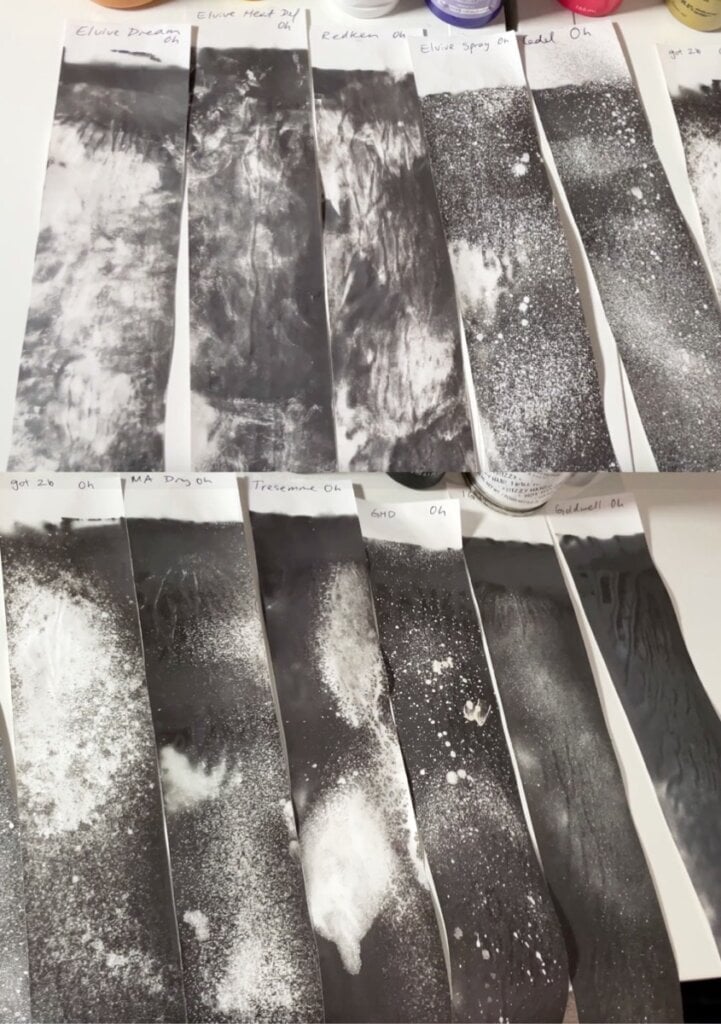
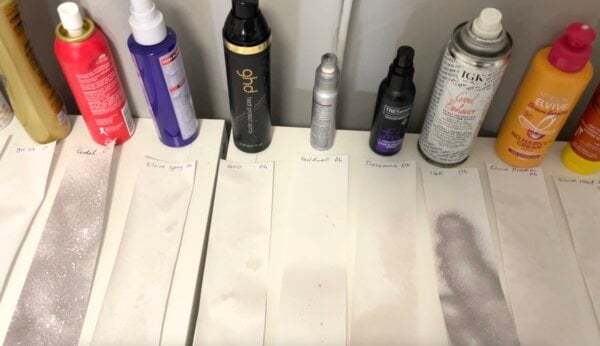
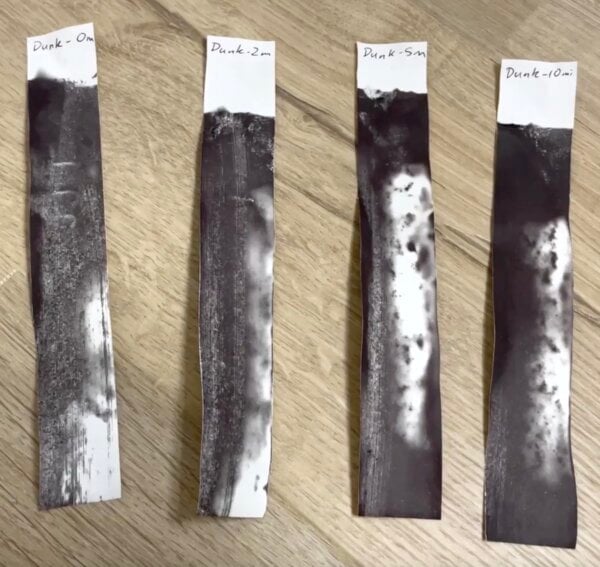
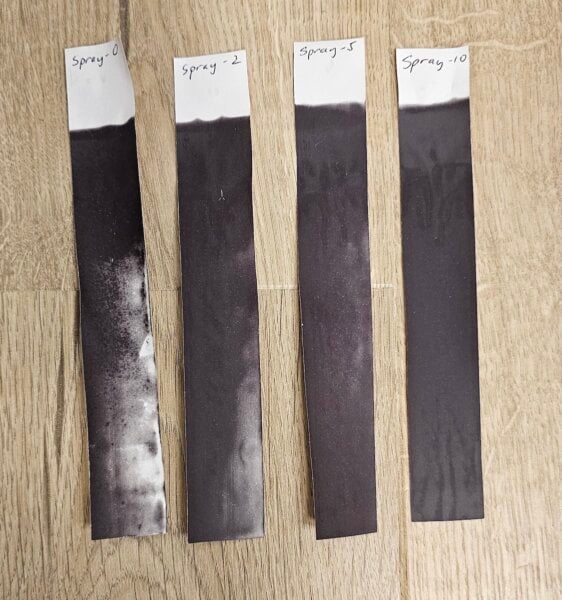
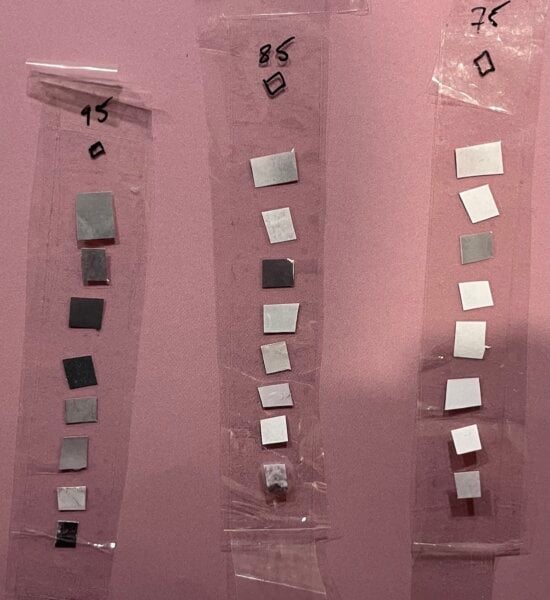
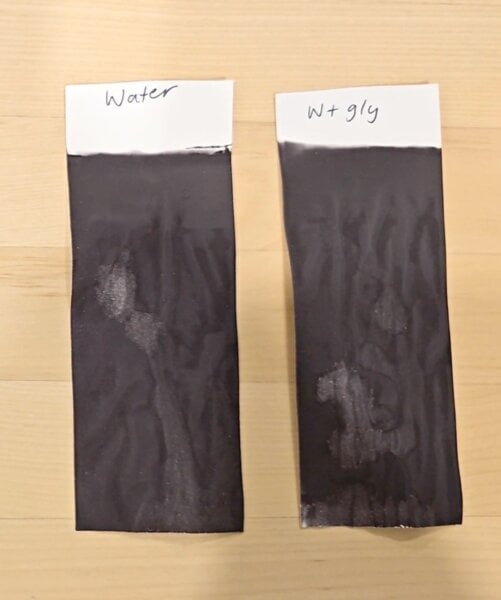
Early experimental attempts to replicate the viral demonstrations involved testing eleven distinct heat-protectant formulations, including pump sprays, aerosol propellant sprays, and styling creams. Applying the products to receipts and subjecting them to flat irons heated to approximately 170°C yielded highly inconsistent results. Uncontrolled application amounts and varying drying times introduced significant baseline discrepancies. Receipts that were tested immediately while still wet remained largely white, suggesting that residual moisture provided a temporary cooling effect through evaporation. Because water requires considerable thermal energy to undergo a phase change due to hydrogen bonding, damp paper temporarily resisted the color transition.
The Role of Water and Drying Time
Further testing involving direct water application and varying drying intervals (ranging from immediate testing to ten minutes) confirmed that moisture acts as a thermal buffer. However, the presence of water on hair during high-heat styling is hazardous, frequently causing rapid, explosive steam vaporization known as "bubble hair," which structurally damages the hair shaft. Consequently, a test that relies on water evaporation to keep a receipt white is actually rewarding a characteristic that is undesirable in real-world hair styling.
The Temperature Threshold Discrepancy
A critical turning point in the investigation arose from examining the activation temperature of thermal paper. Initial search results suggested thermal paper changes color between 150°C and 185°C—temperatures comparable to hair styling tools. However, deeper research into thermal paper manufacturing specifications revealed a much lower color-development threshold of 60°C to 100°C, with standard receipts turning black around 95°C. Because human hair begins experiencing thermal degradation at approximately 100°C, the receipt paper changes color at temperatures roughly aligned with hair vulnerability limits, but the mechanism causing the change remains entirely unrelated to hair protection.
The Core Chemical Mechanism: Ink Dissolution
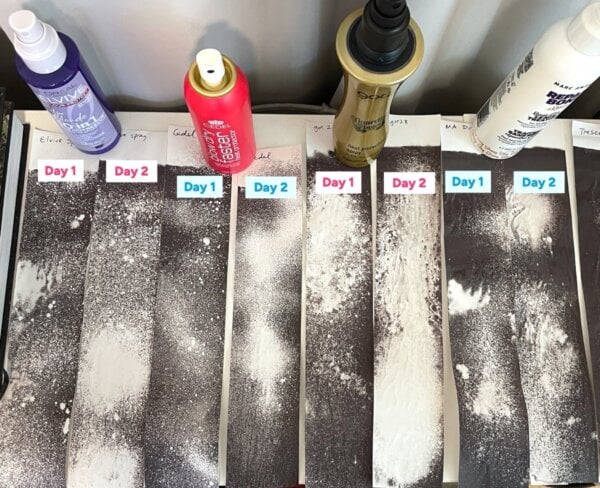
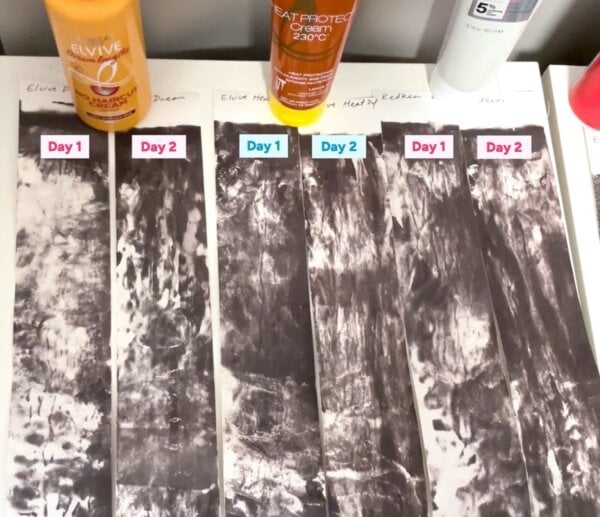
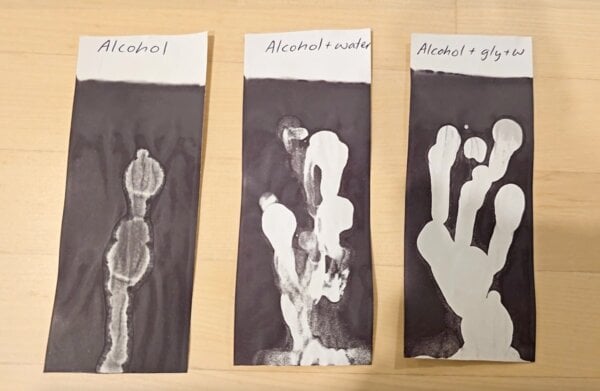
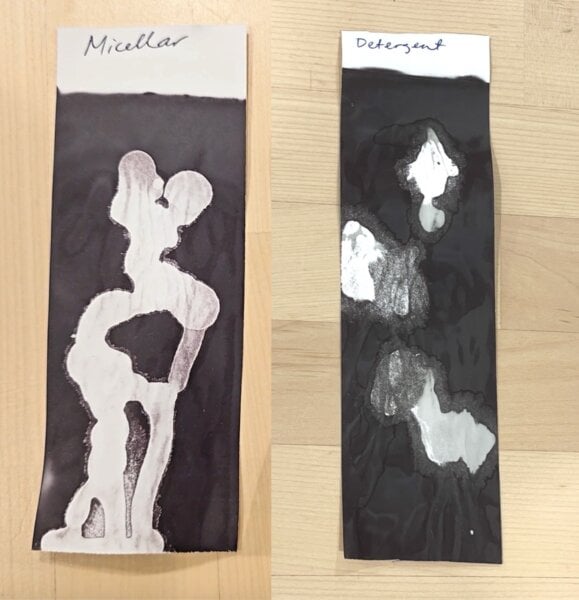
Subsequent experimentation disproved the initial hypothesis that protective films or heat insulation accounted for the white receipts. Instead, chemical analysis revealed that the active agents in high-performing products were actively dissolving the leuco dye and developer layers embedded in the thermal paper.
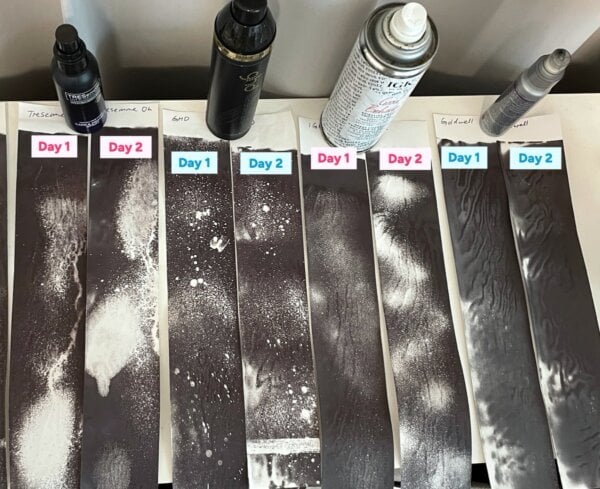
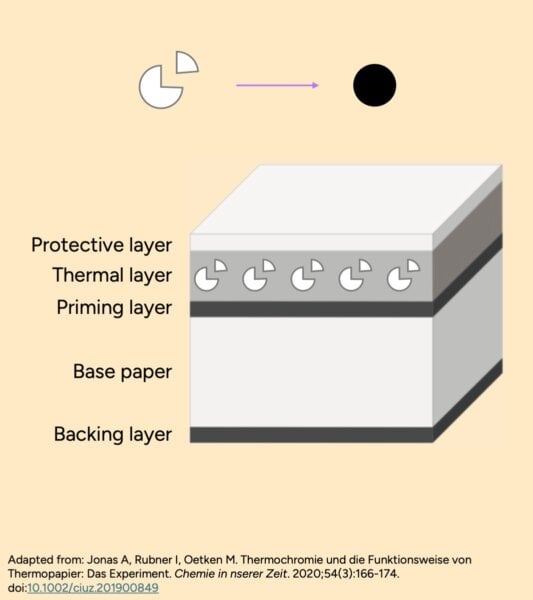
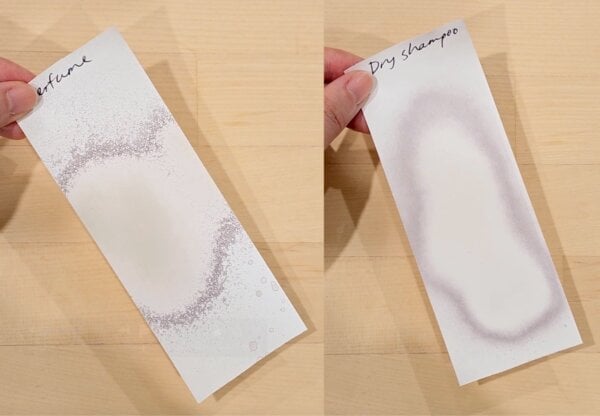
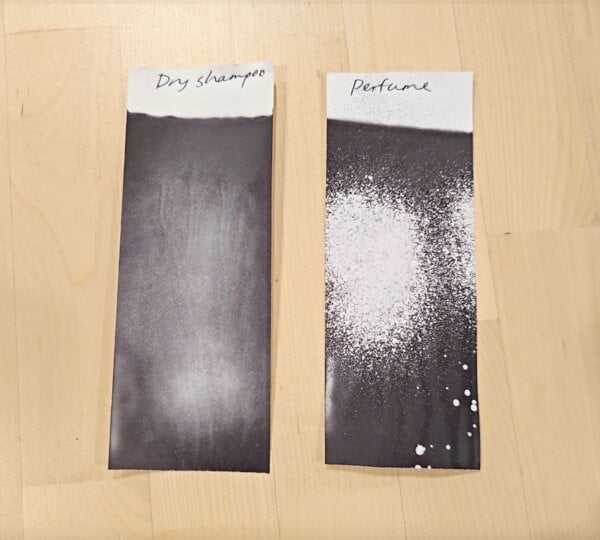
Thermal paper functions through a delicate, heat-sensitive coating consisting of colorless dye precursors and acidic developers frozen in a solid matrix, usually resembling a wax. When heat is applied, the matrix melts, allowing the components to mix and form a dark image. However, when substances containing high concentrations of volatile alcohols, specialized solvents, or surfactants are sprayed onto the paper, they dissolve or disrupt this delicate chemical layer.
Alcohol-Based Disruption and Surfactant Action
Products with high alcohol content or heavy surfactant concentrations—such as micellar water, high-alcohol styling sprays, perfumes, and emulsified creams—effectively break down or smear the thermal coating. When applied liberally, these chemical formulations dissolve the dye components to the extent that they can no longer recombine correctly when heated, leaving the receipt pale or gray. Conversely, volatile silicones, which evaporate rapidly without dissolving the thermal matrix, often "failed" the receipt test despite offering legitimate thermal protection for hair fibers.

Statements and Industry Reactions
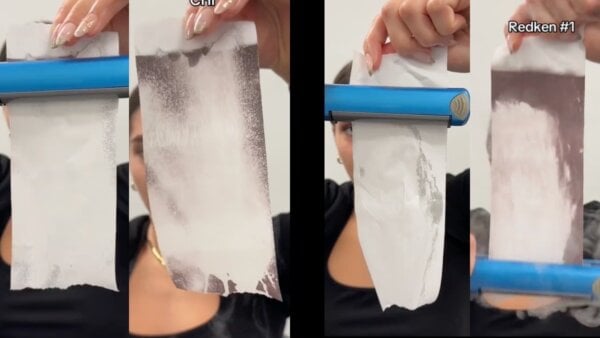
As the viral trend prompted consumer backlash against brands whose products turned receipts black, cosmetic chemists and hair care manufacturers stepped forward to clarify product formulation standards. Industry representatives emphasized that legitimate heat protectants are engineered to function on keratin proteins, not cellulose-based paper receipts.
Brands like Amika publicly demonstrated their internal testing protocols, which involve mechanical stress testing using specialized automated machinery to comb treated hair samples repeatedly under controlled tension and heat. These instrumental tests evaluate tensile strength, cuticle integrity, and moisture retention—metrics that cannot be replicated on a cash register receipt.
Furthermore, cosmetic chemists noted that heat protectants do not operate by blocking thermal energy entirely. A completely insulated hair strand would not undergo the structural reshaping required for styling. Instead, effective heat protectants rely on a blend of film-forming polymers, silicones, and hydrolyzed proteins designed to distribute heat evenly across the hair shaft, reducing localized hot spots and minimizing friction during styling tool glide.
Broader Implications for Consumer Science
The viral heat protectant receipt trend highlights a broader challenge in modern science communication: the superficial appeal of visual, DIY experiments on social media platforms. While democratizing access to testing methods can empower consumers, oversimplified models frequently misinform the public regarding product safety and efficacy.
When consumers judge complex cosmetic formulations based on how they interact with receipt ink, they inadvertently penalize products containing nourishing, high-performance silicones or oils while rewarding formulations that happen to contain solvents capable of dissolving thermal dye. This misinformation can drive purchasing decisions away from scientifically validated products toward formulations that perform well only in superficial, unrelated parlor tricks.
Conclusion and Best Practices for Consumers
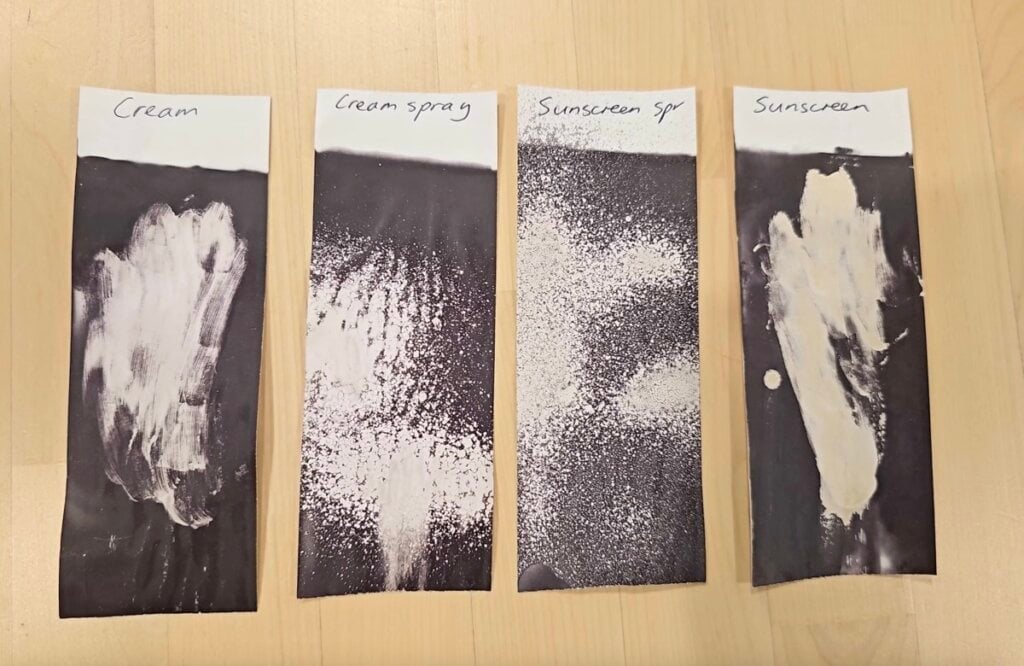
The investigation conclusively demonstrates that testing hair heat protectants on retail receipts measures the chemical solubility of thermal paper coatings rather than thermal protection capabilities. The white receipts observed in viral videos are the result of alcohol, water, and surfactants dissolving or disrupting the paper’s sensitive ink matrix, preventing the standard heat-induced color reaction.
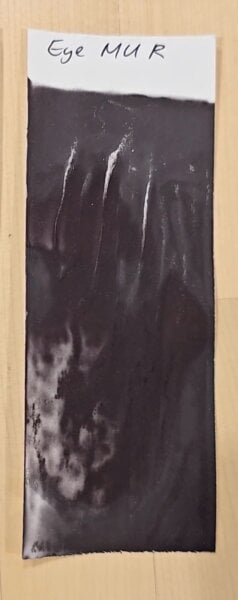
Consumers seeking reliable hair protection should disregard social media demonstrations utilizing non-biological test mediums. Instead, experts recommend selecting products from reputable brands that utilize instrument-verified testing on actual human hair. Shoppers should look for specific packaging claims denoting instrumental efficacy, such as performance metrics tested against untreated hair or non-conditioning controls. Key protective ingredients to look for on ingredient labels include functional silicones, heat-resistant polymers, and hydrolyzed proteins. Ensuring that damp hair or water-containing products are thoroughly dried prior to applying high-heat styling tools remains a vital step in preventing structural hair damage, regardless of marketing claims or viral trends.
