
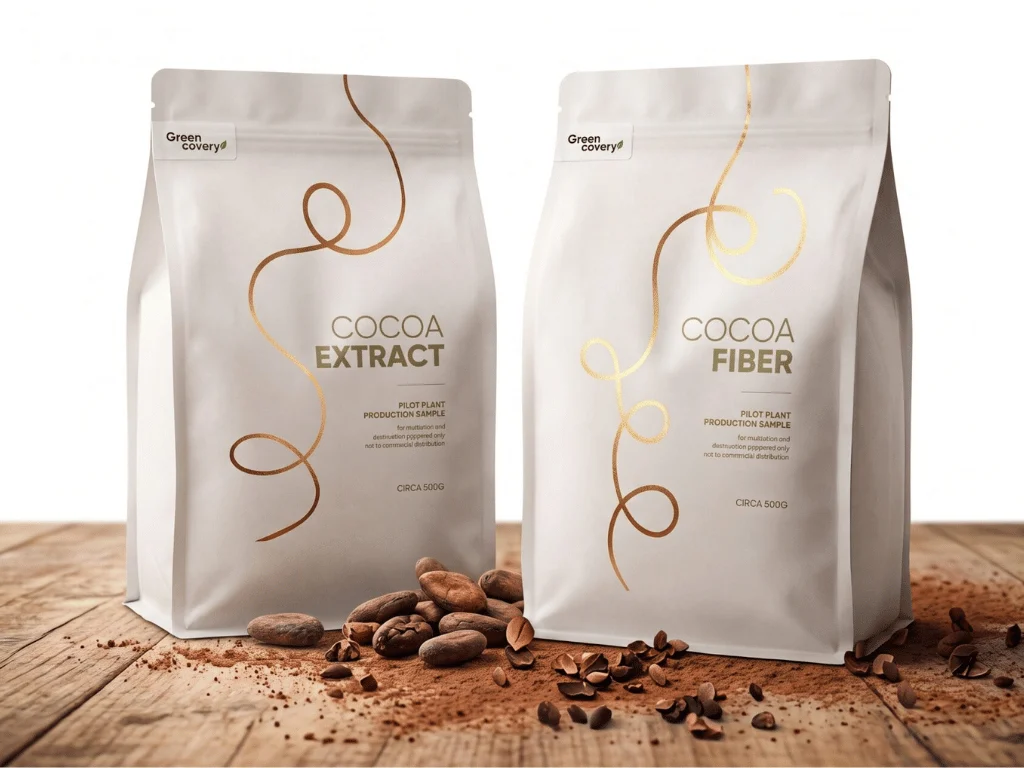
The intersection of climate volatility, soaring commodity prices, and escalating consumer demand for sustainable goods has forced the global food and beverage sector to aggressively rethink its supply chains. At the forefront of this industrial transformation is Greencovery, a Wageningen-rooted food-tech startup that has successfully secured €1 million in fresh funding. This capital injection is earmarked to scale its proprietary separation technology, which transforms overlooked food industry sidestreams into high-value functional ingredients, with an initial primary focus on the beleaguered cocoa market.
The funding round was spearheaded by ROM InWest, the regional development agency for North Holland, and was joined by existing backer Brightlands Venture Partners alongside an undisclosed private investor. Building on this momentum, Greencovery is already setting its sights on an imminent follow-on financing round of up to €3 million. Commitments for this subsequent raise have reportedly been secured from a blend of new and returning investors, providing the necessary financial runway to fund full-scale commercial manufacturing and enable the distribution of its ingredients at industrial volumes.
The Evolution of Greencovery: From Academic Concept to Commercial Reality
Founded in 2018 within the dynamic research ecosystem of Wageningen University & Research by Carlos Cabrera, Greencovery emerged to address a fundamental inefficiency in the global food processing sector: the widespread disposal or low-value downcycling of nutrient-rich byproducts. Cabrera, serving as the company’s managing director, conceptualized a chemical-physical platform capable of evaluating the valorization potential of diverse industrial sidestreams and systematically engineering them into specialty food ingredients.
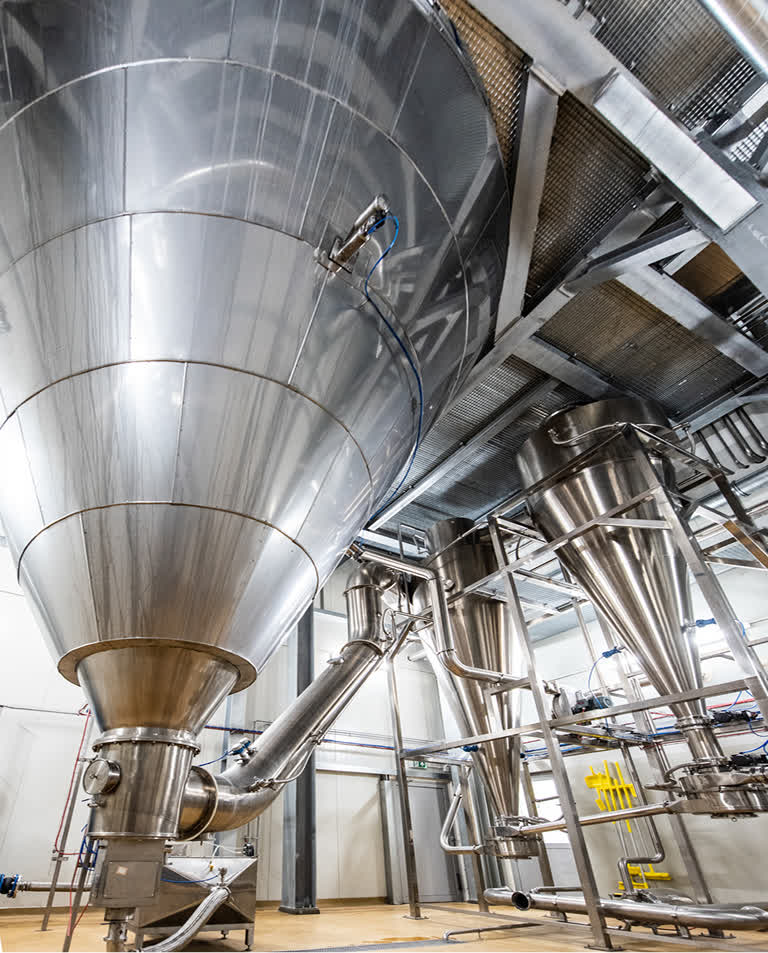
Unlike conventional extraction methods that often demand intensive energy inputs and excessive water consumption, Greencovery relies on a mild separation process. This proprietary methodology effectively isolates proteins, amino acids, fibres, fats, and distinct flavor compounds while preserving their natural integrity, taste functionality, and microbial stability. By unlocking the hidden utility of these waste streams, the startup simultaneously reduces the environmental footprint of food manufacturers and generates novel, high-margin revenue streams.
Prior to its current commercial pivot toward cocoa, Greencovery demonstrated the versatility of its technology across a wide array of raw materials, including coffee processing byproducts, oil press cakes, and various nuts. Early commercial validations included the production of a unique banana extract derived from a vinegar sidestream, as well as a clean-label umami flavor synthesized from parmesan rinds. The company is concurrently advancing research on additional taste and texture enhancers extracted from cheese rinds, alongside functional and nutritional ingredients formulated from okara, the protein-dense pulp remaining from soy milk and tofu manufacturing.
Navigating the Global Cocoa Crisis
Greencovery’s strategic pivot to cocoa arrives at a critical juncture for the confectionery and baking industries. The global cocoa market has faced unprecedented turbulence over recent years, driven heavily by severe weather anomalies, crop diseases, and systemic supply chain vulnerabilities in West Africa, which produces the majority of the world’s cocoa supply. In 2024, global cocoa stocks plummeted to their lowest levels in a decade, sending futures prices soaring to historic, all-time highs.
Simultaneously, cacao remains one of the most inefficiently utilized fruits in modern agriculture. Industry estimates indicate that roughly 70% to 80% of the harvested cacao fruit is discarded during standard chocolate production. Despite being routinely treated as agricultural waste, these discarded fractions—including husks, pulp, and shell components—possess exceptionally high nutritional and functional value.

To combat soaring input costs and dwindling supplies, the broader food sector has witnessed a surge in alternative innovation. While some enterprises are developing cocoa-free formulations using alternative plant bases, and others are pioneering cellular agriculture to grow cacao cells within precision fermentation bioreactors, Greencovery approaches the crisis through physical upcycling. Companies such as Denmark’s Endless Food Co. are similarly leveraging cacao fruit shells—alongside beer and oat milk sidestreams—to craft novel chocolate alternatives. Greencovery, however, focuses on extracting and refining specific components directly from traditional cocoa sidestreams to fortify existing supply chains.
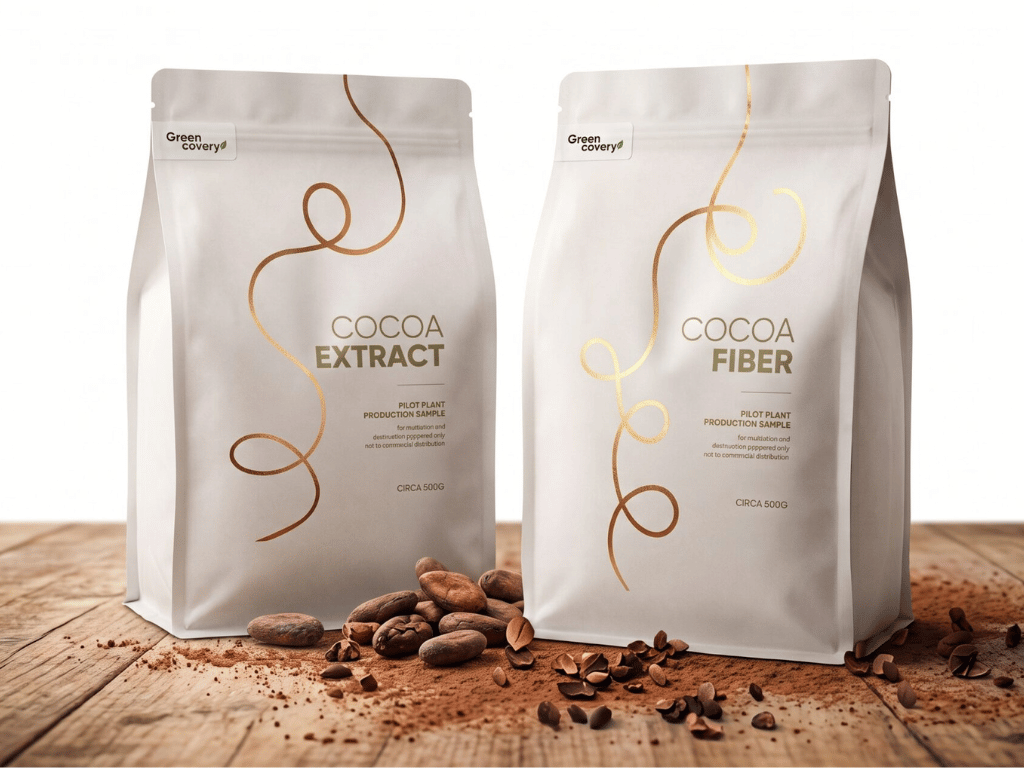
The company is currently preparing to commercialize three distinct functional ingredients derived from cocoa sidestreams: a robust structural fibre ingredient, a highly soluble dietary fibre, and a concentrated cocoa extract. These offerings are designed to provide industrial manufacturers with reliable, cost-effective alternatives to navigate extreme market volatility while simultaneously satisfying consumer demand for natural flavors, clean labels, and reduced-sugar product formulations.
Strategic Integration within North Holland’s Industrial Ecosystem
A pivotal element of Greencovery’s current scaling strategy involves its operational integration into North Holland, specifically leveraging the industrial prowess of Zaandam. For over four centuries, Zaandam has functioned as a central European food processing hub and a foundational anchor for the global cocoa trade. According to regional estimates, North Holland alone generates upwards of 350,000 tonnes of food-grade sidestreams annually.
By partnering with ROM InWest, Greencovery gains direct access to this dense industrial network, enabling the startup to execute a truly circular manufacturing model. Instead of exporting local food byproducts for low-value disposal or incineration, Greencovery’s technology allows processors to refine these materials locally into high-grade functional ingredients.
Bas Kalshoven, investment manager at ROM InWest, emphasized the environmental and economic rationale behind the regional agency’s backing. Upcycling side streams into functional ingredients instead of incinerating or downcycling them directly supports a circular food system, Kalshoven noted, adding that deploying this technology alongside an established industrial partner in North Holland serves as an exemplary model of effective regional collaboration.
Marcel Zijp, senior investment manager at Brightlands Venture Partners, echoed this sentiment, highlighting the timing of the investment. Brightlands supported Greencovery through its early technology development phases, Zijp stated, noting that ROM InWest’s participation at this critical juncture of industrial deployment arrives at precisely the right moment to accelerate the company’s market penetration.
Future Outlook and Industrial Scaling
Having successfully validated its initial commercial batches with a select group of key industry clients, Greencovery is actively expanding its operational footprint. Through a strategic partnership with established manufacturing infrastructure, the startup is scaling its production capabilities toward an ambitious target of 1,000-tonne annual capacity.
As regulatory pressures mount regarding industrial waste reduction and consumer preferences increasingly favor sustainable, transparently sourced products, Greencovery’s model represents a shift in how the food industry values its byproducts. By bridging the gap between agricultural waste and high-value functional ingredients, the Dutch startup is not only helping food manufacturers weather the ongoing cocoa price crisis but is also laying foundational infrastructure for a fully circular, resource-efficient global food economy.
