
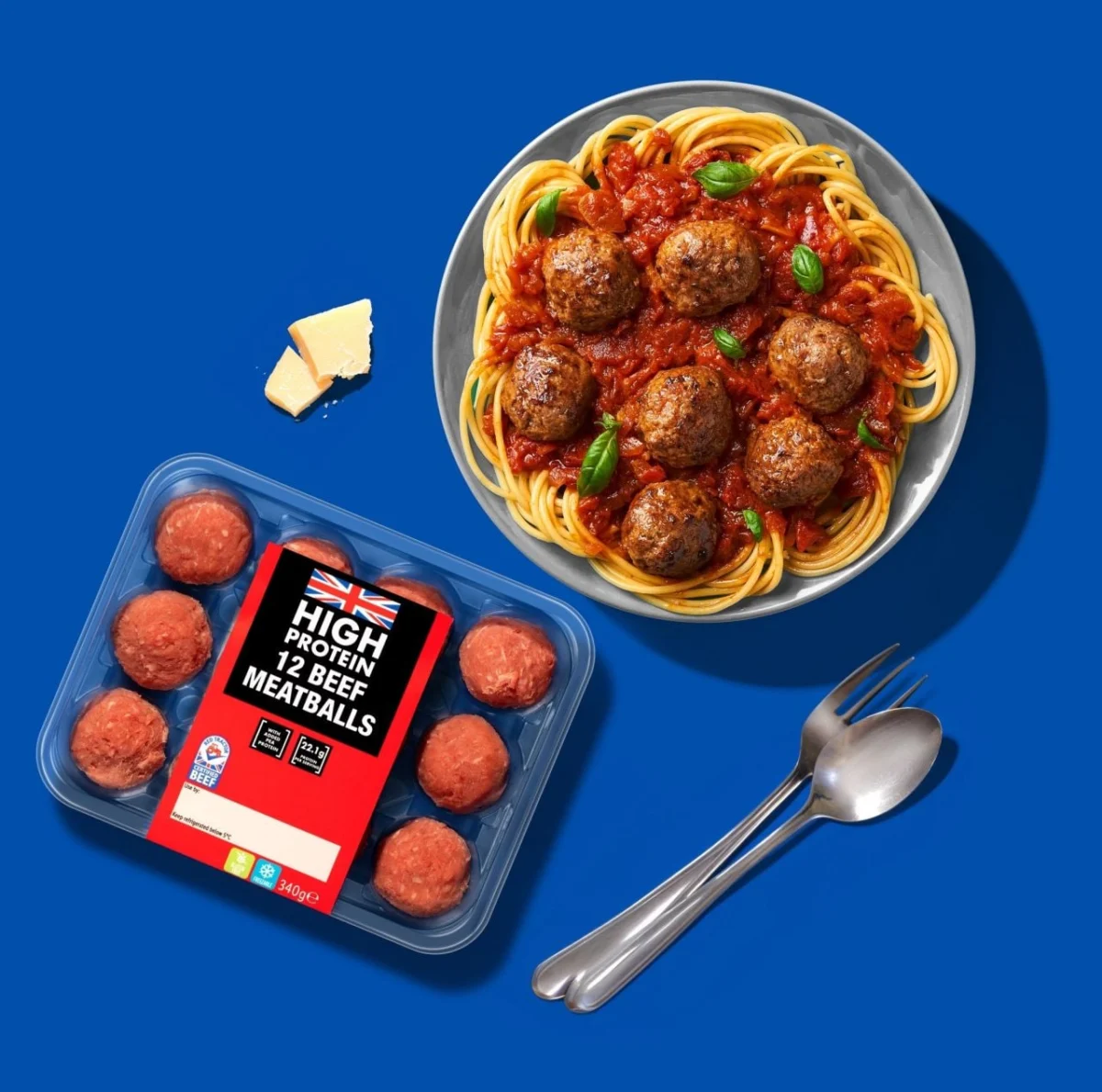
Discount supermarket chain Lidl has officially introduced the United Kingdom’s first private-label line of blended meat products, combining traditional beef and pork with pea protein. This strategic rollout marks a significant milestone in the British retail sector, offering consumers an innovative food option that delivers higher protein content than conventional 100% animal-derived meat products while maintaining affordability. The new product line includes everyday kitchen staples such as beef mince, meatballs, quarter-pounder burgers, and pork sausages, starting at a competitive price point of £1.99.
The launch represents a calculated effort by Lidl to capture the surging consumer demand for high-protein diets while advancing its broader corporate sustainability goals. Specifically, the supermarket has committed to ensuring that 25% of all its protein sales derive from plant-based sources by 2030. Furthermore, the initiative aligns closely with the guidelines set forth by the Eat-Lancet Planetary Health Diet, which advocates for a plant-forward dietary pattern to optimize both human health and planetary resources.
Main Facts and Product Lineup
The newly unveiled high-protein blended meat portfolio is designed to seamlessly integrate into standard consumer meal preparation without requiring behavioral changes regarding taste or cooking habits. By blending high-quality British meat with texturized pea protein, Lidl has engineered products that boast a minimum of 20% higher protein content than their traditional counterparts, often paired with reduced saturated fats and added dietary fiber.
The specific product configurations and pricing details include:
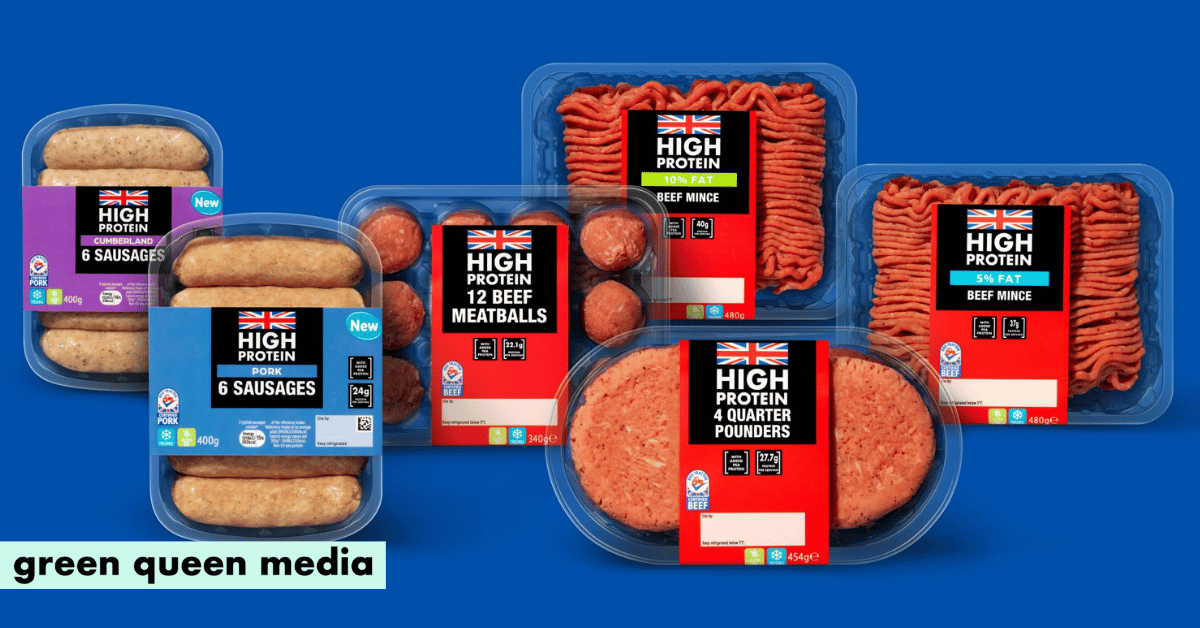
- Pork and Cumberland-Style Sausages: Priced at £1.99 for a 400-gram package, delivering 24 grams of protein per serving. Notably, the Cumberland variant provides 50% more protein than a standard 100% meat version.
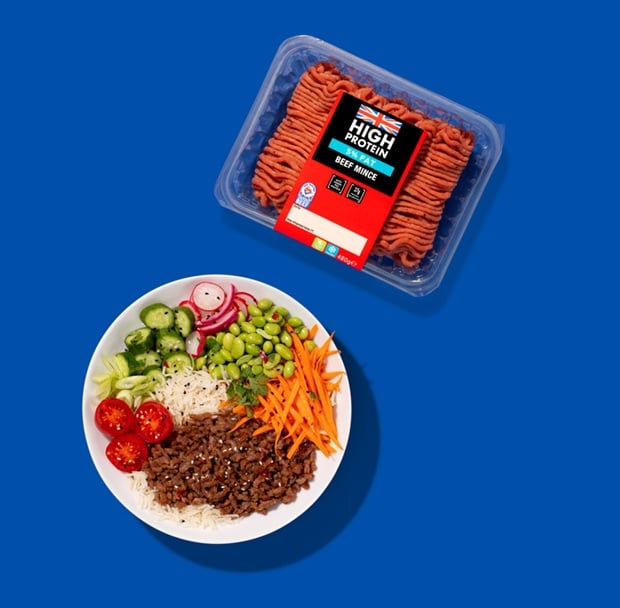
- Beef and Pea Mince: Available in two fat formats—5% fat and 10% fat—packaged in 480-gram portions. The 5% fat version is priced at £4.79 and offers 37 grams of protein per serving, while the 10% fat version is priced at £3.99 and delivers 40 grams of protein.
- Quarter Pounder Burgers: Priced at £2.99 for a 454-gram package, yielding 27.7 grams of protein per serving.
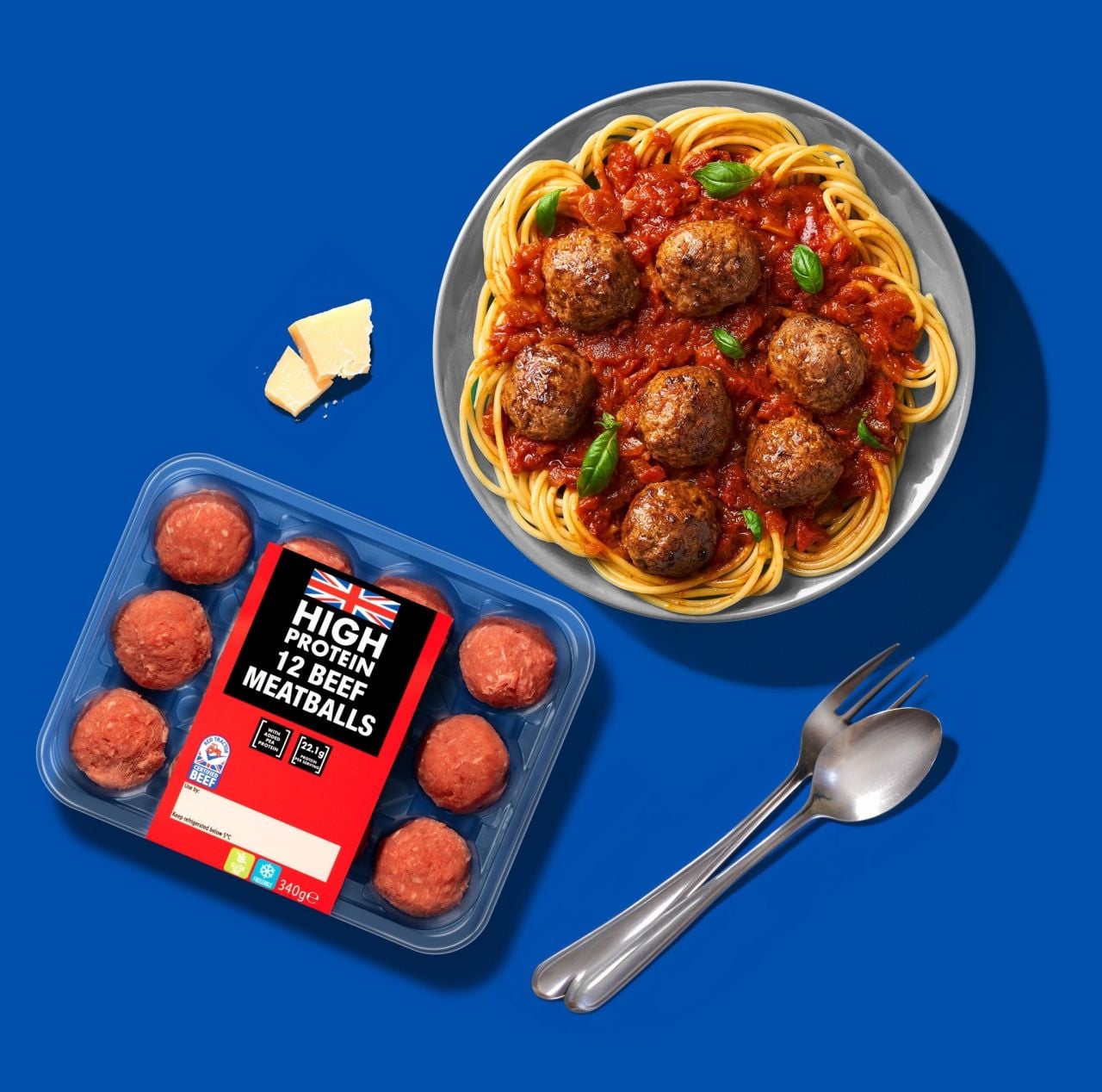
- Meatballs: Priced at £2.79 for a 340-gram package, delivering 22 grams of protein per serving.
These formulations offer distinct nutritional and environmental advantages. By substituting a portion of animal protein with plant-based alternatives, the products reduce total saturated fat and cholesterol levels while lowering greenhouse gas emissions, land usage, and water consumption associated with livestock farming.
Chronology and European Context
While blended meat products—often referred to as hybrid meats—have gained steady traction in various European grocery markets over recent years, their adoption in the United Kingdom has faced historical hurdles. Early attempts by major British retailers such as Aldi and Tesco around the turn of the decade failed to achieve mainstream commercial success, largely due to consumer skepticism regarding taste, texture, and value.
Lidl’s current UK launch builds upon successful rollouts executed across its continental European operations. The discount retailer began selling beef mince blended with 40% pea protein in the Netherlands in 2024, following similar introductions within its Belgian store network in cooperation with local suppliers. These European ventures provided Lidl with vital consumer insights, demonstrating that hybrid meat products could achieve commercial viability if priced competitively and marketed effectively around nutritional benefits rather than environmental compromise alone.
Outside of traditional supermarket retail, the most notable precedent for blended proteins in the UK has been established within the foodservice sector. Brands like Quorn have successfully combined mycoprotein with conventional meat to supply institutional caterers, including the National Health Service (NHS), proving that institutional acceptance of hybrid proteins is achievable under the right conditions.
Consumer Trends and Market Demand
The timing of Lidl’s product launch coincides with a profound cultural and nutritional shift among British shoppers. Recent data indicates that approximately 43% of UK consumers actively increased their daily protein intake over the past year, fueled by social media wellness trends, a desire to move away from ultra-processed foods, and a growing emphasis on functional nutrition.
Market research firm NielsenIQ reported that sales of protein-based foods surged by nearly 10% in the six-month period leading up to January. Furthermore, industry surveys reveal that 57% of UK shoppers currently adhere to a high-protein diet to some degree, with Gen Z and millennial demographics driving the trend. Concurrently, searches for natural protein sources rose by 20%, while broader nutritional movements—such as the "fibermaxxing" trend, increased focus on gut health, and the widespread adoption of GLP-1 weight-loss medications—have amplified consumer demand for nutrient-dense, high-fiber foods.
Despite this enthusiasm, cost remains the primary barrier for shoppers attempting to maintain specialized diets. Lidl’s internal market research indicates that 51% of consumers view high food costs as the principal obstacle to sustaining a high-protein diet. Consumer polling further highlights that hybrid meat preferences vary by format: blended sausages are favored by nearly half of UK respondents, followed by minced meat at 33% and burgers at 15%. When presented with direct choices between 100% animal protein and hybrid options, consumers have shown an increasing willingness to select the latter, provided the price point remains attractive.
Official Responses and Corporate Strategy
Executives at Lidl have framed the new product line not merely as a commercial trial, but as a definitive step in retail leadership and corporate responsibility.
Richard Bourns, Lidl’s Chief Commercial Officer, emphasized the company’s commitment to overcoming financial barriers to healthy eating in a public statement: “Demand for high-protein meals is soaring, but for too many shoppers, cost is still the main barrier. This week, we’re changing that. By blending quality British meat with plant-based protein, we’ve created a lineup that delivers at least 20% more protein than traditional options at unbeatable Lidl prices. This isn’t just about great value; it’s about retail leadership and a genuine, first-to-market innovation that is a true game-changer for our customers.”
The rollout of the high-protein meat range directly supports Lidl’s overarching sustainability targets. Between 2019 and 2023, the retailer increased sales of healthy food items by 82%, a figure that rose to 83% the following year, surpassing its original target of an 80% increase by 2025. Additionally, Lidl achieved a 22% increase in fiber sales in 2024, reaching that milestone two years ahead of schedule.
As part of these ongoing initiatives, Lidl became the first grocer in the UK to introduce a specialized private-label logo designed to help consumers easily identify products aligned with the Planetary Health Diet. Bourns noted that the company is actively operationalizing its sustainability commitments directly at the retail shelf edge. "As the only GB retailer setting a protein transition target, we’re ensuring that healthy, sustainable choices are truly accessible to everyone," he stated.
Lidl’s protein transition strategy is part of a broader corporate commitment spanning multiple European nations, including Germany, the Netherlands, and Denmark. The company has pledged to significantly increase the global share of plant-based food sales by the end of the decade, reflecting a coordinated industry response to changing environmental imperatives and evolving consumer preferences.
Broader Impact and Industry Implications
The introduction of Lidl’s private-label hybrid meat range could serve as a catalyst for the broader UK supermarket sector. As retail competitors monitor consumer uptake, success in this category may prompt other major chains to revisit blended protein strategies that previously stalled in the early 2020s.
From a public health perspective, mainstream availability of hybrid products addresses multiple nutritional deficiencies simultaneously. With nutritional studies indicating that approximately 96% of UK citizens fail to consume adequate amounts of dietary fiber, the inclusion of ingredients like pea protein offers a functional mechanism to introduce fiber into popular meat categories that traditionally contain none.
Furthermore, by positioning blended meat as an affordable, protein-enhanced alternative rather than a compromise for ethical vegetarians, Lidl has bypassed the cultural resistance often associated with purely plant-based meat substitutes. Analysts suggest that this "inclusive" product category—appealing simultaneously to budget-conscious shoppers, fitness enthusiasts, and environmentally conscious consumers—may represent a viable middle ground for the future of sustainable protein consumption in mainstream retail markets.
