
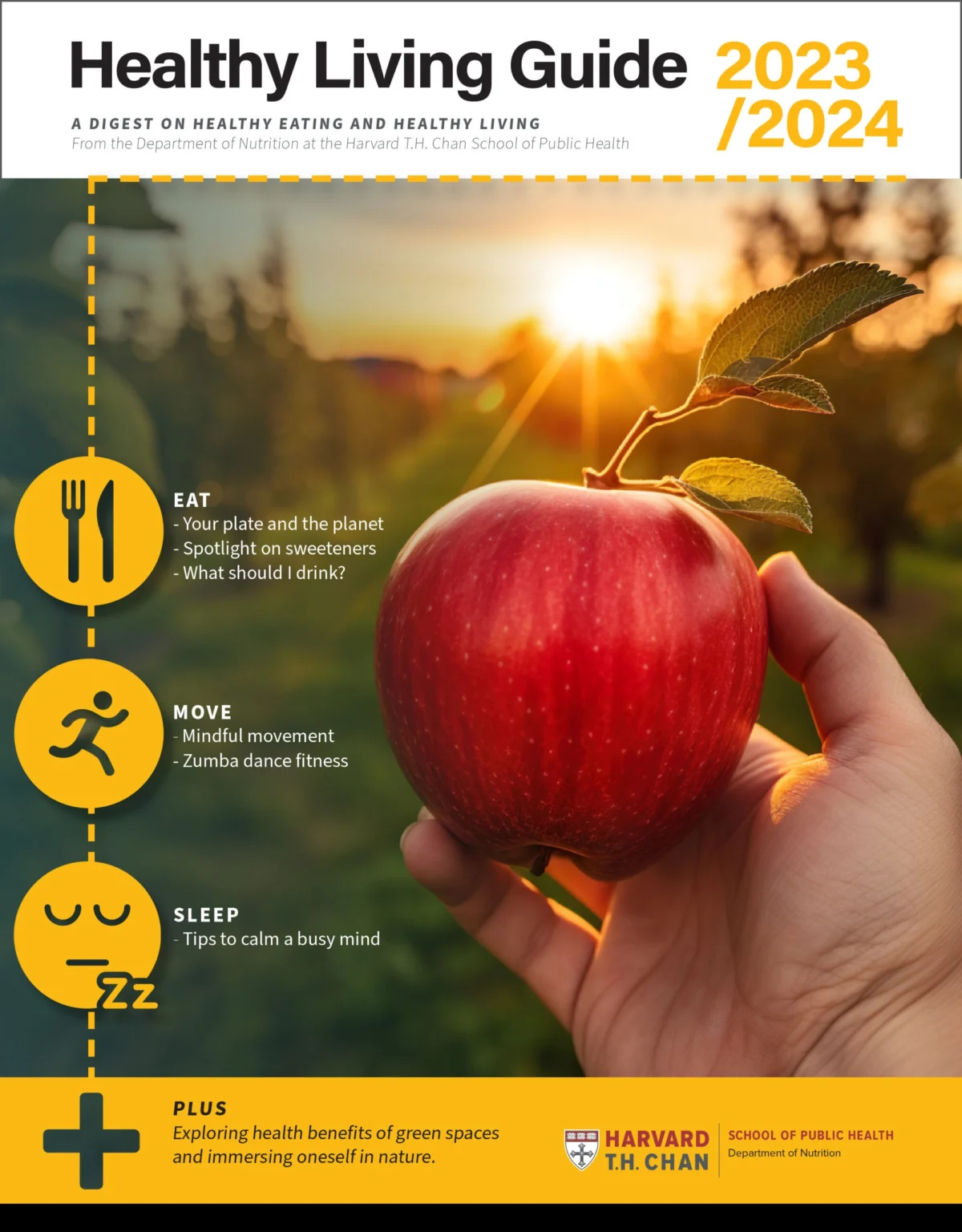
The Department of Nutrition at Harvard T.H. Chan School of Public Health has unveiled its fourth annual Healthy Living Guide, a comprehensive resource designed to empower individuals with evidence-based strategies for improved nutrition, physical activity, and sleep. This year’s guide, released at the dawn of 2024, places a significant emphasis on the integration of mindfulness into public health initiatives, a cornerstone of the recently established Thich Nhat Hanh Center for Mindfulness in Public Health. The guide is available for download as a printable PDF, offering accessible information and practical tips for a healthier lifestyle.
The launch of the 2023-2024 Healthy Living Guide marks a pivotal moment for the Department of Nutrition, coinciding with the establishment of the Thich Nhat Hanh Center for Mindfulness in Public Health. This new center, named in honor of the esteemed Zen Master and peace activist, is dedicated to exploring and implementing mindfulness practices to enhance well-being at both individual and societal levels. A primary focus of the Center is the intersection of mindful eating, personal health, and the health of the planet, a theme that permeates the latest edition of the Healthy Living Guide. This integration reflects a growing understanding within public health that individual behaviors have profound ripple effects on global health and environmental sustainability.
The Healthy Living Guide is structured around key pillars of well-being: nutrition, physical activity, and sleep. Within these categories, the 2023-2024 edition highlights cutting-edge research and actionable advice. Notably, it delves into the complex relationship between ultra-processed foods and mental health, offering insights into the potential risks associated with high consumption of these products. Furthermore, the guide explores the motivational power of music and movement, featuring specific examples like Zumba as an engaging way to increase physical activity. It also addresses the science behind sleep, examining different "chronotypes" – an individual’s natural inclination to sleep and wake at certain times – and their implications for overall health.
Background and Chronology of the Healthy Living Guide and the Thich Nhat Hanh Center
The Healthy Living Guide series was initiated to provide a consolidated, accessible source of information derived from the extensive research conducted by the Harvard T.H. Chan School of Public Health’s Department of Nutrition. The first edition, launched in late 2020, aimed to address the growing public interest in health and wellness amidst the ongoing global health challenges. Each subsequent edition has built upon the previous one, incorporating emerging research and evolving public health priorities.
The establishment of the Thich Nhat Hanh Center for Mindfulness in Public Health in 2023 represents a significant expansion of the Department’s commitment to holistic well-being. This initiative was born from a recognition that traditional public health interventions often focus on disease prevention and treatment, but may overlook the crucial role of mental and emotional states in fostering lasting health. The Center’s mission to apply mindfulness to population-level health challenges aligns with global trends in recognizing the interconnectedness of individual choices and societal outcomes. The timing of its launch, preceding the release of the 2023-2024 Healthy Living Guide, ensures that the Center’s foundational principles are woven into the fabric of the guide’s content from its inception.
Key Features and Research Highlights of the 2023-2024 Guide
This year’s Healthy Living Guide presents a multifaceted approach to health, integrating the latest scientific findings with practical advice.
-
Ultra-Processed Foods and Mental Health: Research in this area has been rapidly evolving, with numerous studies suggesting a correlation between the consumption of ultra-processed foods (UPFs) and an increased risk of mental health issues, including depression and anxiety. UPFs are typically characterized by high levels of added sugars, unhealthy fats, sodium, and artificial additives, while being low in essential nutrients and fiber. A meta-analysis published in the journal BMC Medicine in 2022, for instance, analyzed data from over 200,000 participants and found that higher consumption of UPFs was associated with a 30% increased risk of developing depression. The Healthy Living Guide aims to educate readers on identifying UPFs and offers strategies for reducing their intake by prioritizing whole, minimally processed foods. This includes tips on meal planning, reading food labels, and making healthier choices when dining out.
-
The Power of Movement: Zumba and Beyond: Physical activity is a cornerstone of a healthy lifestyle, and the guide emphasizes engaging and enjoyable ways to incorporate it into daily routines. Zumba, a popular dance fitness program, is highlighted for its ability to combine cardiovascular exercise with fun and social interaction. Studies on Zumba have shown significant improvements in cardiorespiratory fitness, body composition, and mood among participants. The guide likely offers insights into the benefits of such aerobic activities and encourages readers to find forms of exercise that they genuinely enjoy, increasing adherence and long-term engagement. This aligns with broader public health recommendations, such as those from the World Health Organization (WHO), which recommend at least 150-300 minutes of moderate-intensity aerobic physical activity per week for adults.
-
Understanding Sleep Chronotypes: Sleep is as critical to health as nutrition and exercise, impacting everything from cognitive function to immune response. The guide’s exploration of sleep chronotypes acknowledges the biological variations in individual sleep-wake patterns. Chronotypes are often categorized as "early birds" (larks) who prefer to wake and sleep early, "night owls" who prefer to stay up late and sleep in, and intermediate types. Research suggests that misalignment between an individual’s chronotype and their societal or work schedules can lead to sleep deprivation, reduced performance, and increased risk of chronic diseases, including metabolic syndrome and cardiovascular disease. The guide likely provides information on how to identify one’s chronotype and offers strategies for optimizing sleep hygiene based on these individual differences, emphasizing the importance of consistent sleep schedules and creating a conducive sleep environment.
Mindfulness and Its Integration
The introduction of the Thich Nhat Hanh Center signifies a paradigm shift, placing mindfulness at the forefront of public health research and application. Thich Nhat Hanh, who passed away in 2022, was a globally recognized advocate for mindfulness, compassion, and engaged Buddhism. His teachings emphasized the importance of present moment awareness in navigating life’s challenges and fostering a deeper connection with oneself and the world.
The Center’s commitment to researching the application of mindfulness to population-level well-being is particularly relevant to the themes of healthy eating and living. Mindful eating, for example, encourages individuals to pay attention to their food – its taste, texture, smell, and the bodily sensations associated with hunger and satiety – without judgment. This practice can lead to a more conscious relationship with food, potentially reducing overeating, improving digestion, and fostering a greater appreciation for nourishing choices.
On a broader scale, mindfulness practices can contribute to stress reduction, improved emotional regulation, and enhanced cognitive function, all of which are foundational to maintaining healthy habits. The integration of these principles into public health strategies, as championed by the Center and reflected in the Healthy Living Guide, suggests a move towards more holistic and sustainable approaches to well-being that address the interconnectedness of individual, societal, and environmental health.
Broader Impact and Implications
The Healthy Living Guide serves as a vital tool for public health education, translating complex scientific research into accessible language and actionable advice. By focusing on nutrition, physical activity, and sleep, the guide addresses the primary modifiable risk factors for many chronic diseases, including heart disease, diabetes, and certain types of cancer.
The emphasis on mindfulness, particularly through the Thich Nhat Hanh Center, signals a forward-thinking approach to public health. As the understanding of the mind-body connection deepens, interventions that foster mental resilience and emotional well-being are likely to gain increasing prominence. The potential implications of this approach are far-reaching, potentially leading to:
- Improved Public Health Outcomes: By empowering individuals with knowledge and practical strategies, the guide can contribute to a reduction in the prevalence of chronic diseases and an overall improvement in population health.
- Enhanced Mental Well-being: The integration of mindfulness practices offers a pathway to greater emotional resilience and stress management, addressing the growing concerns around mental health globally.
- Greater Environmental Consciousness: The focus on mindful eating and sustainable food choices, likely explored within the guide, can encourage a more responsible relationship with food systems and their environmental impact.
- Long-term Behavioral Change: By promoting enjoyable and sustainable healthy habits, the guide aims to foster lasting behavioral changes rather than short-term fixes.
Looking Ahead: A Mindful Future for Health
The release of the 2023-2024 Healthy Living Guide and the concurrent establishment of the Thich Nhat Hanh Center for Mindfulness in Public Health underscore a commitment to a future where health is viewed holistically, encompassing physical, mental, and environmental well-being. As the Department of Nutrition continues to advance research in these critical areas, resources like the Healthy Living Guide will remain invaluable in translating scientific discoveries into tangible improvements in people’s lives. The guiding principle for 2024, as articulated by the Department, is to foster a "healthy, fulfilling, and mindful" year for all, reflecting a sophisticated understanding of what constitutes true well-being in the 21st century.
Readers are encouraged to download the printable Healthy Living Guide (PDF) from the Harvard Nutrition Source website. This downloadable version includes printable tip sheets and summaries, offering a convenient way to access and implement the recommendations. Furthermore, the website provides links to access many of the full online articles referenced within the guide, allowing for deeper exploration of specific research topics. This dual approach ensures that both quick reference and in-depth study are readily available to the public.
The guide also includes an interactive element: a quiz designed to test readers’ knowledge of healthy living principles. Hints for the quiz answers are found within last year’s Healthy Living Guide, encouraging engagement with past resources and reinforcing learning. This feature exemplifies a commitment to making health education both informative and engaging.
