

Polycystic Ovary Syndrome (PCOS) remains the most prevalent endocrine disorder among women of reproductive age globally, yet it is characterized by a significant diagnostic delay that frequently spans years and involves multiple healthcare consultations. Research published in the journal Human Reproduction indicates that nearly 50% of women with PCOS remain undiagnosed, and for those who do receive a diagnosis, the process takes an average of two years and requires visits to at least three different medical professionals. This systemic delay has prompted a shift in the healthcare landscape, leading to the development of accessible diagnostic tools, such as the Let’s Get Checked PCOS Home Test, designed to streamline the identification of hormonal imbalances from a patient’s residence.
The Complexity of the PCOS Diagnostic Landscape
PCOS is a complex, multi-systemic disorder that affects between 5% and 13% of women worldwide, according to the World Health Organization (WHO). Despite its prevalence, the condition is notoriously difficult to diagnose due to the heterogeneous nature of its symptoms. Patients may present with a wide array of clinical signs, including irregular menstrual cycles, hirsutism (excessive hair growth), persistent acne, weight gain, and infertility. Because these symptoms often overlap with other medical conditions, a definitive diagnosis requires a meticulous process of elimination.
The current clinical gold standard for diagnosis is the Rotterdam Criteria, established in 2003. To be diagnosed with PCOS under these guidelines, a patient must manifest at least two of the following three features:
- Oligo-ovulation or anovulation, typically presenting as irregular or absent menstrual cycles.
- Clinical or biochemical signs of hyperandrogenism, characterized by elevated levels of "male" hormones such as testosterone.
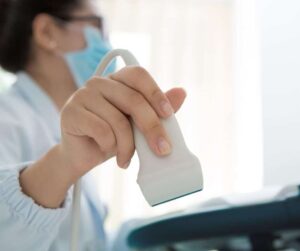
- Polycystic ovaries as identified via ultrasound, specifically the presence of 12 or more follicles in each ovary or increased ovarian volume.
The Chronology of PCOS Recognition and Diagnostic Standards
The medical understanding of PCOS has evolved significantly since it was first described in modern literature. The timeline of its diagnostic evolution reflects the growing sophistication of endocrinology and reproductive medicine.
- 1935: Doctors Irving Stein and Michael Leventhal first described the association between polycystic ovaries and a specific set of symptoms, leading the condition to be known as Stein-Leventhal Syndrome for several decades.
- 1990: The National Institutes of Health (NIH) held a consensus conference, defining PCOS primarily through the lens of hyperandrogenism and chronic anovulation, excluding the necessity of an ultrasound.
- 2003: The Rotterdam ESHRE/ASRM-Sponsored PCOS Consensus Workshop Group expanded the criteria to include the polycystic ovary morphology, creating the three-pillar system used by most clinicians today.
- 2006: The Androgen Excess and PCOS (AE-PCOS) Society suggested that hyperandrogenism should be a mandatory requirement for diagnosis, though the Rotterdam Criteria remains the most widely accepted framework.
- 2018-Present: International evidence-based guidelines have increasingly emphasized the need for early screening and the management of metabolic risks associated with the syndrome.
Analyzing the Diagnostic Delay: Supporting Data and Research
The "diagnostic odyssey" faced by women is supported by data from a landmark study led by Helena Teede and Melanie Gibson-Helm. Their research found that 33.6% of women reported a wait of over two years before receiving a PCOS diagnosis, and 47.1% saw three or more health professionals before the condition was confirmed. This delay is not merely an administrative hurdle; it carries significant psychological and physiological consequences.

Delayed diagnosis is linked to increased rates of anxiety and depression among patients, as well as a higher risk of developing preventable secondary conditions. Because PCOS is a primary driver of insulin resistance, undiagnosed patients are at a significantly higher risk for Type 2 diabetes, gestational diabetes, and cardiovascular disease. Furthermore, the absence of early intervention can lead to endometrial hyperplasia, a precursor to endometrial cancer, caused by the long-term absence of ovulation and the resulting lack of progesterone.
The Rise of At-Home Diagnostic Technology
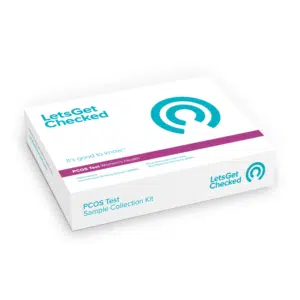
In response to the barriers of traditional clinical settings—including cost, time, and the "wait-and-see" approach often adopted by general practitioners—biotechnology companies have developed home-based testing kits. The Let’s Get Checked PCOS Home Test represents a significant advancement in this sector, utilizing laboratory-grade analysis to provide a biochemical snapshot of a woman’s hormonal health.
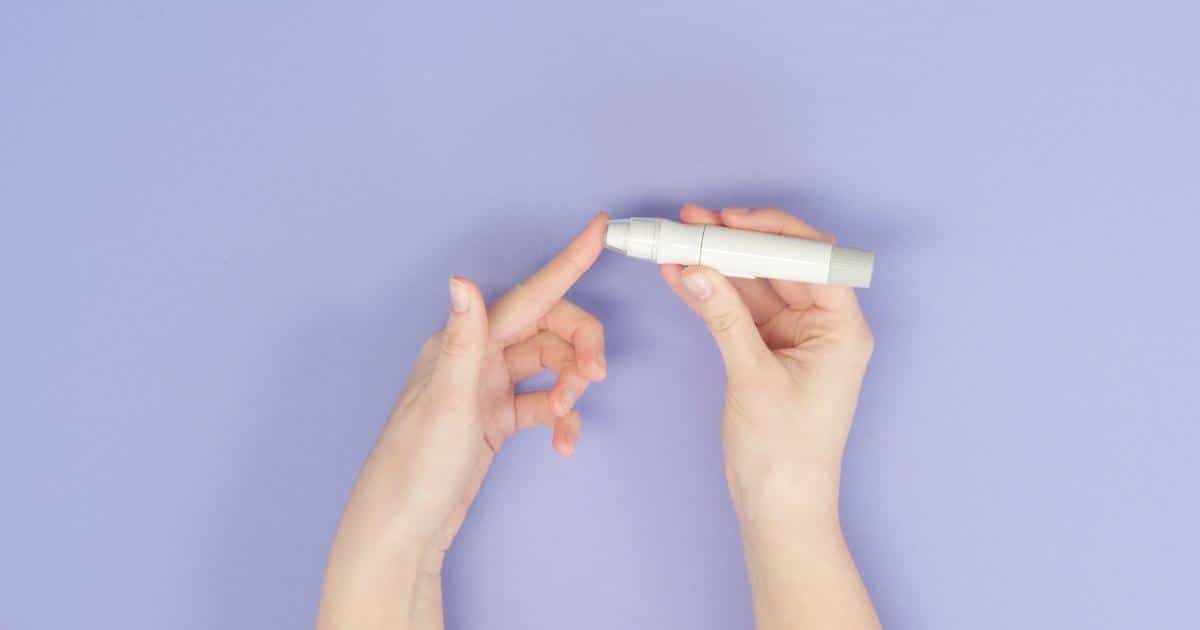
The test utilizes a capillary blood sample collected via a finger prick. This sample is then analyzed in CLIA-certified and CAP-accredited laboratories, the same facilities used by hospitals and physician offices. The home test specifically measures several key biomarkers:
- Testosterone: High levels can indicate hyperandrogenism.
- Sex Hormone-Binding Globulin (SHBG): This protein carries hormones through the blood; low levels often correlate with high "free" testosterone.
- Free Androgen Index (FAI): A calculated ratio determining the amount of testosterone available for use by the body.
- Follicle-Stimulating Hormone (FSH) and Luteinizing Hormone (LH): The ratio between these two hormones is often disrupted in women with PCOS.
- Prolactin: High levels can cause symptoms similar to PCOS and must be measured to rule out other pituitary issues.
Procedural Accuracy and Timing in Hormone Testing
For hormonal testing to be clinically relevant, timing is paramount. Hormones fluctuate throughout the menstrual cycle, meaning a random blood draw may yield misleading results. The Let’s Get Checked protocol mirrors clinical best practices by requiring samples to be collected during the early follicular phase—typically days three through five of a menstrual cycle.
For women with highly irregular cycles—a hallmark of PCOS—the protocol allows for testing on any three consecutive days, provided they are not on hormonal contraceptives. Birth control pills suppress the body’s natural hormone production, rendering any diagnostic test for PCOS inaccurate while the medication is in the system.
Differential Diagnosis and Medical Oversight
A critical component of a professional PCOS diagnosis is the "diagnosis of exclusion." Medical professionals must ensure that the symptoms are not caused by other endocrine disorders. These include:
- Thyroid Dysfunction: Hypothyroidism can cause irregular periods and weight gain.
- Cushing’s Syndrome: Excess cortisol can mimic the weight gain and hair growth of PCOS.
- Congenital Adrenal Hyperplasia (CAH): A genetic condition affecting the adrenal glands that can produce excess androgens.
- Hyperprolactinemia: Excess prolactin can stop ovulation.
The at-home testing model addresses this by providing a comprehensive report that can be shared with a physician. Let’s Get Checked employs a clinical team to review abnormal results and provide a nursing consultation to discuss the probable diagnosis. This bridge between home testing and clinical follow-up is designed to empower the patient with data, making the subsequent doctor’s visit more productive and targeted.
Broader Implications for Public Health and Patient Advocacy
The democratization of diagnostic testing reflects a broader trend toward patient-centered care. By providing women with the tools to initiate their own screening, the medical community can potentially reduce the two-year diagnostic gap. Early detection allows for lifestyle interventions—such as specialized nutrition and exercise protocols—that can mitigate insulin resistance and restore regular ovulation without immediate reliance on pharmaceuticals.
Furthermore, the economic impact of PCOS is substantial. In the United States alone, the annual cost of evaluating and treating PCOS is estimated at billions of dollars. Most of this cost is attributed to the treatment of long-term complications like diabetes and infertility. By streamlining the diagnostic process through accessible testing, healthcare systems can shift focus from reactive treatment to proactive management.

Conclusion: The Future of Reproductive Healthcare
The integration of at-home testing into the reproductive health framework does not replace the need for specialized medical care, such as transvaginal ultrasounds or consultations with reproductive endocrinologists. Instead, it serves as a sophisticated screening tool that validates patient concerns and accelerates the path to treatment.
As research continues to highlight the systemic failures in women’s healthcare—particularly regarding chronic hormonal conditions—tools like the PCOS Home Test provide a necessary alternative for those navigating a fragmented medical system. The goal of such innovations is to ensure that the "diagnostic odyssey" becomes a relic of the past, replaced by a streamlined, data-driven approach to female endocrine health. For the millions of women struggling with the symptoms of PCOS, the ability to obtain answers from home represents not just a convenience, but a critical step toward long-term health and wellness.
