
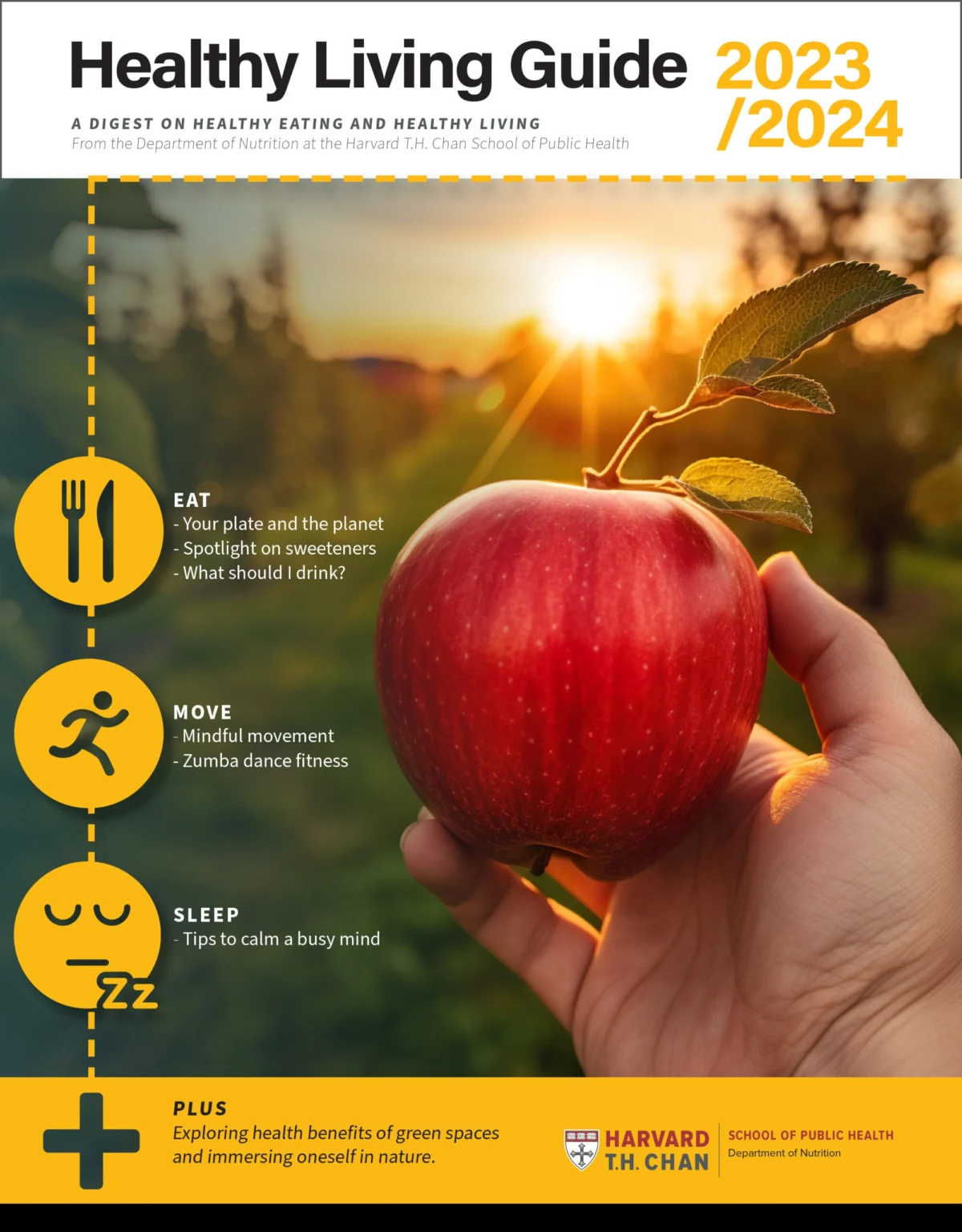
The Department of Nutrition at the Harvard T.H. Chan School of Public Health has officially released its fourth annual Healthy Living Guide, a comprehensive resource designed to bridge the gap between complex nutritional science and actionable public health habits. This year’s edition marks a significant shift in the institution’s research trajectory, heavily emphasizing the integration of mindfulness practices into global health strategies, following the landmark establishment of the Thich Nhat Hanh Center for Mindfulness in Public Health in 2023.
The Evolution of the Healthy Living Guide
The Healthy Living Guide series was conceived as a response to the growing public demand for evidence-based, simplified health guidance in an era of nutritional misinformation. Over the past four years, the publication has evolved from a basic dietary roadmap into a multi-dimensional toolkit that addresses the interconnectedness of nutrition, physical activity, sleep hygiene, and mental clarity.
The 2023–2024 edition arrives at a pivotal moment for public health. According to recent data from the World Health Organization, non-communicable diseases (NCDs) such as cardiovascular disease, diabetes, and obesity continue to account for nearly 74% of all global deaths. Harvard researchers argue that the traditional focus on caloric intake is no longer sufficient to combat these trends. Instead, the current guide posits that the psychological approach to consumption—how and why individuals eat—is just as critical as the nutritional composition of the food itself.
The Thich Nhat Hanh Center for Mindfulness in Public Health
The focal point of this year’s guide is the operational integration of the Thich Nhat Hanh Center for Mindfulness in Public Health. Launched in 2023, the center represents a formal academic commitment to studying "mindfulness" not as a subjective wellness trend, but as a measurable public health intervention.
The research conducted at the center explores the biological mechanisms behind mindful eating. Preliminary findings suggest that mindfulness can modulate the stress response, potentially reducing cortisol levels that contribute to metabolic syndrome and unhealthy cravings. By applying these concepts at a population level, the Department of Nutrition hopes to shift the narrative from individual willpower to environmental and psychological support systems. The guide invites readers to adopt a "mindful" perspective on food, suggesting that the act of eating is not merely fuel delivery but an engagement with the global ecosystem.
Research Highlights: Ultra-Processed Foods and Mental Health
A core component of the 2023-2024 guide is the synthesis of recent clinical data concerning the impact of ultra-processed foods (UPFs) on psychological well-being. Epidemiological studies cited in the guide indicate a strong correlation between the consumption of industrial, highly processed foods—characterized by high sugar, sodium, and artificial additive content—and increased rates of depression and anxiety.
The implications of this research are significant for public policy. As global food systems continue to prioritize shelf-stable, hyper-palatable goods, researchers are calling for a reassessment of dietary guidelines that go beyond simple macronutrient counting. The guide provides specific strategies for consumers to identify and replace these items with nutrient-dense, whole-food alternatives, emphasizing that mental health is intrinsically linked to gut health and the inflammatory responses triggered by processed additives.
Sleep Chronotypes and Physical Activity
Beyond nutrition, the guide provides an updated analysis of physical activity and sleep hygiene, two pillars of metabolic health that often receive less attention than diet. A particularly insightful section of the publication examines "chronotypes"—the biological classification of an individual’s internal circadian rhythm.
The research highlights how aligning physical activity with one’s natural chronotype—whether one is a "morning lark" or a "night owl"—can significantly improve adherence to exercise programs. For example, the guide notes that forcing a natural night owl into high-intensity morning workouts may increase physiological stress, whereas shifting that activity to later in the day may yield better cardiovascular outcomes and improved sleep quality.
The guide also addresses the "Zumba" effect, showcasing research on how movement combined with rhythmic music and social engagement improves long-term exercise compliance. This reflects a broader trend in public health: moving away from solitary, repetitive exercise toward activities that provide psychological gratification and social cohesion.
Chronology of Institutional Focus (2020–2024)
- 2020: The Department of Nutrition launches the inaugural Healthy Living Guide to combat the surge in sedentary lifestyles during the COVID-19 pandemic.
- 2021: The guide expands to include mental health resources, acknowledging the pandemic’s toll on global psychological well-being.
- 2022: The focus shifts to environmental sustainability, connecting planetary health to individual dietary choices.
- 2023: The establishment of the Thich Nhat Hanh Center for Mindfulness in Public Health marks a transition toward behavioral and mindfulness-based interventions.
- 2024: The fourth edition integrates these threads, offering a holistic, evidence-based manual for the modern public.
Institutional Response and Scientific Implications
Dr. Walter Willett, a prominent voice within the Department of Nutrition, has frequently noted that public health initiatives are often hampered by their inability to reach the average person in a way that is both intellectually rigorous and practically applicable. The release of this guide is an attempt to rectify that. By utilizing printable tip sheets and modular summaries, the department is actively working to democratize high-level academic research.
From a policy perspective, the implications of this year’s guide are clear: personal health cannot be separated from the environment or the mind. The emphasis on the "body of the cosmos"—a sentiment borrowed from Thich Nhat Hanh—is not just a philosophical flourish but a call to action for sustainable, conscious consumption that benefits both the individual and the planet.
Addressing the Knowledge Gap: Testing Public Understanding
To encourage active engagement with these concepts, the 2023–2024 edition includes an interactive assessment component. By challenging readers to test their knowledge against previous editions, the guide encourages a continuous learning loop. This pedagogical approach is designed to reinforce long-term behavioral changes rather than temporary "new year, new me" resolutions.
Conclusion and Future Outlook
As the global community faces unprecedented health challenges, ranging from the obesity epidemic to the rising prevalence of mood disorders, resources like the Healthy Living Guide serve as essential navigational tools. The 2023–2024 edition does not merely suggest what to eat; it suggests how to exist within a world of complex dietary choices and fast-paced living.
The integration of mindfulness into the scientific discourse of nutrition marks a significant milestone in public health. By acknowledging that human health is a holistic endeavor—encompassing the brain, the body, and the environment—the Department of Nutrition at the Harvard T.H. Chan School of Public Health is setting a new standard for how academic institutions can contribute to the daily lives of citizens. The publication serves as a timely reminder that small, mindful adjustments to daily routines can yield profound, long-term health benefits, fostering a more resilient population capable of navigating the demands of the modern era. The guide is currently available as a free download, providing an accessible pathway for anyone seeking to improve their quality of life through the lens of objective, verified science.
