

Polycystic Ovary Syndrome (PCOS) has emerged as a significant global health challenge, affecting an estimated 8% to 13% of reproductive-aged women worldwide. While traditionally viewed through the lens of reproductive health, modern clinical consensus now recognizes PCOS as a complex multi-systemic metabolic disorder. Among its most pervasive symptoms is the difficulty of weight management, a struggle rooted in profound hormonal and biochemical imbalances. Recent clinical research and integrative medical practices have highlighted five specific supplements—Inositol, N-acetylcysteine (NAC), Omega-3 fatty acids, Berberine, and Vitamin D—as potent tools in addressing the underlying mechanisms that hinder weight loss in women with this condition.
The Metabolic Framework of PCOS-Related Weight Gain
To understand the efficacy of supplementation, it is necessary to examine the pathophysiology of PCOS. The condition is frequently characterized by a "vicious cycle" involving insulin resistance and hyperandrogenism. Between 50% and 70% of women with PCOS exhibit some degree of insulin resistance, regardless of their Body Mass Index (BMI). When the body’s cells become less responsive to insulin, the pancreas compensates by overproducing the hormone. Elevated insulin levels, in turn, stimulate the ovarian theca cells to produce excess androgens, such as testosterone.
This hormonal environment promotes "android" or central adiposity—weight gain primarily located in the abdominal region. This visceral fat is metabolically active and pro-inflammatory, further exacerbating insulin resistance and creating a self-sustaining cycle of metabolic dysfunction. Standard weight loss advice—"eat less and move more"—often proves insufficient for this population because it does not address the underlying hormonal drivers that suppress fat oxidation and increase appetite.
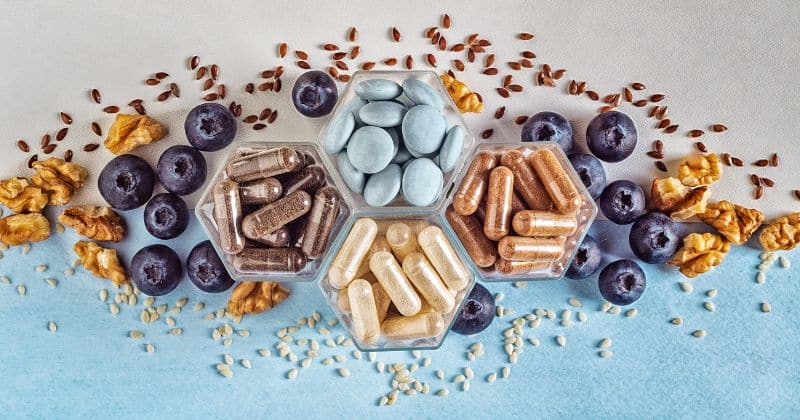
1. Inositol: The Insulin Sensitizer
Inositol, historically classified as Vitamin B8, is a carbocyclic sugar that plays a critical role as a secondary messenger in insulin signaling. In the context of PCOS, two specific isomers—Myo-inositol (MI) and D-chiro-inositol (DCI)—have been the subject of extensive clinical trials.
Clinical Mechanisms and Ratios
Research suggests that women with PCOS often have a defect in the enzyme responsible for converting MI to DCI, leading to an imbalance that impairs insulin action. Supplementation helps restore this balance. A landmark study published in the journal Gynecological Endocrinology demonstrated that a 40:1 ratio of MI to DCI is the most effective physiological proportion for restoring ovulation and improving metabolic parameters.
Impact on Weight and Metabolism
By improving insulin sensitivity, Inositol reduces the circulating levels of insulin. Lower insulin levels lead to a decrease in androgen production, which helps mitigate the hormonal drive for abdominal fat storage. Furthermore, Inositol has been linked to improved levels of leptin, the "satiety hormone," which can help regulate appetite and reduce the frequent "carb cravings" reported by many patients.
2. N-acetylcysteine (NAC): Antioxidant and Metabolic Support
N-acetylcysteine (NAC) is a derivative of the amino acid L-cysteine and a precursor to glutathione, the body’s most powerful endogenous antioxidant. While long used in emergency medicine for acetaminophen toxicity, its application in PCOS has gained traction due to its ability to combat oxidative stress and improve glucose metabolism.

The Metformin Comparison
In several randomized controlled trials, NAC has been compared to Metformin, the standard pharmaceutical intervention for insulin resistance. A study published in the European Journal of Obstetrics & Gynecology and Reproductive Biology found that NAC performed comparably to Metformin in reducing BMI and hirsutism (excess hair growth) while causing fewer gastrointestinal side effects.
Adiponectin Regulation
NAC contributes to weight loss by increasing levels of adiponectin, a protein hormone involved in regulating glucose levels and fatty acid breakdown. Higher adiponectin levels are associated with lower body fat percentages. Additionally, by reducing systemic inflammation, NAC helps break the link between obesity and insulin resistance, making the body more receptive to the effects of diet and exercise.
3. Omega-3 Fatty Acids: Combating Chronic Inflammation
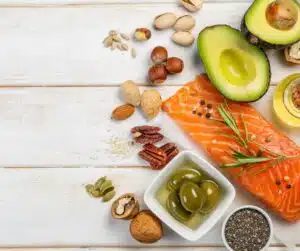
Omega-3 fatty acids, particularly Eicosapentaenoic acid (EPA) and Docosahexaenoic acid (DHA), are essential fats known for their potent anti-inflammatory properties. For women with PCOS, chronic low-grade inflammation is a primary driver of both insulin resistance and cardiovascular risk.
Lipid Profile and Androgen Reduction
Clinical data indicates that Omega-3 supplementation can significantly improve the lipid profile of women with PCOS, lowering triglycerides and increasing "good" HDL cholesterol. More importantly for weight loss, a study in the Journal of Research in Medical Sciences found that Omega-3s can reduce concentrations of bioavailable testosterone. By lowering androgen levels, these fatty acids help shift the body’s fat distribution away from the abdomen.
Appetite Suppression
Emerging research also suggests that Omega-3s may influence the signals that control hunger. By modulating the expression of genes involved in fat metabolism and increasing the thermic effect of food, Omega-3s provide a multi-faceted approach to weight management in a metabolically compromised system.
4. Berberine: The Botanical Alternative to Metformin
Berberine is a bioactive compound extracted from several different plants, including goldenseal and barberry. It has been used in Traditional Chinese Medicine for centuries, but modern pharmacology has identified it as one of the few natural compounds capable of activating AMP-activated protein kinase (AMPK).
AMPK Activation
AMPK is often referred to as a "metabolic master switch." When activated, it improves insulin sensitivity, promotes fat burning in the mitochondria, and inhibits the production of glucose in the liver. A 2012 study published in Fertility and Sterility found that berberine was more effective than metformin in reducing visceral fat and improving the endocrine profile in women with PCOS.
Gut Microbiome Modulation
Recent analysis suggests that Berberine also aids weight loss by modulating the gut microbiome. It appears to reduce the prevalence of "obesogenic" bacteria while promoting species that support a healthy metabolism. This dual action—metabolic activation and gut health support—makes Berberine a formidable tool for those struggling with PCOS-related weight plateaus.
5. Vitamin D: The Pro-Hormone for Metabolic Health
Despite its name, Vitamin D functions more like a pro-hormone than a vitamin, with receptors located in almost every tissue of the body, including the pancreas and fat cells. Deficiency is alarmingly common, with studies suggesting that up to 85% of women with PCOS have insufficient levels of Vitamin D.
Insulin Secretion and Sensitivity
Vitamin D is essential for the normal secretion of insulin from the pancreatic beta cells. It also enhances insulin sensitivity by stimulating the expression of insulin receptors. Clinical trials have shown that correcting a Vitamin D deficiency can lead to significant reductions in fasting glucose and a decrease in the Homeostatic Model Assessment of Insulin Resistance (HOMA-IR) score.
Influence on Adipogenesis
Vitamin D also plays a role in adipogenesis—the process by which new fat cells are formed. Adequate levels of Vitamin D have been shown to inhibit the differentiation of pre-adipocytes into mature fat cells, potentially slowing the rate of weight gain. Furthermore, its role in mood regulation can indirectly support weight loss by reducing emotional eating associated with the depression and anxiety frequently comorbid with PCOS.
Timeline of Integrative Treatment Evolution
The shift toward using these supplements marks a significant evolution in the timeline of PCOS treatment:
- 1935: PCOS is first described by Stein and Leventhal; treatment is primarily surgical.
- 1960s-1980s: Focus shifts to hormonal contraceptives and ovulation induction.
- 1990s: The link between PCOS and insulin resistance is solidified, leading to the off-label use of Metformin.
- 2010s: Large-scale meta-analyses begin to validate the efficacy of Inositol and Berberine, leading to their inclusion in integrative protocols.
- Present Day: International evidence-based guidelines emphasize a holistic approach, where targeted supplementation supports lifestyle modifications to address the root causes of the syndrome.
Analysis of Implications and Broader Impact
The integration of these supplements into standard care represents a paradigm shift toward "personalized metabolic medicine." For the patient, the implications are profound. Successfully managing weight through these biochemical pathways does more than improve self-image; it significantly reduces the long-term risk of Type 2 diabetes, non-alcoholic fatty liver disease (NAFLD), and cardiovascular disease.
Furthermore, the use of natural supplements offers an alternative for women who cannot tolerate the side effects of pharmaceutical interventions like Metformin, which often causes significant gastrointestinal distress. However, medical professionals stress that these supplements are not "magic pills." They function most effectively when paired with a low-glycemic index diet, regular resistance training, and adequate stress management.
Official Responses and Clinical Caution
Medical organizations, including the Androgen Excess and PCOS Society, maintain that while the evidence for these supplements is encouraging, patients should proceed with caution. Supplement quality can vary significantly between brands, and dosages must be tailored to the individual.
"Supplements should be viewed as a component of a comprehensive management plan," states the consensus among reproductive endocrinologists. "It is vital for patients to consult with healthcare providers to screen for potential interactions with other medications and to ensure that the chosen supplements are appropriate for their specific hormonal profile."
As research continues to unfold, the role of targeted supplementation in PCOS management is likely to expand, offering new hope for women seeking to reclaim their metabolic health and overcome the biological hurdles to weight loss.
