
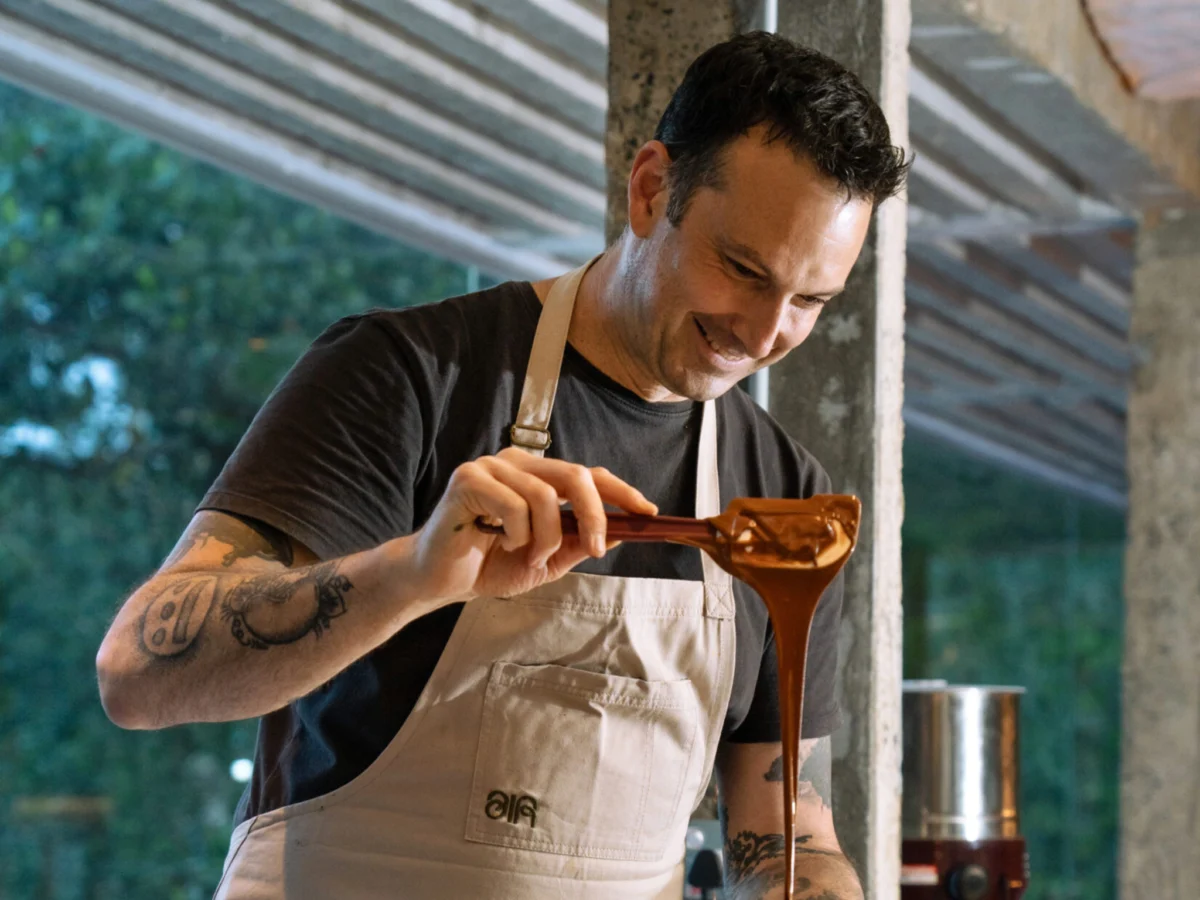
The global confectionery industry is undergoing a structural transformation driven by severe climate pressures, supply chain volatility, and shifting consumer preferences toward sustainable nutrition. At the vanguard of this movement is Endless Food Co, an innovative Danish food technology startup that has officially entered into a high-profile strategic partnership with the Italian confectionery legacy brand Loacker Group. Announced following its selection as one of the inaugural recipients of Loacker’s corporate venture capital (VC) initiative, this collaboration aims to accelerate the technical development, product innovation, and international market penetration of Endless Food Co’s flagship bean-free chocolate alternative, marketed as THIC (This Isn’t Chocolate).
This milestone funding initiative, managed through the Loacker Investment Office, distributes a collective annual pool of €1 million to high-growth startups dedicated to radically transforming the modern food system. Endless Food Co secured its position alongside Dr Taste—a specialized firm utilizing neuroscientific and sensory predictive platforms to decode consumer responses—surpassing numerous applicants for the coveted corporate backing. For the Copenhagen-based startup, the alliance with a centenarian confectionery titan marks a critical validation of its upcycling technology, bridging the gap between avant-garde culinary science and legacy industrial manufacturing.
Culinary Roots and the Genesis of Upcycled Innovation
Established in 2022, Endless Food Co was conceived by a trio of seasoned food professionals sharing deep roots in sustainable gastronomy: Christian Bach, Maximilian Bogenmann, and Matthew Orlando. Orlando, widely recognized as one of the world’s preeminent chefs, built an esteemed career in some of the globe’s most celebrated Michelin-starred kitchens, including Noma in Denmark, The Fat Duck in the United Kingdom, Aureole, and Le Bernardin in the United States. Furthermore, Orlando formerly owned Amass, an acclaimed eco-conscious restaurant in Copenhagen where the co-founders originally collaborated and refined their ethos regarding circular gastronomy.
Drawing from their collective experience in high-end culinary arts and sustainable dining, the founders set out to address one of the most pressing agricultural and environmental crises of the modern era: the systemic vulnerabilities of the global cocoa supply chain coupled with pervasive food waste. By leveraging upcycling methodologies, Endless Food Co transforms industrial organic byproducts into a sustainable, climate-resilient alternative to traditional cocoa-based chocolate, effectively redefining how the confectionery sector approaches raw material sourcing.
Decoding THIC: The Science Behind Bean-Free Confectionery
The manufacturing process behind THIC relies heavily on the valorization of localized industrial side streams that would otherwise be underutilized, discarded, or relegated to low-value applications. The primary raw ingredients include brewer’s spent grain (BSG)—the solid, protein-rich residue of malted barley left over from commercial beer production—alongside cacao husks and the fibrous pulp generated during the commercial manufacture of oat milk. These upcycled components comprise up to 40% of the final THIC formulation, and are meticulously blended with wild-harvested shea butter and organic beet sugar to achieve the desired mouthfeel and structural integrity.
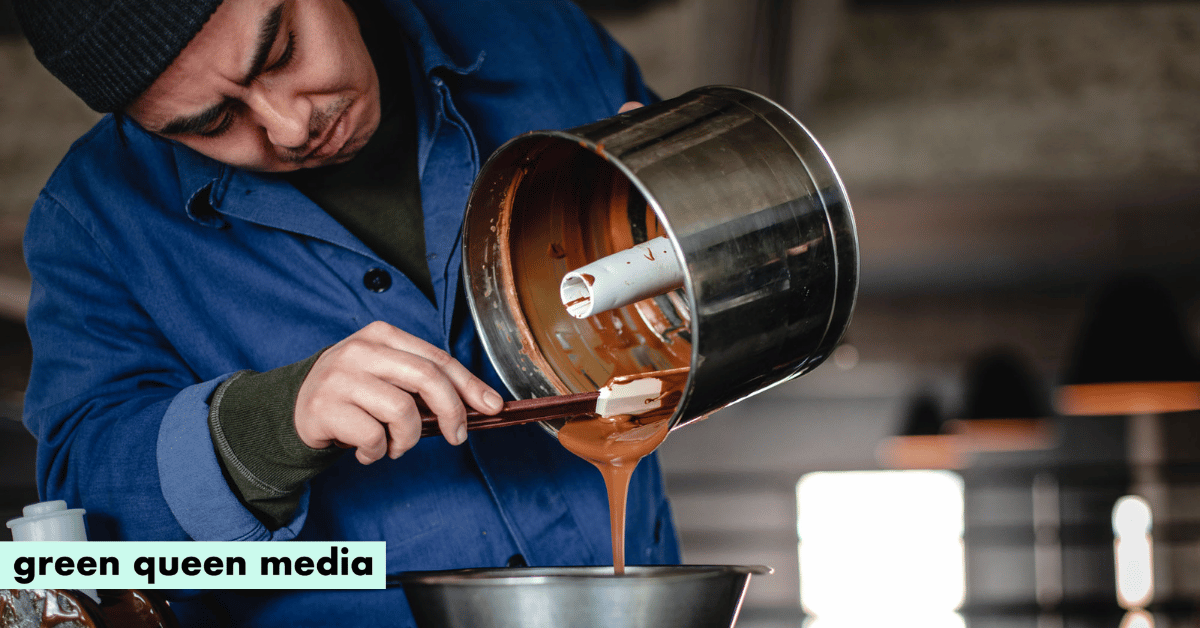
To replicate the complex organoleptic properties of conventional chocolate, Endless Food Co mirrors traditional bean processing methods. The proprietary ingredient mix is initially milled into a fine powder capable of direct integration into existing industrial chocolate production lines. This powder is subsequently refined using a precision stone grinder and processed through a conche—a surface-scraping mixer that homogenizes and aerates the mass. The resulting fluid is then channeled through standard tempering and molding machinery, yielding blocks, chunks, granulates, and powders.
This seamless industrial compatibility allows commercial food manufacturers, bakeries, and food service operators to incorporate THIC into a vast array of finished goods—such as cookies, brownies, ice creams, mousses, ganaches, and pastries—without necessitating costly alterations to their existing recipes, baking schedules, or equipment infrastructure.
Convergence of Expertise and Strategic Objectives
Under the terms of the newly established partnership, Endless Food Co will integrate its localized raw material supply chain, expanding Nordic customer network, and hands-on confectionery manufacturing experience with Loacker’s century-old category expertise, technical development capabilities, and robust financial capital.
The collaboration aligns closely with the core investment criteria established by the Loacker Group, which prioritizes pioneering natural ingredients, delivering balanced nutrition without compromising on flavor, driving systemic circular economy solutions, and enhancing supply chain transparency through advanced data analytics.
Andreas Loacker, Vice President of the Italian confectioner, emphasized the strategic rationale behind the investment. While acknowledging that cocoa remains an indispensable cornerstone of Loacker’s product portfolio, he noted that the company recognizes the necessity of exploring forward-thinking approaches to foster a more resilient and sustainable global food system. Consequently, the enterprise has chosen to back Endless Food Co’s proprietary technology, offering both financial backing and institutional expertise to guide its commercial expansion.
Maximilian Bogenmann, Chief Executive Officer of Endless Food Co, characterized the partnership as an energizing and validating milestone for the organization. He highlighted the honor of aligning with an enterprise possessing deep-rooted technical proficiency and a history steeped in quality confectionery craftsmanship. Bogenmann reiterated the startup’s foundational philosophy: rather than operating in isolation from the established confectionery sector, Endless Food Co aims to build its capabilities in collaboration with the chocolate industry, ensuring long-term systemic impact.
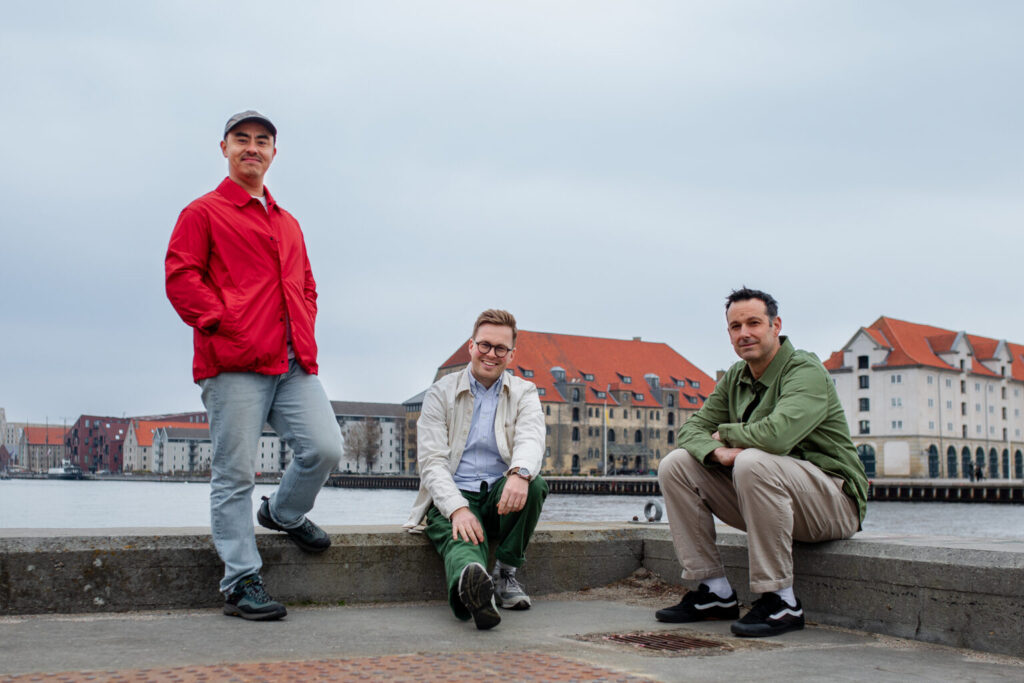
Echoing this sentiment, Christian Bach, Chief Operating Officer of the startup, remarked on Loacker’s longevity and market intelligence. He observed that the Italian firm achieved its century-long market tenure not by blindly chasing fleeting ingredient trends, but by maintaining a profound, granular understanding of the confectionery space. The decision by such an established player to place confidence in an alternative ingredient startup serves as a powerful endorsement of Endless Food Co’s trajectory within the evolving indulgence market.
Macroeconomic Pressures and the Urgency of Cocoa Alternatives
The strategic pivot toward bean-free chocolate alternatives is occurring against a backdrop of unprecedented turbulence within the global agricultural commodities market. Throughout 2024, extreme weather phenomena, prolonged droughts, and aggressive plant diseases severely impacted cocoa plantations across the Ivory Coast and Ghana—the two nations responsible for the majority of the world’s cocoa supply. These compounding environmental and biological stressors drove global cocoa inventories down to their lowest levels in a decade, pushing commodity prices to historic, all-time highs.
Projections from agricultural scientists and climate researchers indicate that if current environmental degradation trends persist, up to one-third of the world’s cocoa-producing trees could become non-viable by the year 2050. Furthermore, conventional chocolate production is associated with a heavy environmental footprint. Data shows that cultivating and processing cocoa generates higher greenhouse gas emissions than almost any other agricultural food product except beef, with a single standard chocolate bar demanding an estimated 1,700 liters of water during its lifecycle.
In contrast, life-cycle assessments indicate that Endless Food Co’s THIC reduces greenhouse gas emissions by approximately 85% compared to conventional dark chocolate. The sustainability profile is further bolstered by the sheer scale of the waste streams it harnesses. Brewer’s spent grain accounts for roughly 85% of total waste generated by the brewing sector, translating to an estimated 36.4 million tonnes produced globally each year. While the majority of this residue is conventionally diverted to low-value uses such as animal feed or biofuel production—with a significant fraction still reaching municipal landfills—upcycling it into human food elevates its resource efficiency. Similarly, cocoa production discards approximately 70% to 80% of the harvested fruit, despite its rich nutritional and functional composition.
Market Traction and Commercial Expansion
Endless Food Co has steadily transitioned from a concept-stage enterprise into a commercially viable ingredient supplier. The company secured an early €1 million pre-seed funding round in 2024, providing the initial capital required to scale its operational footprint. Its market validation is underscored by a series of high-profile commercial partnerships across Europe.
Among its early retail deployments, Endless Food Co partnered with 7-Eleven Denmark to introduce cookies formulated with THIC across all 180 stores nationwide. Additional commercial collaborations include a partnership with German cereal manufacturer Barnhouse to develop a specialized vegan granola, and a supply agreement with Danish food distributor Banana Cph for integration into commercial sheet cakes. Furthermore, the startup supplies independent bakeries throughout Europe and has established a major distribution agreement within the Danish food service sector.
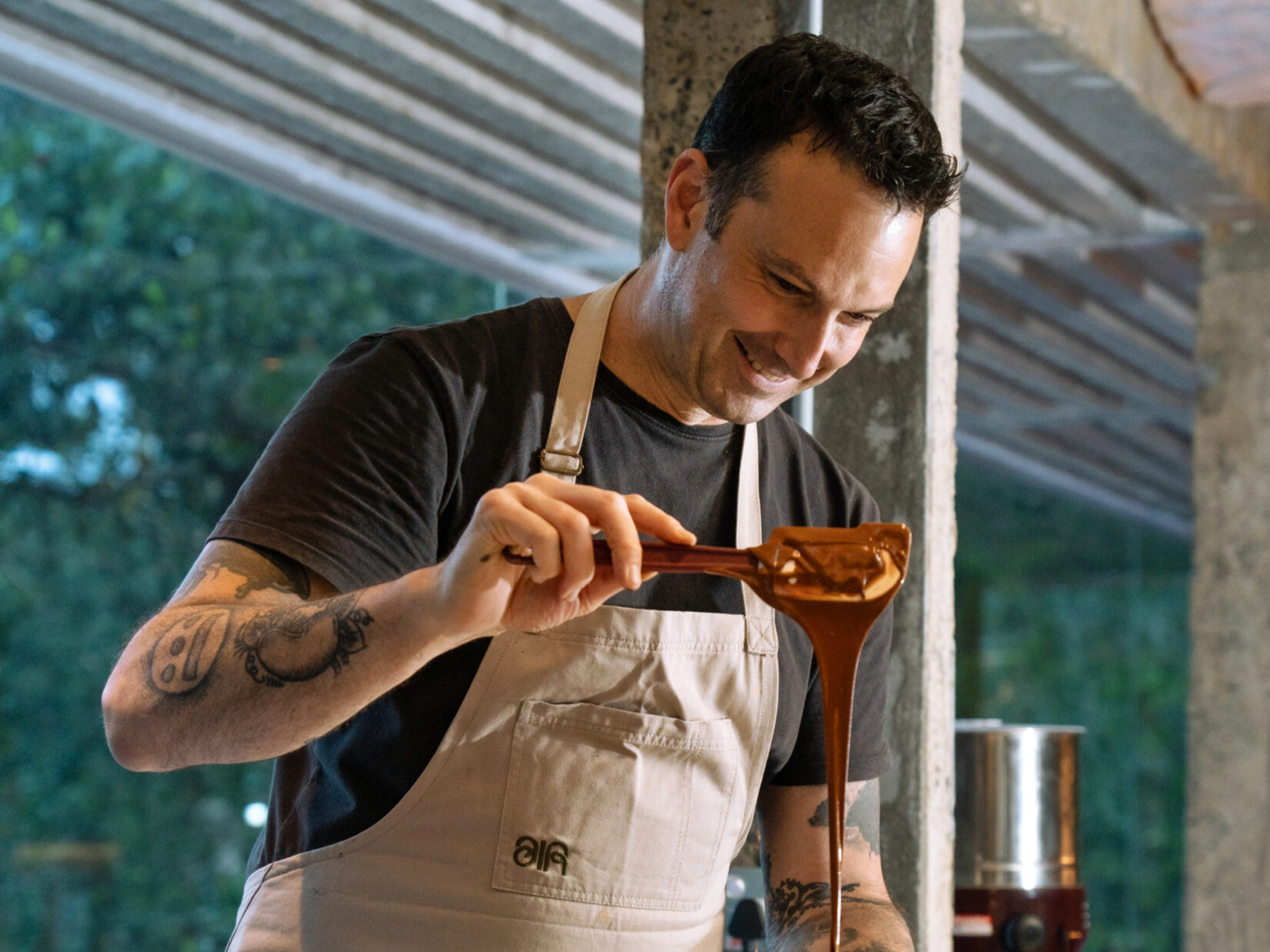
To accommodate surging demand, Endless Food Co is actively developing a dedicated 3,800-square-foot manufacturing facility in Denmark. Once fully operational, the production plant is projected to scale output to 20 tonnes of upcycled chocolate alternative per month, positioning the firm to meet the rigorous supply chain demands of industrial-scale food manufacturers.
The Broader Landscape of Alternative Confectionery
Endless Food Co operates within an increasingly dynamic ecosystem of food technology startups dedicated to alleviating the structural vulnerabilities of the cocoa industry. Across Europe and North America, a wave of innovators has successfully attracted substantial venture capital and forged strategic alliances with multinational conglomerates collectively known as "Big Chocolate."
Notable peers in this sector include Planet A Foods, a German startup producing cocoa-free chocolate under the Choviva brand, which has secured partnerships with major players such as Nestlé, Barry Callebaut, and Lindt’s corporate venture arm, Sparkalis. Similarly, US-based Voyage Foods has collaborated with agricultural giant Cargill to commercialize beanless chocolate spreads and coffee alternatives, while Celleste Bio and California Cultured are pioneering cell-based cocoa butter and powder production backed by institutional heavyweights like Mondelēz International, Mars, Puratos, and Döhler Group.
As legacy confectionery brands face mounting pressure to meet ambitious corporate sustainability targets while insulating their supply chains from climate-induced price shocks, corporate venture investments in startups like Endless Food Co are expected to accelerate. By bridging the gap between circular economy principles and industrial-scale manufacturing, these strategic partnerships are laying the groundwork for a more resilient, resource-efficient future for the global confectionery market.
