
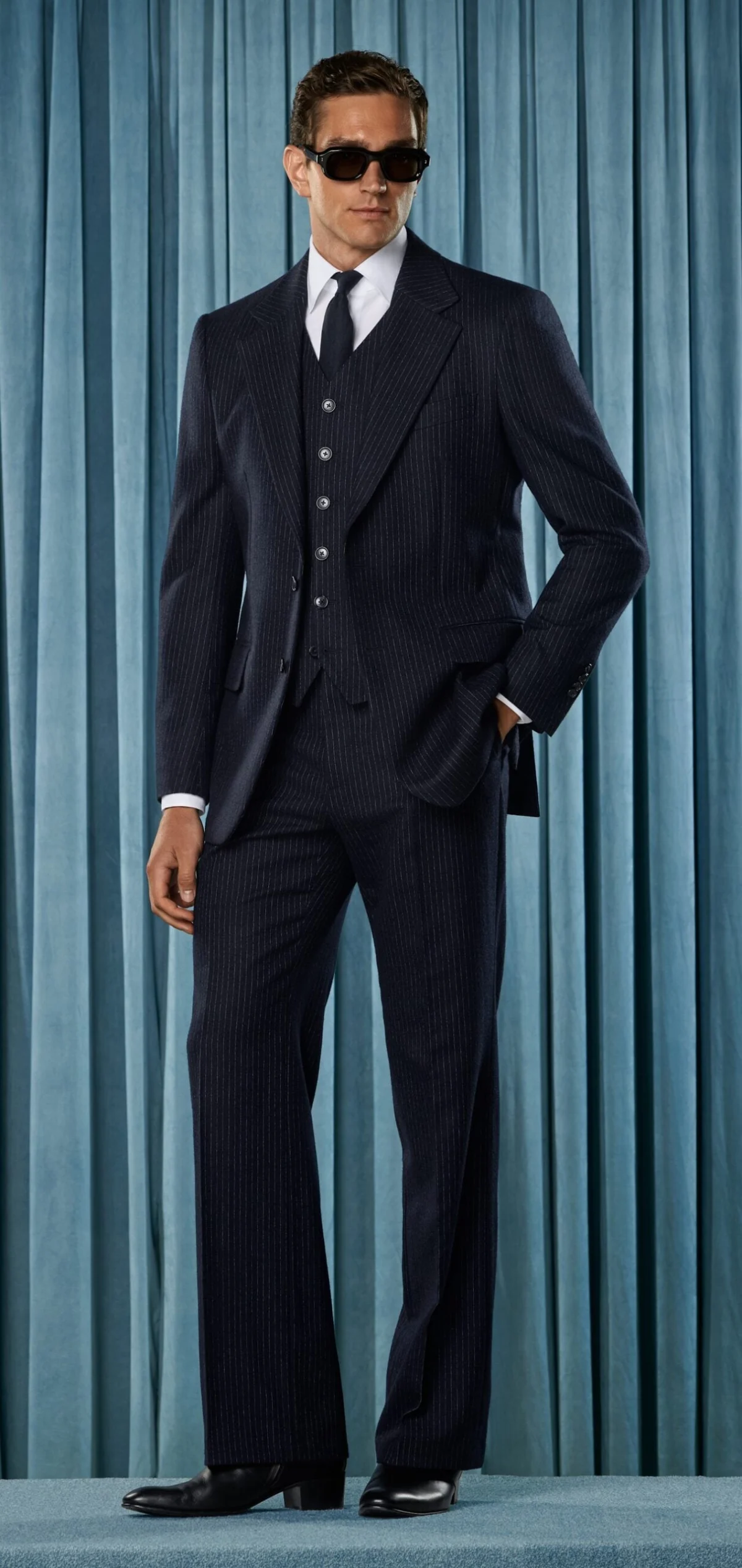
The landscape of modern menswear has undergone a significant transformation over the last decade, with the boundary between traditional bespoke tailoring and accessible, ready-to-wear retail becoming increasingly blurred. Suitsupply, a global tailoring house founded in 2000, has positioned itself at the epicenter of this shift. As of late 2026, the company’s retail strategy—characterized by a high-traffic location on London’s Vigo Street, just steps from the historic Savile Row—serves as a physical manifestation of its competitive positioning: offering a premium, tailored aesthetic at a price point that challenges the traditional gatekeepers of high-end menswear.

A Chronology of Modern Tailoring Evolution
To understand the current market standing of Suitsupply, one must examine the evolution of the suit industry since the early 2000s. At the turn of the millennium, the market was largely binary: consumers chose between mass-market, fused-construction suits that lacked durability and style, or high-end bespoke garments that required multiple fittings and significant capital.
Suitsupply emerged by adopting a vertical integration model. By controlling the entire supply chain—from the sourcing of Italian fabrics to the final retail experience—the brand managed to reduce overhead costs typically associated with luxury labels. By 2015, the brand had expanded into key international markets, including the United States, Japan, and China. Throughout 2024 and 2025, the company focused heavily on digitizing the tailoring experience, introducing sophisticated online configuration tools and an automated "Size Passport" system, which tracks individual body measurements to streamline subsequent purchases. This technological integration has allowed them to compete not just on price, but on the convenience of a personalized fit.

The Economics of Customization
The Custom Made service offered by Suitsupply represents a strategic pivot toward the "mass-customization" business model. According to internal reports from the tailoring industry, demand for personalized garments has risen by approximately 18% annually since 2022. Suitsupply’s response has been to curate an inventory of over 700 Italian-sourced fabrics, ranging from high-twist merino wools for all-season utility to seasonal textiles like cashmere and silk blends.
From an operational standpoint, the company’s ability to guarantee a delivery window of two to three weeks for custom pieces is a significant competitive advantage. Traditional bespoke houses often require lead times ranging from three to six months. By utilizing standardized patterns that are adjusted via proprietary software before the cutting process, Suitsupply bridges the gap between the speed of retail and the exclusivity of made-to-measure tailoring. This logistical efficiency has made them a preferred choice for the modern professional who requires a quick turnaround without sacrificing aesthetic standards.
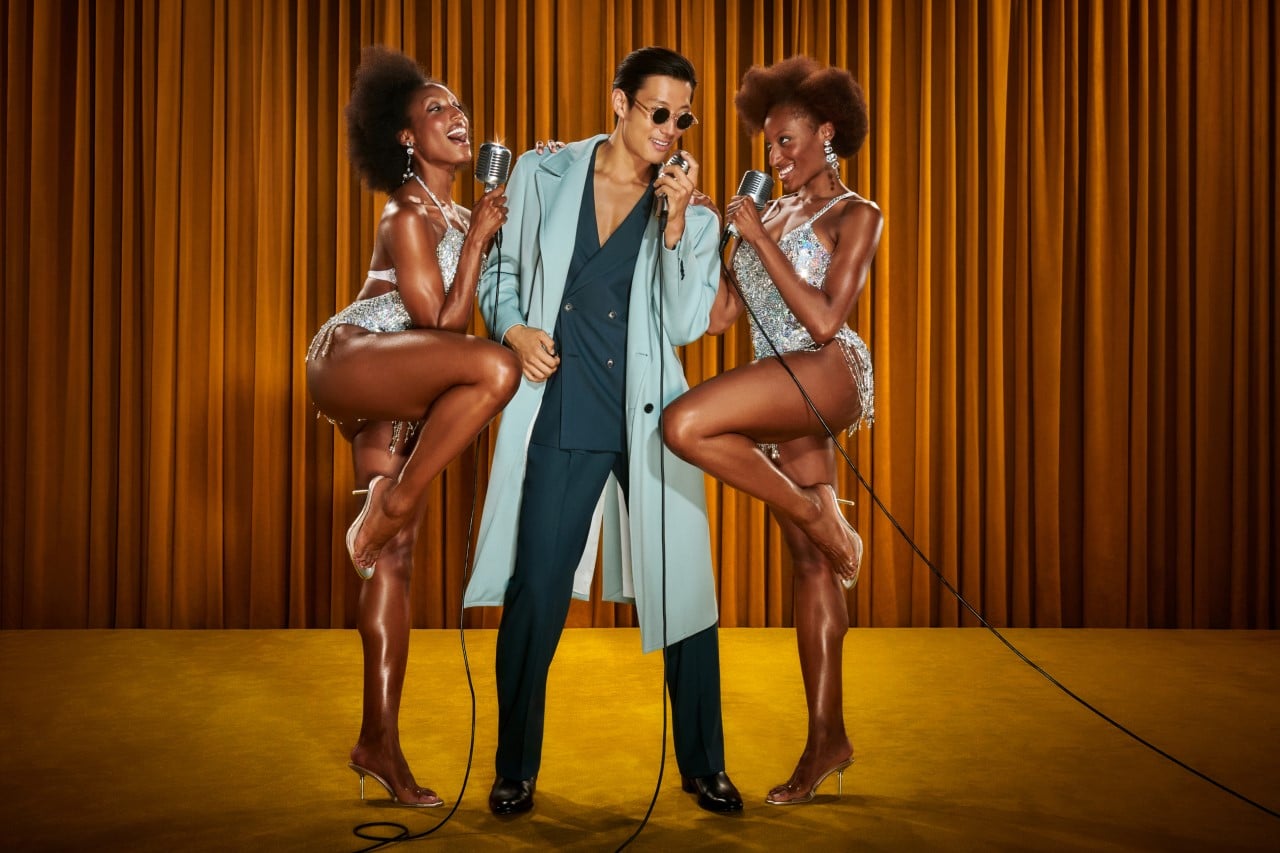
Technical Specifications and Construction Standards
The distinction between Suitsupply’s various product lines—such as the Havana, Milano, and Roma fits—is rooted in specific construction techniques that have become benchmarks for mid-market menswear. The brand’s reliance on half-canvas construction in its core offerings allows for a balance of structure and breathability.
Data analysis of their current 2026 collection highlights the following technical attributes:
- Shoulder Construction: A move toward natural, unpadded shoulders in their "relaxed fit" lines, reflecting a broader industry trend toward comfort-oriented tailoring.
- Fabric Weight: A shift toward S110’s and S130’s wool counts, which offer a balance between fine-hand feel and fabric longevity.
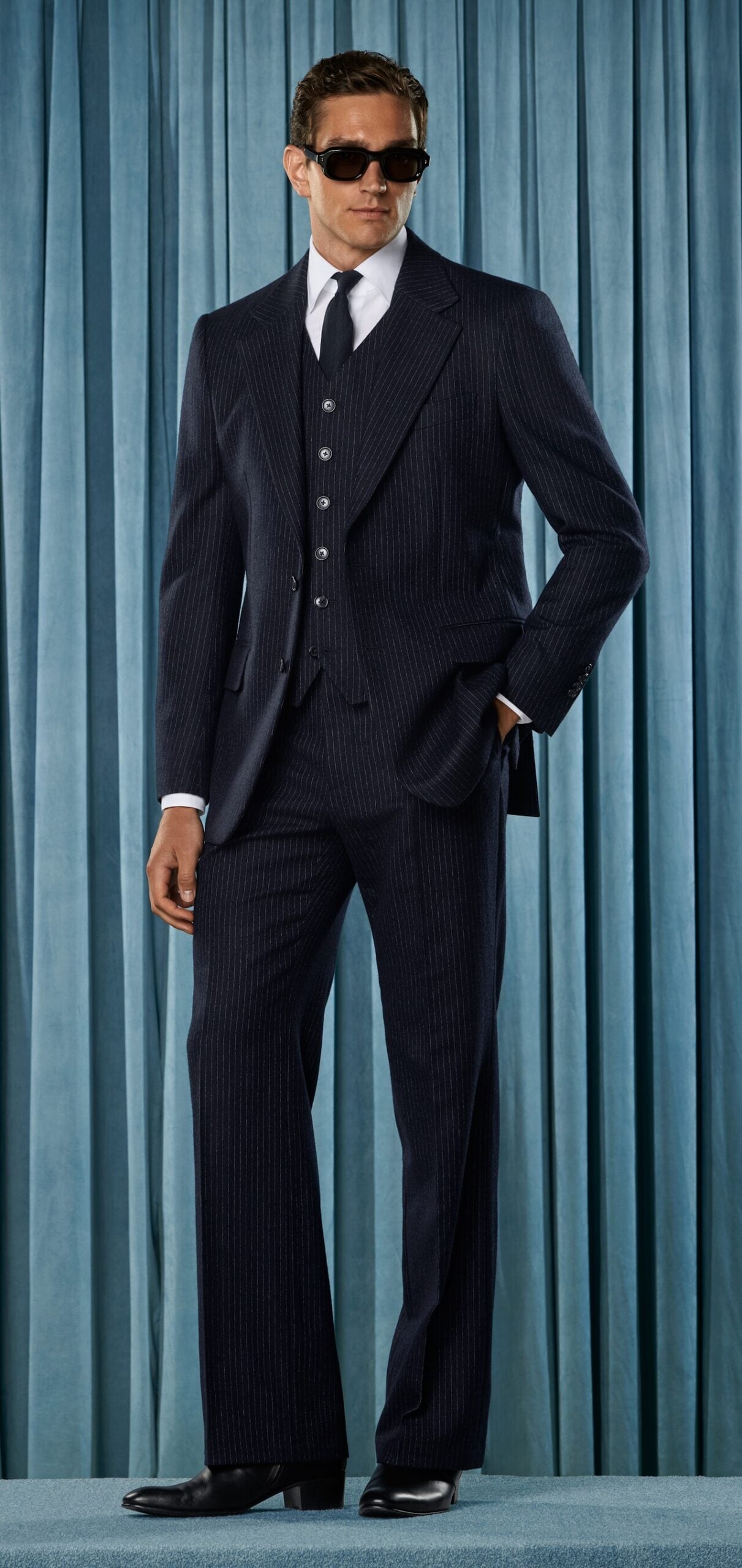
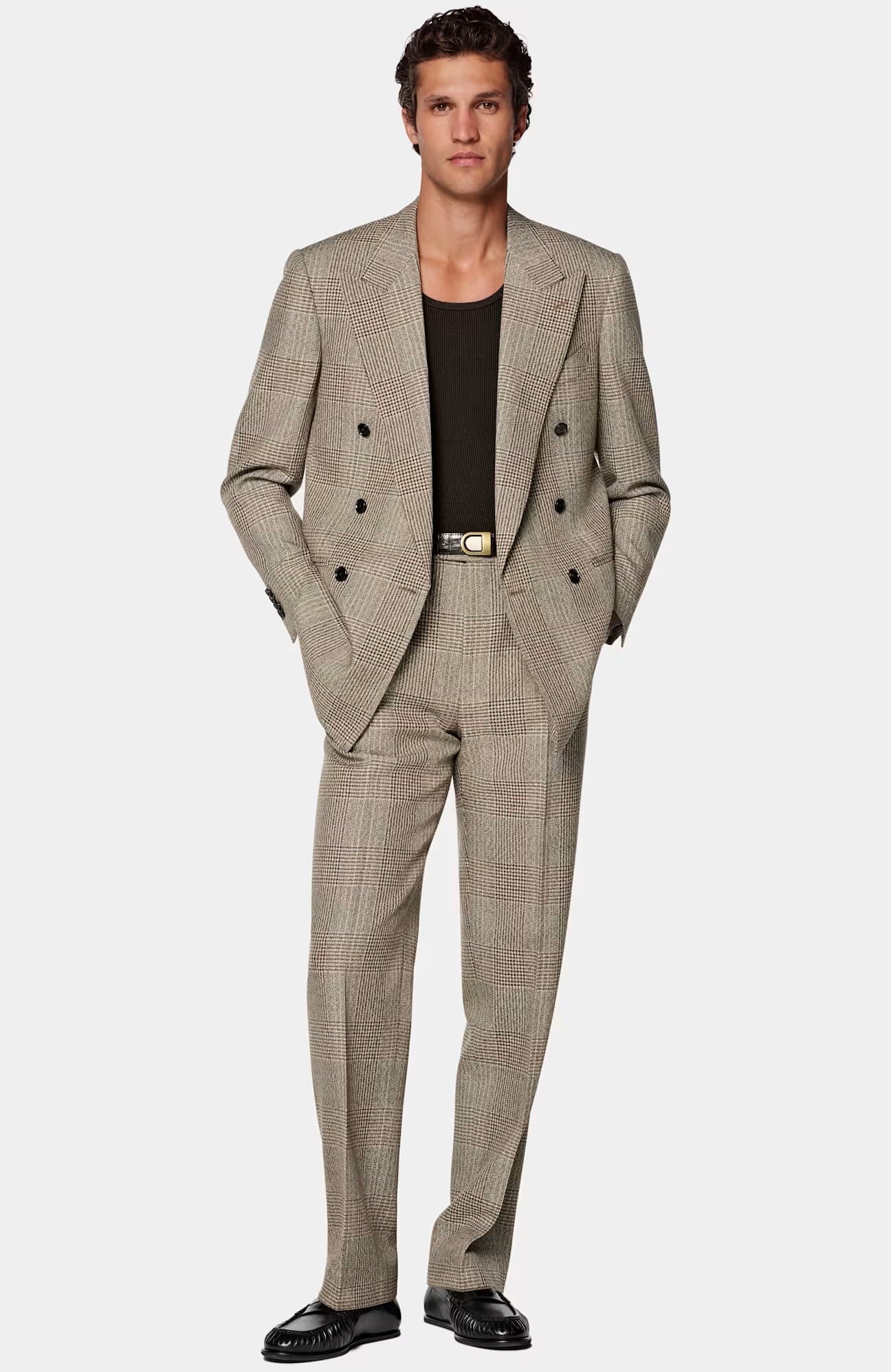
- Silhouette Trends: The 2026 lineup features a consistent move toward higher-rise trousers and wider leg openings, a departure from the ultra-slim silhouettes that dominated the 2010s.
Market Impact and Industry Reactions
The proximity of the Vigo Street store to Savile Row is more than a geographic coincidence; it is a calculated brand statement. Industry analysts note that while Suitsupply does not claim to offer the hand-stitched, artisanal labor of a traditional bespoke tailor, it has successfully captured a demographic that respects the heritage of Savile Row but prioritizes modern utility.
Critics within the traditional tailoring guild have occasionally pointed to the mechanical nature of the brand’s production, yet the market data indicates a different story. The brand’s growth suggests that the "new consumer" prioritizes the visual language of quality—lapel width, canvas roll, and fabric texture—over the historical process of creation. By democratizing these design elements, Suitsupply has forced traditional houses to reconsider their own entry-level offerings, often leading to more flexible pricing and digital services across the board.
Strategic Recommendations for the Fall 2026 Season
As the menswear market enters the final quarter of 2026, the shift toward heavier, textured fabrics remains the primary trend. For the informed consumer, the decision-making process should be dictated by the specific "fit" profile of the garment.
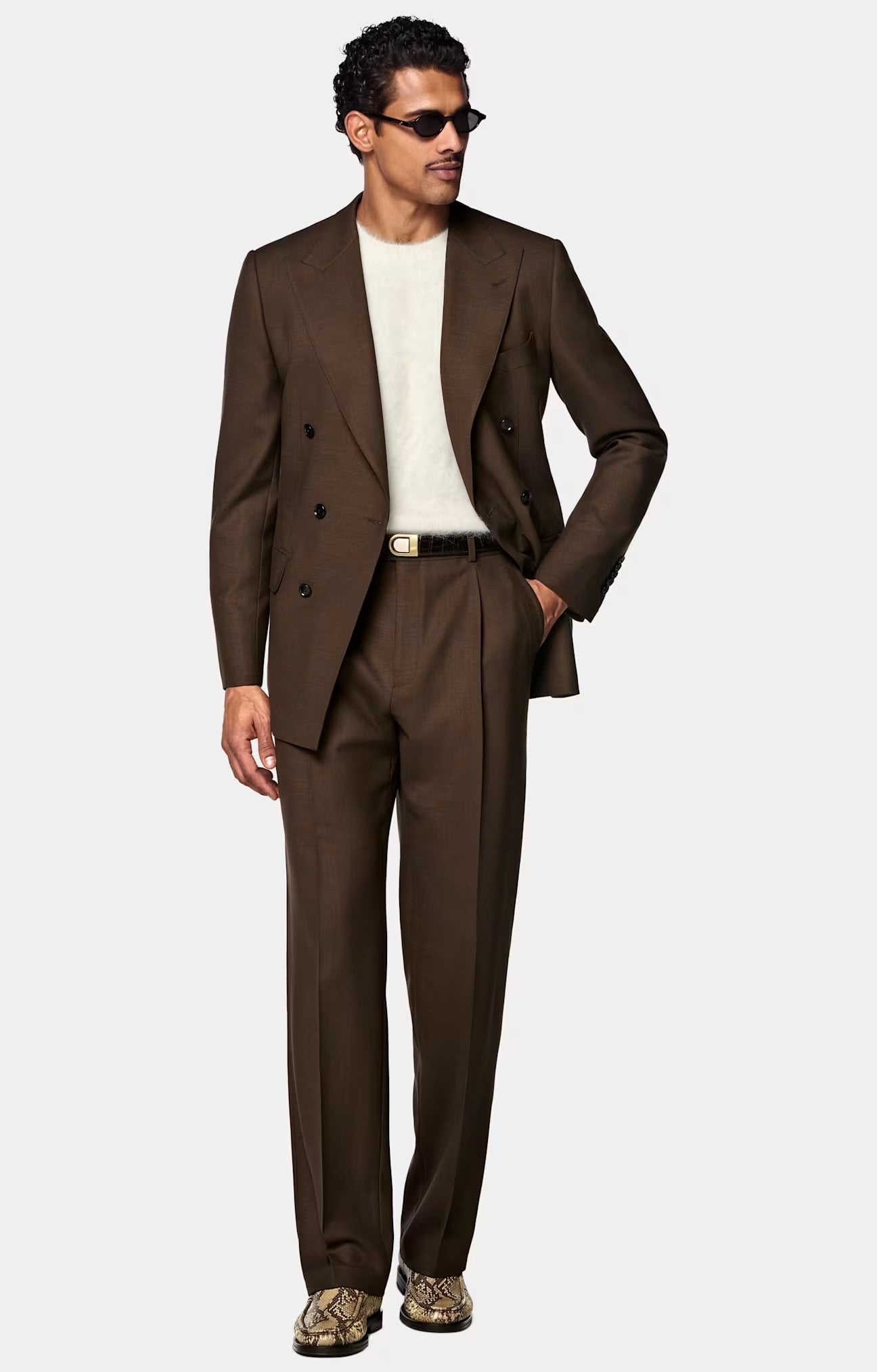
- The Milano Fit: Recommended for those seeking a formal, structured silhouette. Its double-breasted configuration and higher armholes make it suitable for professional environments that mandate a polished appearance.
- The Roma Fit: Positioned as the modern "power suit." Its wider chest and relaxed drape offer a nod to the 1990s Italian revival while maintaining contemporary pant proportions.
- The Seasonal Seasonal Selection: The current preference for basketweave wools and deep, earth-toned checks (such as the mid-brown checked Roma) reflects a broader move away from the stark, solid-colored navy and charcoal suits that dominated the previous decade.
Broader Implications for Retail
The success of the Suitsupply model in 2026 serves as a case study for the "phygital" retail experience. By ensuring that a customer’s measurement profile is accessible both in-store and online, the brand has effectively minimized the friction of purchasing high-ticket items remotely.
Looking forward, the implications for the industry are clear: the future of high-end retail lies in the intersection of data-driven fit and artisanal aesthetics. Brands that cannot provide a seamless transition between the digital and physical worlds will likely struggle to maintain relevance. For the consumer, the question is no longer just about where to buy a suit, but rather how much value one places on the speed of the supply chain versus the artisanal nature of the production.
Conclusion
Is Suitsupply the best place to purchase a suit in 2026? The answer depends on the consumer’s definition of "best." If the metric is the combination of rapid production, high-quality Italian textiles, and modern, fashion-forward silhouettes, the brand stands at the top of its tier. While it remains distinct from the centuries-old houses of Savile Row, it has effectively cornered the market for individuals who demand high-level tailoring that fits both their body and their schedule. As the brand continues to refine its "Size Passport" and expand its fabric archives, its influence on the standard-issue office attire of the late 2020s appears poised to grow even further, setting a template for how modern menswear will be designed, manufactured, and sold for years to come.
