
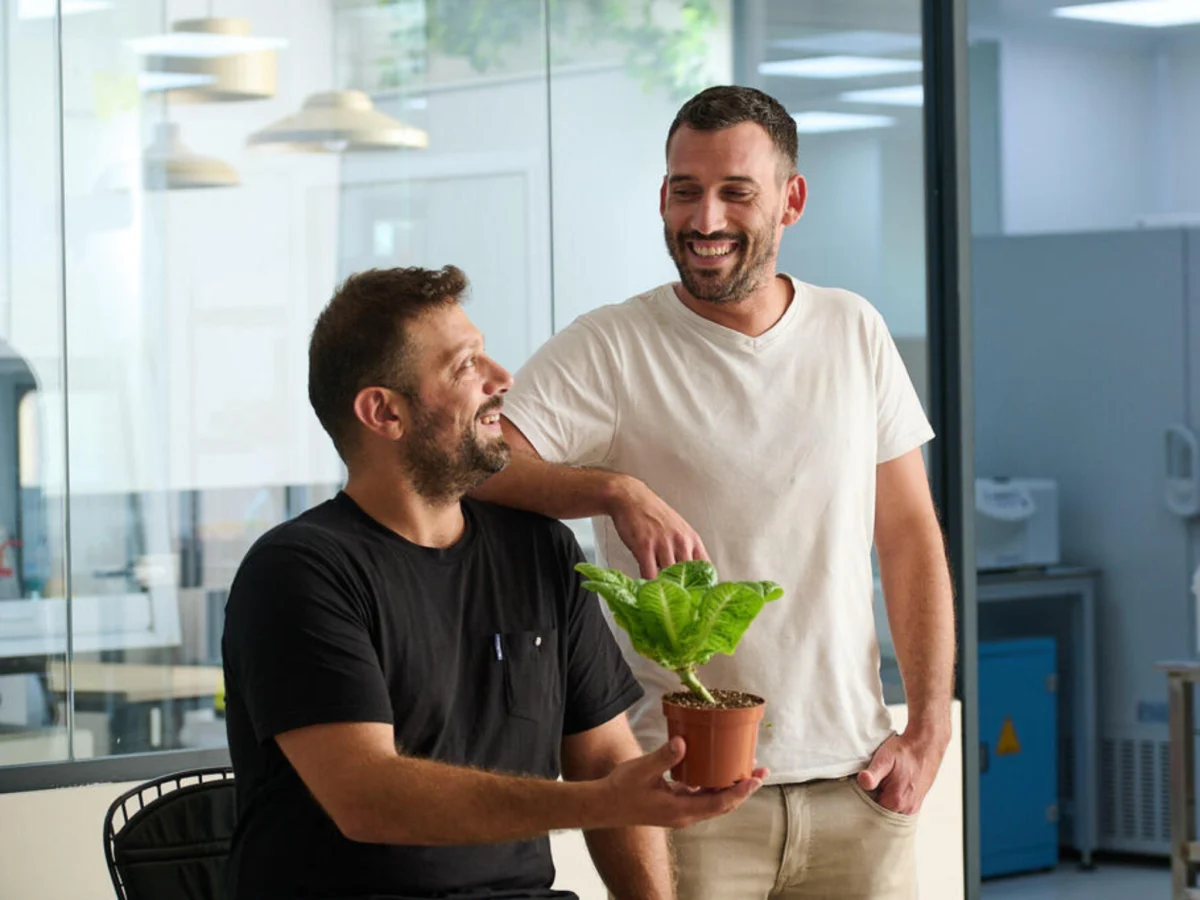
Israeli food technology startup Plantopia has announced the successful closure of a $9 million funding round, marking a significant milestone in its transition from research and development to commercial-scale production of dairy proteins. This substantial investment, led by major players in the dairy and venture capital sectors, will enable Plantopia to establish a state-of-the-art molecular farming facility dedicated to producing casein proteins within sprouted oats. This breakthrough technology promises to deliver animal-free dairy alternatives with unparalleled functional and nutritional parity to conventional dairy, addressing growing market demands and sustainability concerns.
The funding round was co-led by Schreiber Foods, a prominent global dairy producer, and Siddhi Capital, a venture capital firm with a focus on innovative food technologies. Additional participation came from significant industry stakeholders including Tara Dairy, Yotvata, and Tempo, underscoring broad industry confidence in Plantopia’s disruptive potential. With this latest injection of capital, Plantopia’s total funding now surpasses $16 million, providing a robust foundation for its ambitious commercialization strategy.
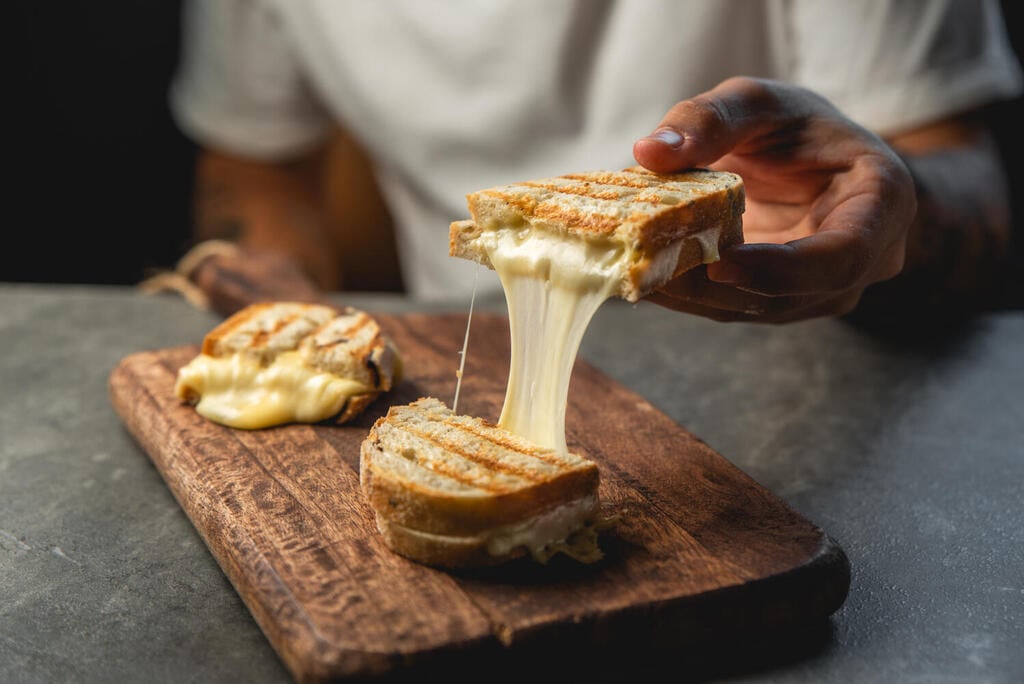
The newly secured funds are earmarked for the construction and operationalization of a manufacturing facility located at Kibbutz Sdot Yam, a communal agricultural settlement in Israel. The facility is slated to commence operations within the current quarter, signaling an accelerated timeline for bringing Plantopia’s innovative casein proteins to market. The company’s unique approach involves cultivating all four primary casein proteins – alpha-S1, alpha-S2, beta, and kappa casein – within sprouted oats. These proteins will then be supplied to food manufacturers, empowering them to create a new generation of animal-free dairy products, including cheeses with authentic melt, stretch, and browning characteristics.
A Technological Leap: Expressing All Four Casein Proteins

Founded in 2019 by a trio of visionary scientists – Alexander Vainstein, Tal Lutzky, and Amir Tiroler – Plantopia’s technology is rooted in groundbreaking research conducted at the Hebrew University of Jerusalem. The company employs molecular farming, a sophisticated method that genetically modifies plant cells to express specific animal proteins. Unlike other alternative protein production methods such as cultivated meat or precision fermentation, molecular farming integrates the genetic blueprint for animal proteins directly into the plant’s DNA. This allows the plant itself to synthesize these proteins, which are then harvested from the plant’s tissues.
Plantopia has specifically focused on casein, the most abundant protein group in milk, responsible for many of dairy’s desirable textural and functional properties. Casein’s ability to emulsify, stabilize, and form gels is what enables hard cheeses to melt and stretch, and contributes to their characteristic browning when heated. These functionalities are crucial for replicating the sensory experience of traditional dairy products.
A key achievement for Plantopia is its successful expression of all four distinct casein protein types found in cow’s milk. In milk, these proteins naturally assemble into complex spherical structures known as micelles, which are suspended in a hydrated solution and bound with minerals like calcium. This intricate organization is fundamental to casein’s unique performance characteristics. By precisely replicating this composition and structure, Plantopia aims to deliver casein that is functionally identical to its dairy-derived counterpart.
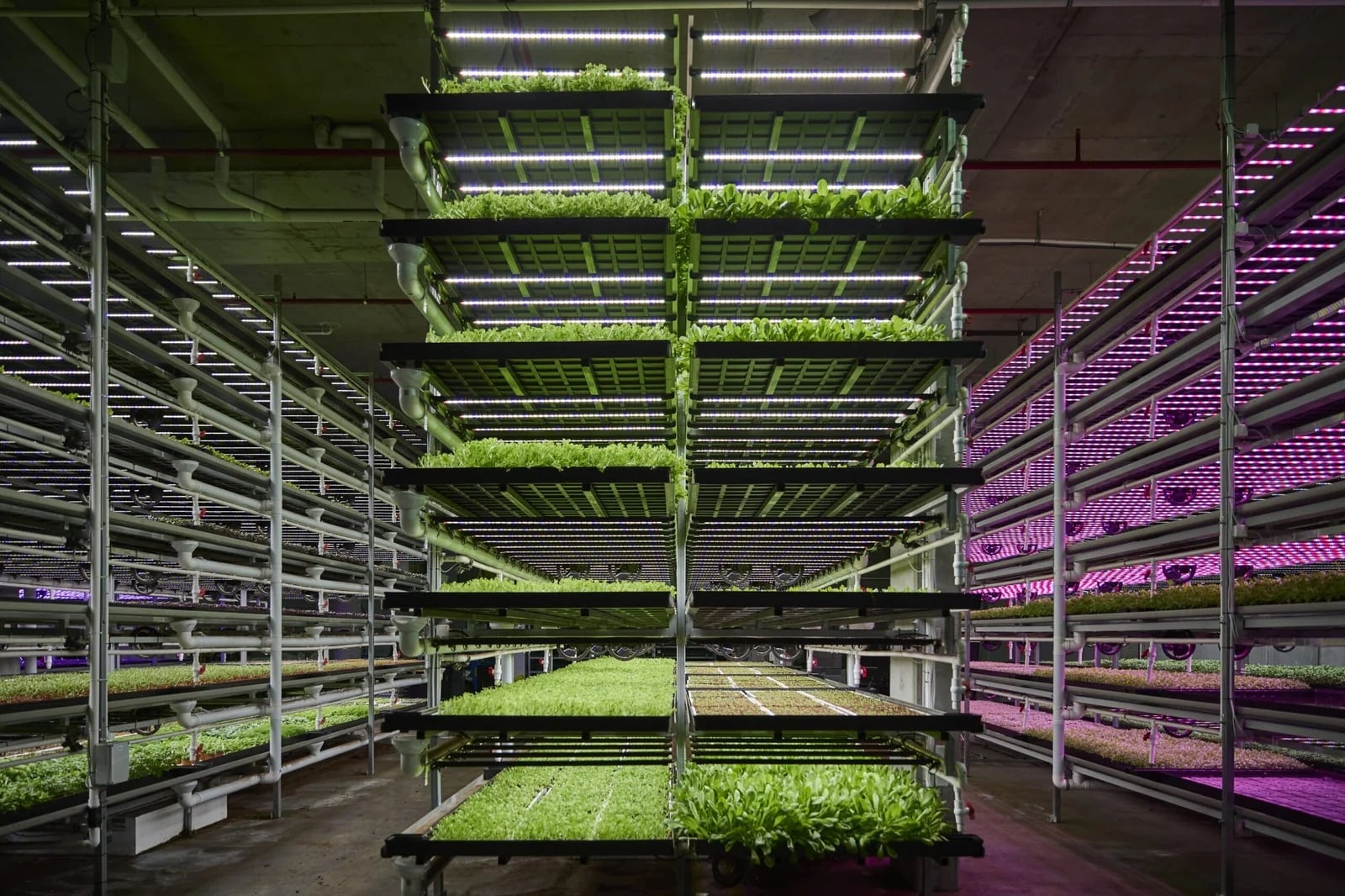
The company utilizes sprouted oats cultivated in vertical farms, a controlled environment that offers significant advantages. This method is independent of arable land, sunlight, and fluctuating climatic conditions, ensuring a consistent and scalable supply chain. Plantopia reports achieving "complete equivalency" to conventional casein, demonstrating matched functionality in coagulation processes. Furthermore, the company projects a production cost of $15-$20 per kilogram for its casein ingredient, a figure it asserts is competitive with the price of cow-derived casein.
"Plantopia’s technological achievement is the holy grail of dairy proteins – proteins that are identical in composition to those found in cow’s milk," stated Tal Lutzky, CEO of Plantopia. "Having completed the development stages that have been our focus in recent years, we are now moving into commercial production." This transition signals the company’s readiness to move beyond laboratory breakthroughs and into the realm of industrial-scale manufacturing and market supply.
Meeting the Protein Demand in a Shifting Nutritional Landscape
Beyond its culinary applications, casein is recognized as a high-performance protein offering significant nutritional benefits, including sustained recovery, satiety, and essential functional nutrition. These attributes position Plantopia’s casein as a highly desirable ingredient for the burgeoning GLP-1 nutrition category. The increasing adoption of GLP-1 agonist medications, such as Ozempic and Mounjaro, for weight management has created a significant demand for protein-rich diets. Studies indicate a substantial rise in the usage of these drugs, with estimates suggesting nearly doubling of users in the U.S. from 10% in 2024 to 18% in 2025.
These medications are known to contribute to a significant decrease in muscle mass, ranging from 25-40% over 8-16 months of treatment. This rate of muscle loss is considerably higher than that experienced through non-medicated weight loss methods or age-related muscle decline. Consequently, protein intake has become an even more critical dietary component for individuals undergoing GLP-1 therapy, highlighting the urgent need for high-quality, accessible protein sources.
The conventional dairy supply chain, however, faces escalating vulnerabilities. Climate change, disease outbreaks (such as the ongoing H5N1 avian flu impacting dairy herds in the U.S.), geopolitical instability, and volatile feed markets all pose significant risks to the consistent availability and affordability of dairy products. The whey market serves as a stark illustration of these pressures. Contracts for whey protein have been sold months in advance, with significant supply shortages reported, pushing prices to record highs in 2025 and continuing their upward trajectory. Over the past two years, the cost of whey protein concentrate has surged by 108%, and whey protein isolate has seen its price nearly double, making traditional dairy ingredients increasingly costly and unreliable.
"The casein proteins our company is producing will help meet the growing demand for dairy proteins while enabling us to produce products that are as good as the original, providing a commercially viable alternative to one of the world’s largest sources of pollution," Lutzky elaborated, referencing the significant environmental footprint of conventional dairy farming.
A Growing Ecosystem of Molecular Farming Innovators
Plantopia is part of a rapidly expanding global ecosystem of companies leveraging molecular farming to create sustainable and functional food ingredients. Within Israel, other notable startups are making strides in this field. Finally Foods is utilizing potatoes to produce casein proteins, while PoLoPo is developing potato proteins. NewMoo is also focused on casein, cultivating it in soybeans.
Internationally, the molecular farming landscape is equally dynamic. U.S.-based startups like Alpine Bio and Mozza Foods are employing soybeans to produce casein, with Mozza Foods focusing on cheese applications. Miruku, a New Zealand-based company, is also cultivating dairy proteins in safflower.
Further expanding the scope of molecular farming applications, Luxembourg’s Moolec Science is notable for its innovative approach. The company produces "Piggy Sooy," soybeans engineered to contain pork proteins, and "PEEA1," peas that express bovine myoglobin, a key protein for meat flavor and color. These examples highlight the diverse applications of molecular farming, extending beyond dairy to encompass various animal proteins and functionalities, all with the aim of reducing reliance on traditional agriculture and its associated environmental impacts.
The successful funding of Plantopia underscores the significant investor appetite for novel solutions in the alternative protein space. As consumers increasingly demand sustainable, ethical, and high-performing food options, technologies like molecular farming are poised to play a pivotal role in reshaping the future of food production. The company’s ability to scale production and deliver functionally equivalent casein proteins at competitive price points will be crucial in capturing market share and driving the widespread adoption of animal-free dairy alternatives. The establishment of its commercial facility represents a tangible step towards realizing this transformative vision.
