
In the current landscape of high-end preventive medicine, a client can invest several thousand euros to undergo a diagnostic suite that borders on the futuristic. These assessments offer full-body MRI scans, comprehensive blood decoding, and the mapping of biomarkers across more than two hundred dimensions. Cardiovascular risks are scored with algorithmic precision, metabolic trajectories are modeled using artificial intelligence, and organ functions are captured in high-resolution imagery. The resulting data is typically delivered via sleek, user-friendly applications designed to nudge the individual toward optimized daily decisions. On the surface, the system is sophisticated, technologically advanced, and aesthetically polished. However, a growing consensus among biological researchers suggests that this "longevity dashboard" is built upon an incomplete framework that may undermine the very promises of health optimization it seeks to fulfill.
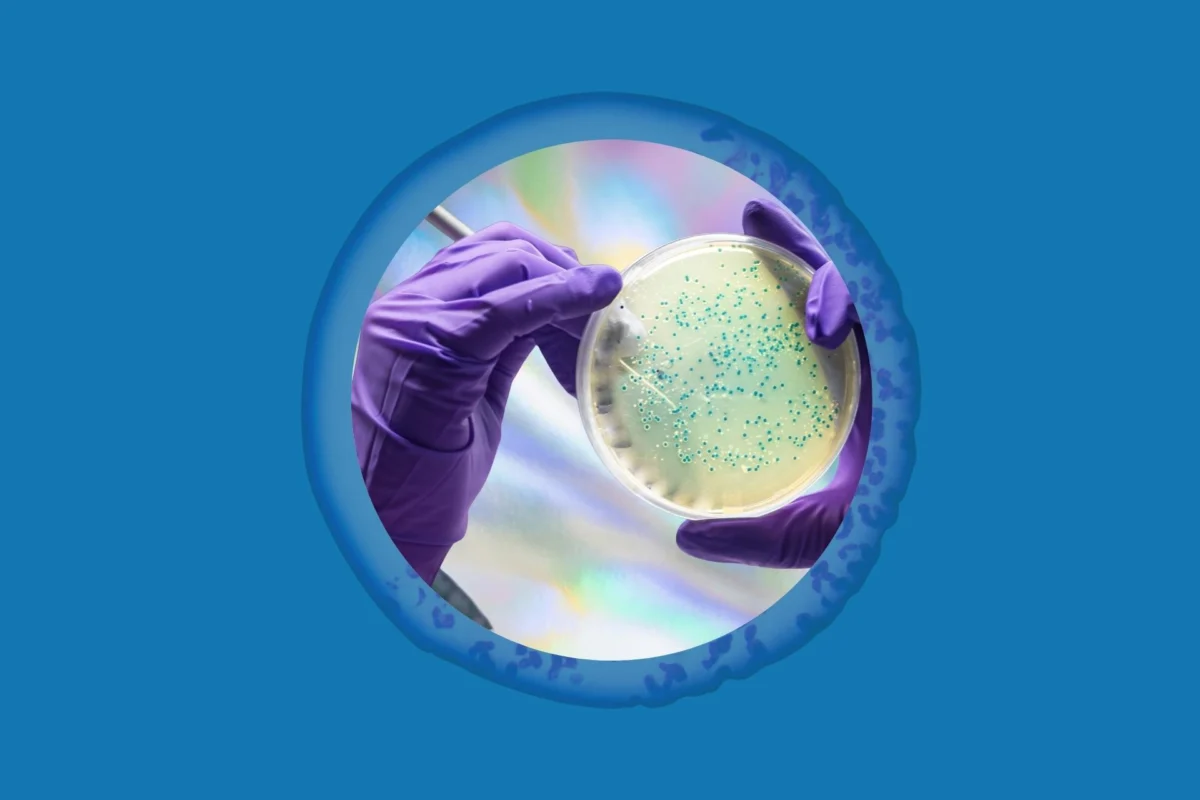
While the longevity industry has successfully constructed the most advanced hardware-tracking system in medical history, it has largely bypassed the "operating system" of human biology: the microbiome. This complex ecosystem of trillions of microorganisms does more than facilitate digestion; it modulates immune function, dictates metabolic responses, influences drug metabolism, and regulates the inflammatory load that drives chronic disease. Experts argue that a biomarker panel lacking a microbiome assessment is essentially a photograph of a building taken without any knowledge of its foundations. While the visible structure appears measurable and actionable, the forces determining its long-term stability remain hidden and unexamined.
The Evolution of Longevity Diagnostics: A Chronology of Precision
The rise of the "Longevity Clinic" marks a significant departure from traditional reactive medicine. To understand the current diagnostic gap, one must look at the evolution of health optimization over the last three decades. In the late 1990s and early 2000s, executive health checkups were largely limited to basic lipid panels, stress tests, and standard cancer screenings. By the 2010s, the advent of affordable genomic sequencing introduced the concept of "personalized medicine," allowing individuals to understand their hereditary predispositions.
The current era, often referred to as "Medicine 3.0," focuses on the "healthspan"—the period of life spent in good health. Since 2020, there has been an explosion in the availability of "biological age" testing and multi-omic profiling. High-net-worth individuals now frequent clinics in longevity hubs like Zurich, London, and New York, seeking to optimize their biology before symptoms of disease ever appear. Despite this rapid technological advancement, the integration of the microbiome has lagged behind more "elegant" diagnostics like blood work and imaging, creating a structural flaw in the industry’s predictive capabilities.
The Diagnostic Gap: Distinguishing Between Breath Tests and Metagenomics
One of the primary critiques of the current longevity sector is its reliance on superficial proxies for gut health. Some elite clinics have begun to include breath tests in their protocols, often marketing them as comprehensive microbiome assessments. However, clinical data suggests this is a significant oversimplification. A breath test primarily measures the metabolic byproducts of microbial fermentation—typically hydrogen and methane—in response to a specific substrate. While useful for detecting Small Intestinal Bacterial Overgrowth (SIBO), it acts as a simple warning light rather than a diagnostic tool. It indicates that "something" is happening in the gut, but it fails to identify the specific microbial actors involved or their functional capacity.
In contrast, metagenomic sequencing—or "shotgun" sequencing—provides a comprehensive map of the microbial ecosystem. This technology reads the actual DNA of the microbes present, identifying species, their relative abundance, and their metabolic potential. The difference is comparable to the difference between hearing a strange noise in a car engine and opening the hood to inspect the individual components. By relying on breath tests or ignoring the microbiome entirely, the longevity industry is effectively charging premium prices for the diagnostic equivalent of guesswork.
Supporting Data: The Microbiome as a Primary Driver of Biomarkers
The scientific rationale for microbiome integration is supported by a vast body of emerging data linking microbial health to the very biomarkers longevity clinics track. Research published in journals such as Nature and Cell has demonstrated that the microbiome is not merely one variable among many, but a foundational layer that conditions how other biomarkers express themselves.
- Inflammation and "Inflammaging": Chronic, low-grade inflammation is a hallmark of aging. While blood panels measure C-reactive protein (CRP) and other inflammatory markers, the microbiome is a primary driver of this systemic load. An imbalanced gut (dysbiosis) can lead to increased intestinal permeability, allowing pro-inflammatory molecules to enter the bloodstream.
- Metabolic Response: Glucose and lipid markers are central to longevity dashboards. However, studies show that the microbiome shapes how an individual responds to specific foods. Two people can eat the same meal and have vastly different glycemic responses based on their gut composition.
- Neurodegenerative Risk: The "gut-brain axis" is no longer a theoretical concept. Specific microbial signatures are increasingly linked to the accumulation of amyloid-beta and alpha-synuclein, proteins associated with Alzheimer’s and Parkinson’s diseases.
- Immune Competence: The microbiome trains the immune system from birth. For the aging population, maintaining immune diversity is critical for defending against pathogens and preventing the development of autoimmune conditions.
Commercial and Logistical Barriers to Comprehensive Testing
The resistance to integrating metagenomic sequencing into the longevity industry is rarely scientific; rather, it is logistical and conceptual. Logistically, the collection of stool samples lacks the clinical "elegance" of a blood draw or the high-tech experience of an MRI. In the context of high-end wellness centers—often characterized by curated lighting and luxury amenities—the "messiness" of microbiome sampling does not fit the established aesthetic.
Commercially, the inclusion of full microbiome panels introduces a new layer of complexity. These tests require specialized clinical expertise to interpret and integrate into a broader health plan. Furthermore, there is a conceptual hurdle: for a clinic to admit the necessity of microbiome testing, it must acknowledge that its previous "comprehensive" assessments were incomplete. For an industry that thrives on the promise of total biological transparency, admitting to a significant "blind spot" is a difficult conversation to have with clients who have already invested tens of thousands of euros.
The Industry Response and the Shift Toward Integrated Ecosystems
While many traditional longevity clinics remain "blind below the surface," a new tier of practitioners is beginning to advocate for a "microbiome-first" approach. These experts argue that a truly preventive model must be multimodal. This involves integrating microbial data with genomic, metabolic, and inflammatory data to find the intersections where real predictive power resides.
For instance, a client with a genetic predisposition for cardiovascular disease and a high inflammatory blood markers might find the "root cause" in an oral microbiome that is harboring pathogenic bacteria linked to arterial plaque. Without the microbial data, the clinician can only treat the downstream symptoms—the inflammation and the plaque—rather than addressing the upstream source.
Industry analysts suggest that the longevity sector is at a crossroads. As clients become more data-literate and resource-rich, the demand for truly comprehensive "deep dives" into biology will likely force clinics to move beyond high-resolution surveillance and toward actual systemic management.
Analysis of Implications: Surveillance vs. Prevention
The current state of the longevity industry can be described as "expensive surveillance." It offers a high-definition view of a system’s decline but often ignores the primary variables driving that decline. By tracking consequences (biomarkers) while ignoring causes (the microbiome), these clinics are reproducing the structural flaws of the reactive healthcare systems they claim to replace.
Treating the body as a collection of isolated, measurable parts rather than an integrated biological ecosystem limits the effectiveness of any intervention. Whether it is a supplement protocol, a dietary adjustment, or a lifestyle change, the efficacy of these interventions is mediated by the microbiome. Ignoring this layer means that the longevity industry is optimizing the "dashboard" while the "engine" remains unserviced.
For the longevity industry to fulfill its premise of being predictive and personalized, it must embrace the complexity of the human holobiont—the host plus its microbes. The technology for this integration already exists; the sequencing is available, and the clinical evidence is robust. The only remaining barrier is the industry’s willingness to look at the foundations of the buildings it has spent so much time and capital measuring.
Conclusion: Redefining the Standard of Care
The pursuit of longevity is a pursuit of biological truth. The clients entering elite clinics today are paying for the most complete picture of their health that science can provide. To offer them a dashboard that excludes the microbiome is to provide a map with a massive hole in the center. As the science of metagenomics continues to mature, the omission of the microbiome will likely move from being a logistical choice to a clinical failure.
True prevention requires looking beneath the surface. It requires moving beyond the "smoke" of breath tests and the "photographs" of blood panels to understand the living, changing ecosystem that dictates human health. Until the microbiome is integrated as a core pillar of longevity medicine, the industry remains an elegant but incomplete exercise in surveillance—watching the system fail with extraordinary precision, but failing to see why.
