
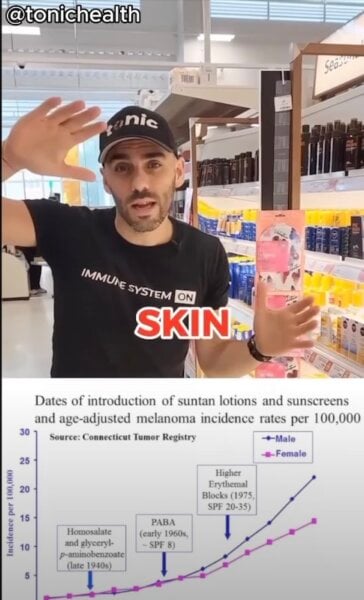
Despite a significant rise in sunscreen usage globally over recent decades, statistics reveal a perplexing parallel increase in skin cancer diagnoses, particularly melanoma. This apparent contradiction has fueled public skepticism and, in some quarters, ignited theories questioning sunscreen’s efficacy or even suggesting it might contribute to cancer development. Social media platforms, such as a viral TikTok video from @TonicHealth, have amplified these concerns, prompting an urgent need for evidence-based clarification from the scientific and medical communities. The narrative often posed is: "If sunscreens are meant to protect, why are skin cancer rates consistently climbing since the 1970s, precisely when their use became more prevalent?" This seemingly logical query, however, overlooks crucial scientific principles and a complex interplay of environmental, behavioral, and diagnostic factors.
The Fallacy of Simple Correlation: Beyond Superficial Trends
At the heart of the debate lies a fundamental misunderstanding of statistical relationships: correlation does not equate to causation. Observing two trends moving in the same direction—increased sunscreen use and increased skin cancer rates—does not automatically imply that one is causing the other. Indeed, the initial graphs presented in such arguments often fail to even plot sunscreen usage directly, instead displaying a general upward trend in melanoma incidence in the United States since the 1930s. This period predates the widespread adoption of sunscreen as a daily protective measure, which only became common in the 1970s.
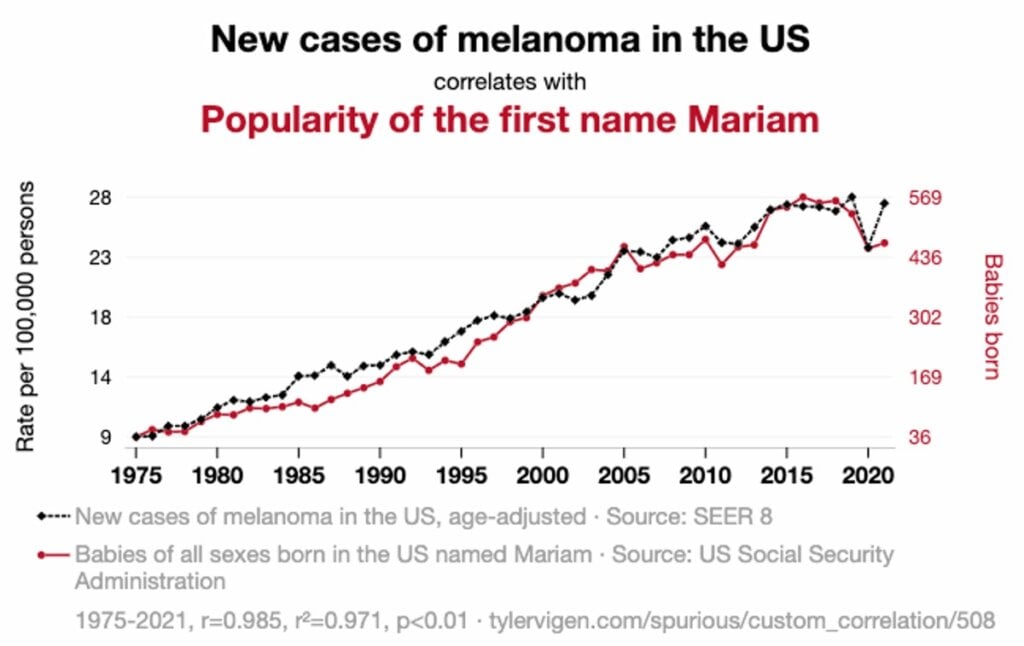
To illustrate the danger of drawing causal conclusions from mere correlation, one could observe that numerous other societal trends have also increased since the 1930s. For example, the number of coffee shops, internet usage, or even the global average temperature have all risen significantly. To suggest that these phenomena are causing skin cancer would be an absurd oversimplification, yet it follows the same flawed logic. Websites like Spurious Correlations humorously demonstrate this statistical pitfall, showing uncanny correlations between entirely unrelated datasets, such as US melanoma rates aligning remarkably well with the number of babies named Mariam. This serves as a stark reminder that rigorous scientific investigation, rather than anecdotal observation or coincidental trends, is essential to establish true cause-and-effect relationships.
A Historical Look at Sun Protection and Cancer Incidence
The history of sun protection is intertwined with evolving cultural attitudes towards tanning and scientific understanding of UV radiation. In the early 20th century, a tanned complexion transitioned from being a mark of manual labor to a symbol of leisure and health. This shift encouraged greater sun exposure, often without protection. Early sunscreens emerged in the 1930s and 40s but were rudimentary and not widely adopted for daily preventative use. It wasn’t until the 1970s that sunscreen began to gain traction as a mainstream product, spurred by growing awareness of sun damage and the cosmetic benefits of preventing sunburn.
Concurrently, the incidence of skin cancers, particularly melanoma, began its documented ascent. This trend, however, commenced well before sunscreen became a ubiquitous item in beach bags. Data from various epidemiological studies indicate a steady increase in melanoma rates globally, which can be traced back to the mid-20th century. This chronology alone suggests that sunscreen, introduced into an existing upward trend, is unlikely to be the primary driver of the increase. Instead, it highlights that other, more profound societal and environmental shifts were already at play, influencing skin cancer rates.

The Unassailable Evidence: Sunscreen’s Proven Efficacy
To definitively determine sunscreen’s role, scientists rely on controlled experiments that eliminate confounding variables. Randomized Controlled Trials (RCTs) are considered the gold standard in medical research for establishing causation. In an RCT, participants are randomly assigned to different groups, with only one variable differing between them, allowing researchers to isolate the effect of that variable.
The Nambour Trial, conducted in Queensland, Australia, stands as one of the most comprehensive and famous RCTs on sunscreen. Over 4.5 years, researchers studied two groups of individuals residing in the same location, of similar ages and matched skin colors. One group consistently applied sunscreen daily, while the other used it only at their discretion. Following the initial study period, participants were tracked for an additional ten years. The findings were unequivocal:
- Reduced Squamous Cell Carcinoma: The daily sunscreen group experienced a significant reduction in the incidence of squamous cell carcinomas, a common form of skin cancer.
- Reduced Melanoma Cases: While the overall number of melanoma cases was lower in the daily sunscreen group, the study identified a trend towards reduced melanoma, reinforcing its protective effect.
- Fewer Solar Keratoses: Participants who used sunscreen daily also developed fewer solar keratoses, precancerous lesions that can evolve into squamous cell carcinomas.
- Anti-Aging Benefits: Beyond cancer prevention, daily sunscreen users showed 24% fewer signs of photoaging, such as wrinkles and fine lines, demonstrating its broader protective benefits for skin health.
These findings strongly contradict the notion that sunscreen is ineffective or harmful. The American Academy of Dermatology and the Skin Cancer Foundation consistently endorse sunscreen as a crucial component of a comprehensive sun protection strategy, citing extensive research that confirms its ability to reduce the risk of skin cancer and photoaging.
Further laboratory studies corroborate these real-world observations. Researchers have applied varying amounts of sunscreen to skin samples before exposing them to UV light, mimicking sun exposure. They then examined the DNA for pyrimidine dimers—mutations caused by UV radiation that represent the initial step toward skin cancer. These studies consistently demonstrate that higher concentrations of sunscreen lead to a significant reduction in UV-induced DNA damage, providing a mechanistic explanation for its protective role.
Deconstructing the Paradox: Why Skin Cancer Rates Continue to Rise
If sunscreen is effective, why do overall skin cancer rates continue to climb in many regions? The answer lies in a combination of factors that collectively overwhelm the protective effects of current sunscreen usage patterns.
-
Increased Longevity: People are living longer than ever before. Since skin cancer, particularly melanoma, often develops later in life (the average diagnosis age for melanoma is 65), extended lifespans naturally increase the window of opportunity for cells to accumulate DNA damage and mutate. In past decades, many individuals might have succumbed to other diseases before reaching an age where skin cancer would typically manifest and be diagnosed.
-
Changing Patterns of Sun Exposure: Modern lifestyles have dramatically altered our relationship with the sun. The rise of affordable international travel has led to a surge in "vacation tanning," where individuals, often indoor workers with normally sun-protected skin, expose themselves to intense UV radiation for short, concentrated periods during holidays. This intermittent, high-intensity exposure is recognized as a particularly potent risk factor for melanoma, more so than chronic, low-level exposure. The ease of access to beaches and outdoor recreational activities also contributes to greater overall sun exposure.
-
Persistent Tanning Culture: Despite growing awareness of skin cancer risks, the desire for a tanned complexion remains prevalent in many cultures. The advent and proliferation of commercial tanning beds, which deliver concentrated UV radiation, exacerbated this trend, particularly from the 1980s onwards. These devices are classified as carcinogens by the World Health Organization, yet their use persists, contributing significantly to skin cancer rates, especially among younger demographics.
-
Enhanced Screening and Detection: Public health campaigns, such as those promoting awareness of the "ABCDEs" (Asymmetry, Border irregularity, Color variation, Diameter, Evolving) of moles, have significantly increased public and medical professional vigilance regarding suspicious skin lesions. Dermatologists are equipped with advanced diagnostic tools, like dermatoscopy, enabling earlier and more frequent detection of skin cancers that might have gone unnoticed or undiagnosed in previous generations. This improved detection contributes to a higher recorded incidence rate, even if the actual number of new cancers isn’t increasing at the same pace. This phenomenon is sometimes referred to as "diagnostic drift" or "overdiagnosis" for certain types of skin cancer, where very early-stage or indolent lesions are detected that might never have become life-threatening.
-
Inadequate Sunscreen Application: A critical factor often overlooked is that sunscreen, while effective, is frequently misused. Many individuals do not apply a sufficient amount to achieve the stated SPF (often needing a shot glass full for the entire body), fail to reapply it frequently enough (every two hours, or after swimming/sweating), or neglect easily forgotten areas like ears, neck, and feet. This leads to a false sense of security, where individuals believe they are fully protected but are, in reality, receiving significant UV exposure.
Australia’s Paradigm: A Holistic Approach to Sun Safety
While skin cancer rates continue to rise in many parts of the world, Australia presents a compelling counter-narrative. Despite having one of the highest rates of skin cancer globally due to its climate and a predominantly fair-skinned population, Australia has achieved a remarkable reversal in melanoma trends among younger demographics. Melanoma incidence in Australians under 40 has actually decreased, with rates among those aged 15 to 24 roughly halving since the 1980s. This success is largely attributed to the country’s pioneering and comprehensive "SunSmart" public health initiative.
Launched in the 1980s, the SunSmart program transcended mere advice to "wear sunscreen." It adopted a multi-faceted approach, recognizing that behavior change requires systemic support, education, and convenience. Key elements of the SunSmart strategy include:
-
"Slip, Slop, Slap, Seek, Slide" Slogan: This iconic and memorable slogan encapsulates a layered approach to sun protection:
- Slip on a shirt (preferably UPF-rated clothing).
- Slop on sunscreen (SPF 30 or higher).
- Slap on a hat (broad-brimmed for maximum coverage).
- Seek shade (especially during peak UV hours).
- Slide on sunglasses (to protect eyes).
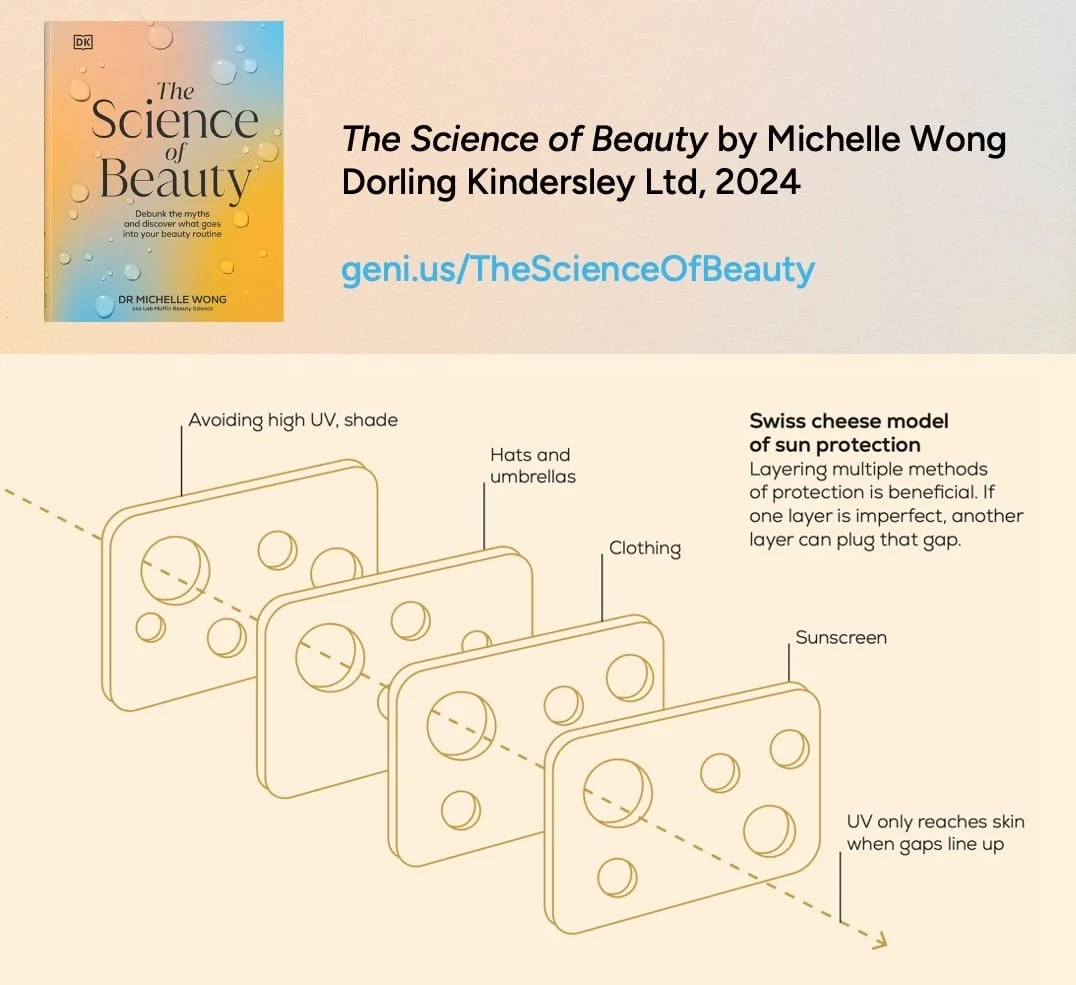
This integrated message emphasizes that sunscreen is just one component of a broader protective strategy, akin to the "Swiss cheese model" of defense, where multiple layers of imperfect protection combine to provide robust safety.
-
School Policies and Education: SunSmart integrated sun safety into daily life, particularly for children. The "No Hat, No Play" policy became standard in Australian schools, meaning children without a hat were required to stay in shaded areas during outdoor play. This instilled sun-protective habits from a young age. Schools also mandated specific "legionnaire" style hats with neck flaps, ensuring comprehensive protection, and actively discouraged students from tucking up the protective flaps.
-
Environmental Modifications: Beyond individual behavior, SunSmart encouraged the creation of shade structures in public spaces, playgrounds, and schools, demonstrating a commitment to environmental changes that support sun-safe practices.
-
Public Awareness Campaigns: Consistent, engaging, and often stark public awareness campaigns have been a cornerstone of SunSmart, educating the public about the dangers of UV radiation and the benefits of sun protection.
The Australian experience demonstrates that when sunscreen use is integrated into a broader, culturally ingrained, and policy-supported sun protection strategy, it can yield significant positive public health outcomes. This coordinated approach addresses not only the individual’s choice to apply sunscreen but also shapes their environment and habits.
Broader Implications and Future Directions
The ongoing debate surrounding sunscreen and skin cancer highlights a critical challenge in public health: combating misinformation and fostering a nuanced understanding of complex scientific issues. The apparent paradox of rising cancer rates amidst increased sunscreen use is not an indictment of sunscreen itself, but rather a reflection of the intricate interplay of human behavior, environmental factors, and diagnostic advancements.
The implications are clear:
- Reinforced Public Health Messaging: Health organizations must continue to unequivocally affirm the scientific consensus on sunscreen’s efficacy while simultaneously educating the public on its proper use and the necessity of a multi-faceted approach to sun protection.
- Holistic Strategies: Learning from Australia, other nations can benefit from implementing comprehensive sun safety programs that integrate education, policy, and environmental modifications beyond merely promoting sunscreen. This includes emphasizing protective clothing, seeking shade, avoiding peak UV hours, and regular skin checks.
- Combating Misinformation: The proliferation of unsubstantiated claims on social media necessitates proactive engagement from scientific and medical experts to provide accessible, accurate information and debunk myths with clear, evidence-based explanations.
- Continued Research: Ongoing research into UV filters, delivery systems, and personalized sun protection strategies will continue to enhance our ability to combat skin cancer effectively.
Ultimately, the science is clear: sunscreen is a vital tool in preventing skin cancer and premature skin aging. Its effectiveness is not diminished by rising cancer rates, which are instead attributable to a confluence of other factors. By understanding these complexities and adopting a holistic, evidence-based approach to sun safety, societies can work towards reversing the upward trend of skin cancer and safeguarding public health for future generations.
