
The ongoing debate surrounding the safety and regulation of food additives has reached a critical juncture in the United States, with prominent consumer advocacy groups Yuka and Consumer Reports formally petitioning the Food and Drug Administration (FDA) to enact significant reforms. At the heart of their petition lies a demand to overhaul the existing framework for evaluating food additives and, crucially, to dismantle the "self-affirmed Generally Recognized as Safe" (GRAS) pathway, a regulatory provision that allows manufacturers to unilaterally declare their ingredients safe without direct FDA pre-approval. This concerted effort by Yuka, a popular product-scanning application, and Consumer Reports, a long-standing consumer watchdog organization, highlights growing public concern over the pervasive use of additives in processed foods and the perceived inadequacies of current oversight mechanisms.
The core of the contention lies within the FDA’s GRAS regulation. While the FDA maintains a list of substances that have been deemed safe for consumption, the GRAS rule includes a critical provision that permits companies to determine, through their own scientific assessments, whether a new food ingredient meets GRAS criteria. This self-determination process does not legally mandate FDA review. Instead, manufacturers are responsible for conducting a safety assessment, which can involve internal experts or external consultants. This system, while intended to streamline the introduction of new ingredients, has drawn increasing criticism from various quarters, including health experts, former FDA officials, and policymakers, particularly in light of escalating concerns surrounding the consumption of ultra-processed foods (UPFs).
Yuka and Consumer Reports have amplified these concerns following a comprehensive investigation that revealed alarming findings regarding the prevalence and levels of certain food additives in popular products. Their joint petition, which has rapidly garnered significant public support, exceeding its initial goal of 35,000 signatures, asserts that the current regulatory landscape leaves consumers in the dark about what they are actually consuming. "Americans shouldn’t need a chemistry degree to eat safely – but today, no one, not even the FDA, can say exactly what’s in our food," stated the organizations in their petition. They are advocating for the closure of regulatory loopholes, the establishment of stringent limits for high-risk additives already present in the food supply, and the implementation of regular safety re-evaluations based on the latest scientific evidence.
The GRAS System Under Scrutiny: A History of Concerns
The GRAS concept was established by the Federal Food, Drug, and Cosmetic Act of 1958, aiming to distinguish between substances that were already widely accepted as safe by scientific experts and those requiring formal FDA approval. The "self-affirmed" GRAS pathway, which emerged later and has become a common practice, allows companies to bypass the formal FDA notification process. This approach offers several advantages to manufacturers: it provides a faster, less expensive route to market for new ingredients, and it allows companies to maintain confidentiality regarding proprietary formulations and trade secrets. The FDA’s own data indicates that it evaluates approximately 75 GRAS notices annually, with an average review time exceeding 160 days for those that do undergo review.
However, critics argue that this self-regulation model inherently creates a conflict of interest. By allowing companies to be the arbiters of their own ingredients’ safety, the system potentially compromises independent scientific oversight. This has been a long-standing concern for many, including former FDA Commissioner David Kessler, who has been a vocal critic of the current system and has previously advocated for the revocation of GRAS status for certain additives found in ultra-processed foods. Kessler’s previous citizen petitions have highlighted the potential health risks associated with ingredients such as refined carbohydrates, artificial sweeteners, and certain emulsifiers, which are commonly found in UPFs.
The debate around ultra-processed foods has intensified in recent years. While the definition of UPFs can be broad, encompassing items ranging from whole-grain bread to fortified soy milk, the primary concern often revolves around products with extensive processing, high levels of added sugars, unhealthy fats, and a significant number of artificial additives. Research, including a study published last year, has suggested a correlation between the consumption of additives in UPFs and an increased risk of premature death, although the methodology of such studies has sometimes been questioned by academics.
Yuka and Consumer Reports’ Investigation: Unveiling Hidden Risks
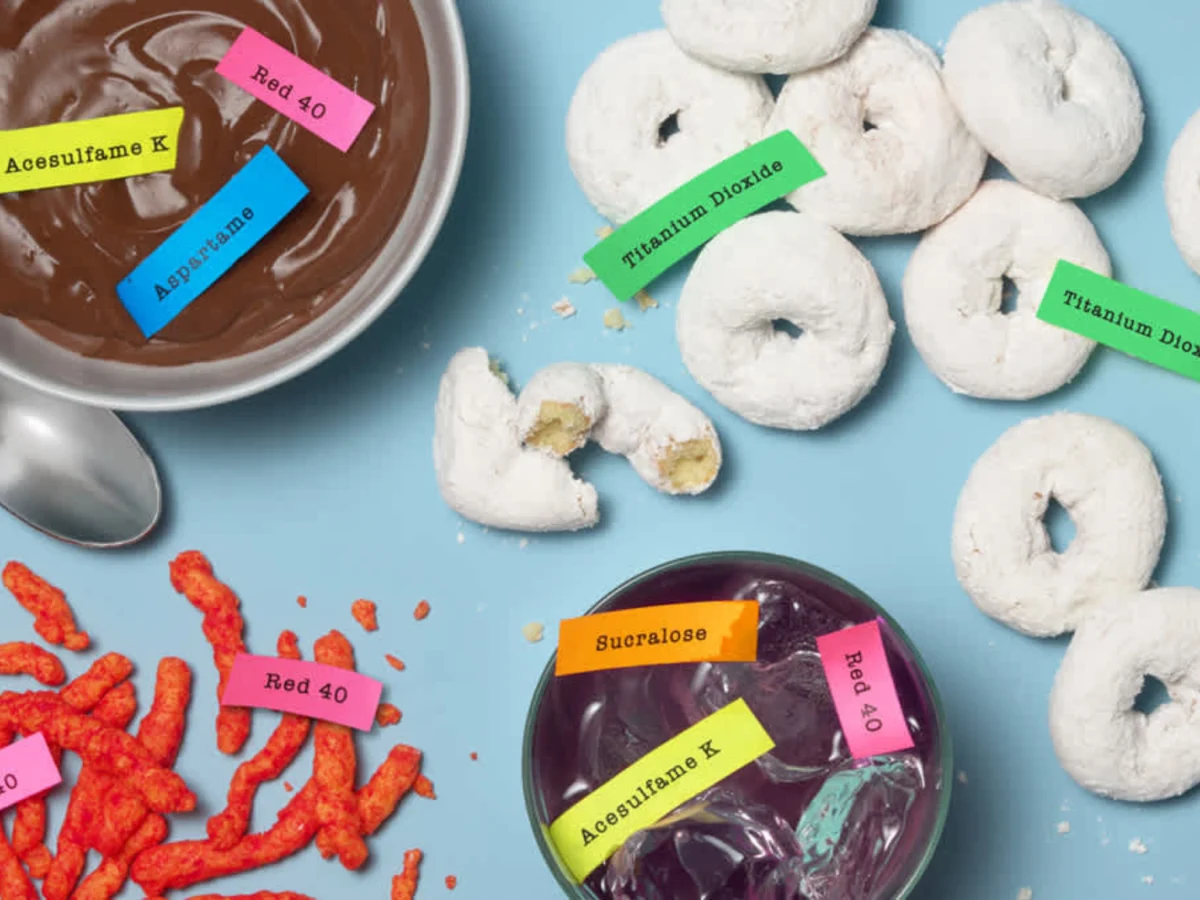
The petition from Yuka and Consumer Reports is directly informed by their year-long investigation into the additive content of 40 popular food and drink products. Their findings were stark: a significant proportion of these products contained additives at levels that raised concerns based on peer-reviewed research. Specifically, the investigation discovered that 25 out of the 40 products examined contained at least one additive at levels identified as concerning by scientific literature.
More disturbingly, the investigation revealed that in a quarter of the sampled products, the amount of a single additive in one serving exceeded daily safety levels established by either U.S. or European health authorities. For instance, five products were found to contain excessive concentrations of Red 40, a synthetic food dye derived from petroleum. Red 40 has been linked to increased hyperactivity in children and requires warning labels in the European Union, a distinction that underscores the differing regulatory approaches between the U.S. and other regions. Another product was found to contain "extremely high levels" of titanium dioxide, a white pigment that has been banned as a food additive in the EU due to concerns about its potential genotoxicity.
The report also addressed the issue of artificial sweeteners. While none of the 21 products containing these sweeteners exceeded the safety levels set by health departments, a significant number – 19 out of 21 – contained amounts that surpassed the broader levels of concern identified in recent epidemiological studies. These studies have suggested potential links between artificial sweetener consumption and adverse health outcomes, including increased risks of cancer, cardiovascular disease, and type 2 diabetes.
"Families deserve clear protections – not hidden risks in everyday snacks," the petition emphasizes. "Until regulators catch up with the science, Americans will continue to be exposed to potentially harmful substances without their knowledge or consent." This sentiment reflects a broader public desire for greater transparency and stronger consumer protections in the food industry.
Key Demands for FDA Reform

The petition submitted by Yuka and Consumer Reports outlines five key demands aimed at fundamentally reforming the FDA’s approach to food additive regulation. These demands are designed to enhance transparency, strengthen scientific oversight, and prioritize consumer health.
-
Establish a Transparent Risk Assessment Methodology: The organizations call for the FDA to develop and implement a clear, transparent, and publicly accessible methodology for assessing the risks associated with food additives. This should include the establishment of defined safe daily intake (SDI) levels for all additives. This would allow consumers and researchers alike to understand the scientific basis for additive safety and to track potential deviations from established guidelines.
-
Mandate Proactive and Regular Safety Reassessments: The petition stresses the need for the FDA to proactively and regularly re-evaluate the safety of existing food additives. This reassessment should be driven by scientific advancements, emerging research on potential health effects, and evolving consumption patterns. The current system, critics argue, often relies on outdated safety data, failing to keep pace with new scientific understanding.
-
Enhance Regulation of Additives in Specific Product Categories: Yuka and Consumer Reports advocate for more nuanced regulation that considers the context of additive use. They propose that the FDA should strengthen oversight of how additives are incorporated into different types of products, acknowledging that the risk profile of an additive can vary significantly depending on its application and frequency of consumption. For example, an additive used sparingly in a dessert consumed on rare occasions might pose a different level of risk compared to the same additive found in a staple breakfast cereal consumed daily.
-
Prioritize Children’s Vulnerabilities: The petition specifically highlights the need for risk assessments to better account for the unique vulnerabilities of children. This includes considering their lower body weight, different dietary habits, and potentially increased susceptibility to certain health effects from additive exposure. Recognizing that children are a particularly vulnerable population group, tailored safety evaluations are crucial.
-
Eliminate the Self-Affirmed GRAS Rule: The most significant demand is the complete elimination of the self-affirmed GRAS pathway. Yuka and Consumer Reports argue that new food additives should not be permitted on the market unless a comprehensive and independent quantitative risk assessment has been conducted by experts appointed by the FDA. This would shift the burden of proof for safety from the manufacturer back to the regulatory agency, ensuring a more rigorous and impartial evaluation process.
Broader Implications and Political Momentum
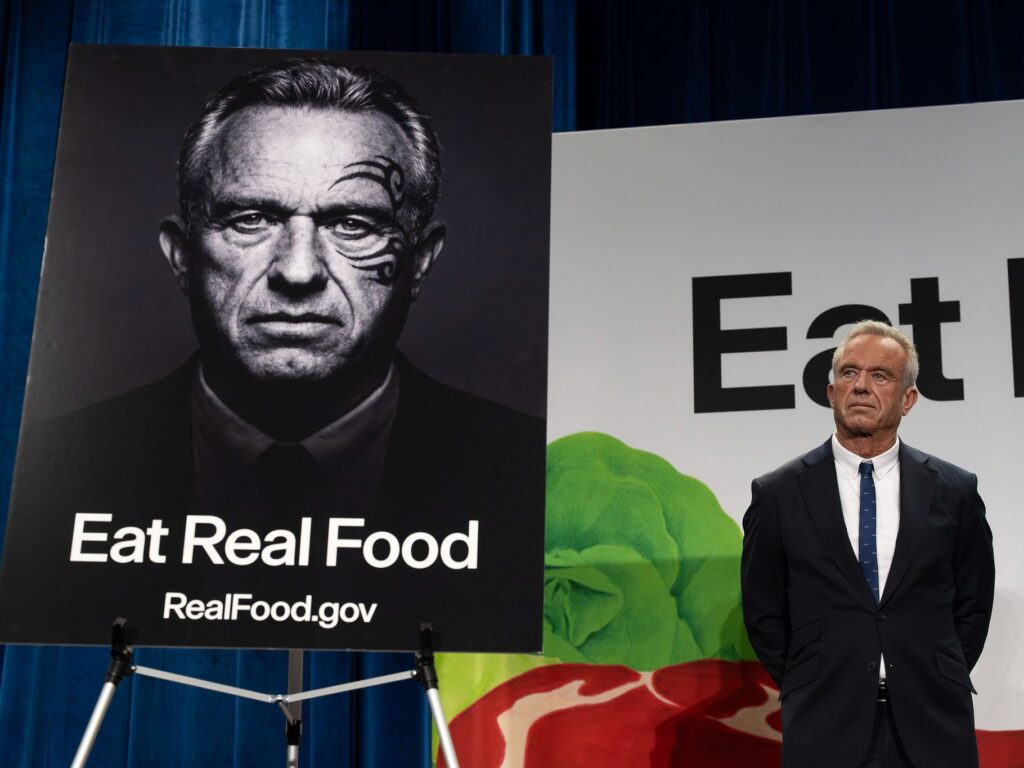
The petition from Yuka and Consumer Reports arrives at a time of growing political momentum to reform the GRAS system. Robert F. Kennedy Jr., a prominent figure in the public health advocacy space, has been a vocal proponent of scrapping the self-determination pathway. His efforts, coupled with those of Yuka and Consumer Reports, have contributed to increased attention on this regulatory issue. The petition’s substantial number of signatures further underscores the public’s engagement with and concern over food safety issues.
The FDA has acknowledged these concerns and has indeed drafted a proposal to phase out the self-affirmed GRAS provision, which is currently under review. This indicates a potential shift in regulatory policy, driven by mounting pressure from consumer groups, public health advocates, and scientific evidence.
Beyond the federal level, several states are also taking legislative action. New York’s Senate and Assembly have both passed a bill that would require companies to report any ingredients they have self-determined as GRAS to state regulators. Lawmakers in California, New Jersey, and Pennsylvania are also considering legislation that would grant state officials the authority to conduct independent safety assessments for GRAS substances, thereby reducing reliance on manufacturer self-assessments.
The implications of these potential regulatory changes are far-reaching. For consumers, a more robust and transparent additive approval process could lead to greater confidence in the safety of the food they purchase. It could also encourage manufacturers to reformulate products, opting for simpler, more recognizable ingredients to avoid the scrutiny and potential hurdles associated with a stricter regulatory regime. For the food industry, the elimination of the self-affirmed GRAS pathway would necessitate a significant shift in how new ingredients are brought to market, requiring more upfront investment in independent safety testing and potentially slowing down the introduction of novel additives.
The push to reform food additive regulation, spearheaded by organizations like Yuka and Consumer Reports, represents a significant development in the ongoing effort to ensure that the food supply is not only accessible and affordable but also demonstrably safe for all consumers, particularly vulnerable populations like children. The coming months will be critical in determining the extent to which these demands translate into concrete regulatory action at both the federal and state levels, shaping the future of food safety in the United States.
