

Brittany McKertcher, a 32-year-old nurse residing in Alberta, embodies the protracted and often emotionally taxing struggle with chronic acne, a condition that has impacted her life for two decades and continues into her adulthood. Her journey, marked by persistent breakouts, frustrating treatment cycles, and a significant toll on her self-esteem, underscores the complex nature of acne, particularly its manifestation and management beyond adolescence. McKertcher’s experience sheds light on the critical need for timely medical intervention, specialized dermatological care, and a broader understanding of the profound psychosocial impact of this widespread dermatological condition.
A Chronology of Persistent Dermatological Challenges
McKertcher’s arduous battle with acne commenced at the tender age of 13, a period often associated with hormonal fluctuations and the onset of puberty. Her initial symptoms were diverse and severe, encompassing widespread surface acne characterized by pustules, alongside painful, deep-seated cystic acne. This early presentation, particularly the presence of cystic lesions, is indicative of a more aggressive form of acne that typically carries a higher risk of scarring and demands more robust treatment strategies. "It’s still an ongoing journey in my 30s," she recounts, reflecting on the enduring nature of her condition. "Things have been frustrating and difficult with acne. I started having symptoms at around 13 years old. There was a lot of surface acne with pustules and also cystic acne, deep bumps under the skin that were painful. I really struggled with my hormones."
In the initial stages of her acne, McKertcher, like many adolescents, did not immediately seek professional medical advice. Instead, her efforts were concentrated on over-the-counter remedies, including various facial washes and topical treatments, which offered little relief. A significant part of her daily routine became the meticulous application of makeup, specifically foundation, in an attempt to conceal the visible lesions. However, the deeper, more inflammatory cystic bumps proved stubbornly resistant to cosmetic camouflage, remaining perceptible despite her best efforts. This early reliance on self-treatment and cosmetic cover-ups is a common narrative among young individuals grappling with acne, often delaying effective medical intervention.
The social and emotional repercussions of her acne were immediate and profound during her teenage years. McKertcher vividly recalls how the condition severely impacted her self-esteem and curtailed her participation in typical adolescent activities. Simple pleasures like swimming, enjoying hot tubs, or floating on a river were avoided, driven by an intense fear of compromising her makeup and exposing her acne. As an active teenager involved in gymnastics, the constant concern about sweat disturbing her carefully applied makeup meant she always carried it with her for touch-ups. This self-consciousness was exacerbated by the perception that she was uniquely afflicted among her high school peers, adding to her sense of isolation. "I did not have any clear days of healing. The acne completely affected my self-esteem where I would not want to go swimming or in hot tubs or things like floating on the river. I did not want to do anything that would compromise the makeup on my face and expose the acne," she states.
Within a year of the onset of her symptoms, McKertcher’s family doctor initiated a series of treatments, starting with prescription topical medications. When these proved largely ineffective, she was prescribed birth control pills at the remarkably early age of 14, indicating an early recognition of the hormonal component in her acne. This step marked her entry into a prolonged and often challenging cycle of dermatological treatments. Her journey soon led her to a dermatologist, who prescribed a range of oral antibiotics. Eventually, she was introduced to isotretinoin, commonly known by its former brand name Accutane, within a couple of years of her initial medical consultation. While isotretinoin offered some improvement, it came with significant side effects, including extreme dryness, frequent nosebleeds, and dry eyes, necessitating constant use of a humidifier and thick moisturizing creams.
Despite the initial improvements, her acne continued to be a persistent issue. Following her course of isotretinoin, treatment reverted to birth control pills, augmented by the addition of spironolactone, an anti-androgen medication often used for hormonal acne. McKertcher identifies this combination as "the most helpful treatments that I experienced," highlighting the efficacy of targeting hormonal pathways in her specific case.
Her struggle persisted throughout her twenties and university years. A significant setback occurred post-university when she discontinued oral contraceptives and switched to an intrauterine device (IUD). This change triggered a severe breakout, compelling her to return to her previous regimen of regular birth control pills. The emotional burden of acne, she notes, intensified during adulthood. "As a teen, everything seems like the end of the world and I felt self-conscious. But you’re kind of expected to have acne and you hope to grow out of it into adulthood. The acne has taken a bigger toll on me as an adult. All my friends do not struggle with acne at all and I still feel like it affects me – that is so hard. When I look in the mirror, that is all I see." This sentiment reflects a common experience: while teenage acne is often normalized, adult acne can be particularly distressing due to societal expectations of clear skin in adulthood.
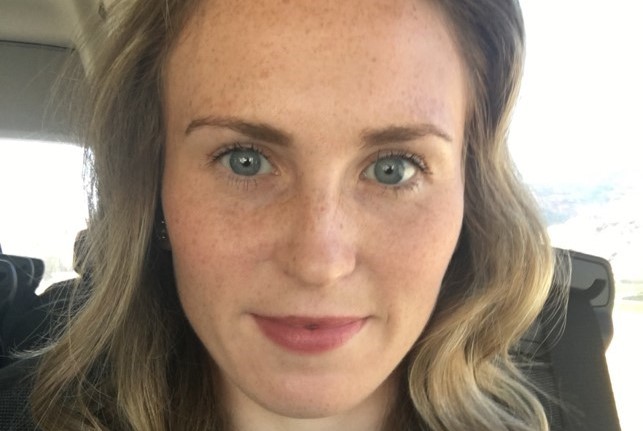
Approximately a year prior to her current account, McKertcher underwent another course of isotretinoin, this time a newer formulation, for about eight months. The results were initially promising, providing good skin coverage with only occasional breakouts linked to her menstrual cycle. However, a specific incident during her wedding, involving a different type of makeup, led to a widespread breakout, even affecting her eyelids, and the emergence of body acne. Currently, while her body acne is showing some signs of improvement, all treatments are on hold as she and her partner hope to start a family, a common challenge for individuals on certain acne medications like isotretinoin, which are teratogenic.
Throughout her extensive journey, McKertcher invested considerable financial resources, time, and effort into various over-the-counter acne treatments and skincare products, largely without achieving desired results. Her regret over this expenditure is palpable: "Looking back now, I know those products are not going to help with cystic acne." This realization underscores a critical lesson for many acne sufferers: severe forms of acne, especially cystic acne, typically require prescription-strength medications and professional medical oversight rather than relying on consumer products.
Understanding the Broader Landscape of Acne
Acne vulgaris is one of the most common dermatological conditions globally, affecting an estimated 85% of young adults between 12 and 24 years of age. While often perceived as a teenage problem, adult acne, defined as acne occurring in individuals over 25, is increasingly prevalent. Studies suggest that adult acne affects up to 50% of women in their 20s and 30s, and even a significant percentage of women in their 40s and 50s. Hormonal fluctuations, as experienced by McKertcher, are a primary driver of adult female acne, often linked to conditions like polycystic ovary syndrome (PCOS), menstrual cycles, pregnancy, and certain hormonal birth control methods.
The pathogenesis of acne is multifactorial, involving increased sebum production, follicular hyperkeratinization (clogging of pores), proliferation of Cutibacterium acnes (formerly Propionibacterium acnes) bacteria, and inflammation. Cystic acne, the severe form McKertcher experienced, involves deep, inflamed lesions that can be extremely painful and lead to permanent scarring if not adequately treated.
The Psychosocial Burden and Economic Impact
McKertcher’s candid account of her emotional distress is echoed in numerous studies highlighting the significant psychosocial burden of acne. Beyond physical discomfort, acne can lead to anxiety, depression, social withdrawal, reduced quality of life, and impaired academic or professional performance. The constant visibility of acne can erode self-confidence, foster feelings of shame, and negatively impact relationships. The perceived societal ideal of clear skin, amplified by media and social platforms, often exacerbates these feelings, making adult acne particularly isolating. For professionals like McKertcher, a nurse who interacts closely with the public, concerns about appearance can add an extra layer of stress.
The economic impact of acne is also substantial. Patients often spend considerable amounts on over-the-counter products, specialized cosmetics, and repeated medical consultations. For those with chronic or severe acne, the cost of prescription medications, which can include long courses of antibiotics, hormonal therapies, and isotretinoin, can be significant. The regret McKertcher expresses about wasted money on ineffective products is a common sentiment among those who self-treat before seeking expert advice.
The Importance of Early Intervention and Specialist Care

McKertcher’s advice to others struggling with serious acne aligns with established dermatological guidelines: "Try to see your GP sooner and get a referral to a dermatologist if you need that. It’s not a one-size-fits-all in terms of acne treatments. Once I worked with my dermatologist, we found a combination that worked. Get on something before you have scarring. I’m really thankful that I did not end up with acne scars. It’s really hard to not pick your face though – don’t do it, which I should take my own advice."
This recommendation underscores several critical points:
- Early Medical Consultation: Consulting a general practitioner (GP) promptly can facilitate an earlier diagnosis and initiation of appropriate treatment, potentially preventing the progression to more severe forms of acne and reducing the risk of permanent scarring.
- Referral to a Dermatologist: For moderate to severe acne, or cases that do not respond to initial treatments, referral to a board-certified dermatologist is crucial. Dermatologists possess specialized expertise in diagnosing and managing complex skin conditions, offering a broader range of therapeutic options and personalized treatment plans.
- Individualized Treatment: As McKertcher notes, acne treatment is not "one-size-fits-all." Effective management often involves a combination of therapies tailored to the individual’s specific type of acne, severity, skin type, and lifestyle factors. This can include topical retinoids, benzoyl peroxide, antibiotics (oral and topical), hormonal therapies (like birth control pills and spironolactone), and oral isotretinoin.
- Prevention of Scarring: Early and effective treatment is paramount in preventing acne scars, which can be disfiguring and even more challenging to treat than active acne. McKertcher’s relief at avoiding significant scarring highlights the importance of this aspect.
- Addressing Picking: The compulsion to pick at acne lesions, while common, can worsen inflammation, introduce bacteria, and significantly increase the risk of scarring and post-inflammatory hyperpigmentation.
Challenges in Treatment and Future Outlook
McKertcher’s current situation, where treatments are on hold due to family planning aspirations, exemplifies another significant challenge in acne management, particularly for women of reproductive age. Medications like isotretinoin are absolutely contraindicated during pregnancy due to severe teratogenic risks, and many other systemic treatments require careful consideration. This often leaves patients in a difficult position, having to choose between managing their chronic condition and pursuing family goals.
Her experience with a post-wedding breakout linked to specific makeup further illustrates how external factors and product choices can impact acne, even in individuals undergoing treatment. It underscores the need for comprehensive skincare education and careful product selection for acne-prone skin.
Brittany McKertcher remains hopeful for a future where her acne is consistently under control. "My ultimate goal is to have clear skin. It’s tough where I am. Hopefully I won’t have to take medications forever. I hope there’s more research into treatments for acne." Her aspiration for clear skin and a future free from continuous medication reflects the desire of countless individuals living with chronic dermatological conditions. It also serves as a call for ongoing research into novel and more sustainable treatment options, particularly those with fewer side effects and greater compatibility with diverse life stages, such as family planning.
Her story serves as a powerful reminder that acne is far more than a cosmetic concern; it is a chronic disease with significant physical, psychological, and social ramifications, necessitating compassionate, evidence-based, and individualized medical care. The journey of individuals like Brittany McKertcher underscores the enduring need for improved access to dermatological specialists, enhanced public education on acne management, and continued scientific advancements in understanding and treating this pervasive condition.
