
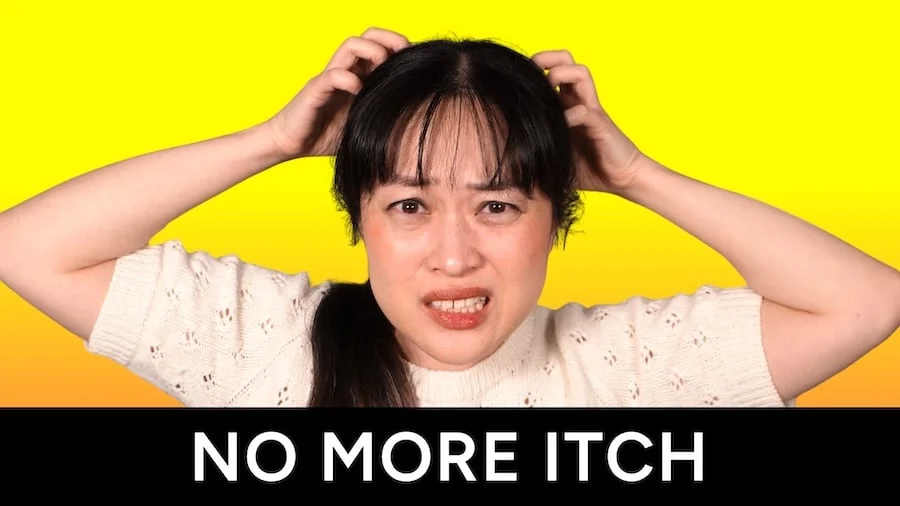
Persistent scalp irritation, characterized by itching, inflammation, and sometimes even hair thinning, affects a significant portion of the global population. Despite a proliferation of hair care products marketed for "sensitive" or "itchy" scalps, many individuals report a lack of sustained relief, often exacerbating their symptoms through misinformed treatment approaches. This article delves into the underlying scientific causes of chronic itchy scalp, providing an evidence-based framework for effective and lasting solutions. The insights draw from extensive dermatological research and cosmetic chemistry, aiming to demystify a common yet complex condition often misunderstood by both consumers and product developers.
Understanding the Root Causes of Scalp Itch
The scientific consensus points to three primary, often interconnected, causes of itchy scalp, each requiring a distinct treatment strategy. Misidentifying the root cause can lead to ineffective treatments and prolonged discomfort, perpetuating a cycle of frustration for affected individuals.
The Microbial Factor: Beyond Dandruff Flakes
One of the most frequently overlooked causes of scalp itching is the presence of an imbalanced scalp microbiome, specifically an overgrowth of Malassezia yeast. While commonly associated with visible dandruff flakes (seborrheic dermatitis), Malassezia can trigger significant itching and inflammation even in the absence of obvious flaking. This subclinical inflammation is a critical, yet often missed, diagnostic indicator.
Malassezia species, particularly M. globosa and M. restricta, are natural inhabitants of the human scalp, forming part of a balanced ecosystem. However, these lipophilic yeasts thrive on sebum, the natural oils produced by scalp glands. When conditions are favorable (e.g., increased sebum production, humid environments), Malassezia can proliferate excessively. During this overgrowth, the yeast metabolizes sebum into irritating byproducts, primarily unsaturated free fatty acids and squalene peroxide. These substances penetrate the skin barrier, triggering an inflammatory response that manifests as itching, redness, and discomfort. Research indicates that these inflammatory markers can rise within days, with itching reported long before visible flakes appear, sometimes taking up to three weeks for full-blown dandruff to develop. This explains why many individuals experience intense itching but dismiss a microbial cause because they perceive their scalp as "flake-free." Studies further suggest that up to 50% of adults worldwide experience dandruff or related scalp conditions, underscoring the widespread nature of Malassezia-induced issues.
The "Dry" Scalp Conundrum: A Compromised Barrier
The scalp is, fundamentally, skin, albeit one covered in hair and with a higher density of sebaceous glands. Like skin elsewhere on the body, the scalp possesses a crucial barrier function composed of lipids and cells that protect against environmental aggressors and prevent excessive transepidermal water loss (TEWL). When this barrier is compromised, the scalp becomes vulnerable, leading to sensations of dryness, tightness, and itching.
A significant contributor to scalp barrier dysfunction is the use of harsh cleansing agents. Shampoos, by design, contain surfactants to emulsify oils and dirt. However, certain strong surfactants, particularly when formulated with an inappropriate pH, can strip the scalp of its natural lipids, disrupt intercellular junctions, and increase permeability. Even after rinsing, residual surfactant activity can continue to compromise the barrier, allowing irritants to penetrate more easily and moisture to escape, resulting in a "leaky" and itchy scalp. This effect is analogous to how harsh facial cleansers can disrupt the skin barrier on the face.
Beyond product choice, environmental and lifestyle factors contribute to scalp dryness. Frequent exposure to very hot water during showers, aggressive blow-drying, and harsh climatic conditions (e.g., dry, cold air or excessive sun exposure) can dehydrate the scalp. Hormonal fluctuations, such as those experienced post-menopause, can also reduce sebum production, leading to increased dryness. It is important to note that an "oily" scalp can still suffer from dryness. Sebum, while an oil, is not an effective hydrator for the stratum corneum; an oily scalp can still lack adequate water content, creating an "oily-but-dry" condition where both sebum overproduction and barrier dysfunction coexist, further confusing self-diagnosis.
Allergic Reactions: The Hidden Irritants
A less common but equally impactful cause of chronic itchy scalp is contact allergy to specific ingredients found in hair care products. Unlike general irritation from harsh surfactants, an allergy involves an immune system overreaction to a substance that is typically harmless to most individuals. The challenge lies in identifying these specific allergens, which can be present in many commonly used shampoos and conditioners.
Cosmetic chemistry principles dictate that wash-off products like shampoos can contain higher concentrations of certain ingredients compared to leave-on products, given their brief contact time with the skin. However, this safety paradigm does not apply to allergens for sensitized individuals. A notable "epidemic" of contact allergy occurred in the early 21st century involving preservatives such as methylisothiazolinone (MI) and methylchloroisothiazolinone (MCI). These preservatives became widely adopted after many manufacturers phased out parabens due to consumer fears, largely fueled by misinterpreted research. While parabens are now widely recognized as safe for cosmetic use, the hasty adoption of MI/MCI, without sufficient pre-market vigilance, led to a significant increase in allergic reactions. Dermatological studies across Europe and North America reported rising prevalence rates, with some estimates suggesting a few percent of the population is sensitized to these "itchy Ms." The European Union eventually responded by restricting or banning the use of MI and MCI in leave-on and rinse-off products, respectively, due to their potent sensitizing potential, though they remain available in other markets like the US.
Other common shampoo allergens include fragrances (a complex mixture of chemicals, often listed simply as "fragrance" or "parfum"), cocamidopropyl betaine (a common co-surfactant), propylene glycol, and certain botanical extracts. Diagnosing a contact allergy often requires careful observation of product usage patterns or, more definitively, patch testing performed by a dermatologist. The presence of related allergens, such as benzisothiazolinone in laundry detergents, can also provide clues, as sensitization to one isothiazolinone can predict reactivity to others.
Navigating the Complexities of Diagnosis
The interplay between microbial imbalance, barrier dysfunction, and allergic reactions creates a challenging diagnostic landscape. For instance, an individual who mistakenly attributes their microbial-induced itching to "dry scalp" might reduce shampooing frequency and apply oils, inadvertently feeding the Malassezia yeast and worsening the condition. Conversely, using a harsh anti-dandruff shampoo for allergic itching can further compromise the barrier and intensify symptoms.
The prevalence data suggests that microbial issues (often co-occurring with some degree of barrier impairment) are more common, particularly if the scalp feels oily, symptoms improve with frequent washing, or the scalp reacts negatively to oils. "Dry" scalp without significant microbial involvement is less frequent but more likely if the scalp feels consistently tight and dry, and benefits from gentle, moisturizing products. Allergic reactions should be suspected if itching is product-specific, sudden in onset, or accompanied by other skin reactions. For persistent, severe, or rapidly changing scalp conditions, consulting a dermatologist for accurate diagnosis and personalized treatment is paramount.
Targeted Scientific Solutions for Scalp Health
Effective management of itchy scalp requires a multi-faceted approach that addresses the specific underlying causes. Advances in cosmetic science have led to a range of targeted ingredients and product formulations.
Combating Microbial Overgrowth with Proven Actives
The cornerstone of treating Malassezia-related itching is the use of anti-microbial or anti-fungal agents. It is crucial to understand that these products are beneficial even without visible dandruff.
- Selenium Sulfide: A highly effective anti-fungal agent, typically found in concentrations of 1-2.5%. It works by inhibiting the growth of Malassezia and reducing cell turnover. While potent, its characteristic yellow-orange color and sulfurous odor can be off-putting for some users. Formulations have improved, with brands like Dercos offering more cosmetically elegant options.
- Zinc Pyrithione: Another potent broad-spectrum antimicrobial, historically a key active in many anti-dandruff shampoos (e.g., Head & Shoulders). It acts by disrupting fungal cell membranes and inhibiting cell division. Its insolubility can sometimes lead to a gritty residue on hair. Regulatory shifts, such as the EU’s pre-emptive ban based on CMR (carcinogenic, mutagenic, reprotoxic) classification, despite established safe use levels, have limited its availability in some regions, although it remains a staple in others like the US. This highlights the complex interplay between scientific safety data and regulatory policy.
- Piroctone Olamine: Gaining increasing popularity, this ingredient offers excellent anti-fungal efficacy against Malassezia with superior cosmetic properties. It is soluble, odorless, and generally well-tolerated, allowing for formulations that resemble regular shampoos. Studies demonstrate its ability to normalize the scalp microbiome and reduce inflammatory markers, even improving hair shedding in some cases. It represents a significant advancement for those seeking effective yet user-friendly solutions.
- Ketoconazole and Climbazole: These are azole-class antifungals. Ketoconazole, often found in prescription-strength or pharmacy-grade shampoos (e.g., Nizoral), is highly effective against various fungi. Climbazole is a milder, cosmetic-grade alternative often found in mass-market shampoos (e.g., Dove). It’s important to note that some Malassezia species can develop resistance to azoles, making it worthwhile to rotate or switch to other active ingredients if efficacy wanes.
- Other Supporting Ingredients: Salicylic acid acts as a keratolytic, helping to shed dead skin cells and flakes, while coal tar possesses anti-inflammatory and anti-proliferative properties. Botanical extracts like menthol, peppermint, tea tree oil, and rosemary can offer soothing sensations or mild antimicrobial effects, but their primary role is often adjunctive to the heavy-hitting actives.
Optimizing Product Application for Efficacy
Beyond ingredient selection, proper application techniques are critical for maximizing the benefits of anti-dandruff shampoos and treatments.

- Targeted Application: Anti-microbial agents must reach the scalp where the Malassezia yeast resides. Users should focus on massaging the shampoo thoroughly into the scalp, rather than just the hair lengths.
- Adherence to Instructions: Contrary to popular belief, leaving all anti-dandruff shampoos on for several minutes is not universally beneficial. Many modern formulations utilize sophisticated delivery systems, such as coacervate systems, where active ingredients are encapsulated and optimally deposited during the rinsing phase. Prolonged contact with certain formulas might only increase irritation without enhancing efficacy. Always follow the manufacturer’s specific instructions.
- Conditioner Caution: Applying traditional conditioners directly to the scalp after an anti-dandruff shampoo can rinse away some of the active ingredients, diminishing their effect. It is advisable to apply conditioner only to the hair lengths or use a conditioner specifically formulated with anti-dandruff actives.
- Regular Shampooing: Frequent shampooing removes sebum (the food source for Malassezia), irritating byproducts, and the microbes themselves, while consistently delivering active ingredients.
- Supplemental Serums: Anti-dandruff scalp serums, containing actives like piroctone olamine, can be highly effective for use between washes, providing continuous treatment without weighing down hair. These often incorporate soothing ingredients and antioxidants to support scalp health.
Nurturing the Scalp Barrier: Hydration and Protection
Addressing scalp dryness and barrier impairment is equally vital, even when microbial issues are present, as Malassezia byproducts can further damage the barrier.
- Gentle Cleansing: Selecting shampoos with mild surfactants and a skin-friendly pH (typically pH 4-7) is crucial. These formulations cleanse effectively without stripping the scalp’s natural oils or disrupting its barrier. Many gentle anti-dandruff shampoos are now available, offering a dual benefit.
- Antioxidant Support: Just like facial skin, the scalp benefits from antioxidants. Ingredients such as vitamin E, niacinamide, and madecassoside (from Centella asiatica) can protect the scalp from oxidative stress, reduce inflammation, and improve barrier function. Many advanced scalp serums incorporate these ingredients, but careful selection is needed to ensure they are free of oils if microbial issues are a concern.
- Water Quality: Hard water, prevalent in many regions, contains dissolved minerals (calcium, magnesium) that can irritate the scalp, leave residue on hair, and potentially accelerate oxidative processes. While whole-house water softeners are the most comprehensive solution, showerhead filters designed to remove hard water ions (not just chlorine) can provide localized relief.
Lifestyle Adjustments for Sustained Relief
- Drying Practices: Promptly drying the hair and scalp after washing, especially in cold or humid climates, can prevent a damp environment conducive to microbial growth. Using a hair dryer on a cool or scalp-specific setting can protect the scalp barrier from heat damage.
- Headwear Hygiene: Hats and helmets can trap moisture and heat, creating an ideal breeding ground for microbes. Ensuring adequate airflow and washing hair soon after periods of sweating can mitigate this risk.
Re-evaluating Common Scalp Practices
Certain popular hair care practices, while seemingly innocuous or even beneficial, can exacerbate an itchy scalp, particularly if a microbial imbalance is present.
The Peril of Oils in Microbial Imbalance
For those with Malassezia-related itching, applying plant-derived oils to the scalp can be highly counterproductive. Malassezia feeds on lipids, and many common plant oils, rich in unsaturated fatty acids, provide an abundant food source, stimulating yeast growth and the production of irritating byproducts. While some individuals report temporary relief from scalp massages with oils, this is often due to the mechanical removal of debris rather than a true therapeutic effect. A serum with anti-dandruff ingredients is a safer alternative for scalp massage in such cases. Mineral oil, being non-metabolizable by Malassezia, is generally considered safer, but it still doesn’t address the underlying microbial issue.
Dry Shampoos: A Temporary Fix with Limitations
Dry shampoos offer a quick way to absorb excess oil and refresh hair between washes. However, they are not a substitute for proper cleansing. Over-reliance on dry shampoo can lead to product buildup, further irritating the scalp, and it does not effectively remove microbes or their irritating metabolites. Excessive or close-range spraying can also dry out the scalp, contributing to barrier dysfunction.
Mechanical and Chemical Exfoliation: Proceed with Caution
Scalp scrubs and brushes, while popular for physical exfoliation, can be overly abrasive, especially on an inflamed or compromised scalp. They often struggle to effectively reach the scalp through dense hair and can cause mechanical damage. Similarly, chemical exfoliants (e.g., AHAs like glycolic acid) can be beneficial for significant product buildup, but their use on an already irritated scalp should be approached with caution. For individuals with minimal buildup who wash their hair regularly, the benefits might not outweigh the risk of further irritation.
In conclusion, achieving lasting relief from an itchy scalp necessitates a scientific understanding of its diverse origins. By accurately identifying whether the primary issue stems from microbial overgrowth, a compromised skin barrier, or allergic reactions, individuals can select targeted, evidence-based treatments. The integration of effective anti-microbial agents, gentle cleansing practices, barrier-supporting ingredients, and informed lifestyle choices offers the most promising pathway to sustained scalp health and comfort. For persistent or severe symptoms, professional dermatological consultation remains the most reliable course of action to ensure accurate diagnosis and appropriate medical management.
