

The European Union has officially granted its first-ever novel food authorization for a mycelium-based ingredient, a landmark decision that signals a significant advancement for the alternative protein sector and paves the way for a new generation of sustainable food products. After a rigorous six-year approval process, Dutch company The Protein Brewery has secured the coveted nod for its innovative ingredient, Fermotein, a whole-cell bioproduct derived from microbial fermentation.
The unanimous vote by all 27 EU member states to adopt the implementing regulation allowing Fermotein to be placed on the market as a novel food marks a pivotal moment. This decision, subsequently formalized by the European Commission’s amendment to the list of authorized novel foods, signifies the EU’s commitment to embracing cutting-edge food technologies. The implementing regulation is slated for translation into all official EU languages and publication in the Official Journal within the coming weeks. Following a 20-day grace period after its publication, The Protein Brewery will be officially authorized to introduce Fermotein to the European market, with a planned launch in the third quarter of 2026.
This regulatory milestone follows a positive vote from the Standing Committee on Plants, Animals, Food and Feed last month, building upon a favorable scientific opinion issued by the European Food Safety Authority (EFSA) in December 2025. Yvonne Dommels, director of nutrition and regulatory affairs at The Protein Brewery, expressed satisfaction with the collaborative approach taken by the European Commission. "We are pleased with the way we worked with the European Commission," Dommels stated. "They were very open to host us in Brussels for a transparent conversation, and to discuss important points in the draft regulation together. That openness is exactly what European food innovators need."
EU Approval Sets Precedent for Mycelium Protein Innovation
The authorization of Fermotein is not merely a commercial victory for The Protein Brewery; it establishes a crucial precedent for the broader mycelium protein industry. The company, which was spun out from industrial biotech firm BioscienZ BV in 2020, specializes in transforming low-nutrient crops into high-value, low-carbon nutritional products. Fermotein represents their inaugural innovation in this space.

Fermotein is a unique whole-cell bioproduct cultivated from Rhizomucor pusillus, an extremophilic fungal strain renowned for its resilience in challenging environmental conditions, including low pH levels and high temperatures. The cultivation process involves growing the microorganism in fermentation tanks, utilizing glucose as a primary feedstock. Following fermentation, the biomass undergoes pasteurization and drying before being milled into a versatile powder.
The nutritional profile of Fermotein is particularly noteworthy. It delivers a protein yield that is a remarkable 26 times higher than that of conventional meat, five times more than soy, and four times more than peas. This impressive protein density is complemented by a significantly reduced environmental footprint. When compared to beef production, Fermotein requires a staggering 99% less land, consumes only 5% of the water, and generates a mere 3% of the greenhouse gas emissions.
Beyond its protein content, Fermotein is a rich source of other beneficial compounds. Approximately half of its composition consists of complete proteins, boasting a Protein Digestibility Corrected Amino Acid Score (PDCAAS) of 1, which is crucial for maintaining muscle mass. An additional 30% comprises dietary fiber, alongside naturally occurring micronutrients and bioactives.
Among these bioactives is spermidine, a polyamine increasingly recognized for its association with longevity and cellular health. Spermidine plays a vital role in cell growth and regeneration, immune system regulation, and DNA stability. Its growing popularity in anti-aging supplements is supported by human studies and mechanistic research that link it to cellular maintenance pathways, such as autophagy.
The Protein Brewery views the EU’s decision as a validation that whole-food mycelium ingredients can be effectively assessed and approved within the existing novel food regulatory framework. The company also highlighted the significance of the EU’s designation of the ingredient as "Rhizomucor pusillus mycelium," rather than the previously used "Rhizomucor pusillus fungus biomass powder." This refined nomenclature, according to The Protein Brewery, more accurately reflects the ingredient’s identity at the food level and provides clarity for both businesses and consumers. Under the implementing regulation, The Protein Brewery has secured exclusive rights to the scientific studies and safety data supporting Rhizomucor pusillus mycelium for a period of five years, in addition to its patented production process.
Timeline and Regulatory Journey
The path to EU approval for Fermotein has been a protracted one, underscoring the complexities of the bloc’s novel food authorization process. The Protein Brewery first submitted its application in May 2020, making the journey from application to final approval a six-year endeavor.
- May 2020: The Protein Brewery submits its novel food application for Fermotein to the European Union.
- December 2025: The European Food Safety Authority (EFSA) issues a positive scientific opinion on the safety of Fermotein.
- Early 2026: The Standing Committee on Plants, Animals, Food and Feed votes in favor of authorizing Fermotein.
- Mid-2026 (Expected): Publication of the implementing regulation in the EU Official Journal, followed by a 20-day grace period.
- Q3 2026: Official market launch of Fermotein in the EU.
This lengthy timeline has drawn attention to the EU’s novel food authorization system, which has faced criticism and calls for reform due to its perceived slowness and bureaucratic hurdles. Lea Seyfarth, policy manager at the Good Food Institute Europe, commented on the duration of the approval process. "The fact that this authorization has taken six years from application to final approval shows the need to ensure the regulatory framework keeps pace with European food innovation," Seyfarth noted. She further suggested, "The EU should prevent unnecessary future delays by boosting the EFSA’s capacity and enabling regulators to provide extended scientific advice and detailed guidance to applicants before submission."
Global Reach and Future Growth
While the EU market entry is a significant achievement, The Protein Brewery has already secured regulatory approval for Fermotein in Singapore and the United States in 2024. This dual-market readiness highlights the company’s global ambitions and its ability to navigate diverse regulatory landscapes.
Fermotein is authorized for a wide array of food and beverage applications, targeting consumers interested in health and wellness. Its versatility makes it suitable for use in protein powders, dietary supplements, nutritional bars, dairy alternatives, and various "better-for-you" food and beverage products. The company is also exploring Fermotein’s potential as a natural GLP-1 booster, a promising avenue given the increasing interest in metabolic health. Notably, Novo Holdings, the parent company of Ozempic maker Novo Nordisk, is among The Protein Brewery’s investors, underscoring the strategic interest in this area.
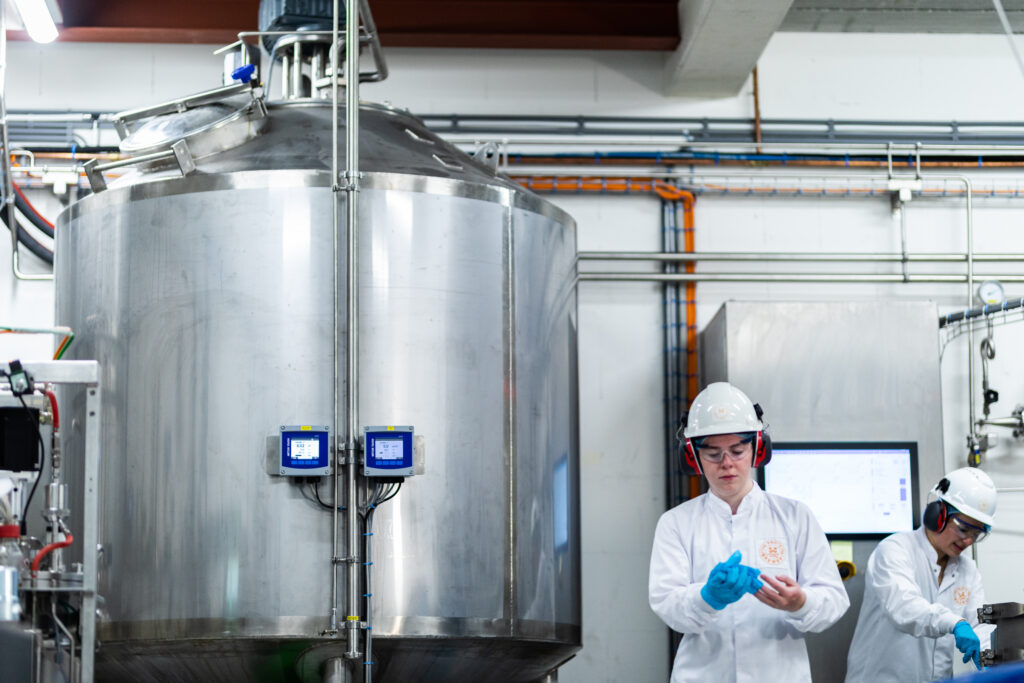
"We strongly believe Fermotein is uniquely positioned to support the next generation of nutrient-dense and sustainable foods that European consumers are asking for," said Thijs Bosch, CEO of The Protein Brewery. The company has ambitious plans for scaling its production capacity. It anticipates supplying 600 tonnes of Fermotein in 2027 from its production facility in Breda, the Netherlands, fulfilling existing customer commitments across Europe, the US, and Singapore. Beyond this, plans are in place to expand manufacturing capacity to over 2,000 tonnes by 2029.
"Europe is our home market, and supplying European customers directly from our Dutch factory is a turning point for the company," Bosch added. "We see strong demand from leading and emerging EU brands looking for a single ingredient that delivers complete protein, fiber, and bioactives."
Following its EU regulatory breakthrough, The Protein Brewery is optimistic about gaining approval in the United Kingdom later this year and is actively advancing its regulatory dossiers in Canada, Australia, and New Zealand.
The company’s growth trajectory has been supported by significant financial backing. Last year, The Protein Brewery successfully raised €30 million (approximately $35 million) in Series B funding to facilitate the market launch of Fermotein. More recently, it secured two grants from EU-backed initiatives, including a $2.7 million investment from the EU LIFE programme, specifically to support the commercialization of Fermotein for use in dairy alternatives. In international markets, the company is collaborating with partners such as Nepra Foods and CK Ingredients to introduce Fermotein into a range of consumer products, including ready-to-mix powders, ready-to-drink beverages, bars, and specialized supplements.
The successful EU novel food approval for Fermotein represents a significant leap forward for The Protein Brewery and the entire alternative protein industry. It validates the potential of mycelium as a sustainable and nutritious protein source and sets a critical precedent for future innovations in the sector, while also highlighting the ongoing need for regulatory frameworks to adapt to rapid scientific and market advancements.
