

The burgeoning demand for sustainable and high-performance ingredients in the personal care and cosmetics industry has spurred significant innovation, with Californian biotech firm Checkerspot now introducing Algolein, a novel line of microalgae oils. This pioneering development positions Algolein as a direct and superior alternative to fats derived from conventional, resource-intensive agricultural practices, aiming to redefine the formulation landscape for skincare, makeup, and a spectrum of other cosmetic products. Checkerspot’s proprietary technology hinges on precision fermentation, a sophisticated biotechnological process that involves genetically modifying microbes. By inserting specific DNA sequences, these microorganisms are engineered to produce targeted molecules, in this case, valuable lipids, when cultivated under controlled fermentation conditions. This method offers a departure from traditional agricultural outputs, which are often susceptible to environmental factors and land-use challenges.
John Krzywicki, CEO of Checkerspot, articulated the company’s strategic vision, stating, "The market is moving away from ingredients tied to intensive agriculture, and formulators are increasingly looking to microalgae and precision fermentation to get there." This sentiment underscores a broader industry trend where brands are actively seeking out ingredients that align with consumer preferences for eco-conscious sourcing and demonstrable sustainability credentials. The initial offering under the Algolein range is Algolein TG C18/80, a non-genetically modified organism (non-GMO) algal oil characterized by its high oleic acid content. Its commercialization has been facilitated through a strategic partnership with La Fabrique Végétale, a respected French specialist in the cosmetics sector, underscoring the global ambitions and collaborative approach driving this innovation.
A Multifaceted Advantage: Checkerspot’s Algal Oil Innovations
The environmental footprint of conventional agriculture, particularly concerning oil crop cultivation, is a significant concern. Globally, oil crops occupy approximately 37% of arable land, a figure that is projected to escalate. Projections suggest that the demand for these ingredients could necessitate a staggering 14% increase in production by 2050, placing immense pressure on land resources, water availability, and biodiversity. In this context, Checkerspot’s Algolein TG C18/80 emerges not just as an ingredient but as a solution designed to mitigate these pressures.

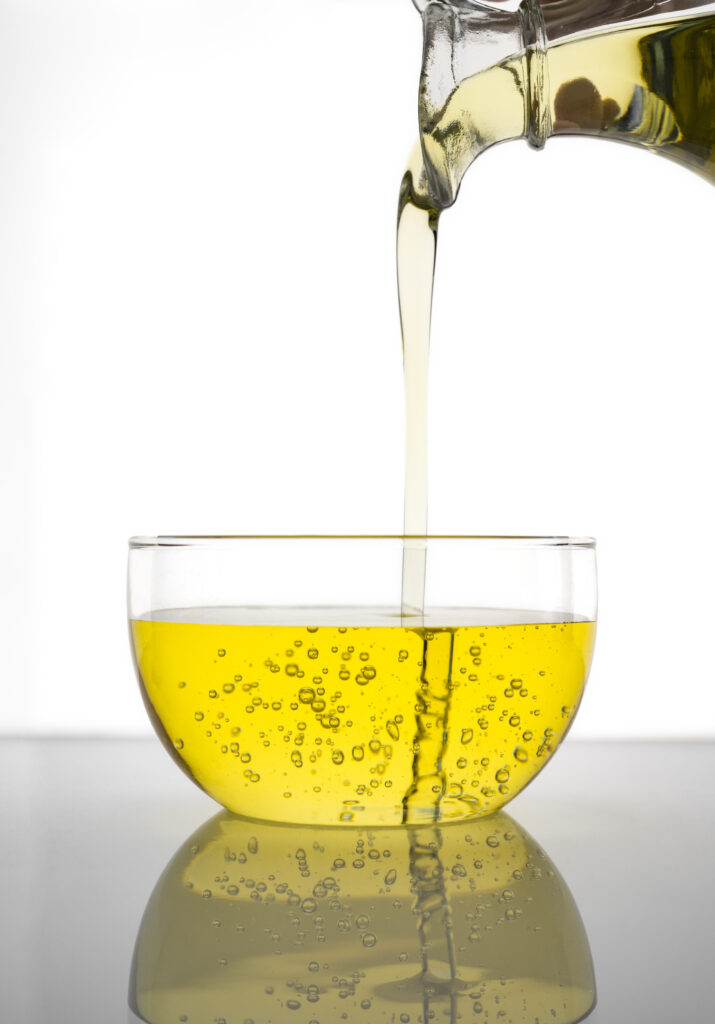
Algolein TG C18/80 is engineered to serve as a sustainable substitute for a variety of high-oleic fatty acid oils commonly used in personal care formulations. These include high-oleic sunflower oil, camellia oil, olive oil, and avocado oil, all of which are integral to a wide array of products spanning skincare, suncare, haircare, and makeup. The algal oil boasts a remarkable composition, with over 80% oleic acid, a monounsaturated fatty acid renowned for its emollient and skin-conditioning properties. This high concentration of oleic acid is further complemented by the presence of ergosterol, a naturally occurring sterol that is not typically found in significant quantities in conventional vegetable oils. Ergosterol is known for its antioxidant and skin-benefiting properties, adding another layer of functional value to the ingredient.
The performance characteristics of Algolein TG C18/80 are particularly noteworthy, offering significant advantages over traditional oils. It exhibits exceptional oxidative stability, a critical attribute that directly addresses the common concern of rancidity in natural oils. This enhanced stability translates into longer shelf life for finished cosmetic products and maintains the integrity of the formulation over time. Furthermore, the ingredient possesses a neutral sensory profile, meaning it does not impart undesirable color or odor to the final product, allowing formulators greater creative freedom. Its texture is described as silky, providing a luxurious feel that is highly desirable in premium cosmetic applications and contributing to a superior sensorial experience for the end consumer.
Beyond its aesthetic and stability benefits, Algolein TG C18/80 offers tangible dermatological advantages. Research and development have indicated its capacity to support skin repair mechanisms and aid in the natural healing processes of the skin. It plays a crucial role in protecting and strengthening the skin barrier, a vital defense system that prevents moisture loss and shields the skin from environmental aggressors. Additionally, its properties contribute to reducing oxidative stress and inflammation, two key factors implicated in skin aging and various dermatological concerns.
The production methodology employed by Checkerspot further elevates the sustainability profile of Algolein TG C18/80. The fermentation process is inherently free of phytosanitary inputs, which means the resulting oil is devoid of pesticide residues or other contaminants commonly associated with agricultural practices. This purity is a significant advantage for brands focused on "clean beauty" formulations. Moreover, the controlled nature of precision fermentation ensures a consistent and reproducible composition of the final product. This eliminates the batch-to-batch variability that can plague natural ingredient sourcing, providing formulators with a reliable and predictable raw material. Krzywicki further emphasized this point: "Our platform gives the industry drop-in alternatives that outperform the oils they’re replacing and sets the stage for a new generation of innovation."
The Ascendancy of Fermentation-Derived Lipids in Personal Care
The launch of Algolein TG C18/80 arrives at a pivotal moment, as fermentation-derived sustainable fats are rapidly gaining traction within the personal care industry. The partnership between Checkerspot and La Fabrique Végétale, initially announced in January, signifies a concerted effort to introduce these advanced ingredients to the European market. The collaboration is set to be showcased at the In-Cosmetics Global trade show in Paris, scheduled from April 14th to 16th, providing a significant platform for industry professionals to experience the innovation firsthand.
The growing consumer preference for "clean beauty" products in Europe provides fertile ground for such advancements. Recent reports indicate that approximately half of European consumers now actively seek out eco-friendly skincare products. This shift in consumer consciousness is driving demand for ingredients that not only perform exceptionally well but also align with ethical and environmental values. Life-cycle assessment indicators for Algolein TG C18/80 demonstrate a significantly lower environmental impact compared to crop oils with similar fatty acid profiles. These indicators encompass crucial metrics such as land use, contributions to climate change, eutrophication, ecotoxicity, and human toxicity, painting a compelling picture of the ingredient’s environmental advantages.
A key differentiator for fermentation-derived lipids is their resilience to the inherent volatilities of traditional agriculture. Unlike vegetable oil production, which is susceptible to seasonal variations, crop failures due to weather events, and complex supply chain disruptions, fermentation offers a controlled and predictable manufacturing process. This inherent stability ensures a consistent supply chain, a crucial factor for brands looking to scale their product lines without compromising on ingredient availability.
Checkerspot is not an isolated player in this burgeoning field. Several companies are actively developing and launching fermentation-derived lipids for the personal care sector, indicating a significant and growing market trend. Last week, Estonian startup Äio made headlines with the debut of RedOil, a yeast-derived fat designed as an alternative to tropical oils like palm oil. RedOil was featured in a skin-boosting serum formulated by the personal care brand Tilk, highlighting its immediate application in finished products.

This development follows closely on the heels of the UK firm Clean Food Group’s introduction of CleanOil, a yeast fat derived from waste streams, also targeting the beauty and cosmetics sector. Clean Food Group has achieved significant regulatory milestones, securing approval for its yeast oil as a cosmetic ingredient in both the US and Europe last year. Furthermore, the company strategically expanded its capabilities by acquiring microalgal oil producer Algal Omega 3, signaling a broader commitment to developing a diverse portfolio of sustainable lipid solutions.
In parallel, California-based Savor has been diversifying its carbon-based fat platform. The company has made a strategic move into the beauty sector, launching four distinct product lines that cater to skincare, haircare, over-the-counter formulations, and therapeutic care. This expansion demonstrates a recognition of the significant opportunities within the personal care market for innovative lipid-based ingredients.
Checkerspot’s ambitions extend beyond the personal care sector. The company is also leveraging its fermentation expertise to address critical nutritional needs. They have developed a fat analogue designed to mimic the OPO (Oleic-Palmitic-Oleic or sn-2 palmitate) structure found in human breast milk. OPO is an essential component for infant health, and its presence is a key nutritional differentiator between breast milk and infant formula. Checkerspot is collaborating with Huvepharma, a Bulgarian pharmaceutical company, to scale up the industrial production of this vital ingredient, showcasing the versatility and far-reaching impact of their biotechnological platform. This dual focus on consumer goods and essential nutritional components highlights Checkerspot’s comprehensive approach to utilizing fermentation for high-value applications.
