
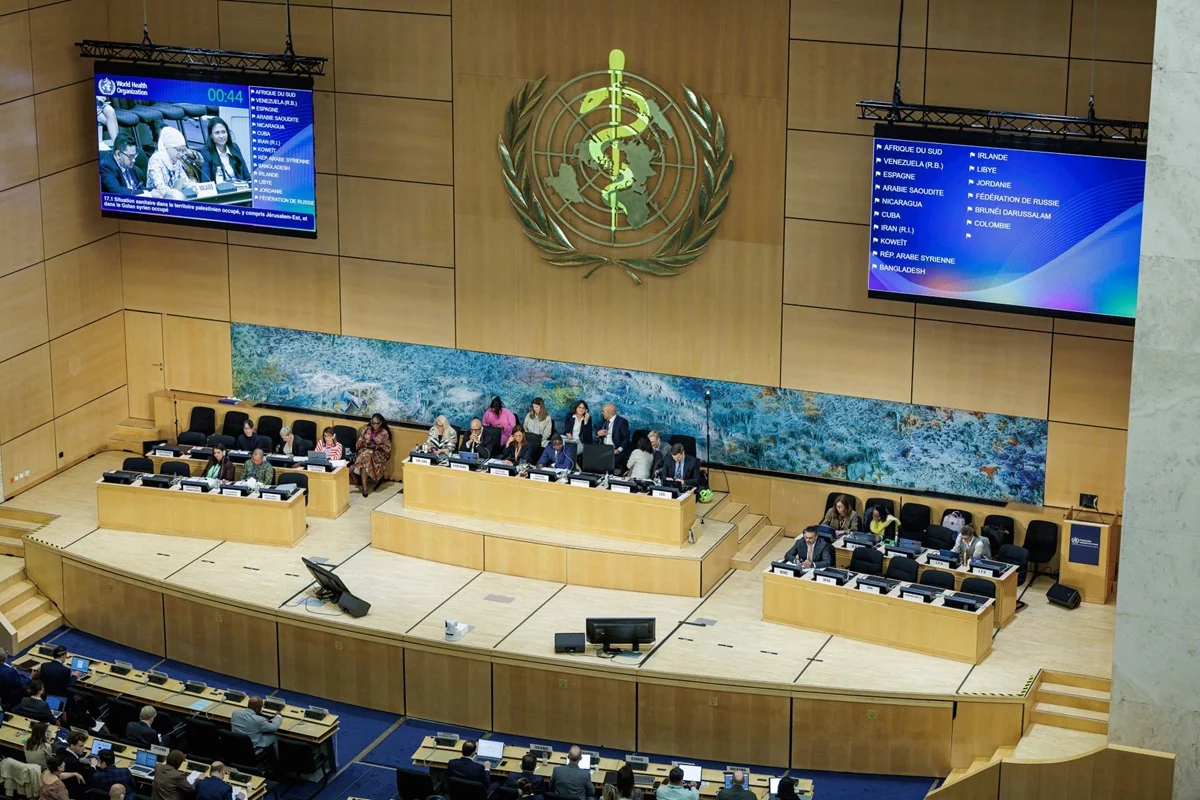
The World Health Assembly, the decision-making body of the World Health Organization (WHO), has concluded a series of pivotal sessions resulting in the endorsement of a new post-2030 strategy for tuberculosis (TB), the formal recognition of steatotic liver disease (SLD) as a major noncommunicable disease (NCD), and a landmark resolution to improve care for those living with haemophilia. These decisions, reached during the latest high-level meetings in Geneva, signal a significant shift in global health priorities as Member States seek to address both long-standing infectious killers and the rapidly escalating burden of chronic metabolic conditions. The Assembly’s actions provide a roadmap for health systems to adapt to emerging scientific evidence, epidemiological shifts, and the pervasive threat of health-related misinformation that has increasingly undermined public trust in scientific institutions.
A New Vision for the End TB Strategy Beyond 2030
In a move that anticipates the conclusion of the current Sustainable Development Goals (SDGs), the Assembly endorsed a decision requesting the Director-General to develop a comprehensive post-2030 TB strategy. This new framework, to be developed in close consultation with Member States and diverse stakeholders, is scheduled for submission to the Eighty-first World Health Assembly in 2028. The timing is strategic, designed to align with the 2028 United Nations High-Level Meeting on TB, ensuring that political commitment remains high as the world enters the final stretch of the current 2030 targets.
The necessity for a new strategy stems from a complex epidemiological landscape. While the original End TB Strategy, launched in 2014, set ambitious targets to reduce TB deaths by 95% and incidence by 90% by 2035, the global response has faced unprecedented headwinds. The COVID-19 pandemic significantly disrupted TB screening and treatment programs, leading to the first increase in TB deaths in over a decade in 2020 and 2021. However, the Assembly noted that 2024 has marked a turning point, showing the first post-pandemic decline in TB incidence and the highest levels of access to essential TB services ever recorded.
Despite these recent gains, the underlying data remains sobering. Between 2000 and 2024, expanded treatment efforts saved an estimated 83 million lives. Yet, TB continues to be one of the world’s leading infectious killers, frequently surpassing HIV/AIDS in annual mortality. The Assembly’s report highlighted that global targets remain off track due to chronic underfunding—with a persistent gap between the resources available and the $13 billion annually required for TB prevention, diagnosis, and treatment—as well as the compounding effects of conflict, climate-related displacement, and rising poverty. The post-2030 strategy will prioritize integration with primary health care (PHC) and universal health coverage (UHC) to ensure that TB services are not siloed but are part of a resilient health security agenda.
Addressing the "Silent Epidemic" of Steatotic Liver Disease
In a historic shift for metabolic health, delegates approved a resolution recognizing steatotic liver disease (SLD) as an urgent and growing contributor to the global burden of NCDs. SLD, which was formerly known as fatty liver disease, is estimated to affect 1.7 billion people—more than a quarter of the global population. The rebranding of the condition reflects a move toward more precise medical terminology that reduces stigma while accurately describing the accumulation of fat in the liver.
The resolution emphasizes that SLD is no longer a peripheral health concern but a central pillar of the chronic disease crisis. It is inextricably linked to the "metabolic syndrome" cluster, which includes obesity, type 2 diabetes, and cardiovascular disease. Without intervention, SLD can progress to advanced fibrosis, cirrhosis, and hepatocellular carcinoma (liver cancer). It is currently one of the fastest-growing reasons for liver transplantation in high-income countries, placing an immense and growing financial strain on national health budgets.
The Assembly’s resolution calls for a multisectoral approach, urging Member States to integrate SLD into national NCD strategies. This includes strengthening primary health care to allow for earlier screening and diagnosis, particularly for high-risk populations such as children and adolescents, who are increasingly showing signs of the disease due to rising rates of pediatric obesity. The WHO has been tasked with providing technical support to countries to improve surveillance and to promote lifestyle interventions addressing shared risk factors, such as physical inactivity and the consumption of ultra-processed, high-sugar diets.
Closing the Equity Gap for Haemophilia and Rare Bleeding Disorders
The Assembly also turned its attention to rare diseases, passing a resolution that recommits global action toward haemophilia and other bleeding disorders. This decision addresses a profound equity gap: it is estimated that nearly 70% of people living with haemophilia worldwide remain undiagnosed. In many low- and middle-income countries, the lack of diagnostic capacity and the high cost of replacement clotting factors mean that a diagnosis of haemophilia often results in early disability or death.
Haemophilia and related conditions, such as von Willebrand Disease, impair the blood’s ability to clot, leading to prolonged bleeding from minor injuries and spontaneous internal bleeding into joints and muscles. The resolution marks a concrete step toward integrating these rare conditions into broader health policies, including maternal health and NCD frameworks. By encouraging countries to include life-saving therapies—such as factor concentrates and newer non-factor therapies—on their national Essential Medicines Lists, the WHO aims to drive down costs and improve procurement stability.
Furthermore, the resolution stresses the importance of national data collection. Without accurate registries, many governments are unable to quantify the burden of bleeding disorders, leading to inadequate resource allocation. The Assembly’s commitment seeks to ensure that patients, regardless of their geographic location, have access to specialized treatment centers and the prophylactic care necessary to lead full, productive lives.
Combating Misinformation and Rebuilding Trust in Science
Recognizing that medical breakthroughs and policy resolutions are only effective if the public trusts the information they receive, the Assembly held a Strategic Roundtable on health mis- and disinformation. This session brought together leaders from government, the private sector, and civil society to address what many now describe as a "public health threat" on par with physical pathogens.
The consensus among participants was that misinformation is not merely a communication hurdle but a structural challenge to global health security. The roundtable highlighted how false information regarding vaccines, treatments, and disease outbreaks can lead to the rejection of life-saving interventions and the harassment of health workers. To counter this, the Assembly advocated for a "whole-of-government" approach that moves beyond reactive fact-checking.
Key priorities identified during the session include:
- Empowering Frontline Workers: Training health professionals to engage in empathetic, evidence-based communication with patients who have encountered misinformation.
- Resilient Information Ecosystems: Strengthening collaboration with technology platforms to prioritize credible health information and limit the spread of harmful falsehoods.
- Proactive Engagement: Developing "pre-bunking" strategies that educate the public on how to identify misinformation before they encounter it.
- Community Involvement: Leveraging trusted local voices—such as community leaders and youth advocates—to disseminate health messages in culturally appropriate ways.
Chronology of Global Health Milestones and Future Outlook
The decisions made today are part of a broader timeline of global health governance. The current "End TB Strategy" was adopted in 2014, following the Millennium Development Goals. As the world approaches the 2030 deadline for the SDGs, the 2024 Assembly serves as a critical midpoint for recalibration.
- 2014-2023: Implementation of the End TB Strategy with mixed results due to the COVID-19 pandemic.
- 2024: Formal recognition of SLD as a major NCD and the first post-pandemic decline in TB incidence.
- 2025-2027: Development of the post-2030 TB strategy and integration of SLD into national health plans.
- 2028: Submission of the new TB strategy to the 81st World Health Assembly and the UN High-Level Meeting on TB.
- 2030: The target year for the Sustainable Development Goals and the transition to the new global health frameworks.
The implications of these resolutions are far-reaching. By broadening the scope of NCDs to include liver health and emphasizing the need for equity in rare disease treatment, the WHO is signaling a more holistic approach to human health. However, the success of these initiatives will depend heavily on the ability of Member States to secure sustainable financing and to navigate the "infodemic" that threatens to derail public health efforts.
As the Assembly concluded, the overarching message was one of cautious optimism. The 83 million lives saved from TB and the record access to services in 2024 demonstrate that progress is possible even under duress. By planning for the post-2030 era now, the global health community is attempting to ensure that the momentum gained in the wake of the pandemic is not lost, but rather channeled into a more resilient and equitable future for all.
