
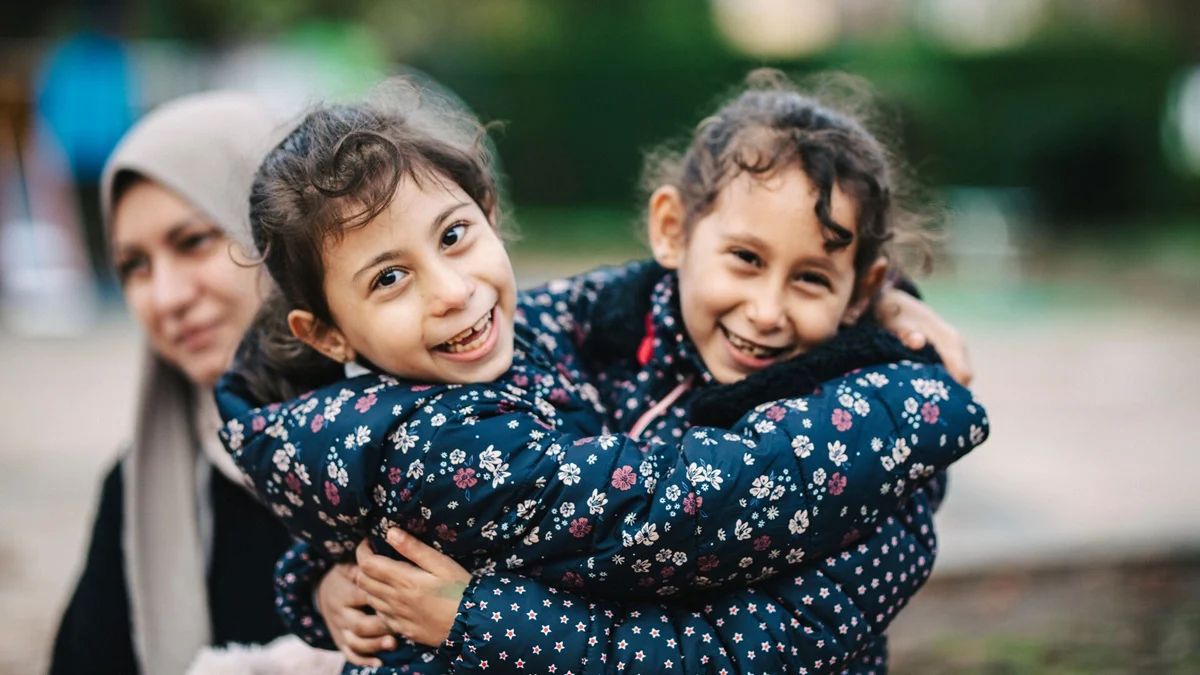
The World Health Organization (WHO) has released a comprehensive new report revealing a significant paradigm shift in how nations address the health requirements of displaced populations, noting that more than 60 countries—representing two-thirds of those surveyed—have now formally integrated refugees and migrants into their national health policies and legal frameworks. This finding, central to the "World report on promoting the health of refugees and migrants: monitoring progress on the WHO global action plan," establishes the first global baseline for tracking the evolution of inclusive, migrant-responsive health systems. By analyzing data from 93 Member States, the WHO provides a data-driven look at how the international community is moving toward the goal of Universal Health Coverage (UHC) while highlighting the substantial structural and social obstacles that remain for the world’s most mobile populations.
The Global Scale of Migration and Health
Human migration is not a modern anomaly but a defining feature of human history, driving the cultural, social, and economic development of civilizations over millennia. In the current global landscape, however, the scale of mobility is unprecedented. Today, more than 1 billion people—approximately one in every eight individuals globally—live as refugees or migrants. The drivers behind this movement are multifaceted, ranging from the acute pressures of armed conflict and natural disasters to the pursuit of economic opportunity, higher education, or family reunification.
Despite their significant numbers, refugees and migrants frequently occupy the margins of the societies they enter. They often face disproportionate risks of infectious and chronic diseases, mental health challenges stemming from trauma or displacement, and unsafe living or working conditions. The WHO report emphasizes that these vulnerabilities are not inherent to the status of being a migrant but are often the result of systemic exclusions and the lack of access to timely, affordable, and culturally appropriate healthcare.
A Chronology of Global Commitment
The current report is the culmination of a decade of intensifying international focus on the intersection of migration and health. The trajectory toward this global baseline began in earnest with the 2016 New York Declaration for Refugees and Migrants, which paved the way for the Global Compact on Refugees and the Global Compact for Safe, Orderly and Regular Migration.
In 2017, the 70th World Health Assembly (WHA) requested the development of a framework to address the health of these populations, leading to the 2019 adoption of the WHO Global Action Plan: Promoting the Health of Refugees and Migrants (2019–2023). This plan was designed to provide a roadmap for Member States to align their national strategies with international human rights standards. As the initial timeframe for the Global Action Plan neared its end, the 76th World Health Assembly in 2023 extended the plan’s duration to 2030, aligning it with the United Nations Sustainable Development Goals (SDGs). This extension reflects a recognition that achieving "health for all" is impossible without the explicit inclusion of mobile populations.
Economic and Social Dividends of Inclusion
The WHO report posits that investing in the health of refugees and migrants is not merely a humanitarian obligation but a strategic economic and social imperative. Dr. Tedros Adhanom Ghebreyesus, WHO Director-General, noted that refugees and migrants are not passive recipients of care; rather, they are active contributors to the health workforce, caregivers, and community leaders.
When health systems are inclusive, they foster better social and economic integration. Healthy populations are more capable of participating in the labor market, contributing to the tax base, and enriching the social fabric of host communities. Conversely, the cost of exclusion is high. When migrants are denied access to primary care, they often delay seeking treatment until their conditions become acute, leading to more expensive emergency room visits and higher long-term costs for the state. Furthermore, inclusive systems strengthen global health security. By ensuring that every individual within a territory has access to vaccinations, screenings, and treatment, countries can better detect and contain outbreaks of infectious diseases, thereby protecting the entire population and enhancing pandemic preparedness.
Case Studies in Practical Implementation
The report utilizes case studies from all six WHO regions to demonstrate that progress is achievable across diverse political and economic landscapes. These examples serve as a blueprint for other nations seeking to modernize their health policies.
In Thailand, the government has expanded health insurance coverage specifically for non-Thai people. This initiative allows migrants to opt into a state-managed insurance scheme, providing them with access to the same primary care and hospital services as Thai citizens. This move has been credited with improving public health outcomes and reducing the financial burden on the public hospital system.
In Belgium, the focus has been on overcoming the "soft barriers" to healthcare, such as language and cultural differences. The country has implemented a system of intercultural mediators—professionals who bridge the gap between healthcare providers and migrant patients. This program ensures that diagnoses are accurate, treatments are understood, and patients feel respected, which significantly increases the efficacy of care.
Chile has taken a participatory approach by including representatives from migrant communities in the decision-making processes for primary healthcare delivery. By giving these communities a voice in how services are designed and implemented, Chile has seen a rise in the utilization of health services among displaced populations and a decrease in health disparities.
Addressing the Persistent Gaps in Care
Despite the positive trend toward policy inclusion, the WHO report identifies critical gaps that prevent many migrants from accessing the care they are legally entitled to. One of the primary obstacles is the lack of disaggregated data. Many countries do not collect health data specifically categorized by migration status, making it difficult for policymakers to identify specific health trends or allocate resources effectively.
Furthermore, legal and administrative barriers continue to persist. Even in countries where policies are inclusive on paper, migrants often face "administrative hurdles," such as the requirement to provide proof of residency or employment to access care—documents that refugees or undocumented migrants may not possess. Financial barriers also remain a significant deterrent, as high out-of-pocket costs can prevent low-wage migrant workers from seeking necessary medical attention.
The report also highlights the impact of discrimination and xenophobia within healthcare settings. Negative attitudes from staff or the fear of being reported to immigration authorities can lead migrants to avoid health facilities entirely, creating "pockets of vulnerability" that can undermine national public health efforts.
Digital Innovation and the IOM Partnership
A landmark development highlighted in the report is the deepening collaboration between the WHO and the International Organization for Migration (IOM). The IOM has become the first international organization to join the Global Digital Health Certification Network (GDHCN), a digital public infrastructure hosted by the WHO.
The GDHCN was initially developed to facilitate the verification of health documents during the COVID-19 pandemic. By onboarding the IOM, the network is being expanded to help migrants securely access and share their health records across international borders. This digital interoperability is crucial for maintaining "continuity of care." For instance, a migrant undergoing treatment for a chronic condition like tuberculosis or HIV can have their medical history verified by doctors in a new country, ensuring that life-saving treatment is not interrupted by the migration process. This partnership underscores the WHO’s leadership in utilizing technology to protect and empower people globally, regardless of their legal status.
Analysis of Global Health Implications
The findings of the WHO report suggest that the global health community is beginning to view migration as a permanent and manageable feature of the 21st century rather than a series of disconnected crises. This shift toward "migrant-responsive health systems" reflects a growing understanding of the "One Health" concept—the idea that the health of a nation is inextricably linked to the health of every individual within its borders.
From a geopolitical perspective, the report shows that evidence-based policymaking is gaining ground even in sensitive political climates. By relying on science, data, and established international norms, countries are finding ways to provide care that transcends partisan debates over immigration. The integration of migrants into national health systems is increasingly seen as a pillar of resilient health infrastructure, capable of withstanding the pressures of future pandemics and the health impacts of climate change.
The Way Forward: Recommendations for Member States
To accelerate the progress documented in the report, the WHO has outlined several critical recommendations for governments, donors, and international partners. First, there is an urgent need to strengthen the collection of high-quality, disaggregated data to inform policy. Without clear data, the specific needs of different migrant groups—such as women, children, and the elderly—remain invisible.
Second, the WHO urges countries to eliminate discriminatory practices and administrative barriers that prevent migrants from accessing services. This includes decoupling health services from immigration enforcement to ensure that fear of deportation does not hinder public health.
Third, the WHO calls for increased investment in culturally and linguistically responsive care. This involves training the health workforce to work effectively with diverse populations and ensuring that health information is available in multiple languages.
Finally, the report emphasizes the need for cross-border cooperation. Migration is by definition a transnational issue, and health policies must reflect this. By fostering partnerships like the one between the WHO and the IOM, and by utilizing digital health platforms, the international community can create a seamless web of care that protects people throughout their journey.
The WHO has reaffirmed its commitment to supporting Member States in translating these policy commitments into tangible actions. Through the promotion of rights-based approaches and the integration of refugees and migrants into resilient national health systems, the goal is to ensure that the 1 billion people on the move are no longer left behind in the global pursuit of health and well-being.
