

A groundbreaking collaboration has been forged between Soufflet Malt, a global leader in malt production, and Ferments du Futur, a pioneering public-private research initiative, to develop high-value food ingredients using advanced fermentation techniques. This strategic partnership, set to unfold over an intensive 18-month program, marks a significant step into the burgeoning market for sustainable alternatives to cocoa, a commodity facing unprecedented challenges. The initial focus of this ambitious endeavor will be the creation of a novel cocoa substitute derived from sprouted grains, leveraging the power of solid-state malt fermentation.
The alliance strategically combines the vast industrial expertise and global reach of Soufflet Malt, recognized as the world’s largest malt producer, with the cutting-edge research capabilities and scientific acumen of Ferments du Futur. Established in 2022, Ferments du Futur operates as a vital bridge between academic discovery and market-driven innovation, enjoying robust backing from the esteemed French National Research Institute for Agriculture, Food and Environment (INRAE) and the influential Association of Food Industries (ANIA). This synergy is expected to accelerate the development and commercialization of next-generation food ingredients.
"By combining advanced fermentation research and industrial know-how, this partnership perfectly illustrates the strength of the continuum between discovery and market-driven innovation," stated Damien Paineau, Executive Director of Ferments du Futur. This sentiment underscores the program’s commitment to translating scientific breakthroughs into tangible, commercially viable solutions that address pressing global needs.
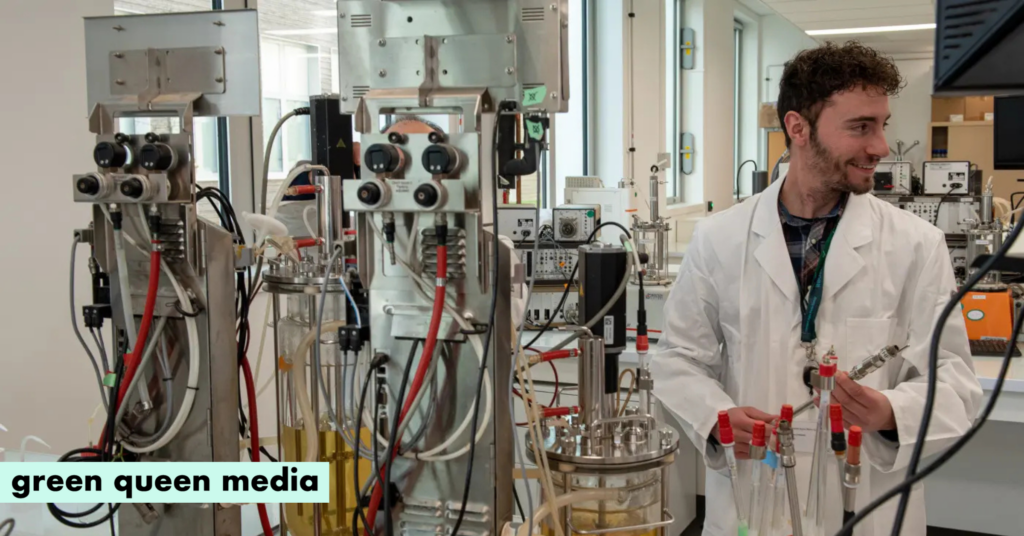
Harnessing Malt Fermentation to Recreate Cocoa’s Complex Aromatic Profile
The core of this innovative project lies in the sophisticated application of solid-state fermentation. This biological process involves cultivating microorganisms directly on germinated grains, a method designed to precisely generate targeted aromatic compounds. The potential applications of this technology are extensive, promising the creation of a diverse range of grain- and legume-derived ingredients for the food industry, including those rich in antioxidants and essential vitamins.
The immediate objective for Soufflet Malt and Ferments du Futur is to meticulously replicate the intricate aromatic signatures characteristic of cocoa. This will be achieved through the controlled fermentation of barley malt, wheat, and other carefully selected germinated grains. The research team will embark on a comprehensive journey to identify the key aromatic compounds that define cocoa’s appeal and to elucidate the specific metabolic pathways within the grains and microorganisms that can biosynthesize these desirable flavors. A critical component of this research will involve extensive screening of microbial strains to identify those best suited for flavor development, alongside rigorous optimization of fermentation conditions. This includes exploring and refining roasting techniques, which play a pivotal role in deepening the flavor complexity of the final fermented products.
Beyond the laboratory, the partnership is investing in a scalable future. Plans are already underway to establish a four-tonne pre-industrial demonstration facility in Nogent-sur-Seine, France. This state-of-the-art facility will serve as a crucial bridge between pilot-scale research and full commercial production. It will enable the teams to validate strain productivity and fermentation parameters at a significantly larger scale, ensuring the robustness and efficiency of the process. Furthermore, this facility will be instrumental in preparing high-quality samples for potential commercial partners, facilitating early market engagement and feedback.
This initiative is strategically positioned to expedite the transition from fundamental research to market-ready applications, particularly for sustainable alternatives to commodities that are increasingly vulnerable to the impacts of climate change. The growing demand from manufacturers for such alternatives reflects a broader industry shift towards resilience and sustainability.
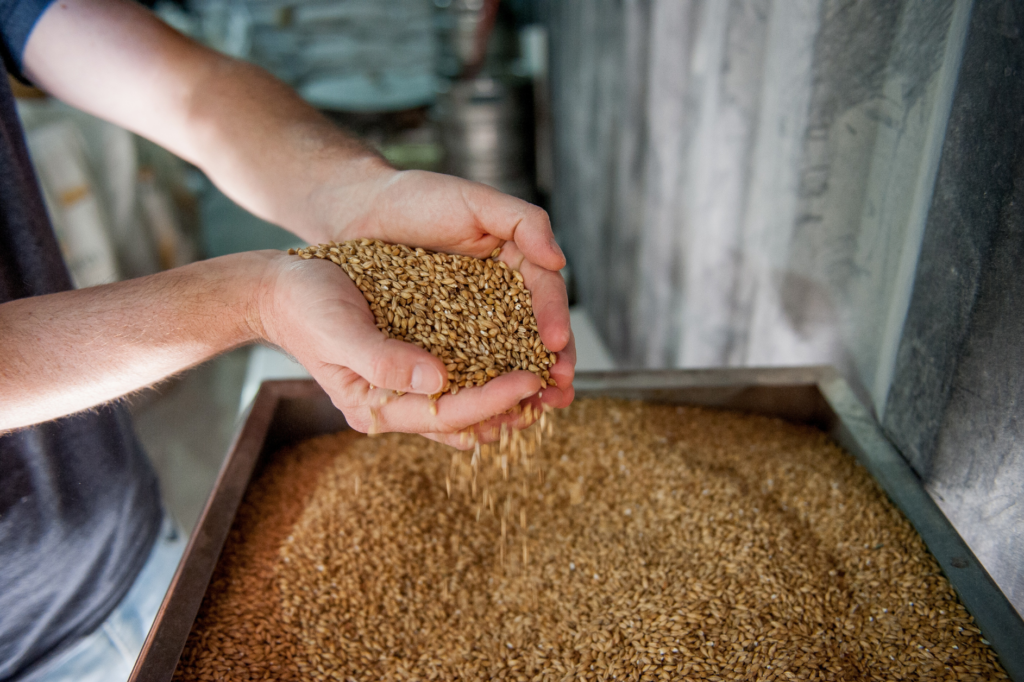
The Growing Imperative for Cocoa Alternatives Amidst Climate Crisis
Cocoa, a cornerstone ingredient in the global confectionery industry, has emerged as one of the commodities most severely impacted by the escalating climate crisis. Recent years have witnessed a dramatic downturn in global cocoa stocks, with figures falling to a decade low in 2024. This scarcity has precipitated an unprecedented surge in cocoa prices, reaching record highs. In December 2024, the price of a tonne of cocoa in the United States soared to an astonishing $12,565. Projections from climate scientists paint a grim picture, indicating that as much as one-third of the world’s cocoa trees could face extinction by 2050 due to changing environmental conditions.
The production of chocolate itself is also a significant contributor to climate change. Studies have revealed that chocolate manufacturing emits more greenhouse gases than most other food products, second only to beef. The environmental footprint extends to water consumption, with an estimated 1,700 liters of water required to produce a single bar of chocolate. The industry has also been widely criticized for its role in rampant tropical deforestation, a practice that exacerbates biodiversity loss and contributes to carbon emissions. Consequently, chocolate has become a focal point for stringent anti-deforestation legislation in key markets like the European Union and the United Kingdom, with similar regulatory proposals under consideration in the United States.
Laurent Debande, Chief Growth and Innovation Officer at Soufflet Malt, emphasized the critical need for such collaborative efforts. "Given the challenges currently facing the cocoa value chain, innovation and collaboration between public research and industry are essential to developing new sustainable solutions," he stated. This perspective highlights the proactive stance being taken by industry leaders to confront these complex issues head-on.
Soufflet Malt is strategically positioned to capitalize on the burgeoning demand for alternative cocoa solutions. The company boasts an extensive global footprint, operating 40 malting plants across 20 countries with an impressive annual production capacity of 3.7 million tonnes. This scale provides a significant advantage in terms of sourcing, processing, and distribution. Concurrently, Ferments du Futur operates a cutting-edge innovation center within the vibrant Paris-Saclay science and innovation cluster. The initiative is further bolstered by substantial government support, having secured €48.3 million in funding from the French government’s France 30 program, underscoring its national importance and strategic value.

The landscape of cocoa alternatives is rapidly evolving, with a multitude of innovative startups emerging globally. These companies are exploring diverse approaches, including the development of cocoa-free chocolate and cell-based cocoa production. Many of these ventures are receiving crucial support and investment from established industry giants such as Barry Callebaut, Cargill, Puratos, and Mondelēz International, signaling a collective industry commitment to finding viable solutions. Notable players in this dynamic space include Voyage Foods, Planet A Foods, Prefer, Win-Win, Foreverland, Nukoko, Endless Food Co, Green Spot Technologies, California Cultured, and Kokomodo, each contributing unique technologies and product concepts to the growing alternative cocoa market. The collaborative spirit exemplified by the Soufflet Malt and Ferments du Futur partnership is likely to accelerate the pace of innovation and bring these much-needed sustainable alternatives to consumers worldwide.
