
The Fjällräven Expedition Down Parka stands as a testament to an enduring legacy in outdoor apparel, born from the innovative spirit of its founder, Åke Nordin. What began as a practical solution to combat the harsh Swedish winters has evolved into an iconic piece of gear, renowned for its unparalleled warmth and thoughtful design. This article delves into the history, construction, and philosophy behind this remarkable jacket, exploring the unique elements that have cemented its status as a benchmark in extreme weather protection.

The Genesis of an Icon: Åke Nordin’s Vision
The story of the Expedition Down Parka is inextricably linked to the life and vision of Åke Nordin, the founder of Fjällräven. From a young age, Nordin possessed an innate understanding of the needs of outdoor enthusiasts. At just 14, he began crafting and selling wooden-framed backpacks to local reindeer herders, a venture that laid the foundation for what would become a global outdoor brand. His early experiences hiking and interacting with those who lived and worked in challenging natural environments instilled in him a deep appreciation for functional, durable, and warm clothing.

The inspiration for the Expedition Down Parka itself is often attributed to Nordin’s desire to create a jacket that could withstand the most severe cold. Early iterations involved creative problem-solving, such as sewing two down jackets together to achieve maximum insulation. This hands-on, experimental approach characterized Nordin’s design philosophy, prioritizing effectiveness and resilience above all else. The "mad genius" moniker, as humorously described by Michael of The Iron Snail, aptly captures Nordin’s unconventional yet highly effective methods.
A Nod to the Space Race and Material Innovation

Nordin’s ingenuity extended beyond mere insulation. His adaptability and foresight were evident when, during the Space Race era, he recognized the potential of aluminum. He transitioned from wooden backpack frames to aluminum, a material that was not only lighter but also aligned with the burgeoning technological advancements of the time. This early adoption of innovative materials foreshadowed Fjällräven’s ongoing commitment to utilizing cutting-edge textiles and construction techniques in their products.
The Hockey Lace Secret Sauce: Unconventional Ingenuity

One of the most charming and indicative features of the Expedition Down Parka’s design history is the use of hockey laces. When Nordin was initially developing the jacket, he required durable cords to cinch the hood and hem, but lacked conventional drawstrings. His resourceful solution was to utilize readily available hockey laces. This detail, while seemingly minor, speaks volumes about the brand’s pragmatic approach to design, favoring functional solutions that work, regardless of their traditional application.
The blue version of the jacket further accentuates this detail, with the laces subtly mirroring the colors of the Swedish flag, a subtle yet symbolic touch that underscores the brand’s national heritage. This attention to detail, even in seemingly utilitarian components, adds a layer of character and storytelling to the garment.

The Strategic Use of Synthetic Insulation
A point of particular interest and discussion surrounding the Expedition Down Parka is the strategic placement of synthetic padding alongside its primary down fill. While the majority of the jacket is insulated with high-quality goose down for exceptional warmth-to-weight ratio, synthetic insulation is incorporated in specific areas such as the zipper placket, shoulders, and hood brim.

This decision, initially perceived as a potential point of contention, is rooted in practical considerations. The primary rationale, as revealed through discussions with Fjällräven representatives, is to enhance warmth and durability in areas subject to compression and moisture. When wearing a backpack, the shoulders are under constant pressure, which can compress down fill, reducing its insulating capabilities. Synthetic insulation, which retains loft better under pressure and dries faster, provides a more consistent level of warmth in these critical zones. This thoughtful integration of materials demonstrates a deep understanding of how the jacket will be used in real-world conditions.
The "Tank" Concept: Designed for Extreme Conditions

The sheer volume and construction of the Expedition Down Parka contribute to its reputation as a "tank" for the cold. Its oversized silhouette is not merely for aesthetics; it’s a functional design choice. The generous cut allows for layering underneath, meaning the parka can be worn over other insulated garments or even a base layer without feeling restrictive. This is crucial for extreme cold environments where transitioning between different temperature zones or activity levels requires adaptable insulation.
The jacket is engineered to be a final layer of defense against the most brutal weather. Whether at a base camp or enduring prolonged exposure to freezing temperatures, the Expedition Down Parka is designed to provide an unwavering shield of warmth, making it an indispensable tool for polar expeditions and harsh winter conditions.

A Legacy Rooted in Collaboration and Outdoor Pioneering
The development of modern outdoor gear, particularly down jackets, has a rich history of innovation and collaboration. The mid-20th century marked a significant period for the popularization of down-filled apparel, with figures like Eddie Bauer playing a pivotal role. Bauer, inspired by his own near-fatal experience with hypothermia, developed one of the first commercially successful down jackets in the United States, a design that became synonymous with warmth and outdoor adventure.

Åke Nordin’s journey reflects this era of pioneering spirit. His decision to travel to the U.S. to consult with figures like Eddie Bauer underscores a commitment to learning from the best and advancing the field of outdoor apparel. This willingness to seek knowledge and collaborate with contemporaries is a hallmark of true innovation. The narrative of Nordin meeting with George Lamb of Camp 7, another significant figure in early outdoor gear, further highlights this collaborative ethos. These pioneers shared a common goal: to create gear that enabled people to enjoy the outdoors more comfortably and safely.
The Construction of Warmth: Offset Baffle Design

The effectiveness of a down jacket hinges on its construction, specifically how the down is contained and distributed. The Expedition Down Parka employs an offset channel construction, a sophisticated method that maximizes insulation and minimizes heat loss. Unlike simpler sewn-through designs, where stitching can create cold spots, offset baffle construction involves two layers of sewn-through baffles that are offset from each other.
This technique essentially creates two jackets sewn together, with the seams of the inner and outer layers not aligning. This design dramatically reduces the potential for thermal bridging, ensuring that the down remains evenly distributed and continues to provide loft and warmth across the entire garment. This meticulous approach to construction is a key factor in why the Expedition Down Parka is regarded as one of the warmest jackets available.

The G-1000 Fabric: A Testament to Adaptability and Durability
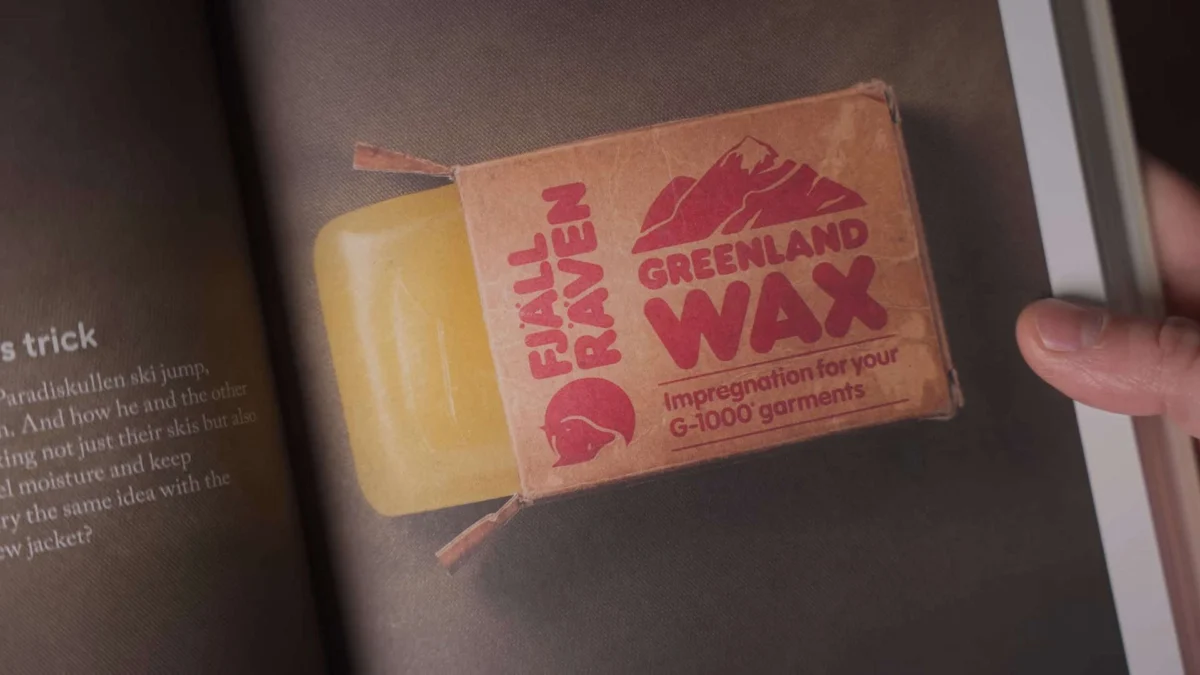
Fjällräven’s signature G-1000 fabric, a densely woven blend of polyester and cotton, represents another cornerstone of the brand’s design philosophy. While not the primary insulation of the Expedition Down Parka, it is often incorporated into other Fjällräven products and plays a crucial role in their overall approach to outdoor gear. The fabric’s ability to be treated with Greenland wax allows for customizable water and wind resistance, making it incredibly versatile.

The history of G-1000 is an example of how innovation can arise from unexpected places. Originally conceived for tents, its weight made it less suitable for portable shelters. However, observing skiers applying ski wax to their pants to prevent snow from soaking through led to the realization of its potential for outerwear. This "happy accident" highlights Fjällräven’s ability to see the value in materials and adapt them to new applications, prioritizing functionality and longevity over fleeting trends.
Sustainability and a Forward-Thinking Approach

In an era where environmental consciousness is paramount, Fjällräven stands out for its deep commitment to sustainability. This ethos is evident not only in their material sourcing but also in their design choices. The brand actively seeks to reduce the use of harmful chemicals in their products, a stance that extends to components like zippers and waterproof membranes.
The discussion around waterproof zippers, for instance, reveals Fjällräven’s proactive engagement with manufacturers to eliminate hazardous substances. This commitment to pushing for cleaner production processes, even when facing resistance from established industry practices, underscores their dedication to responsible manufacturing.

The advantage of G-1000’s waxable nature also aligns with sustainability. Instead of relying on disposable waterproof membranes that may contain problematic chemicals, G-1000 can be re-waxed and repaired, extending the lifespan of the garment and reducing waste. This approach allows for a more nuanced control over water resistance and breathability, enabling users to adapt their gear to specific conditions without compromising environmental principles.
Carl Hård af Segerstad’s perspective on technology is particularly insightful. He argues that the relentless pursuit of the "lightest and most technical" can create products that are fragile, expensive, and difficult to maintain, thereby increasing the barrier to entry for outdoor activities. Fjällräven’s philosophy, in contrast, emphasizes robust, reliable, and repairable gear that encourages people to spend more time outdoors, fostering a deeper connection with nature. This approach, he suggests, is ultimately more conducive to the preservation of the environments they aim to protect.

The Future of Fjällräven: Collaboration and Continuous Improvement
The spirit of collaboration and the pursuit of continuous improvement remain central to Fjällräven’s identity. Donna Bruns, Global Product Director, emphasized the brand’s desire to be "pushed" and to receive feedback from consumers. This open dialogue ensures that their designs evolve in response to real-world needs and experiences.

The anecdote of receiving a signed book filled with "nerdy details" as a response to a request for deeper technical information exemplifies this commitment to transparency and customer engagement. It demonstrates that Fjällräven values not just the sale of a product but also the knowledge and understanding that empowers their customers. This dedication to a collaborative and informative approach ensures that Fjällräven continues to innovate and uphold its legacy as a leader in outdoor apparel.
In conclusion, the Fjällräven Expedition Down Parka is more than just a warm jacket; it is a product of thoughtful design, historical innovation, and an unwavering commitment to quality and sustainability. From its resourceful beginnings to its current status as an icon of extreme weather gear, it represents the enduring vision of Åke Nordin and the continued dedication of the Fjällräven team to providing functional, durable, and ethically produced apparel for outdoor adventurers worldwide.
