
The landscape of British education and public health is undergoing a profound transformation following the release of the United Kingdom government’s updated school food standards. In what marks the first comprehensive revision of the national nutritional framework in over a decade, schools across the country will soon be legally required to incorporate legumes, such as beans, lentils, and chickpeas, into their weekly menus. Alongside the inclusion of pulses, the updated policy broadens the selection of compliant plant-based alternatives—introducing fortified pea milk and expanding dairy-free yogurt options—while aggressively clamping down on processed meats, sugary items, and deep-fried foods.
The sweeping regulatory shift is designed to directly combat pressing public health crises among British youth, specifically targeting low dietary fiber consumption and excessive saturated fat intake. By modernizing the legislative framework that governs school kitchens, the government aims to align institutional catering with contemporary nutritional science, environmental sustainability goals, and evolving public dietary preferences.
Chronology and Implementation Timeline of the New Standards
The rollout of the updated school food standards is structured to give local authorities, catering providers, and educational institutions adequate time to adjust their procurement and meal-planning strategies. The regulatory changes are scheduled to take effect starting next September.
Under the new mandates, primary and secondary schools across England will be required to feature legumes—such as beans, lentils, and chickpeas—alongside main meal options at least once every week. Recognizing the logistical challenges that larger secondary institutions might face in restructuring their bulk catering services, the government has granted secondary schools a one-year transition period, during which the requirement will initially be set at once every two weeks.
This phased implementation coincides with another major milestone in British public policy: the expansion of the UK’s free school meals scheme. As of this month, eligibility has been extended to encompass all families receiving Universal Credit, a policy adjustment that broadens the safety net to cover more than three million children nationwide. Consequently, the nutritional quality of these meals carries heightened significance, as a larger portion of the student population will rely on school lunches as a primary source of daily nutrition.
Evolving Nutritional Requirements and Dietary Restrictions
The updated standards introduce strict limitations on food categories long criticized by health advocates, while elevating the status of plant-rich ingredients.
Historically, existing regulations mandated that a protein source be served daily, with specific proteins compulsory on three or more days per week. The newly revised guidelines now officially classify beans and lentils within this latter, frequently utilized group. This reclassification grants schools greater autonomy to substitute resource-intensive animal proteins with more climate-friendly, cost-effective plant-based alternatives.

However, baked beans have been subjected to distinct regulatory parameters. While categorized under the broader protein food group, baked beans are treated separately from standard pulses and do not count toward vegetable portions.
To address the documented health risks associated with processed meat consumption—supported by research indicating that no level of processed meat is entirely safe for human health—the government has restricted the service of such items. Products including sausages, ham, bacon, burgers, meatballs, salami, and pepperoni are now legally capped at a maximum of once per week. Furthermore, cheese may now only be served as a primary meal ingredient twice weekly, sugary foods and beverages face heightened restrictions, and deep-fried foods are prohibited outright.
To ensure meals remain balanced and fiber-rich, every main meal must now contain at least one portion of vegetables or salad, with fruit and vegetables required to be accessible at all mealtimes. The long-standing rule mandating that at least one vegetarian main dish incorporate a portion of pulses on three days every week remains firmly intact.
Expansion of Plant-Based Dairy and Beverage Options
In recognition of shifting consumer habits, lactose intolerances, and ethical dietary choices, the updated guidance broadens the range of permitted beverages and snacks.
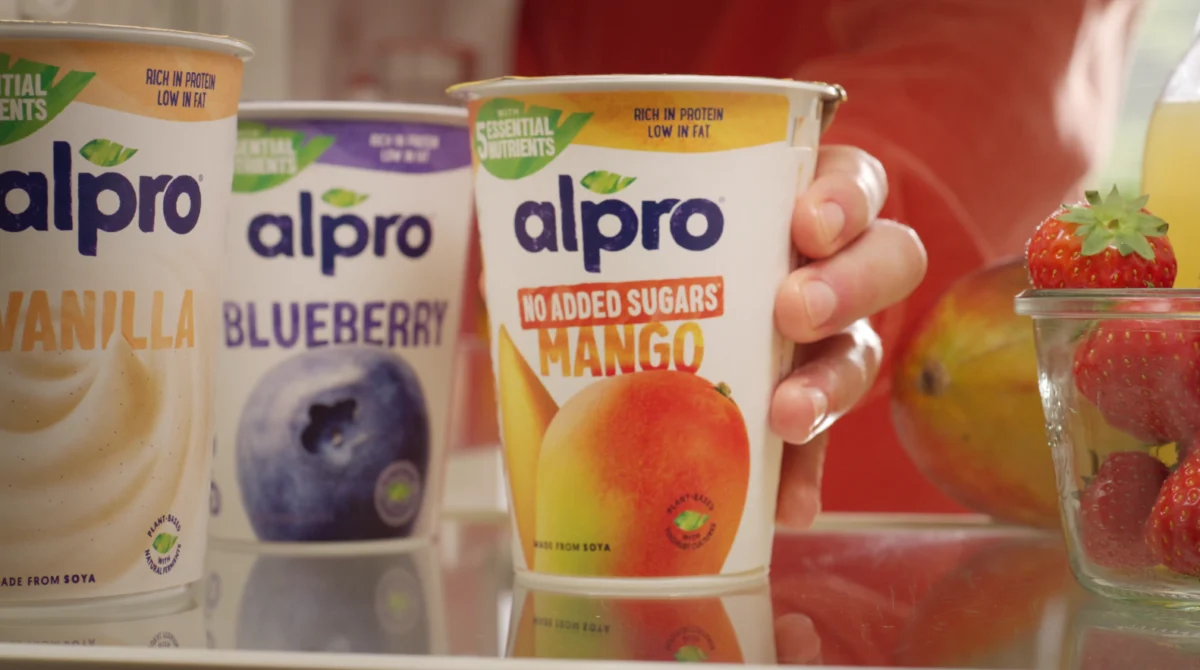
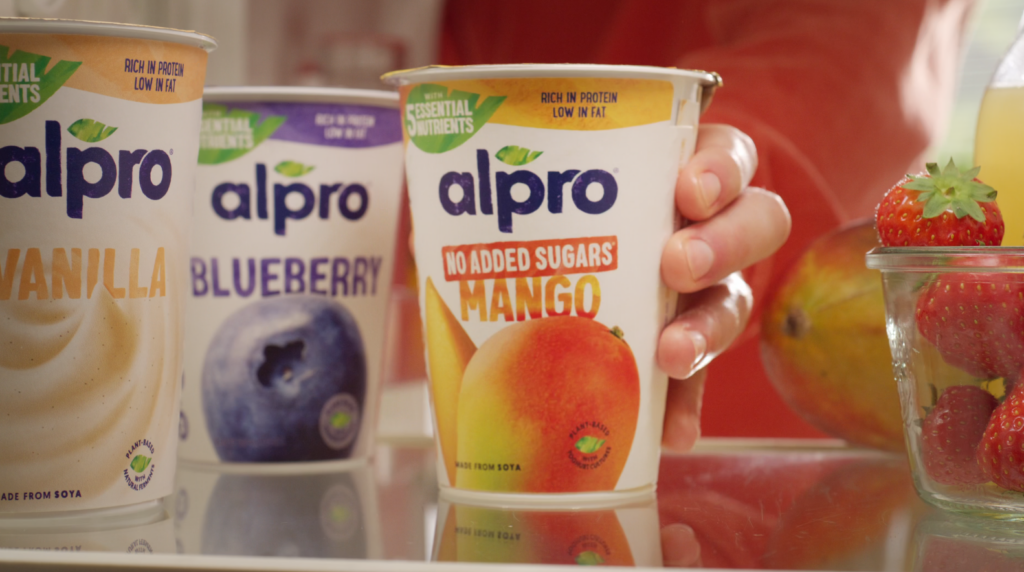
Fortified pea milk has officially been added to the roster of permitted plant-based milks, joining unflavoured, unsweetened, and "no sugar" varieties of oat and soy milk. Additionally, yogurt and vegan yogurt alternatives that satisfy strict nutritional benchmarks have been incorporated into the approved snacks list.
These regulatory inclusions reflect a broader commercial and cultural shift across the UK. Plant-based milk alternatives and protein sources have experienced steady market growth, driven by consumer demand for sustainable, cruelty-free, and allergen-conscious food products. By integrating these items into the state-sponsored school meal program, the government is normalizing alternative proteins for a generation of young consumers.
Public Consultation and Broad Demographic Support
The updated framework is the culmination of an extensive public consultation process. During the evaluation period, the government received more than 2,270 submissions through a coordinated campaign organized by Plant-Based Schools. These submissions advocated for increased institutional flexibility to provide plant-based options and enhanced access to nutrient-dense, plant-rich meals.
Public opinion polling indicates robust backing for these regulatory changes. A comprehensive YouGov survey involving 2,000 British adults revealed that seven in 10 respondents supported policies requiring schools to serve a higher proportion of plant-based foods. Notably, this sentiment transcends traditional demographic divisions, demonstrating consistent support across varying age brackets, economic backgrounds, and political affiliations.
Martin Bowman, senior policy and campaigns manager at Foodrise—an organization that actively engaged with the government consultation—praised the progressive nature of the updates.
"These new standards contain a lot of very welcome updates," Bowman stated. "Schools now have a major opportunity to serve more healthy plant-based proteins like lentils, chickpeas, tofu, and soya mince, and should be encouraged to go beyond the minimum requirements."
Bowman emphasized the dual benefits of the policy, noting that plant-based proteins are frequently more affordable than meat, allowing schools to deliver superior quality and dietary variety while simultaneously curbing climate pollution.
Addressing Macronutrient Deficiencies and Dietary Guidelines
The primary catalyst behind the regulatory overhaul is a concerted effort to rectify longstanding nutritional deficiencies among British youth. Government data indicates that more than 90% of children in the UK fail to consume adequate amounts of dietary fiber, a critical macronutrient essential for digestive health, metabolic regulation, and long-term disease prevention. Simultaneously, between 84% and 85% of children exceed recommended limits for saturated fat intake.
To assist school caterers in navigating the new mandates, the UK government has announced plans to publish comprehensive protein guidance materials. These documents will feature illustrative examples of compliant protein provisioning across multiple categories, including animal proteins, baked beans, pulses, traditional vegetarian dishes, vegan options, and modern plant-based meat substitutes.
The forthcoming guidance will also provide practical strategies for incorporating pulses into familiar, popular dishes. Furthermore, it will outline approaches designed to accommodate pupils with severe allergies, strict religious dietary requirements, ethical vegetarian or vegan diets, and distinct sensory needs.
Renowned celebrity chef and longtime school food reform campaigner Jamie Oliver welcomed the policy overhaul, praising its foundation in modern empirical research.
"It’s brilliant to see new school food standards based on the latest science, to make sure the food children get at school is actually supporting their health and helping them thrive," Oliver remarked.

Broader Economic, Environmental, and Health Implications
The implementation of these revised school food standards carries far-reaching implications for public health, agricultural supply chains, and environmental sustainability.
From a health perspective, shifting children’s dietary habits during their formative years can establish lifelong patterns that mitigate the risk of non-communicable diseases later in life, such as type 2 diabetes, cardiovascular disease, and certain cancers associated with high saturated fat and processed meat consumption. Increasing fiber intake improves gastrointestinal health and aids in weight management among adolescents.
Economically, the emphasis on pulses and plant-based proteins offers budgetary relief for school catering services operating under tight fiscal constraints. Legumes and pulses are traditionally more stable and cost-effective commodities compared to fresh meat and poultry, allowing schools to allocate resources toward higher-quality produce and whole foods.
Environmentally, the policy supports national and international climate commitments. Livestock agriculture is a major contributor to greenhouse gas emissions and land degradation. By actively normalizing plant-forward eating habits within educational institutions, the UK government is indirectly reducing the carbon footprint associated with public sector catering, modeling sustainable consumption patterns for future generations.
As schools prepare for the upcoming transition deadlines, the success of the new standards will depend on adequate training for catering staff, enthusiastic participation from educational leadership, and the development of appealing, palatable recipes that resonate with students. If executed effectively, the updated school food framework could serve as a blueprint for institutional nutritional reform on an international scale.
