
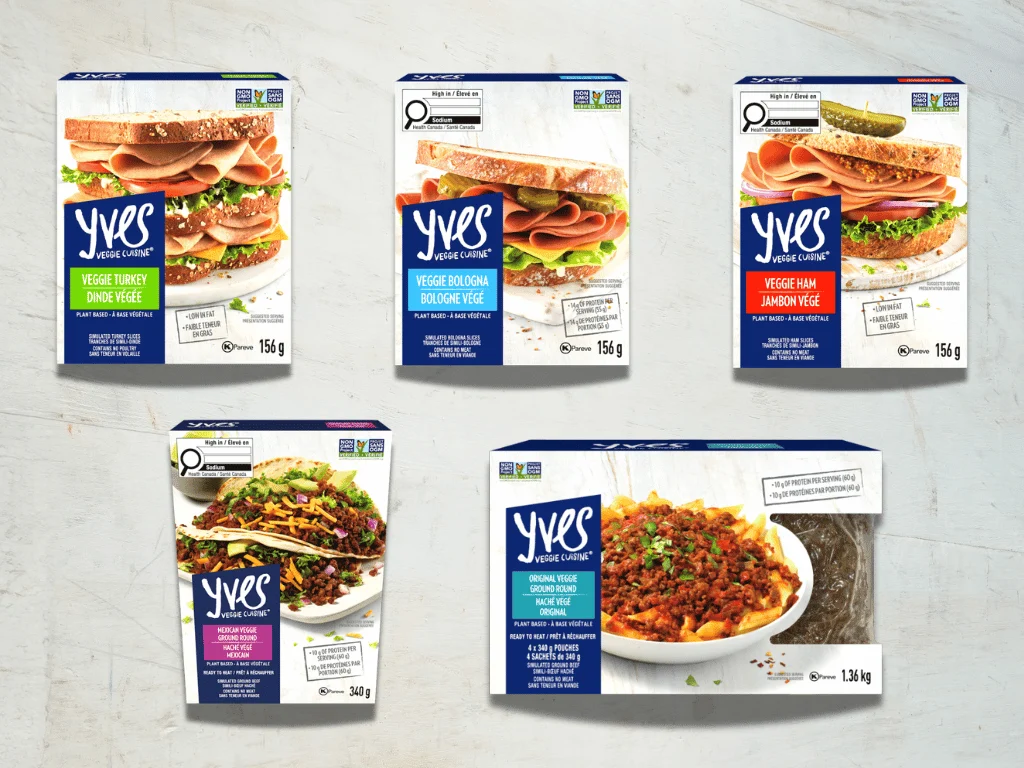
Months after leaving a major void in the North American plant-based marketplace, iconic Canadian brand Yves Veggie Cuisine has officially returned to retail shelves. The 41-year-old vegetarian staple is staging a high-profile comeback following the acquisition of its trademark by Canadian meat processing giant Maple Leaf Foods earlier this year. The revival marks a swift and strategic rescue for a brand that had been abruptly discontinued by its previous corporate parent, sparking consumer outrage and highlighting the complex financial realities facing the alternative protein sector.
The return of Yves Veggie Cuisine brings back six of the brand’s most heavily requested refrigerated products to supermarkets across Canada. Although a targeted rollout ahead of Canada Day experienced minor logistical delays, Maple Leaf Foods has successfully delivered on its promise to restore the heritage brand. The initial wave of returning stock focuses heavily on consumer favorites, aiming to recapture the loyal base that built culinary routines around the vegetarian products for decades.
A Chronology of Discontinuation and Rescue
The journey of Yves Veggie Cuisine back to grocery store shelves is rooted in shifting corporate strategies and broader macroeconomic headwinds. Founded four decades ago by plant-based industry pioneer Yves Potvin, the brand emerged as one of the earliest commercially available meat alternatives in North America. Potvin’s early success even included supplying soy-based burgers to McDonald’s for a pilot test of the McVeggie Burger across hundreds of Southern California locations.
At the turn of the century, the company’s annual revenue reached $35 million, prompting Potvin to sell the enterprise to Hain Celestial for approximately $54 million. Under Hain Celestial’s ownership, the brand remained a fixture in refrigerated aisles. Financial metrics from the first quarter of 2023 showed that Yves Veggie Cuisine’s market share in Canada rose by 2.7% in the frozen category and 0.7% in the fresh department, signaling steady consumer demand.
However, the broader plant-based meat category began facing severe headwinds by 2024. Hain Celestial attributed a 5% year-on-year net sales decline in its Meal Prep division during the fourth quarter to what it termed "softness in meat-free" products. Seeking to streamline its portfolio for long-term growth, Hain Celestial announced the discontinuation of Yves Veggie Cuisine in July 2025 via an Instagram comment in response to consumer inquiries.
The announcement triggered immediate and fierce backlash on social media, with loyal consumers expressing profound disappointment and even threatening boycotts against Hain Celestial. Recognizing the enduring brand equity and emotional resonance of the label, Maple Leaf Foods stepped in. The Canadian meat giant acquired the Yves Veggie Cuisine trademark, completing the purchase in January. Subsequently, Maple Leaf filed new trademark applications covering an expanded portfolio of plant-based meat snacks, ready meals, and blended meat products under a dedicated subsidiary.
Product Lineup and Recipe Adjustments
Maple Leaf Foods has committed to preserving the foundational recipes that made Yves Veggie Cuisine a household name, while making slight optimizations. According to company statements, the objective is to honor 40 years of consumer trust while updating the production standards for modern efficiency.
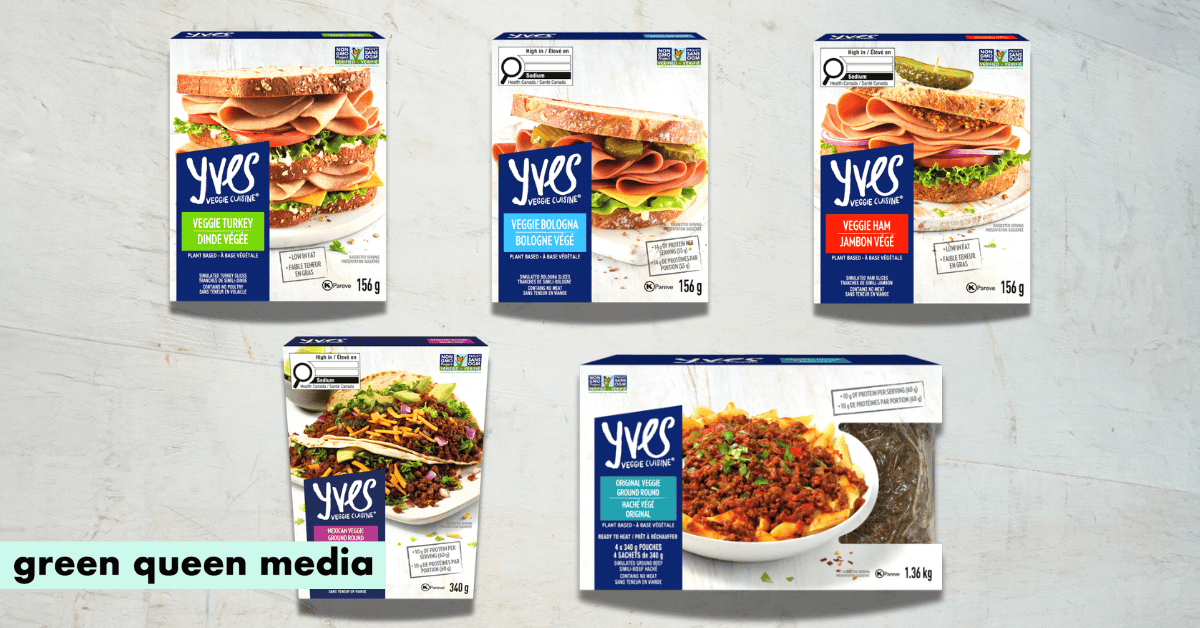
The initial lineup making its way back to retail aisles includes five core fan favorites:
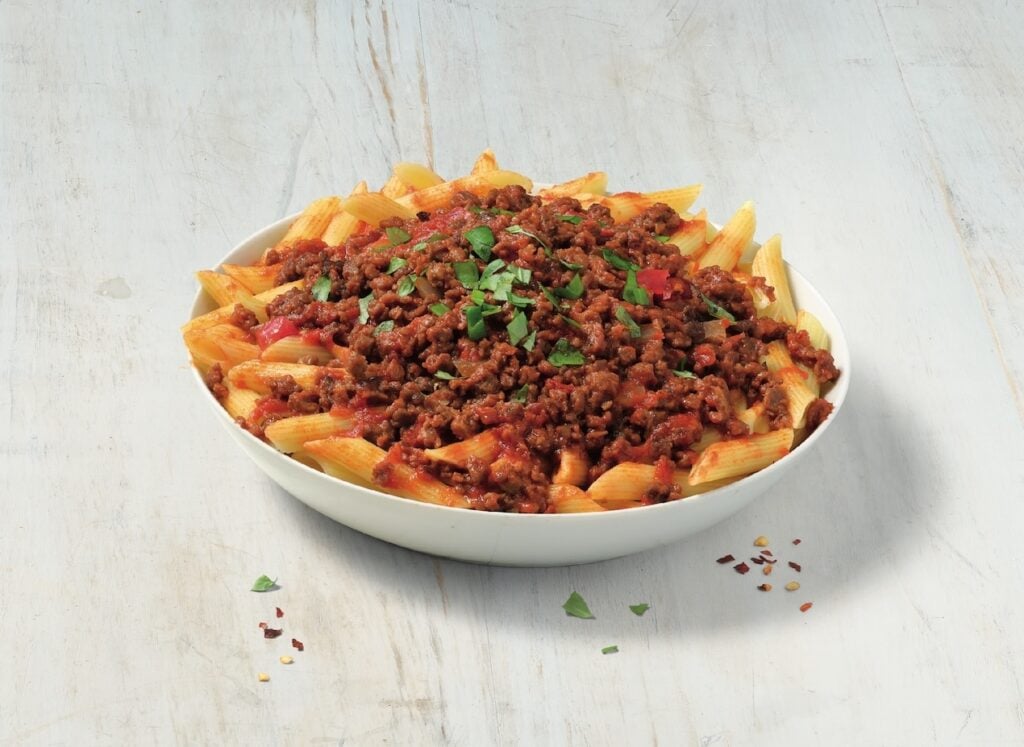
- Veggie Ground Round: Available in an original variant in two distinct sizes, alongside a popular Mexican-flavored option. The mince range delivers approximately 10 grams of soy protein per 60-gram serving.
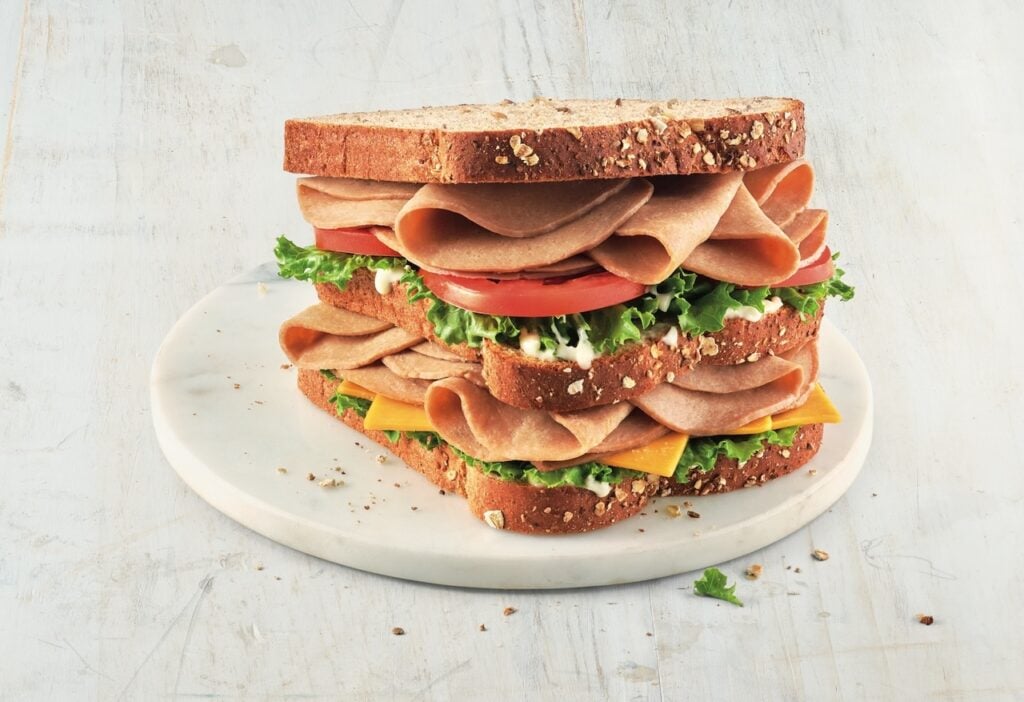
- Veggie Deli Meats: Comprising Veggie Ham, Veggie Bologna, and Veggie Turkey. These deli items provide between 13 and 15 grams of protein per 55-gram serving, derived from a combination of wheat and soy proteins.
While the plant-based mince options stay remarkably true to their original taste and texture profiles, Maple Leaf took a creative liberty with one specific item. The bologna sausage recipe has been reimagined, with the company opting to develop a distinct, proprietary version rather than attempting an exact replica of the legacy product.
Maple Leaf has explicitly confirmed that all returning Yves Veggie Cuisine products will remain 100% plant-based, manufactured within the company’s existing United States production facilities. This manufacturing setup allows the brand to leverage established equipment, robust supply chains, and rigorous food safety systems to ensure consistent quality and scale.
Corporate and Consumer Perspectives
The emotional attachment of Canadian consumers to the brand played a central role in Maple Leaf’s decision to acquire and revive the label. Adam Grogan, President and Chief Operating Officer of Maple Leaf Foods, emphasized the deep cultural footprint the brand left behind during its temporary absence.
"Yves is one of those rare brands that people didn’t just buy—they built routines, recipes, and traditions around it," Grogan stated. "When Yves disappeared from shelves, Canadians made it very clear how much this brand meant to them. We heard that passion. Bringing Yves back is about honouring 40 years of trust, protecting what people have always loved about the products, and giving this iconic Canadian brand an exciting next chapter."
The brand’s FAQ materials reinforce this customer-centric approach, noting that the return directly addresses the vocal demands of shoppers who felt abandoned by the previous corporate decision. By leaning into its heritage as a straightforward, soy-based alternative, Maple Leaf is positioning Yves Veggie Cuisine to resonate with modern consumers increasingly skeptical of ultra-processed foods (UPFs).
Market Dynamics and Industry Implications
The resurrection of Yves Veggie Cuisine occurs within a turbulent period for the alternative protein sector. Since September 2024, the global industry has seen more than 85 major corporate maneuvers, including acquisitions, mergers, liquidations, and business closures, as companies adjust to shifting consumer spending patterns and post-pandemic market corrections.
Despite category-wide cooling in recent years, recent market research indicates resilient underlying demand for plant-based foods in Canada. Survey data reveals that 24% of Canadian consumers are actively trying to increase their consumption of plant-based products, while another 30% express interest in doing so.
However, market penetration continues to face distinct hurdles. Economic pressures have made affordability a primary concern, with 45% of surveyed consumers citing cost as the main barrier to purchasing plant-based foods. Additionally, 36% report lingering concerns regarding taste and texture, while 33% point to nutritional questions. Paradoxically, high food inflation is also acting as a recruitment tool, serving as the leading driver of plant-based food consumption for roughly one-third of Canadians looking for cost-effective alternatives to traditional animal proteins.
As the broader retail rollout of Yves Veggie Cuisine progresses over the coming weeks, industry analysts will closely monitor whether the brand can successfully reclaim its historical market dominance. By marrying heritage recognition with the operational stability of a major food manufacturer, Maple Leaf Foods has positioned the historic Canadian brand to navigate the evolving landscape of sustainable food retail.
