
The UK’s Food Standards Agency, operating in collaboration with Food Standards Scotland, has officially published its third comprehensive batch of support documents aimed at assisting cultivated meat and cell-based agriculture companies. This latest release centers heavily on critical operational areas, specifically regulatory authorisation procedures and the rigorous assessment of growth media components alongside associated toxicology. While these newly issued guidelines are designed to streamline the notoriously complex path to commercialization and provide greater predictability for innovators, they arrive at a deeply precarious moment for the British alternative protein sector. As startups navigate the structured environment of the ongoing UK cultivated meat regulatory sandbox—scheduled to run until February 2027 and backed by the Department of Science and Technology—they simultaneously face the looming prospect of a new Sanitary and Phytosanitary trade agreement between the UK and the European Union. This prospective treaty threatens to uproot domestic regulatory autonomy, forcing international and local biotechnology firms to question the viability of launching their products within the British market.
Chronology of the UK Cultivated Meat Sandbox Initiative
The publication of these two latest advisory documents marks a significant milestone in a structured, multi-phase regulatory effort that began in earnest late last year. The overarching framework for these initiatives is the cultivated meat regulatory sandbox, a collaborative sandbox scheme designed to bridge the gap between emerging biotechnology companies and government food safety authorities. Within this controlled environment, researchers, technical experts, and regulatory officers work side-by-side to design appropriate safety standards, establish testing methodologies, and draft comprehensive guidance for novel protein products that have no historical precedent in the traditional food supply chain.
In December, the regulatory bodies released their foundational tranche of guidance documents. This initial rollout focused primarily on baseline food safety prerequisites, including hygiene requirements, hazard analysis methodologies, and the scientific criteria necessary for evaluating the allergenicity and nutritional profiles of cell-cultivated foods. Following this initial introduction, the FSA and FSS issued a second tranche consisting of four detailed publications. These subsequent papers expanded upon hygiene regulations, detailed specific identity, production, and microbiology standards, provided practical recommendations for preparing robust and complete regulatory filings, and introduced supplementary information governing novel food taste trials.
With the arrival of this third batch, the FSA has now published a total of eight dedicated guidance documents under the sandbox umbrella. Furthermore, the agency has proactively supported the sector by publishing specialized scientific literature, including an exhaustive review of analytical methods for cell-cultivated products and targeted research examining how genetic drift within cell lines can impact overall consumer safety.
Deep Dive into the New Regulatory and Toxicological Frameworks
The two newest documents released by the Food Standards Agency provide granular technical instructions intended to eliminate ambiguity for companies preparing commercial applications. The first of these papers addresses growth media and toxicology assessment, delivering explicit scientific direction on how firms must identify, categorize, and evaluate the safety hazards associated with every single component utilized in their cell culture processes. Under this new framework, companies are required to compile exhaustive inventories of all media components, substantiate their purity, and conduct comprehensive toxicological evaluations. These evaluations must incorporate thorough genotoxicity testing alongside robust data derived from human studies where applicable, ensuring that no trace elements or unintended biochemical byproducts pose a risk to public health.
The second document outlines the mechanics of regulatory authorisation, offering a transparent roadmap of the multi-step approval process. The FSA has delineated a formal six-step pathway that begins with initial dossier validation and scientific risk assessment, progressing through public consultation phases before culminating in ministerial approval. Crucially, the guidelines emphasize that the overall timeline for regulatory clearance is directly proportional to the completeness, clarity, and depth of the data provided by the applicant. Furthermore, the agency has established strict compliance protocols regarding post-approval modifications. For any cultivated meat product that has already secured commercial greenlights, any subsequent change to the manufacturing process—such as scaling up production infrastructure or altering bioreactor designs that deviate from the strict terms of the original authorization—will instantly trigger the requirement for a brand-new regulatory application.
The Looming Shadow of the UK-EU SPS Trade Agreement
Despite the exhaustive technical clarity provided by the FSA’s new guidance, the long-term future of the UK’s cultivated meat sector remains shrouded in uncertainty due to macro-level geopolitical developments. Chief among these concerns is the impending Sanitary and Phytosanitary agreement between the United Kingdom and the European Union, which is slated to take effect in mid-2027. While the primary intent of the SPS agreement is to facilitate smoother, more cost-effective cross-border trade of conventional agricultural goods and foodstuffs between British and European ports, its structural side effects could prove devastating for the nascent cellular agriculture industry.
Because the regulatory framework governing regulated products in Great Britain historically mirrors the European Union’s framework, the implementation of the SPS deal threatens to subordinate UK novel food approvals to the notoriously slow, bureaucratic, and complex European Food Safety Authority evaluation process. Industry observers and trade associations have raised serious concerns that this integration could render existing or future UK-specific regulatory authorizations legally void or practically redundant.
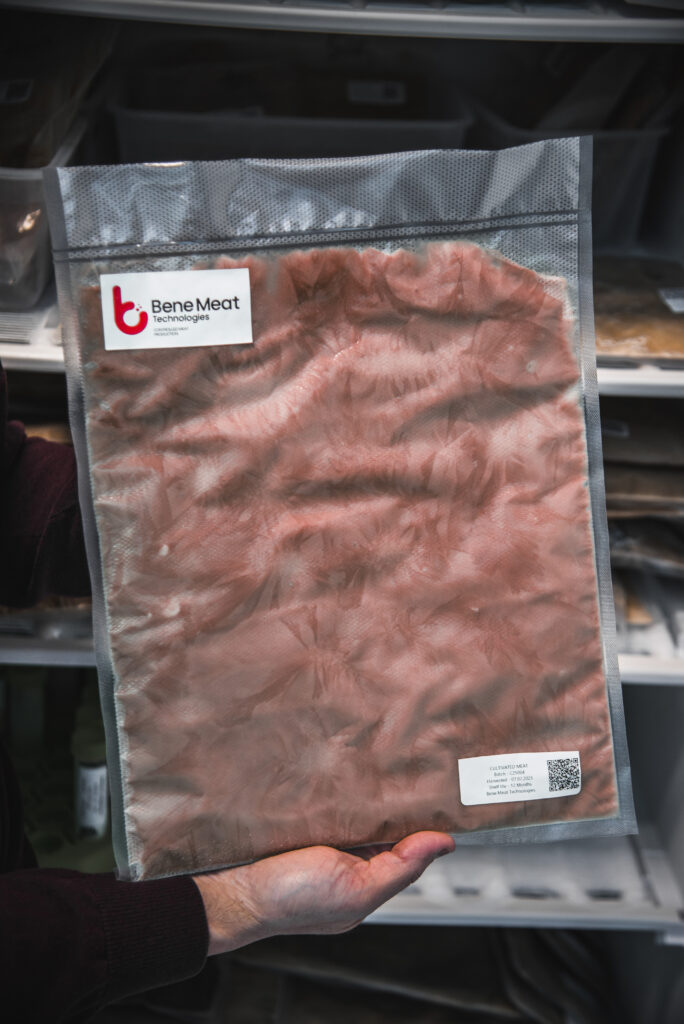
The immediate fallout from this policy uncertainty has already begun to manifest across the marketplace. Prominent international startups that viewed the UK as an ideal, innovation-friendly jurisdiction for early commercialization are now pumping the brakes on their expansion plans. A prime example is Czech biotechnology firm BeneMeat, which had made substantial financial and operational investments in the British market. The company had built strategic relationships with local partners, organized controlled product tastings, engaged in active site-selection discussions for domestic manufacturing facilities, and formally filed a comprehensive regulatory dossier seeking human food approval for its cultivated meat products.
However, following mounting signals regarding the trajectory of the SPS agreement, BeneMeat announced the indefinite suspension of its UK operations and expansion roadmap. In an open letter addressed to government leadership, including Prime Minister Andy Burnham, the company explicitly stated that all further progress was on hold as industry stakeholders wait for definitive clarity on whether Britain will preserve the regulatory autonomy necessary to foster domestic biotechnology development.
Market Landscape and Future Industry Outlook
The divergence between the FSA’s progressive, proactive regulatory support and the restrictive potential of broader trade pacts highlights the complex tightrope walk facing the UK food technology sector. On one hand, the UK government has poured significant financial resources—via the Department of Science and Technology—into programs like the cultivated meat sandbox to position the nation as a global hub for cellular agriculture. Thomas Vincent, the FSA’s deputy innovation director, has repeatedly emphasized that every batch of guidance published by the agency is engineered to make the path to market authorization clearer and more predictable while safeguarding consumer safety.
On the other hand, commercial realities dictate that regulatory pathways must align with viable market access. To date, London-based Meatly stands as the sole entity successfully cleared to sell cultivated meat within the UK, though that specific authorization is strictly limited to pet food applications. Meanwhile, a handful of pioneering human food companies—including Aleph Farms, Ivy Farm Technologies, Mosa Meat, BeneMeat, and French innovators Gourmey and Vital Meat—have submitted formal dossiers for human consumption. Among these applicants, Gourmey and Vital Meat currently occupy the most advanced positions within the evaluation pipeline.
Reports from national media indicate that the FSA harbors ambitions to complete comprehensive safety evaluations for at least two human-grade cultivated meat products by the time the regulatory sandbox formally concludes in early 2027. Yet, these optimistic regulatory timelines exist in tension with official agency statements noting that there is no fixed calendar deadline for final approvals. As the UK moves closer to the enactment of the EU trade agreement, the ultimate destiny of the British cultivated meat industry hangs in the balance. Whether the UK can successfully maintain a distinct, agile regulatory ecosystem that attracts global talent and capital—or whether it will become inextricably bound to the lengthy approval queues of the European Union—remains the defining question for the nation’s alternative protein future.
