
The UK plant-based food market is undergoing a significant transformation, with consumer preferences increasingly bifurcating between highly processed meat alternatives and simpler, whole-food-based options. This dynamic landscape has prompted innovative brands like This to adopt a dual strategy, catering to both segments of the growing plant-based demand. Mark Cuddigan, CEO of This, recently shared insights into the company’s trajectory, revealing that it is "very close" to achieving annual profitability. This financial milestone comes as the company strategically expands its portfolio to encompass not only familiar meat analogues but also a new wave of "super superfood" products and whole-muscle alternatives.
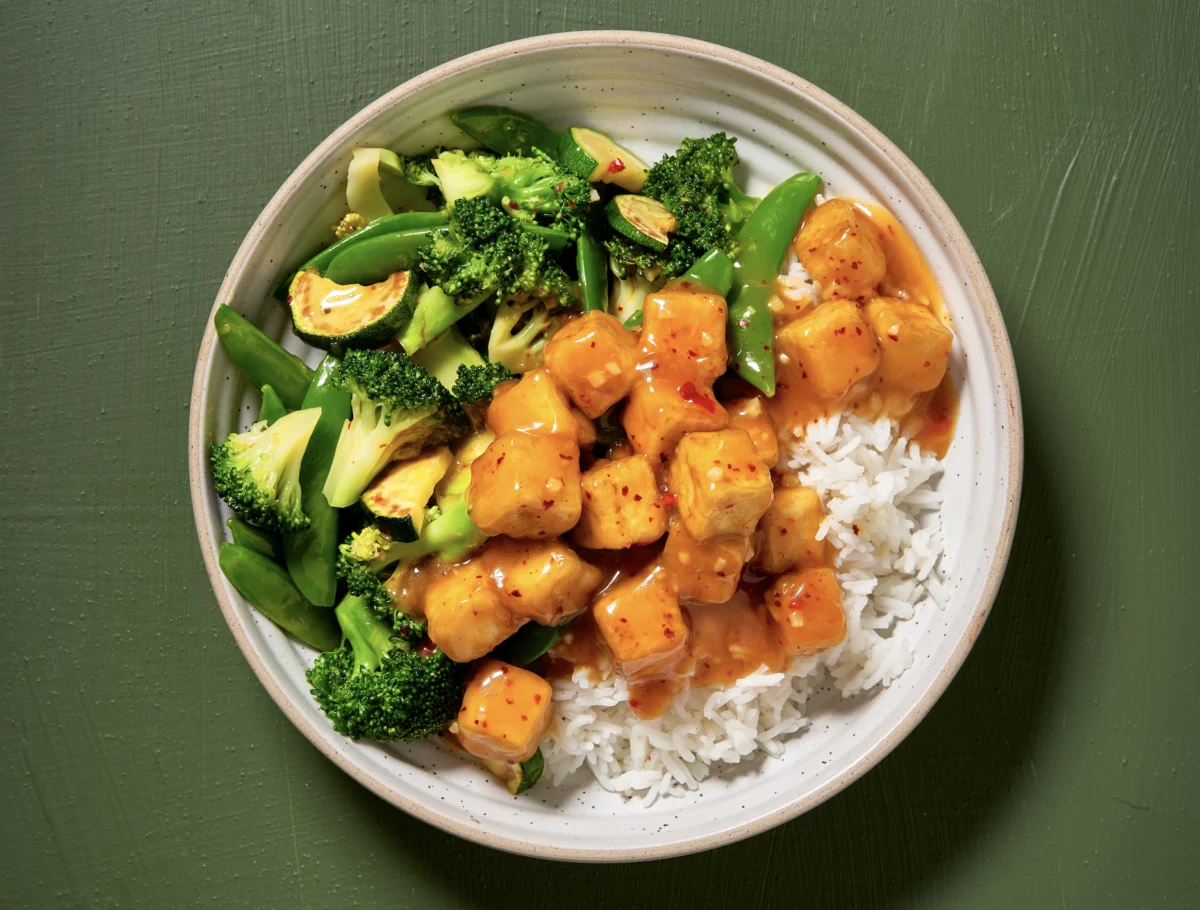
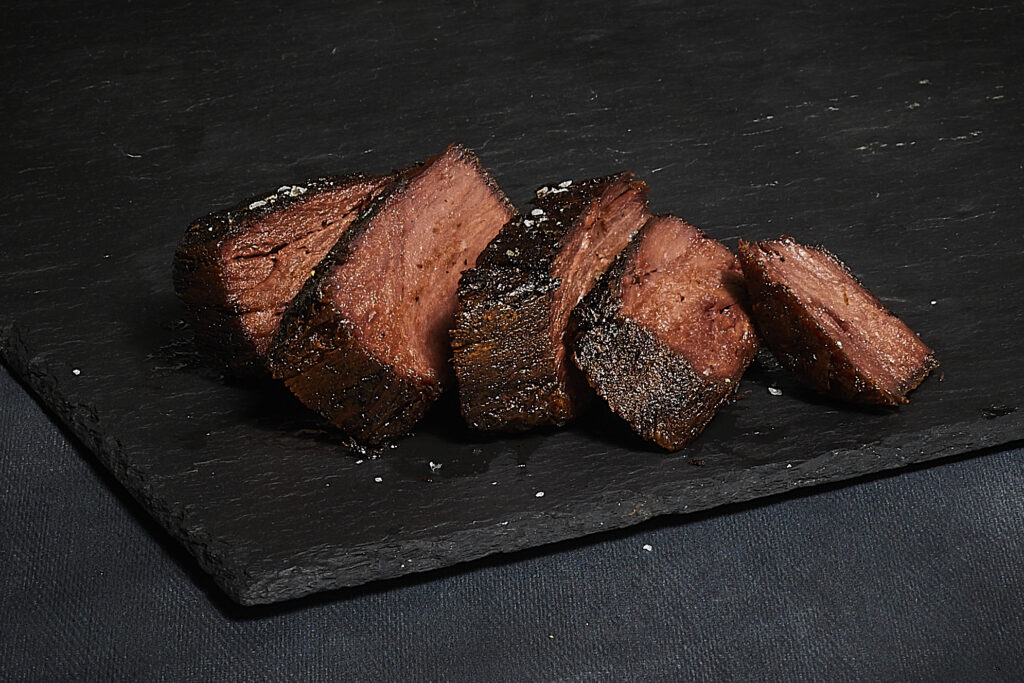
This, which initially gained notoriety for its wittily marketed vegan chicken products, has evolved considerably since its inception. Its current offerings span a diverse range, from its signature meat alternatives to more recent innovations such as chickpea tofu and even a whole-muscle fillet steak, developed in partnership with Rival Foods. This broad approach is a direct response to the evolving demands of UK consumers, a substantial portion of whom are actively seeking to alter their dietary habits. A recent survey indicated that approximately half of UK adults are looking to either reduce their meat consumption or incorporate more plant-based foods into their diets. However, a growing concern surrounding ultra-processed foods (UPFs) is steering a segment of these consumers towards whole-food products over their more heavily processed counterparts.

Cuddigan articulated This’s belief that there is ample space in the market for both product categories. "For some consumers, that means products that closely replicate the taste, texture and experience of meat. For others, it’s about simpler, more whole-food ingredients that feel closer to their perception of ‘natural’ eating," he explained to Green Queen. "Launching across both formats allows us to broaden our reach and remove barriers." This strategy aims to meet consumers wherever they are on their plant-based journey, whether they are seeking a direct swap for a meat product or a more vegetable-centric meal. The company’s latest offerings, such as ready-to-eat deli slices mimicking roast chicken and a butter bean, garlic, and paprika alternative, exemplify this commitment to convenience and familiarity within the whole-food space.
The Evolution of This: From Novelty to Nutritional Powerhouse
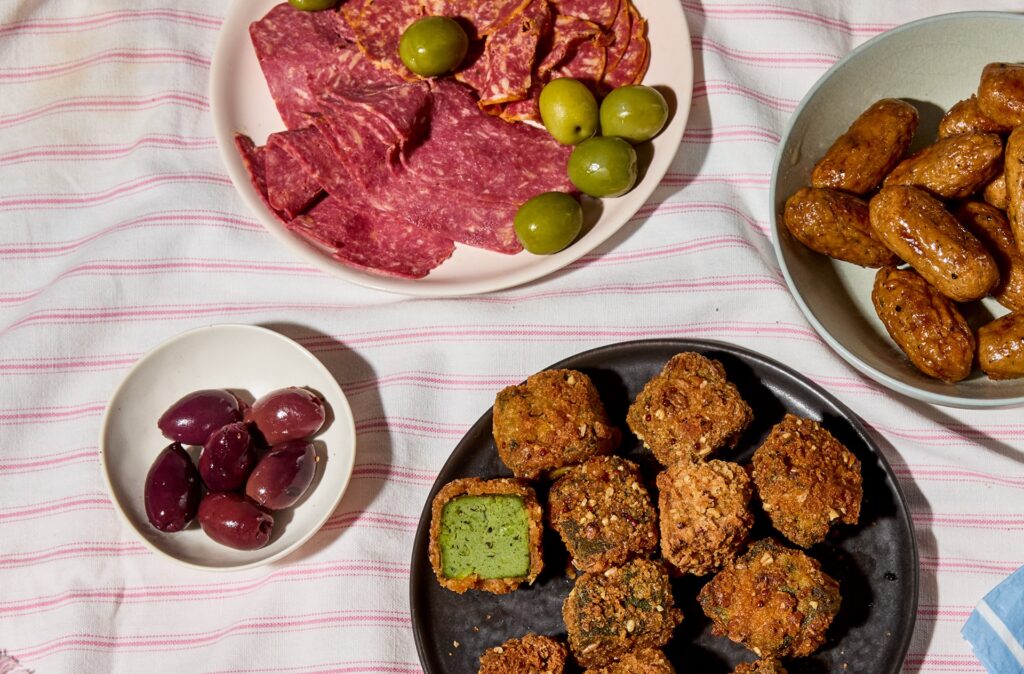
This’s strategic pivot towards whole-food formats began in earnest last year with the launch of its "This is Super Superfood" range. These initial products, formulated with fava bean protein, a blend of seeds, and vegetables, delivered a substantial 18g of protein per 100g. This line has since been expanded to include multigrain breaded pieces and protein bites made from pea, lemon, and basil. Concurrently, the company collaborated with German firm Omami to introduce the UK’s first chickpea tofu range, further diversifying its whole-food offerings.
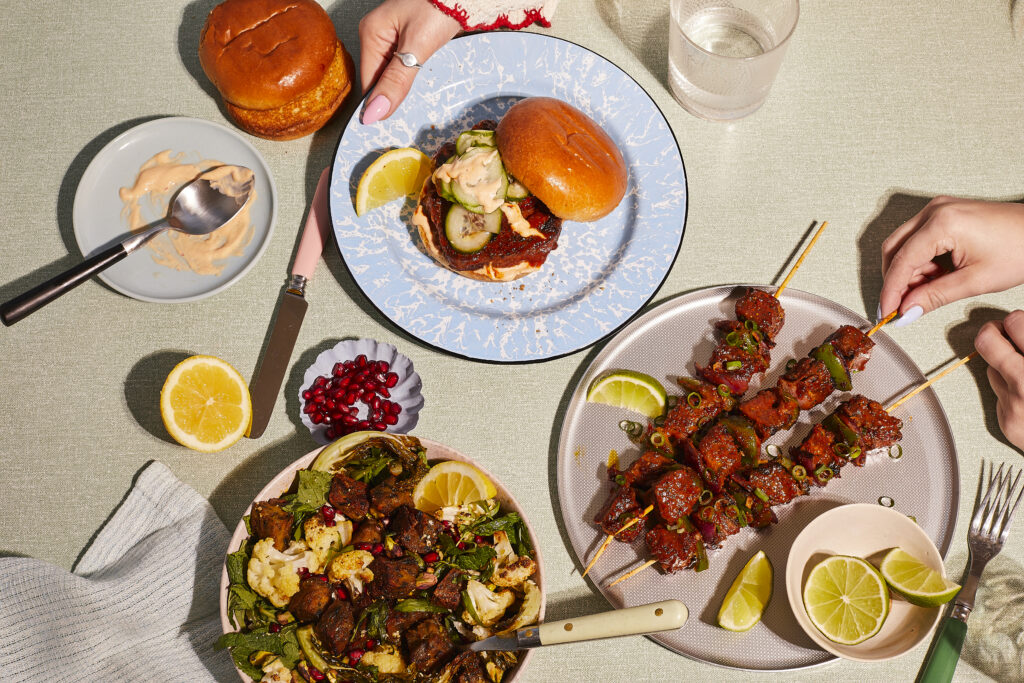
This expansion into whole-food formats is not an abandonment of its original mission but rather a complementary strategy. "It’s our mission at This to help build a world where animals are no longer used for food, and to do that, we need to meet people wherever they are on that journey," Cuddigan emphasized. He believes that the argument for consumers to simply "eat more vegetables" is a false dichotomy, especially when compared to traditional meat consumption. "Those that say this are eating pork sausages. So why shouldn’t they stop eating animals, which cause great suffering to animals and the environment, and simply eat fresh vegetables?" he posited. "We focus on sustainable protein that is great-tasting and healthy." This dual approach allows the brand to cater to a wider audience, from those seeking direct meat replacements for occasions like barbecues to individuals prioritizing simpler, more nutrient-dense ingredients.
Addressing Consumer Concerns: The Rise of Whole-Food Alternatives
The growing consumer apprehension regarding ultra-processed foods (UPFs) is a significant factor shaping the plant-based market. Government polling in the UK indicates that up to 78% of Britons are concerned about UPFs, ranking this concern second only to inflation. This widespread worry extends to the general healthiness of diets, with 75% of respondents expressing similar anxieties.
Plant-based meat alternatives, while often lauded for their environmental and ethical benefits, have frequently been perceived as highly processed, containing lengthy ingredient lists. This perception, while sometimes valid, overlooks the nuanced reality that not all UPFs are inherently detrimental to health. Indeed, recent studies suggest that replacing processed meats with plant-based alternatives can lead to improved fibre intake and reduced consumption of saturated fat and salt—key indicators for good health.
Cuddigan views this heightened consumer awareness around UPFs not as a "backlash" against plant-based meat but as "a broader evolution in how people think about food." He stated, "It’s a good thing that people are thinking more critically about what they eat. Our approach has always been to focus on outcomes over labels." He highlighted the well-documented health risks associated with traditional processed meats, alongside their substantial environmental and animal welfare costs. "Our products are designed to offer an alternative – high in protein, lower in saturated fat, and made without the need for animals," he added. The company’s deli-style slices, for example, are designed for convenience and familiarity, offering an easy, everyday swap without compromising on taste.

Market Trends and Competitive Landscape
This’s embrace of the whole-food route aligns with a broader trend within the plant-based sector. Over the past year, several other companies have introduced similar product lines. Oh So Wholesome launched Veg’chop, a range of cubes made from lentils, quinoa, and vegetables. Juicy Marbles introduced a veg-forward Umami Burger, and Waitrose has begun stocking Symplicity Foods’ fermented vegetable-based alternatives and Fable Foods’ mushroom-based products. Gosh has also introduced its Super Plants Sausages.
These launches coincide with a modest but significant increase in the demand for chilled plant-based foods in UK supermarkets. Data for 2025 showed a rise of just under 1% in volume demand, with a notable uptick to 1.7% in the final quarter. Tesco, the UK’s largest retailer, attributed this resurgence in demand to a growing consumer interest in "veg-led foods" that are rich in protein and fibre. This indicates a market maturation where consumers are seeking both taste and nutritional value, alongside ethical considerations.
Cuddigan believes that the increasing number of brands entering the plant-based space is a positive development. "We absolutely expect more brands to enter the space, and that’s a good thing, as well as working closely with partners to create the best products on the market," he stated. "More choice drives category growth and helps normalise these products. Ultimately, if we’re serious about shifting the food system, it’s going to take many players pushing in the same direction." This collaborative approach is seen as crucial for accelerating the transition towards a more sustainable global food system.
Towards Profitability: A Deliberate Focus on Fundamentals
This has established itself as one of the fastest-growing meat-free brands in the UK. In December, the company achieved a significant milestone by recording its first net-profitable month. Co-founder Andy Shovel announced an annualized gross revenue of approximately £24 million, with a net profit exceeding £56,000 for that period. This achievement is the culmination of a strategic focus on operational efficiencies and financial discipline.
"Reaching profitability, even for a single month, is a big milestone for us and it’s the result of a very deliberate focus on fundamentals," Cuddigan explained. "Over the past year, we’ve worked hard to improve our gross margins, optimise our supply chain, and ensure our products are delivering value both to consumers and to our retail partners."
The company is now on the cusp of achieving annual profitability. "We’re now very close to achieving profitability on an annual basis," Cuddigan confirmed. "With margins stabilised, our focus has shifted back to growth, and we’re seeing strong momentum, with 25% growth in the UK over the latest 12 weeks." This sustained growth, coupled with improved profitability, signals a robust business model and strong market traction.
To date, This has secured approximately £35 million in investment, with its most recent funding round being a £20 million Series C infusion in 2024. While Cuddigan has remained circumspect regarding future fundraising plans and the broader industry’s funding climate, he expressed optimism about the performance of the company’s newer product lines.
Regarding the performance of the chickpea tofu line, Cuddigan did not provide specific details but shed light on the sales trajectory of the "Super Superfood" range. "Whenever you introduce something new like our Super Superfood range, it takes time to build awareness and for sales to build," he noted. "But we have a strong core group of customers who love the range and are coming back to it, with sales steadily growing as distribution and understanding increase."
While This’s meat alternatives continue to represent the majority of its sales, reflecting their established market presence and consumer familiarity, the "superfood" line is identified as a crucial component of the company’s future growth strategy. Both product categories are deemed vital in driving overall expansion within the plant-based food sector. This strategic diversification, coupled with a keen focus on financial fundamentals, positions This for continued success in the dynamic and evolving plant-based market.
