
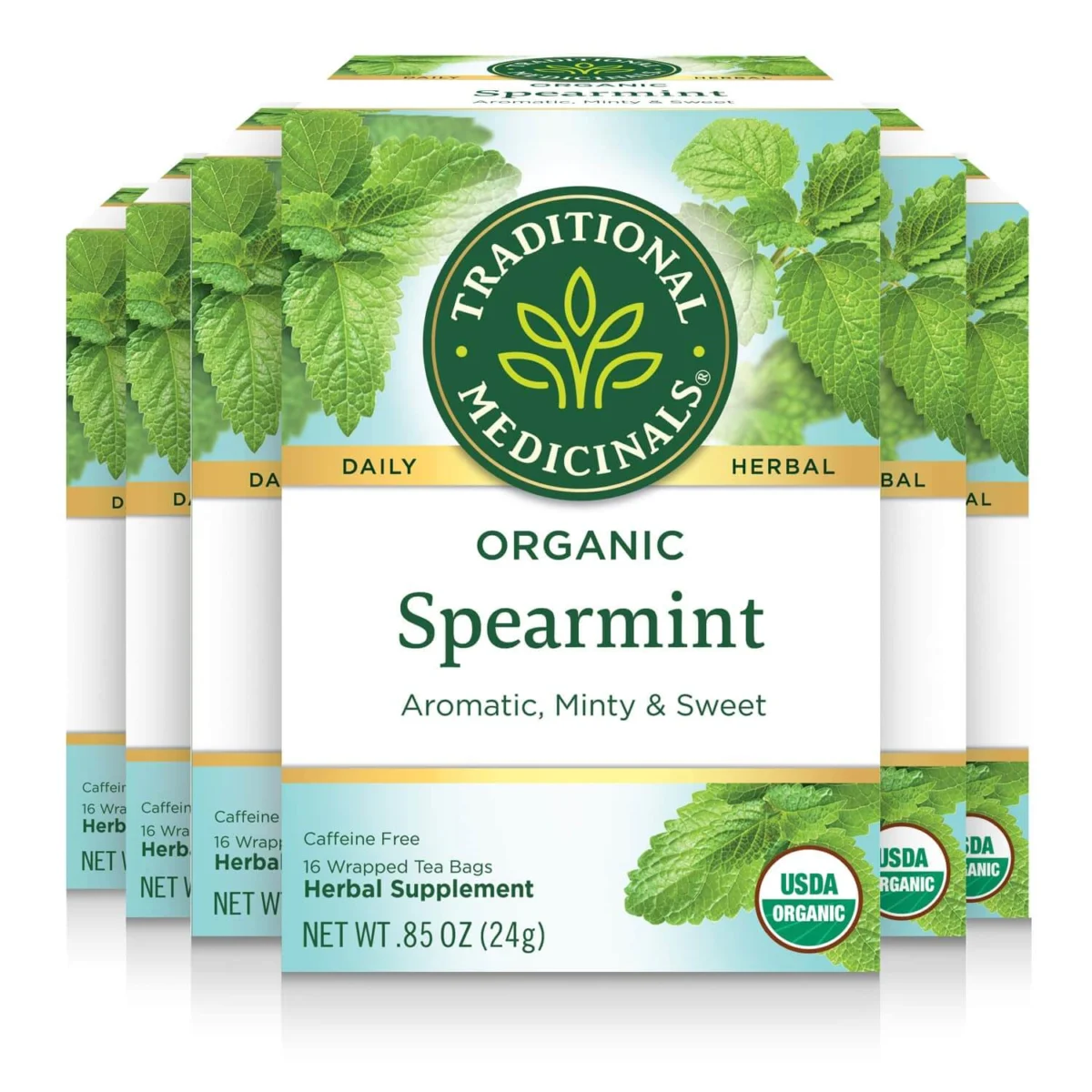
Polycystic Ovary Syndrome (PCOS) remains one of the most prevalent endocrine disorders among women of reproductive age, affecting an estimated 8% to 13% of the global female population according to the World Health Organization. While conventional treatments often involve hormonal contraceptives or insulin-sensitizing medications like metformin, a growing body of clinical research suggests that spearmint tea (Mentha spicata) may serve as a potent, natural anti-androgenic intervention. Recent studies indicate that the regular consumption of spearmint tea can significantly alter the hormonal landscape of women with PCOS, offering a therapeutic pathway for managing symptoms such as hirsutism, inflammatory acne, and irregular menstrual cycles.
The Clinical Foundation: Anti-Androgenic Properties of Mentha Spicata
The primary driver of many PCOS symptoms is hyperandrogenism, a condition characterized by elevated levels of "male" hormones, specifically testosterone. In a landmark randomized controlled trial published in Phytotherapy Research, investigators examined the impact of spearmint tea on 42 women diagnosed with PCOS. The participants were divided into two groups: one consuming spearmint tea twice daily for one month, and a control group receiving a placebo herbal infusion.
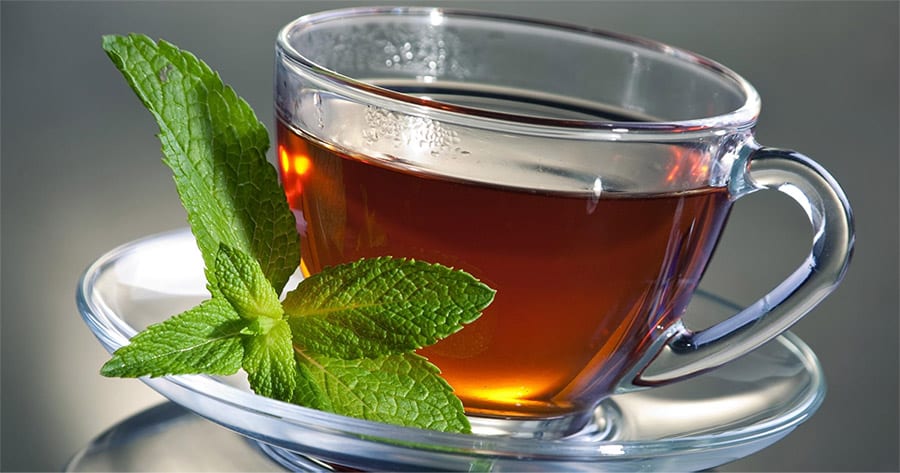
The results were statistically significant. The spearmint tea group demonstrated a marked reduction in free and total testosterone levels. Simultaneously, there was an observed increase in luteinizing hormone (LH) and follicle-stimulating hormone (FSH). These shifts are critical because PCOS is often defined by an inverted LH/FSH ratio, which inhibits regular ovulation. While the 30-day study period was too brief to observe a clinical disappearance of excess hair growth, the participants reported a significant subjective reduction in the density and growth rate of unwanted facial and body hair (hirsutism).
Understanding the Chronology of Treatment and Symptom Management
Medical professionals emphasize that herbal interventions do not yield immediate results. The physiological changes required to alter hair growth cycles and skin sebum production necessitate a consistent, long-term approach.
Short-Term Effects (1 to 3 Months)
Research conducted by the American Academy of Dermatology in 2015 highlighted the efficacy of spearmint in treating hormonal acne. The study found that two cups of organic spearmint tea daily reduced inflammatory acne lesions by 25% after just one month. By the three-month mark, the reduction in lesions reached 51%, suggesting that spearmint may be as effective as some low-dose antibiotics or hormonal therapies for skin clearance.

Long-Term Effects (6 Months and Beyond)
For symptoms like hirsutism and menstrual irregularity, the timeline is more extended. Most clinical observations suggest that a period of at least six months is required to see a visible reduction in terminal hair growth. This is due to the length of the human hair growth cycle; even if testosterone levels drop quickly, the hair follicles currently in the "anagen" (growth) phase must complete their cycle before the effects of lower androgens become apparent in the next cycle.
Metabolic Implications: Insulin Resistance and Blood Sugar Regulation
PCOS is closely linked to metabolic syndrome, with approximately 70% of affected women exhibiting some degree of insulin resistance regardless of their Body Mass Index (BMI). This resistance leads to hyperinsulinemia, which further stimulates the ovaries to produce excess testosterone, creating a cyclical health challenge.
While human trials specifically targeting spearmint and insulin in PCOS are ongoing, animal models have provided compelling preliminary data. A 2017 study published in the Iranian Journal of Pharmaceutical Research demonstrated that aqueous extracts of Mentha spicata leaves significantly lowered blood sugar levels and reduced oxidative stress in diabetic rats. For women with PCOS, this suggests that spearmint tea may serve as a supplementary tool in preventing the progression from insulin resistance to Type 2 diabetes. By potentially lowering insulin levels, the tea may indirectly contribute to lower androgen production in the ovarian theca cells.

Cognitive Function and the "Brain Fog" Phenomenon
A frequently reported but often overlooked symptom of PCOS is "brain fog"—a state of cognitive fatigue, memory lapses, and diminished focus often tied to hormonal fluctuations and insulin spikes. Spearmint contains high concentrations of polyphenols, including rosmarinic acid, which have been linked to improved neurological function.
In a 2018 study involving 90 individuals with age-associated memory impairment, the administration of a standardized spearmint extract for 90 days resulted in a 15% improvement in working memory and a significant increase in the ability to focus. For women with PCOS, these cognitive-enhancing properties offer a dual benefit, addressing both the physical and mental manifestations of the syndrome.
Antioxidant Capacity and Oxidative Stress
Women with PCOS typically exhibit higher markers of oxidative stress compared to those without the condition. This oxidative stress can damage oocytes (eggs) and contribute to systemic inflammation. Spearmint is a rich source of antioxidants, which neutralize free radicals. According to a systematic review in Human Reproduction Update, managing oxidative stress is a vital component of long-term PCOS care, as it impacts everything from cardiovascular health to fertility outcomes. The inclusion of spearmint tea provides a steady supply of these protective compounds, helping to safeguard cellular integrity.

Practical Preparation and Standardized Dosage
To replicate the results seen in clinical trials, the method of preparation and the dosage are vital.
- The Dosage: Clinical trials generally utilize two cups per day. This usually involves approximately 5 to 10 grams of dried spearmint leaves or two standardized tea bags.
- Steeping Time: To ensure the extraction of essential oils and polyphenols, the tea should be steeped in boiling water for 5 to 10 minutes.
- Temperature: The tea can be consumed hot or cold, as the active anti-androgenic compounds remain stable regardless of the serving temperature.
- Sourcing: It is important to distinguish between spearmint (Mentha spicata) and peppermint (Mentha piperita). While peppermint is excellent for digestion, it does not possess the same documented anti-androgenic profile as spearmint.
Safety Protocols and Contraindications
Despite its natural origin, spearmint tea is a potent herbal intervention that may interact with certain conditions. Medical professionals advise caution in the following areas:
- Gastroesophageal Reflux Disease (GERD): Like all members of the mint family, spearmint can relax the lower esophageal sphincter, potentially worsening symptoms of heartburn or acid reflux.
- Pregnancy and Breastfeeding: Due to its impact on hormone levels, particularly its ability to lower testosterone and potentially alter the LH/FSH ratio, pregnant or breastfeeding women should avoid therapeutic doses of spearmint unless cleared by a physician.
- Liver and Kidney Function: While rare, excessive consumption of highly concentrated mint supplements has been linked to hepatic or renal stress. Consuming the herb in tea form is generally considered safe, but high-potency extracts should be monitored by a healthcare provider.
Broader Impact on Integrative Women’s Health
The integration of spearmint tea into PCOS management represents a shift toward "integrative medicine"—a field that combines conventional medical treatments with evidence-based natural therapies. For many women, the side effects of traditional PCOS medications, such as the nausea associated with metformin or the mood changes linked to birth control, make long-term compliance difficult.
Spearmint tea offers a low-cost, accessible, and side-effect-minimal alternative or adjunct therapy. By lowering the "androgen load" on the body, it addresses the root cause of many distressing cosmetic and physiological symptoms. Furthermore, the psychological benefit of utilizing a natural remedy can empower patients, providing them with a sense of agency over a condition that often feels unmanageable.
Future Research and Industry Outlook
The global herbal tea market is projected to grow significantly as consumers increasingly seek functional beverages. Within this market, "hormone balance" teas are becoming a major sub-sector. However, researchers call for more large-scale, long-term human trials to determine if spearmint tea can assist with long-term fertility and ovulation induction in women with PCOS.
As the medical community continues to validate the benefits of Mentha spicata, it is likely that spearmint extracts will become a staple in the nutritional supplement industry, potentially formulated alongside other PCOS-friendly compounds like inositol or N-acetylcysteine. For now, the humble ritual of drinking two cups of spearmint tea a day remains a scientifically backed strategy for those looking to manage PCOS symptoms naturally and effectively.
