

Polycystic Ovary Syndrome (PCOS) remains one of the most prevalent endocrine disorders affecting women of reproductive age globally, characterized by hormonal imbalances, ovulatory dysfunction, and metabolic complications. As medical research delves deeper into non-pharmacological interventions, Berberine, a natural plant alkaloid, has emerged as a cornerstone of integrative PCOS management. Historically utilized in Traditional Chinese Medicine (TCM) for over three millennia, this bioactive compound is increasingly recognized by Western clinical science for its potent insulin-sensitizing and anti-inflammatory properties. For patients navigating the complexities of PCOS, understanding the multifaceted benefits of Berberine is essential for developing a comprehensive treatment strategy.
The Biochemical Profile of Berberine
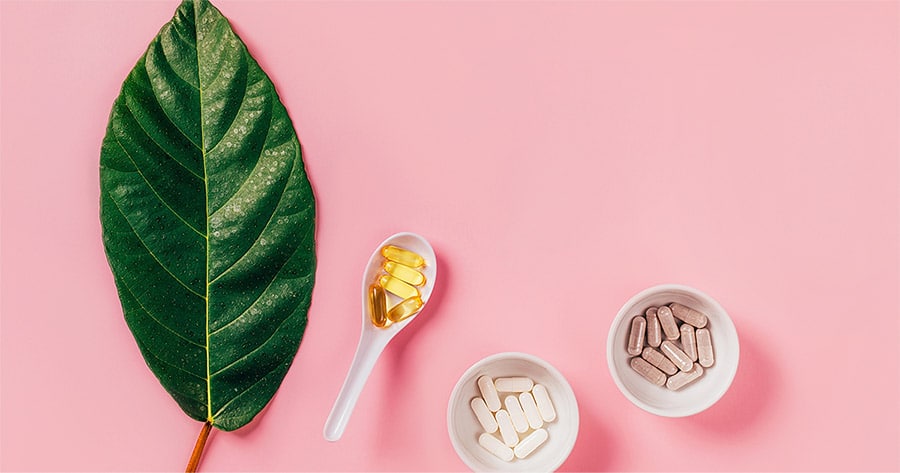
Berberine is an isoquinoline alkaloid extracted from several species of plants, most notably within the Berberis genus, such as barberry, goldenseal, and Oregon grape. Its distinctive yellow hue and bitter taste characterize its raw form, but its value lies in its systemic impact on human metabolism. Unlike many supplements that target a single pathway, Berberine operates on a cellular level by activating the Adenosine Monophosphate-activated Protein Kinase (AMPK). Often referred to as the "metabolic master switch," AMPK plays a critical role in regulating energy homeostasis, glucose uptake, and lipid metabolism.
In the context of PCOS, where insulin signaling pathways are frequently disrupted, Berberine’s ability to bypass traditional insulin receptors and activate AMPK offers a unique therapeutic advantage. This mechanism allows for improved glucose transport into cells, effectively lowering circulating blood sugar levels and reducing the compensatory hyperinsulinemia that drives many PCOS symptoms.

Clinical Evidence: Enhancing Insulin Sensitivity and Glucose Regulation
Insulin resistance is a primary driver of PCOS pathology, affecting an estimated 70% of women with the condition regardless of body mass index (BMI). When cells become resistant to insulin, the pancreas compensates by producing higher levels of the hormone. Excess insulin, in turn, stimulates the ovaries to produce surplus androgens, leading to acne, hirsutism, and ovulatory failure.
A prospective randomized study published in Cureus (2022) highlighted the efficacy of Berberine in addressing this cycle. Researchers found that after 12 weeks of supplementation, women with PCOS exhibited significant improvements in insulin sensitivity. By enhancing the body’s response to insulin, Berberine helps stabilize blood glucose levels. This prevents the "sugar spikes" that contribute to systemic inflammation and metabolic syndrome. Furthermore, the increase in glucose uptake by peripheral tissues ensures that energy is utilized efficiently, reducing the fatigue and "brain fog" often reported by PCOS patients.

Impact on Weight Management and Body Composition
Weight gain and the inability to lose weight are hallmark challenges of PCOS, largely due to the metabolic dysfunction associated with insulin resistance. Berberine offers a dual-action approach to weight management by reducing fat storage and increasing energy expenditure.
Supporting data from a systematic review published in Biomedicine & Pharmacotherapy (2020) demonstrates the tangible impact of Berberine on body composition. In a clinical trial involving 37 participants with metabolic syndrome, 12 weeks of Berberine treatment resulted in a significant reduction in BMI, dropping from an average of 31.5 to 27.4. Beyond total weight loss, Berberine has shown a specific efficacy in reducing visceral fat—the metabolically active "hidden" fat that surrounds internal organs. Even in cases where overall scale weight remains stable, clinical trials have observed a decrease in waist circumference, indicating a favorable shift in body composition and a reduction in the risks associated with central adiposity.

Cardiovascular Health: Lipid Profiles and Cholesterol Management
Women with PCOS face a significantly elevated risk of cardiovascular disease (CVD), driven by chronic inflammation and dyslipidemia. Berberine has demonstrated a capacity to modulate lipid metabolism that rivals some pharmaceutical interventions.
Research published in PubMed (2019) indicates that Berberine can effectively lower low-density lipoprotein (LDL) cholesterol and triglycerides while simultaneously increasing high-density lipoprotein (HDL) cholesterol. One study found Berberine to be as effective as simvastatin, a common cholesterol-lowering medication, in reducing LDL levels. By improving the lipid profile, Berberine mitigates the long-term risk of atherosclerosis and heart disease in the PCOS population. This cardiovascular protection is further bolstered by Berberine’s ability to improve endothelial function, ensuring better blood flow and vascular health.

Reproductive Health and Menstrual Regularity
The restoration of regular menstrual cycles and ovulation is a primary goal for many PCOS patients, particularly those seeking to conceive. Berberine’s influence on the reproductive system is mediated through its effect on the endocrine system. By lowering insulin levels, Berberine reduces the stimulus for ovarian androgen production.
In a study published in the Journal of Clinical Endocrinology, researchers compared Berberine to Metformin, a standard pharmaceutical treatment for PCOS. The results showed that both treatments were effective in improving ovulation rates and menstrual regularity. However, Berberine outperformed Metformin in increasing levels of sex hormone-binding globulin (SHBG). SHBG is a protein that binds to testosterone in the blood, rendering it inactive. Higher levels of SHBG lead to a lower Free Androgen Index (FAI), thereby reducing symptoms of hyperandrogenism and creating a more favorable hormonal environment for follicular development and ovulation.

Fertility and Endometrial Receptivity
For women struggling with infertility, Berberine offers hope beyond mere cycle regulation. Anovulation is the leading cause of infertility in PCOS, but even when ovulation occurs, implantation can be hindered by poor endometrial receptivity. Recent clinical observations suggest that Berberine may improve the environment of the uterus, making it more receptive to embryo implantation. By reducing inflammation within the reproductive tract and balancing local hormonal signaling, Berberine supports the complex biological process of conception. Furthermore, its role in preventing gestational diabetes—by stabilizing glucose levels before and during the early stages of pregnancy—makes it a valuable tool for maternal health.
Addressing Systemic Inflammation and Oxidative Stress
PCOS is increasingly recognized as a state of chronic, low-grade inflammation. This inflammatory state exacerbates insulin resistance and contributes to the damage of ovarian follicles. Berberine acts as a potent anti-inflammatory agent by inhibiting the production of pro-inflammatory cytokines, such as TNF-α and IL-6.

Additionally, Berberine possesses antioxidant properties that help neutralize reactive oxygen species (ROS). For women with PCOS, oxidative stress can compromise egg quality and accelerate the aging of reproductive tissues. By acting as a cellular protector, Berberine helps preserve oocyte quality, which is critical for both natural conception and the success of assisted reproductive technologies like IVF.
Psychological Implications: Depression and Anxiety
The psychological burden of PCOS, including high rates of depression and anxiety, is often overlooked in clinical settings. These mood disorders are frequently linked to hormonal fluctuations, the stress of chronic illness, and the metabolic disturbances of the condition.
Evidence published in PubMed Central (2018) suggests that Berberine may have neuroprotective and mood-stabilizing effects. By modulating neurotransmitters such as dopamine and serotonin, and by reducing neuro-inflammation, Berberine treatment has been associated with improved psychological well-being. Addressing the metabolic roots of the disorder can also alleviate the distress associated with physical symptoms like weight gain and hirsutism, further supporting mental health.
Hepatic Health and Non-Alcoholic Fatty Liver Disease (NAFLD)
Data indicates that women with PCOS are four times more likely to develop Non-Alcoholic Fatty Liver Disease (NAFLD) than those without the condition. This is primarily due to the "spillover" of fats into the liver caused by insulin resistance.

Berberine has shown significant promise as a therapeutic agent for NAFLD. It works by reducing the accumulation of triglycerides in the liver and improving hepatic insulin sensitivity. A meta-analysis published in the Journal of Translational Medicine (2016) confirmed that Berberine effectively reduces liver enzymes and improves fat metabolism within hepatic cells, offering a vital layer of protection for the liver in PCOS patients.
Longevity and Menopause Transition
As women with PCOS age, the decline in estrogen during perimenopause and menopause can exacerbate existing metabolic vulnerabilities. The risk of Type 2 diabetes, osteoporosis, and cardiovascular events increases during this transition. Berberine’s role as an insulin sensitizer and metabolic regulator provides a safeguard during these later life stages. By maintaining glucose stability and bone mineral density markers, Berberine helps alleviate some of the metabolic "shocks" associated with the menopausal transition, promoting long-term health and longevity.

Comparative Analysis: Berberine vs. Metformin
Metformin has long been the "gold standard" for managing insulin resistance in PCOS, yet many patients struggle with its gastrointestinal side effects. Berberine is often dubbed "Nature’s Metformin" because it achieves similar metabolic outcomes through comparable pathways.
While both compounds activate AMPK, Berberine offers additional benefits, such as its superior impact on lipid profiles and its anti-inflammatory properties. Furthermore, some studies suggest that Berberine may have a slightly better safety profile regarding long-term vitamin B12 absorption, which can be inhibited by chronic Metformin use. However, Berberine is not without its own side effects, primarily involving mild gastrointestinal upset such as constipation or nausea, which can usually be managed by adjusting the dosage or taking the supplement with meals.

Guidelines for Usage and Safety
For optimal results, clinical guidelines suggest a Berberine dosage of 500mg taken two to three times daily. Consistency is key, as most studies indicate that the full metabolic and reproductive benefits become evident after three to six months of continuous use. When selecting a supplement, Berberine Hydrochloride (HCl) is generally recommended due to its superior bioavailability.
While Berberine is safe for long-term use, it is a potent bioactive compound that can interact with other medications, particularly those metabolized by the liver or other blood-sugar-lowering drugs. Therefore, patients should consult with a healthcare provider before beginning a Berberine regimen, especially if they are already taking Metformin or birth control pills.

Conclusion and Future Implications
The integration of Berberine into PCOS management represents a shift toward more holistic, evidence-based care. By addressing the underlying mechanisms of insulin resistance, inflammation, and hormonal imbalance, Berberine provides a comprehensive therapeutic effect that extends beyond symptom management to systemic health restoration. As research continues to validate its efficacy, Berberine stands as a powerful natural alternative or adjunct to traditional pharmaceuticals, offering women with PCOS a path toward improved fertility, metabolic stability, and overall quality of life.
