
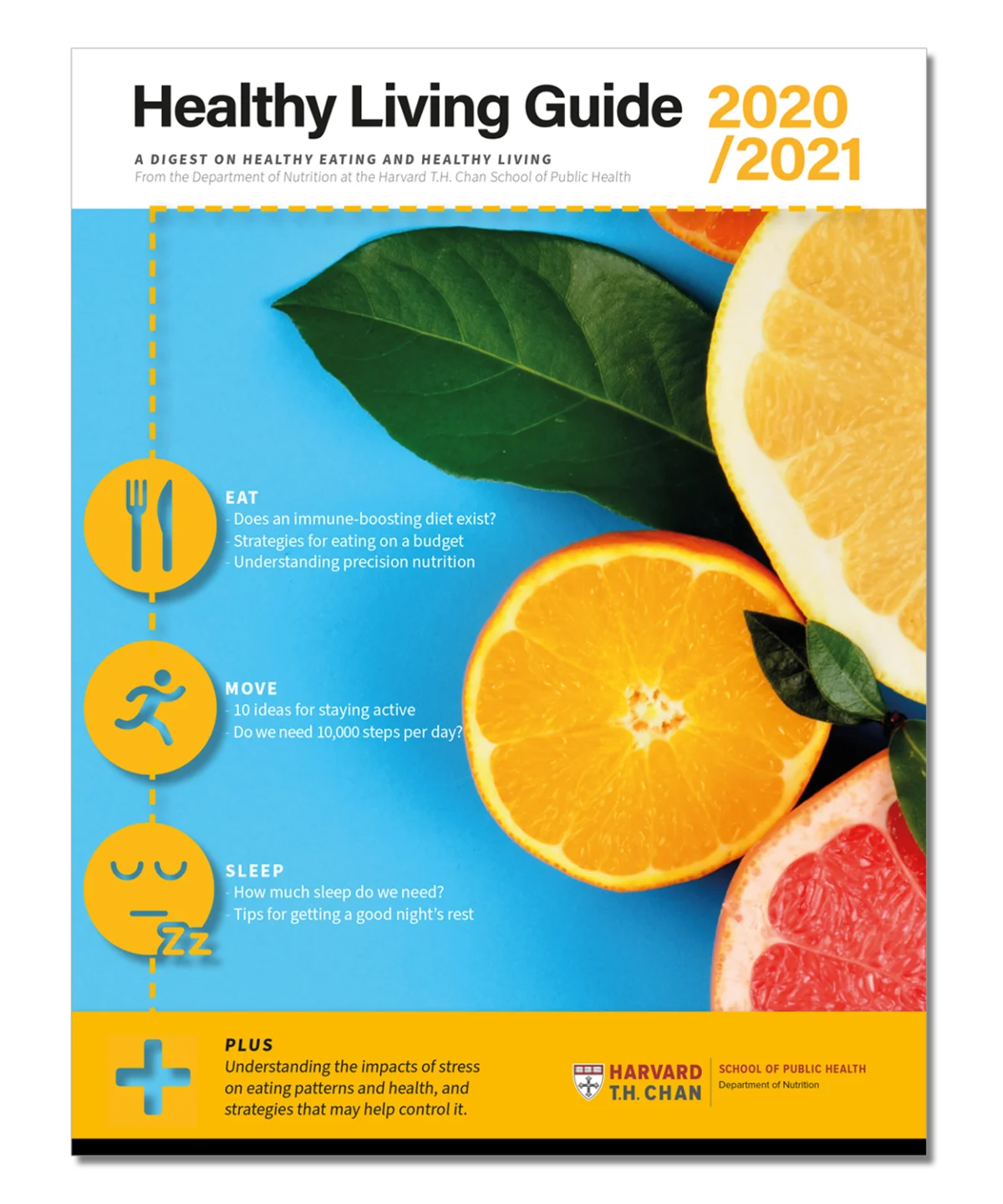
The Department of Nutrition at the Harvard T.H. Chan School of Public Health has officially released its fourth annual Healthy Living Guide, a comprehensive resource designed to bridge the gap between complex nutritional science and actionable public health habits. This year’s publication marks a significant shift in the department’s strategic focus, heavily emphasizing the integration of mindfulness practices into daily nutrition and lifestyle routines. The release coincides with the first full year of operation for the newly established Thich Nhat Hanh Center for Mindfulness in Public Health, an institution dedicated to exploring the intersection of internal awareness and population-level health outcomes.
The Evolution of the Healthy Living Guide
The Healthy Living Guide series was conceived as a response to the growing global burden of non-communicable diseases—such as obesity, type 2 diabetes, and cardiovascular conditions—which are largely driven by lifestyle factors. Since its inception, the guide has served as an annual touchstone for evidence-based health recommendations.
The 2023–2024 edition represents a thematic evolution from previous years. While early iterations focused primarily on the physiological mechanics of macronutrients and exercise physiology, the current edition incorporates the psychological and environmental dimensions of consumption. By adopting the philosophy of Thich Nhat Hanh, the publication suggests that the act of eating is not merely a biological necessity but a relational interaction between the individual and the global ecosystem. This shift reflects a broader trend in public health: the move toward "planetary health," where the sustainability of food systems is recognized as intrinsically linked to individual human longevity.
Chronology of the Thich Nhat Hanh Center
The launch of the Thich Nhat Hanh Center for Mindfulness in Public Health in 2023 serves as the foundational narrative for this year’s guide. The center was established to provide a rigorous academic framework for what was previously considered a fringe or alternative approach to medicine.
- 2021: Exploratory discussions began within the Harvard Chan School regarding the formalization of mindfulness as a public health intervention.
- 2022: The Department of Nutrition increased its focus on the psychological components of dietary adherence, identifying a "mindfulness gap" in existing nutritional literature.
- January 2023: The Thich Nhat Hanh Center for Mindfulness in Public Health was officially inaugurated, with a mission to move mindfulness from an individual practice to a systemic health strategy.
- January 2024: The release of the fourth Healthy Living Guide serves as the first major public-facing dissemination of the Center’s core research pillars.
Supporting Data: The Current Landscape of Nutrition
The guide provides a necessary update on the current nutritional landscape, particularly regarding the proliferation of ultra-processed foods (UPFs). Recent meta-analyses cited by the Department of Nutrition indicate that diets high in ultra-processed foods are associated with a 26% higher risk of mortality and a significant increase in the incidence of depression and cognitive decline.
The report distinguishes between minimally processed foods—such as whole grains and legumes—and ultra-processed items, which are defined as industrial formulations typically containing five or more ingredients, often including additives like high-fructose corn syrup, hydrogenated oils, and artificial colorants. The 2023–2024 guide emphasizes that mindfulness acts as a psychological buffer, helping individuals recognize the difference between hunger and the hedonic craving triggered by the hyper-palatability of UPFs.
Furthermore, the guide integrates physical activity data, moving away from rigid exercise prescriptions toward inclusive, movement-based activities. Research featured in the publication highlights that even moderate-intensity activities, such as group dance or rhythmic movement, can yield cardiovascular benefits comparable to structured gym routines while offering the added benefit of social connection, which is a known predictor of long-term health outcomes.
Chronotypes and Sleep Architecture
A significant portion of the new guide is dedicated to the science of circadian rhythms. The publication explores the concept of "chronotypes"—the internal biological clock that determines whether an individual is naturally inclined toward morning or evening activity.
Evidence presented suggests that misalignment between one’s social schedule and their internal chronotype (often referred to as "social jetlag") is a major contributor to metabolic dysfunction. The guide provides practical tips for navigating these biological predispositions, recommending strategies such as light exposure management and structured evening "wind-down" routines to improve sleep hygiene. By aligning lifestyle choices with individual chronotypes, the department argues that individuals can optimize insulin sensitivity and hormone regulation, two critical markers of long-term metabolic health.
Implications for Public Health Policy
The integration of mindfulness into the Healthy Living Guide is not merely a lifestyle suggestion but a potential policy intervention. Proponents within the Department of Nutrition argue that if mindfulness can reduce the consumption of energy-dense, nutrient-poor foods, it could theoretically lower the public health burden of obesity-related illnesses.
From a policy perspective, the implications are vast. If public health organizations shift focus from purely restrictive "don’t eat this" messaging to "be aware of your consumption" strategies, the success rate of public health campaigns may improve. The guide serves as a prototype for this approach, offering printable tip sheets and summary charts that are designed to be used by practitioners, educators, and the general public.
Reaction and Academic Perspective
The response from the public health community has been largely supportive, noting that the Harvard Chan School’s willingness to embrace mindfulness represents a maturation of the field. "The recognition that mental states influence physiological outcomes is no longer a matter of debate, but a matter of measurement," noted one lead researcher during the guide’s internal briefing.
However, the guide also faces the challenge of scalability. While the research is robust, translating these findings into the daily lives of populations living in "food deserts" or under high-stress economic conditions remains a hurdle. The guide attempts to address this by focusing on low-cost, high-impact changes, such as mindful breathing before meals and the prioritization of consistent sleep cycles, which require no financial investment.
The Role of Mindfulness in Modern Eating
The 2023–2024 guide makes a compelling case for the "apple in your hand" metaphor. It argues that by slowing down and observing the process of eating, individuals can interrupt the cycle of unconscious consumption. This practice is supported by recent findings in neurobiology, which show that mindful eating can alter the activity of the brain’s reward centers, making it easier to achieve satiety with smaller portions of food.
In the context of the global food crisis, this is particularly relevant. As the world struggles with the environmental impact of industrial agriculture, a more mindful approach to food consumption—which includes reduced food waste and a preference for plant-forward, locally sourced ingredients—could have profound implications for environmental sustainability.
Looking Ahead: 2024 and Beyond
As the Department of Nutrition looks to the remainder of 2024, the focus remains on the dissemination of these findings. The guide is structured to be modular; it is not meant to be read in a single sitting, but rather to be utilized as a resource for ongoing self-assessment.
The inclusion of a "knowledge test" at the end of the guide is a strategic pedagogical tool. By encouraging readers to revisit previous editions, the department is fostering a culture of continuous learning. This repetition is essential, as the science of nutrition is constantly evolving. The guide acknowledges that what is considered "optimal" today may be revised tomorrow as new longitudinal data becomes available.
In summary, the fourth edition of the Healthy Living Guide acts as a bridge between the clinical rigor of Harvard’s research and the practical, everyday needs of the public. By weaving together the themes of nutrition, movement, sleep, and mindfulness, the document provides a holistic blueprint for health. It serves as a reminder that health is not a destination, but an ongoing process of awareness, adjustment, and conscious living. As the global population navigates the complexities of the modern food environment, such evidence-based guidance becomes an essential instrument for promoting both individual well-being and collective health. Readers are encouraged to download the PDF, utilize the printable tip sheets, and engage with the ongoing research provided by the Thich Nhat Hanh Center for Mindfulness in Public Health.
