
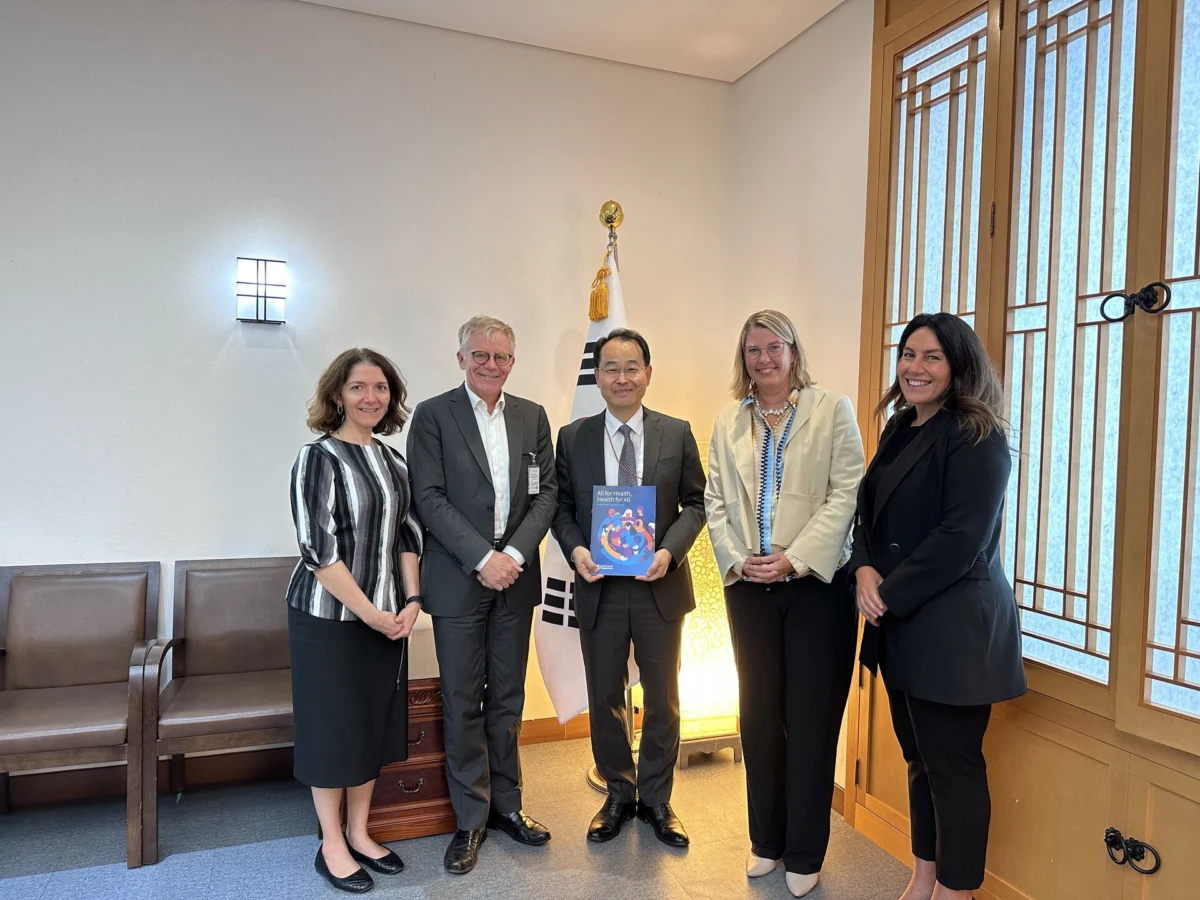
The diplomatic and operational partnership between the World Health Organization (WHO) and the Republic of Korea has entered a transformative new chapter, marked by the successful conclusion of the second annual Strategic Dialogue held in Seoul from August 28 to 29, 2024. This high-level meeting serves as a cornerstone for modernizing global health governance, reflecting Korea’s unique trajectory from a nation once reliant on international humanitarian aid to a vanguard of medical innovation, pandemic preparedness, and global health financing.
A Historical Trajectory of Cooperation
To understand the weight of this strategic dialogue, one must examine the 75-year history of the relationship between the WHO and the Republic of Korea. In the aftermath of the Korean War, the country was a primary recipient of international development assistance, including significant health support aimed at basic disease control and nutrition. Over the subsequent decades, South Korea’s "Miracle on the Han River" saw the nation rapidly industrialize and develop a world-class healthcare infrastructure.
By the early 21st century, the Republic of Korea had shifted its status from an aid recipient to a sophisticated donor and key contributor to international health security. This evolution was particularly evident during the COVID-19 pandemic, where Korea’s rapid testing, contact tracing, and pharmaceutical manufacturing capabilities provided a blueprint for other nations. Today, the Korean government, through agencies such as the Korea Disease Control and Prevention Agency (KDCA) and the Ministry of Foreign Affairs, plays a pivotal role in shaping WHO policy, particularly in areas related to health emergency preparedness, digital health, and biotechnology.
The Seoul Strategic Dialogue: An Agenda for Action
The second Strategic Dialogue in Seoul was designed to move beyond traditional bilateral cooperation, aiming instead to synchronize long-term priorities. Dr. Catharina Boehme, Assistant Director-General for External Relations and Governance at the WHO, led the international delegation. The participation of colleagues from all three levels of the WHO—headquarters in Geneva, regional offices, and local country representatives—underscored the breadth of the collaboration.
The Korean delegation was spearheaded by Dr. Hye-Jin Kim, Deputy Minister for Planning and Coordination at the Ministry of Health and Welfare. The inclusion of senior officials from the KDCA, the Ministry of Foreign Affairs, and the Ministry of Food and Drug Safety highlights the multi-sectoral approach Korea is taking toward global health. By integrating clinical, diplomatic, and regulatory expertise, the Seoul meeting ensured that the partnership is not limited to funding, but extends to technical knowledge transfer and regulatory alignment.

Legislative Engagement and Global Health Governance
A notable feature of this year’s dialogue was the deliberate effort to engage with the legislative branch. Recognizing that sustainable health financing and policy continuity require strong political backing, the WHO delegation held sessions with Members of the National Assembly. These lawmakers, who champion the global health agenda within the Korean political landscape, discussed the importance of domestic legislative support for international health commitments.
This engagement reflects a broader trend in global health diplomacy: the recognition that technical agencies like the WHO must work hand-in-hand with national parliaments to ensure that global mandates are translated into effective domestic policies and stable financial commitments. By fostering a dialogue with the National Assembly, the WHO is effectively future-proofing its partnership with Korea against potential shifts in executive leadership.
The WHO Investment Case: A Catalyst for Sustainability
A central point of discussion during the summit was the WHO Investment Case, a strategic document outlining the organization’s requirements for flexible and predictable funding. During the proceedings, representatives from the Ministry of Foreign Affairs, including Mr. Jonghan Park, Director-General for Development Cooperation, engaged with the WHO’s proposed funding framework.
The WHO Investment Case is a critical instrument in the organization’s broader reform agenda. As the world faces a surge in non-communicable diseases, climate-related health risks, and the persistent threat of zoonotic pathogens, the traditional model of earmarked funding has proven insufficient. The Republic of Korea’s willingness to align its development cooperation strategy with the WHO’s investment priorities is a significant signal to the international donor community. By prioritizing flexible funding, Seoul is positioning itself as a strategic partner that understands the necessity of organizational agility in a volatile global environment.
Data-Driven Implications for Future Health Security
The partnership is underpinned by clear, data-driven goals. Current priorities for the collaboration include:
- Pandemic Preparedness: Leveraging Korea’s experience in rapid response to strengthen the WHO’s International Health Regulations (IHR) and the ongoing negotiations for a global pandemic treaty.
- Digital Health Integration: Utilizing South Korea’s advanced ICT (Information and Communication Technology) sector to help the WHO standardize digital health records and telehealth services in lower-resource settings.
- Regulatory Harmonization: Working with the Ministry of Food and Drug Safety to accelerate the approval processes for essential medicines and vaccines in developing markets.
The analytical impact of this dialogue is significant. By aligning their priorities, the WHO and Korea are effectively creating a "center of gravity" for health security in the Indo-Pacific region. As geopolitical tensions complicate international cooperation, the stability of the WHO-Korea axis provides a vital mechanism for maintaining essential health services and global disease surveillance.

Challenges and Future Outlook
While the results of the Seoul dialogue are promising, both parties acknowledge the complexities of the current landscape. The challenge remains to bridge the gap between high-level policy commitments and on-the-ground implementation. Furthermore, as the Republic of Korea continues to expand its influence in global health, it must balance its national interests—such as its growing pharmaceutical export sector—with the broader, altruistic mandates of the WHO.
The implications of this strengthened relationship extend beyond the two entities involved. For other middle-income nations, the Republic of Korea serves as a "bridge-builder." It occupies a unique space, possessing the technological sophistication of a G20 economy while maintaining the historical memory of a developing nation. This allows Korea to act as a more effective interlocutor between the Global North and Global South within the WHO assembly.
Conclusion
The conclusion of the second Strategic Dialogue in Seoul marks a maturation of the WHO-Korea relationship. It is a partnership that has transcended the donor-recipient model of the mid-20th century to become a sophisticated, multi-faceted alliance. As the two parties move forward, the focus will likely remain on integrating Korea’s technological and diplomatic assets into the WHO’s global mission.
By committing to a two-day, high-level exchange, both the WHO and the Government of the Republic of Korea have demonstrated that they are prepared to tackle the uncertainties of the next decade. Whether through the lens of pandemic response, the digital transformation of healthcare, or the sustainable financing of the WHO itself, the Seoul meetings have provided a robust framework for continued cooperation. For the international community, this alignment represents a welcome stabilization of a key pillar of global public health infrastructure, promising a more coordinated and proactive approach to the health challenges of the 21st century.
