
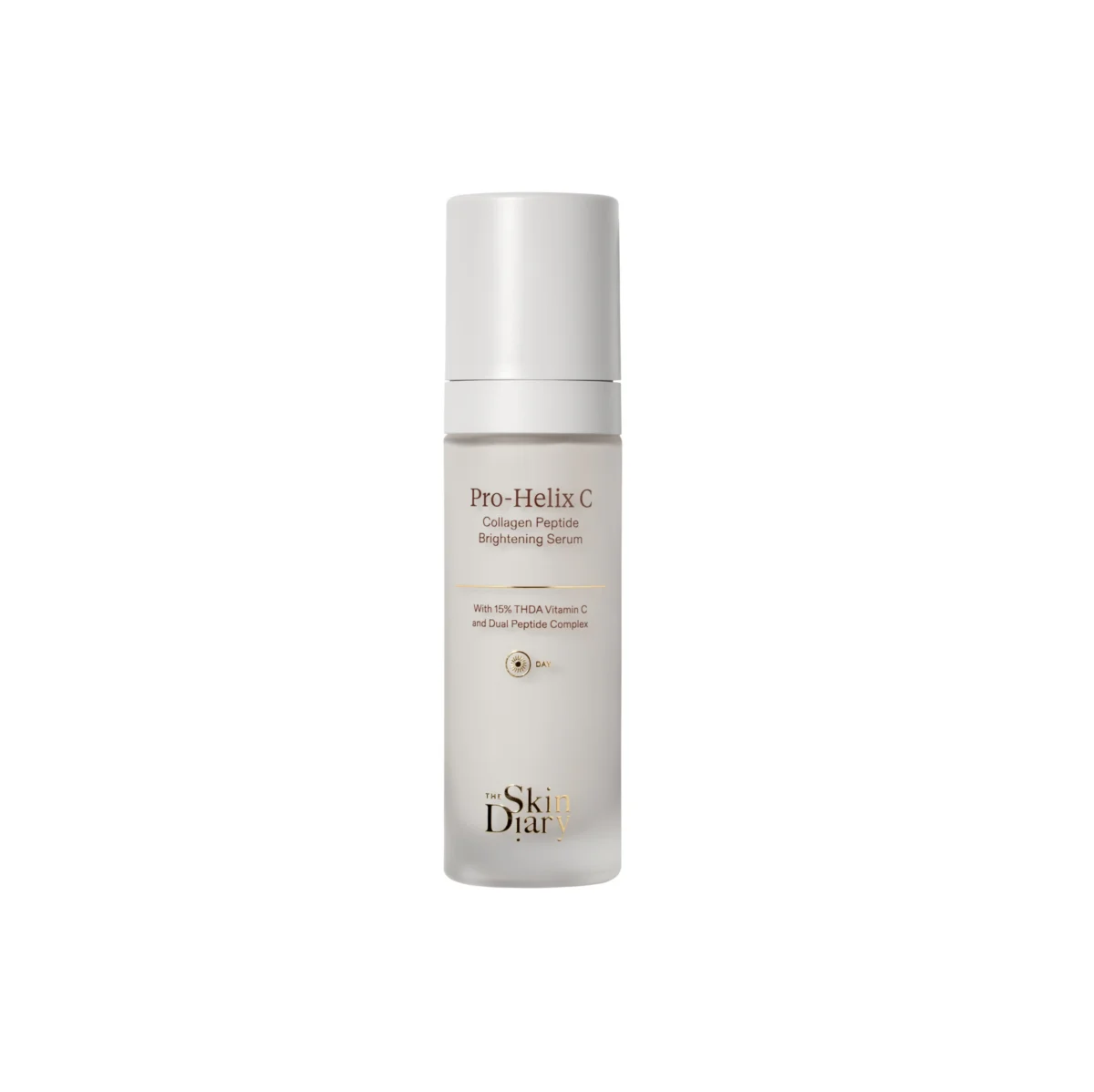
The skincare industry has experienced a significant shift in recent years toward scientifically rigorous, biology-led formulations that address the root causes of dermal degradation rather than merely treating surface symptoms. In alignment with this evolving paradigm, specialized dermatological company The Skin Diary has officially announced the launch of its latest innovation, the Pro-Helix C serum. This patent-pending vitamin C complex is engineered to intervene across multiple biological pathways responsible for visible skin aging, combining high-potency antioxidants with targeted peptides and stabilizing agents to optimize extracellular matrix health.
The debut of Pro-Helix C arrives at a time of heightened consumer demand for evidence-based skincare products that offer transparent, measurable clinical outcomes. As the global dermatological market continues to expand—driven by an aging demographic and greater consumer literacy regarding active ingredients—formulators face mounting pressure to move beyond traditional antioxidant serums. The Skin Diary’s newly introduced product represents a calculated response to these industry demands, utilizing a sophisticated delivery system and synergistic ingredient pairing designed to maximize efficacy while minimizing the irritation commonly associated with high-strength vitamin C derivatives.
Core Formulation and Scientific Mechanics
At the center of The Skin Diary’s new launch is a carefully calibrated triad of active ingredients: a stabilized 15% Tetrahexyldecyl Ascorbate (THDA) vitamin C system, 1% acetyl zingerone, and a 5% collagen peptide complex. According to technical data released by the company, this combination was specifically developed to target the interconnected pathways of skin aging, including oxidative stress, the natural decline of structural proteins, extracellular matrix (ECM) deterioration, and chronic, low-level inflammatory signaling—often referred to in dermatology as "inflamm-aging."
Unlike L-ascorbic acid, which is notoriously unstable in aqueous solutions and prone to rapid oxidation upon exposure to light and air, the 15% THDA vitamin C utilized in Pro-Helix C is a lipid-soluble derivative. This lipid solubility allows the molecule to penetrate the stratum corneum more efficiently, as it shares a similar composition with the skin’s natural sebum barrier. Once absorbed into the epidermis and dermis, THDA is converted into free vitamin C, delivering sustained antioxidant protection without requiring an excessively low, potentially irritating pH level.
The inclusion of 1% acetyl zingerone serves as a critical stabilization and performance-enhancing measure. Derived from the ginger plant, acetyl zingerone is a potent antioxidant that not only scavenges free radicals generated by ultraviolet (UV) radiation and environmental pollution but also works synergistically to stabilize the THDA vitamin C system, preventing premature degradation. Furthermore, research indicates that acetyl zingerone possesses inherent soothing properties, helping to modulate inflammatory pathways within the skin.
Rounding out the core formulation is the 5% collagen peptide complex. Peptides act as biological messengers, signaling dermal fibroblasts to synthesize new structural proteins such as collagen and elastin. By combining these signaling peptides with a high-performance antioxidant matrix, Pro-Helix C aims to protect newly synthesized collagen from enzymatic degradation while simultaneously encouraging an optimal internal environment for continuous dermal repair.
Clinical Findings and Structural Improvements
The development of Pro-Helix C was underpinned by rigorous laboratory and clinical evaluations aimed at measuring its impact on key structural markers of skin aging. Among the most notable findings highlighted by The Skin Diary is the formulation’s demonstrated ability to significantly increase fibrillin deposition in human skin tissue samples.
Fibrillin is a crucial glycoprotein that forms microfibrils, which provide structural support and elasticity to the extracellular matrix. As human skin ages—accelerated by intrinsic chronological factors and extrinsic stressors such as photoaging—fibrillin networks degrade, leading to a loss of skin resilience and the formation of deep lines and wrinkles. By demonstrating an upregulation in fibrillin deposition, the formulation moves past standard surface-level hydration, actively working to reinforce the skin’s underlying architectural scaffolding.
The company’s research suggests that this enhanced deposition creates an optimized biochemical environment for healthy collagen synthesis. When fibroblasts operate in an extracellular matrix well-supported by robust microfibrils and protected from oxidative stress, their capacity to produce and organize new collagen fibers is markedly improved. This dual-action approach—simultaneously protecting existing structures and stimulating new protein generation—distinguishes Pro-Helix C from conventional single-ingredient vitamin C serums that rely solely on surface brightening or mild exfoliation.
Background Context and Development Timeline
The path to the commercial release of Pro-Helix C spans several years of intensive dermatological research, biochemical mapping, and formulation refinement. The project originated from a foundational observation by the clinical team at The Skin Diary regarding the limitations of existing anti-aging topicals. Traditional formulations often relied on high concentrations of singular actives that addressed only one facet of skin aging, frequently resulting in barrier disruption, sensitization, or diminished returns over prolonged use.
In the early phases of development, researchers mapped out the complex biochemical cascades that govern structural decline in aging skin. This mapping process identified key chronological milestones: the progressive depletion of endogenous antioxidants, the chronic upregulation of matrix metalloproteinases (MMPs)—enzymes that break down collagen—and the steady deterioration of the dermal-epidermal junction.
Following this mapping phase, the product development timeline entered an extensive phase of ingredient screening and stability testing. Formulators sought an active vitamin C derivative that could maintain high efficacy over time without requiring heavy synthetic preservatives or complex multi-step application protocols. The selection of the 15% THDA system, paired with acetyl zingerone and specialized peptides, was finalized after numerous in vitro trials demonstrated superior stability profiles and optimal dermal penetration metrics. Subsequent clinical trials involving human skin tissue models confirmed the formulation’s ability to positively influence fibrillin and collagen pathways, clearing the path for the official product launch.
Expert Perspectives and Leadership Commentary
The launch of Pro-Helix C has drawn commentary from prominent figures within the dermatological and cosmetic science sectors, emphasizing the brand’s biology-first methodology. Dr. Clare Kiely, a consultant dermatologist and co-founder of The Skin Diary, provided detailed insight into the conceptualization and execution of the new formulation during the official product rollout.
"We started with the biology of ageing skin; mapping the pathways that drive structural decline, then selecting a highly stable, well-researched form of vitamin C and pairing it with complementary actives designed to work across those same pathways," Dr. Kiely stated. She further emphasized that the new release is not merely another iteration of a standard market product, but rather a carefully engineered therapeutic cosmetic. "Pro-Helix C is the result—a next-generation, biology-led approach to vitamin C, designed around the complexity of ageing skin itself."
Industry analysts observing the launch have noted that Dr. Kiely’s background as a practicing dermatologist lends considerable credibility to The Skin Diary’s claims. In an overcrowded skincare market frequently saturated by marketing hyperbole and unverified assertions, the emphasis on peer-reviewed biological principles and targeted pathway modulation resonates strongly with medical professionals and discerning consumers alike.
Broader Market Impact and Dermatological Implications
The introduction of Pro-Helix C holds significant implications for the broader professional skincare and dermatology landscape. As patients and consumers become increasingly educated on the mechanisms of skin aging, the demand for multi-functional, scientifically validated formulations is expected to accelerate. Products that successfully integrate stabilization technology with multi-pathway active ingredients are likely to set a new benchmark for topical dermatological care.
Furthermore, the formulation’s focus on mitigating chronic inflammatory signaling—the aforementioned "inflamm-aging"—reflects a broader evolution in how scientists understand skin deterioration. Historically, anti-aging research focused primarily on chronological aging and UV-induced photoaging. However, contemporary dermatological science increasingly recognizes that chronic, low-grade inflammation driven by environmental pollutants, lifestyle factors, and internal stressors plays a central role in breaking down collagen and accelerating visible aging. By incorporating acetyl zingerone to help modulate these inflammatory pathways alongside a robust antioxidant and peptide complex, The Skin Diary has aligned its product offering with the cutting edge of anti-inflammatory dermatological research.
From a commercial standpoint, the patent-pending nature of the Pro-Helix C complex positions The Skin Diary advantageously within the competitive premium skincare segment. Intellectual property protection for proprietary ingredient delivery systems and complex biochemical pairings provides a distinct market differentiator, shielding the brand from rapid replication by mass-market competitors.
As Pro-Helix C rolls out to clinics, specialty retailers, and digital platforms, its long-term market reception will likely be shaped by real-world consumer feedback and ongoing clinical observation. However, the foundational science, the integration of stable lipid-soluble vitamin C derivatives, and the targeted focus on extracellular matrix regeneration suggest that the formulation is well-equipped to meet the rigorous standards of modern evidence-based dermatology. Through this launch, The Skin Diary has reinforced its commitment to bridging the gap between advanced cutaneous biology and everyday topical skincare, offering a sophisticated tool for clinicians and consumers seeking measurable structural improvements in aging skin.
