
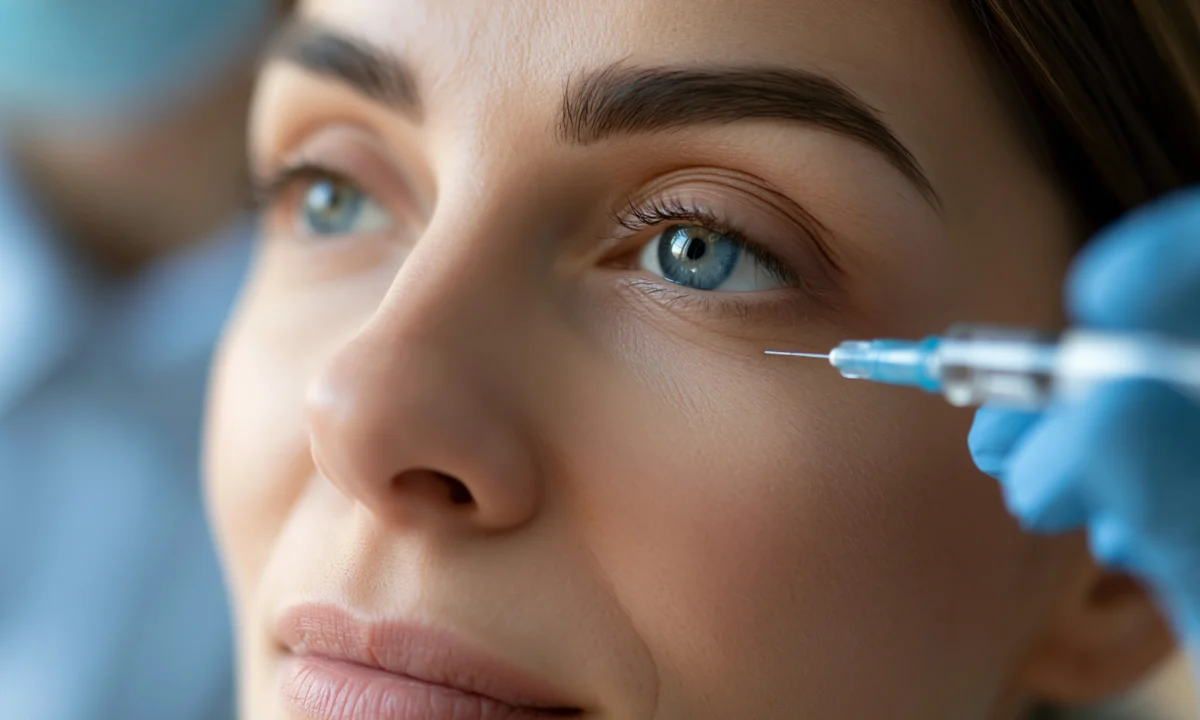
The Aesthetics Journal has solidified its position as the preeminent source of clinical and business intelligence for the medical aesthetics sector, operating as a multi-channel platform designed to support practitioners in an increasingly complex regulatory environment. Owned by the international event organizer Easyfairs, the publication serves as a central nervous system for doctors, dentists, nurses, and allied health professionals who specialize in non-surgical cosmetic interventions. By integrating news, peer-reviewed clinical papers, webinars, and comprehensive industry reports, the platform addresses the growing demand for standardized education and professional transparency in a market that has seen unprecedented growth over the last decade.
The Evolution of Medical Aesthetics Media
The landscape of medical aesthetics has shifted from a niche segment of dermatology and plastic surgery into a multi-billion-pound global industry. In the United Kingdom alone, the non-surgical cosmetic market is estimated to be worth over £3.6 billion, with procedures such as botulinum toxin injections, dermal fillers, and laser hair removal becoming increasingly mainstream. As the volume of procedures increases, so too does the need for a dedicated media outlet that prioritizes safety, efficacy, and ethical practice.
The Aesthetics Journal has adapted to this demand by evolving from a traditional print magazine into a sophisticated digital ecosystem. Through its presence on major social media platforms—including Instagram, LinkedIn, and Facebook—the publication ensures that vital safety updates and clinical breakthroughs reach practitioners in real-time. This digital-first approach is complemented by the "Aesthetics Journal" print edition, which remains a staple for in-depth analysis and long-form clinical reviews.
The Strategic Role of Easyfairs in Professional Education
The acquisition and management of the Aesthetics Journal by Easyfairs marked a significant turning point for the brand. Easyfairs, a global leader in organizing multi-format events, has leveraged its infrastructure to create a seamless link between digital information and physical networking. The synergy between the journal and flagship events like the Aesthetics Conference & Exhibition (ACE) and the Aesthetics Awards has created a robust professional cycle: practitioners learn about new techniques through the journal, see them demonstrated at ACE, and are recognized for their excellence at the annual awards.
This integrated model serves a critical function in an industry that is often criticized for a lack of formal oversight. By providing a platform that is "By Easyfairs," the journal benefits from the logistical expertise and international reach of a parent company that understands the value of B2B (business-to-business) community building. This relationship ensures that the information provided is not only clinically sound but also commercially relevant for clinic owners navigating the economic challenges of the modern healthcare market.
Chronology of the Aesthetics Media Landscape
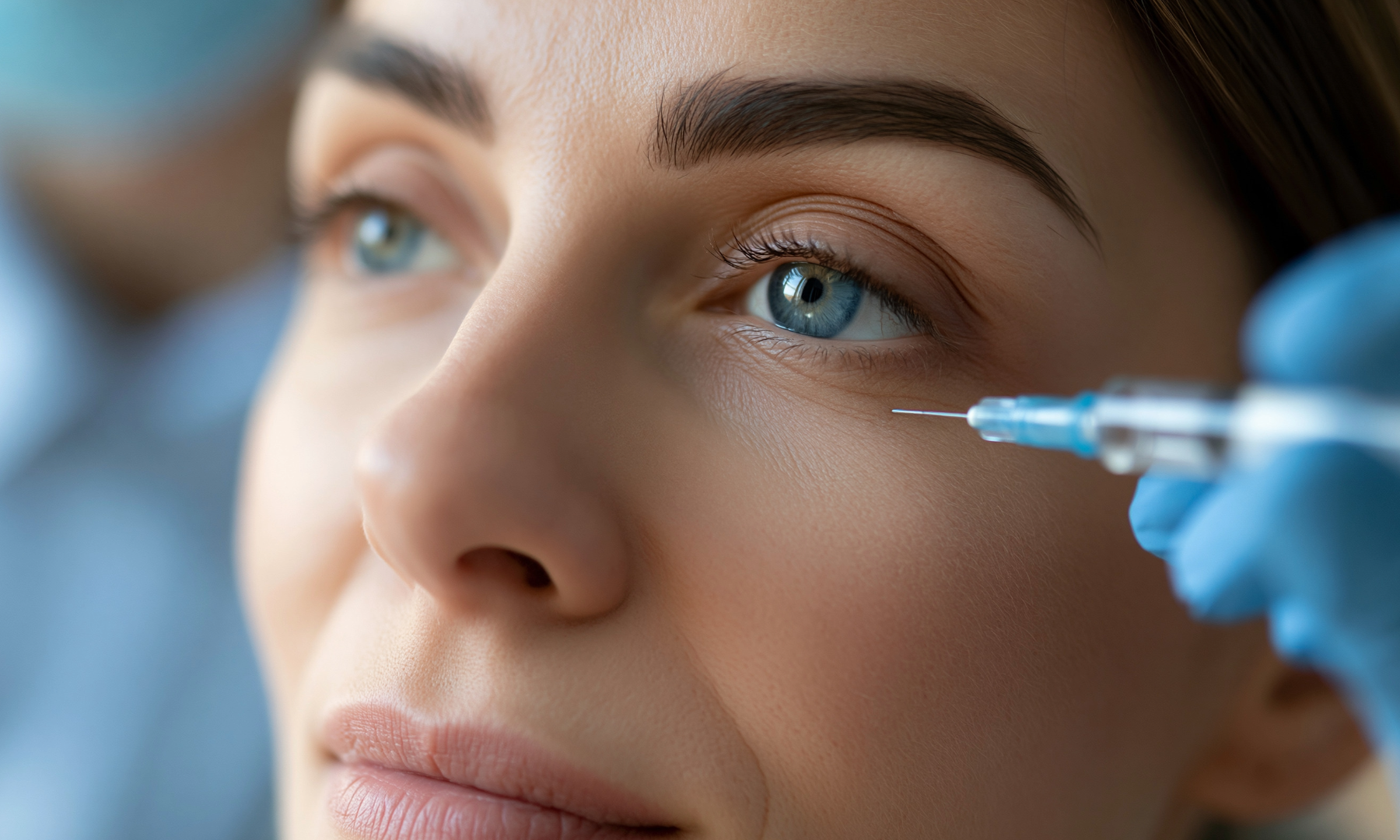
The development of the Aesthetics Journal can be traced through several key phases that mirror the growth of the industry itself:
- Early 2000s: The Formative Years. As non-surgical treatments began to gain popularity, the need for a dedicated professional forum became apparent. The journal was established to bridge the gap between general medical journals and lifestyle magazines.
- 2010–2015: Regulatory Focus. Following the Keogh Review in 2013, which highlighted the "wild west" nature of the UK aesthetics industry, the journal shifted its focus toward clinical safety and practitioner qualification.
- 2015–2019: Integration and Expansion. Under the stewardship of Easyfairs, the publication expanded its digital footprint. The introduction of webinars and interactive reports allowed for a more global reach, moving beyond the UK market to influence practitioners in Europe and North America.
- 2020–Present: The Digital Pivot. The COVID-19 pandemic accelerated the adoption of virtual learning. The Aesthetics Journal became a lifeline for practitioners during lockdowns, providing guidance on clinic safety protocols, government grants, and remote patient consultations.
Supporting Data and Market Analysis
The importance of a dedicated information hub is underscored by the rapid expansion of the aesthetics workforce. Data from the Joint Council for Cosmetic Practitioners (JCCP) and various market research firms indicate that the number of registered healthcare professionals entering the aesthetics field has grown by approximately 15% year-on-year since 2018.
Key statistics highlighting the industry’s trajectory include:
- Market Valuation: The global medical aesthetics market was valued at approximately $15.4 billion in 2023 and is projected to reach over $25 billion by 2030, representing a compound annual growth rate (CAGR) of roughly 11%.
- Educational Demand: Survey data suggests that 82% of aesthetic practitioners consider "staying updated with clinical news" as their top priority for professional development, with 65% preferring digital webinars over traditional classroom settings.
- Social Media Influence: With over 70% of patients discovering aesthetic treatments via social media, the Aesthetics Journal’s role in debunking misinformation on platforms like Instagram is vital for patient safety.
Industry Responses and Professional Standards
The medical aesthetics community has largely welcomed the structured dissemination of information provided by the Aesthetics Journal. Professional bodies, including the British College of Aesthetic Medicine (BCAM) and the British Association of Cosmetic Nurses (BACN), have frequently highlighted the importance of peer-reviewed content in maintaining high standards of care.
"In an industry where technology and techniques evolve almost monthly, having a centralized, reliable source of information is not just a luxury; it is a necessity for safe practice," noted a representative from a leading aesthetic training academy. "The integration of webinars and clinical reports allows our staff to engage with the latest evidence-based research without leaving their clinics."
Furthermore, the journal’s focus on ethical marketing and business management has been praised by clinic owners. By providing data-driven reports on patient trends and economic forecasts, the publication helps practitioners transition from purely clinical roles to successful entrepreneurs, ensuring the long-term sustainability of their businesses.

Broader Impact and Future Implications
The continued success of the Aesthetics Journal and its parent company, Easyfairs, has broader implications for the future of medical regulation. As the UK government moves toward a formal licensing scheme for non-surgical cosmetic procedures under the Health and Care Act 2022, the role of professional media in educating the workforce becomes even more critical.
The journal is expected to play a lead role in communicating the specifics of new licensing requirements, insurance mandates, and training standards. By acting as a liaison between regulatory bodies and the practitioner community, the platform helps mitigate the risks of non-compliance and ensures that patient safety remains the primary focus of the industry.
Looking ahead, the expansion into AI-driven content delivery and more personalized educational pathways appears to be the next frontier. As practitioners seek more specialized knowledge—such as regenerative medicine, polynucleotides, and advanced longevity science—the Aesthetics Journal is positioned to curate this information through its diverse media portfolio.
Conclusion: A Unified Vision for Aesthetics
The commitment of the Aesthetics Journal to providing "the most up-to-date information for the Aesthetics community" is more than a marketing slogan; it is a fundamental requirement for an industry striving for medical legitimacy and public trust. Through the strategic backing of Easyfairs, the publication has successfully navigated the transition from a traditional trade magazine to a comprehensive educational powerhouse.
By maintaining a rigorous focus on factual reporting, clinical excellence, and business intelligence, the Aesthetics Journal ensures that the practitioners of today are well-equipped to become the leaders of tomorrow. As the boundaries between health, wellness, and aesthetics continue to blur, the role of a dedicated, professional, and objective media hub will remain indispensable in safeguarding both the practitioner’s career and the patient’s wellbeing.
