
Polycystic Ovary Syndrome (PCOS) remains one of the most prevalent endocrine disorders among women of reproductive age, affecting approximately 8% to 13% of the global female population. For those navigating the complexities of this condition, dietary intervention is no longer viewed merely as a lifestyle choice but as a primary therapeutic strategy to manage symptoms ranging from insulin resistance and weight gain to hormonal imbalances and chronic fatigue. The midday meal, in particular, serves as a critical metabolic junction; a well-constructed lunch can stabilize blood glucose levels and prevent the "afternoon slump," while a poorly chosen one can exacerbate androgen production and systemic inflammation. Medical professionals and nutritional experts emphasize that for women with PCOS, the objective of lunch is twofold: maintaining satiety through high-fiber and protein-rich ingredients while simultaneously modulating the body’s hormonal response.
The Clinical Context: Why Lunch Matters for PCOS
The pathophysiology of PCOS is deeply rooted in insulin resistance, which affects up to 70% of women with the condition regardless of their Body Mass Index (BMI). When a patient consumes high-glycemic carbohydrates, the resulting insulin spike triggers the ovaries to produce excess testosterone. This biochemical chain reaction leads to common PCOS symptoms such as hirsutism, acne, and irregular menstrual cycles. Furthermore, chronic low-grade inflammation is a hallmark of the syndrome. Consequently, clinical research increasingly supports a diet focused on low-glycemic index (GI) foods, anti-inflammatory fats, and lean proteins to restore metabolic homeostasis.
A Chronology of Dietary Management in PCOS
The approach to PCOS nutrition has evolved significantly over the last two decades. In the early 2000s, dietary advice was often limited to general weight loss. However, by 2013, a landmark study published in the Iranian Journal of Reproductive Medicine demonstrated that specific nutrients, such as Omega-3 fatty acids found in fish, could directly lower testosterone levels and regulate menstrual cycles. By 2020, the focus shifted toward "gut-hormone health," emphasizing the role of the microbiome in managing insulin sensitivity. Today, the consensus among endocrinologists and dietitians involves a "whole-foods" approach that prioritizes the quality of macronutrients over simple calorie counting.
1. Grilled Salmon Caesar Salad with Avocado and Mushrooms
Salmon serves as a cornerstone of the PCOS diet due to its high concentration of Omega-3 fatty acids (EPA and DHA). Research indicates that these essential fats improve insulin sensitivity and reduce androgen levels. In this modified Caesar salad, the traditional croutons—which are high-glycemic—are replaced with nutrient-dense vegetables like mushrooms and tomatoes.
Preparation and Methodology:
The efficacy of this meal hinges on the homemade dressing, as commercial variants often contain inflammatory seed oils and hidden sugars. The dressing is prepared by emulsifying egg yolks, Dijon mustard, lemon juice, anchovies, and garlic in a food processor, gradually adding avocado oil to achieve a stable emulsion. The salmon is seasoned with garlic and thyme and grilled for approximately 10 minutes. By combining the healthy fats of the avocado with the lean protein of the salmon, the glycemic load of the entire meal remains low, preventing insulin spikes.
2. Pomegranate, Chickpea, and Broccoli Salad
Fiber is a vital component for estrogen detoxification and glucose regulation. Chickpeas provide a dual benefit of complex carbohydrates and plant-based protein. Pomegranate seeds add antioxidants, which combat the oxidative stress frequently associated with PCOS.
Methodology:
To reduce the sharp bite of red onions, they are soaked in cold water for 10 minutes. The dressing utilizes tahini and yogurt, providing a dose of calcium and probiotics. Cumin is toasted to release essential oils before being whisked into the dressing. The salad is allowed to stand for 10 minutes before serving, ensuring the flavors meld and the fiber in the broccoli begins to soften slightly, aiding digestion.
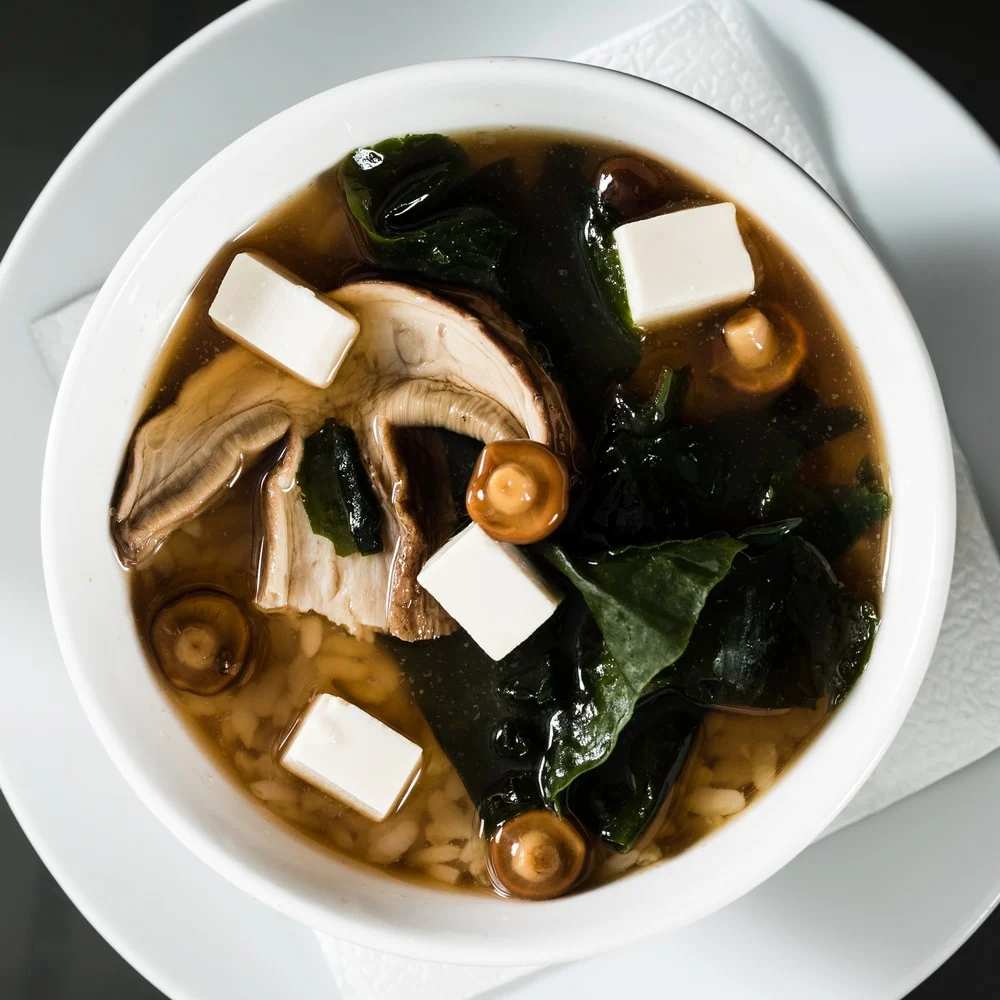
3. Avocado and Brown Rice Salmon Sushi with Miso Soup
Traditional sushi often utilizes white rice seasoned with sugar, which can be detrimental to PCOS management. Substituting brown rice increases the fiber content and provides a slower release of energy.
Preparation and Methodology:
The sushi is assembled using nori sheets, raw salmon, and avocado. For the accompanying miso soup, a vegetable broth is prepared using ginger, fennel, and root vegetables. Miso, a fermented soybean paste, is added at the end of the cooking process to preserve its probiotic integrity. Probiotics are essential for women with PCOS to maintain a healthy gut barrier, which can reduce the translocation of inflammatory markers into the bloodstream.
4. Lean Turkey Burgers with Side Salad
Turkey is an excellent source of lean protein and tryptophan, which can help stabilize mood—a significant concern for women dealing with the psychological impacts of PCOS.
Methodology:
The patties are formed using ground turkey, garlic, and herbs, then cooked to an internal temperature of 165°F. To remain PCOS-compliant, the burger should be served on a gluten-free bun or wrapped in large lettuce leaves. Avoiding refined wheat flour reduces the risk of bloating and systemic inflammation.
5. BLT with Tempeh Bacon and Avocado
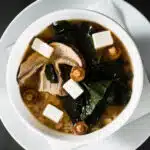
This plant-forward take on a classic sandwich introduces tempeh, a fermented soy product. Contrary to older myths, moderate soy consumption from whole sources like tempeh can be beneficial for hormonal balance due to its phytoestrogen content and high fiber.
Preparation and Methodology:
Tempeh is sliced thin and marinated in a mixture of soy sauce (or tamari), maple syrup, and liquid smoke before being pan-fried. The use of gluten-free bread, combined with the high protein content of tempeh and the healthy monounsaturated fats in avocado, creates a meal with a low glycemic response.
6. Grilled Chicken Lettuce Wraps with Mixed Greens
For those requiring a portable, low-carbohydrate option, lettuce wraps provide a versatile base for lean protein.

Methodology:
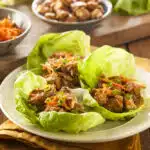
Chicken breast is marinated in olive oil and herbs for several hours to ensure tenderness before being grilled. The meat is then nestled into butter lettuce leaves and topped with Tzatziki or hummus. This meal is particularly effective for weight management as it significantly reduces the caloric density of the lunch while maintaining high satiety levels.
7. Shrimp Fried Brown Rice
Shrimp is a low-calorie protein source that provides selenium and zinc, minerals crucial for thyroid function and reproductive health.
Methodology:
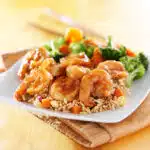
The shrimp are lightly coated in cornstarch and seared briefly. Brown rice is sautéed with green onions, peas, and carrots. By using a minimal amount of sesame oil and tamari, this dish replicates the flavor profile of takeout without the excessive sodium and MSG that can lead to water retention and inflammation in PCOS patients.

8. Baked Salmon with Sweet Potato and Asparagus
Sweet potatoes are a "slow-release" carbohydrate, providing Vitamin A and fiber without the rapid glucose surge associated with white potatoes.
Methodology:
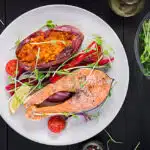
The salmon and asparagus are baked together at 375°F for 15 minutes, seasoned with lemon and olive oil. The sweet potatoes are sliced and roasted separately at 425°F until tender. This combination of protein, healthy fat, and complex carbohydrates represents the "ideal plate" for hormonal stabilization.
9. Black Bean "Tuna" Style Patties
Black beans are an exceptional source of folate, which is vital for women with PCOS, particularly those considering future fertility.
Methodology:
The beans are slightly dried in the oven to improve the texture of the patties. They are then pulsed in a food processor with sautéed onions and peppers. These patties can be baked or grilled and served with sweet potato fries. The high fiber content of the beans ensures a prolonged release of energy throughout the afternoon.
10. Sweet Potato, Quinoa, and Bean Burgers
Quinoa is a pseudo-cereal that contains all nine essential amino acids, making it a rare complete plant-based protein.
Methodology:
Mashed sweet potatoes and black beans are combined with cooked quinoa and seasoned with rosemary and chili flakes. These burgers are an excellent candidate for "meal prepping," as they maintain their structural integrity when reheated, providing a reliable lunch option for the workweek.
11. Pan-Seared Salmon Spring Rolls
Rice paper wraps offer a lighter alternative to traditional flour-based wraps, and when filled with salmon, they provide a boost of Omega-3s.
Methodology:
Rice paper sheets are briefly hydrated and filled with fresh coriander and salmon. The rolls are pan-fried in a small amount of oil until the exterior is crisp. This preparation provides a satisfying texture contrast while keeping the ingredient list clean and allergen-friendly.
12. Cilantro Lime Shrimp Skewers with Cauliflower Rice
Cauliflower rice has become a staple in the PCOS community as a direct replacement for high-carb grains, offering a significant reduction in both calories and carbohydrates.
Methodology:
Shrimp are marinated in a vibrant mixture of lime zest, cilantro, and garlic. While the shrimp grill, fresh cauliflower is grated or processed into "rice" and sautéed with olive oil for 8 minutes. This meal is exceptionally high in Vitamin C and antioxidants, supporting the immune system and reducing oxidative stress.
Expert Analysis and Broader Implications
The transition toward these dietary patterns has broader implications for long-term health. Women with PCOS face a significantly higher risk of developing Type 2 diabetes and cardiovascular disease later in life. By adopting a lunch routine centered on these 12 ideas, patients are not merely managing daily symptoms; they are engaging in a form of preventative medicine.
Statistical data suggests that dietary adherence is the greatest challenge in PCOS management. However, when meals are varied and flavorful—as seen in these recipes—adherence rates improve. Nutritional experts suggest that "crowding out" unhealthy options with these nutrient-dense alternatives is more effective than restrictive dieting. Furthermore, the inclusion of both plant-based and animal proteins allows for a flexible approach that can be tailored to individual ethical or digestive preferences.
In conclusion, the management of Polycystic Ovary Syndrome through nutrition is a dynamic and evidence-based field. These 12 lunch ideas represent the intersection of culinary enjoyment and clinical necessity. By focusing on the quality of fats, the complexity of carbohydrates, and the consistency of protein intake, women with PCOS can successfully navigate their hormonal challenges, maintaining high energy levels and long-term metabolic health. The integration of such dietary habits is a powerful tool in the arsenal of women’s health, offering a path toward hormonal balance and improved quality of life.
