
The medical aesthetics sector is currently navigating a period of unprecedented transformation, characterized by rapid technological advancements, shifting regulatory landscapes, and an evolving demographic of both practitioners and patients. At the heart of this professional ecosystem, the Aesthetics Journal, supported by the global events powerhouse Easyfairs, has established itself as the primary conduit for clinical education, industry news, and professional networking. By leveraging a multi-platform approach that includes digital media, webinars, comprehensive reports, and print journalism, the publication serves as a critical resource for practitioners seeking to maintain high standards of patient safety and clinical excellence in a multibillion-dollar global market.
The Strategic Role of Specialized Media in Medical Aesthetics
The aesthetics industry is no longer a niche segment of elective medicine; it has matured into a sophisticated discipline requiring rigorous continuous professional development (CPD). The Aesthetics Journal provides the essential framework for this development, offering a centralized hub for news and clinical updates. The integration of various media formats—ranging from real-time news alerts to deep-dive investigative reports—reflects the modern practitioner’s need for accessible yet authoritative information.
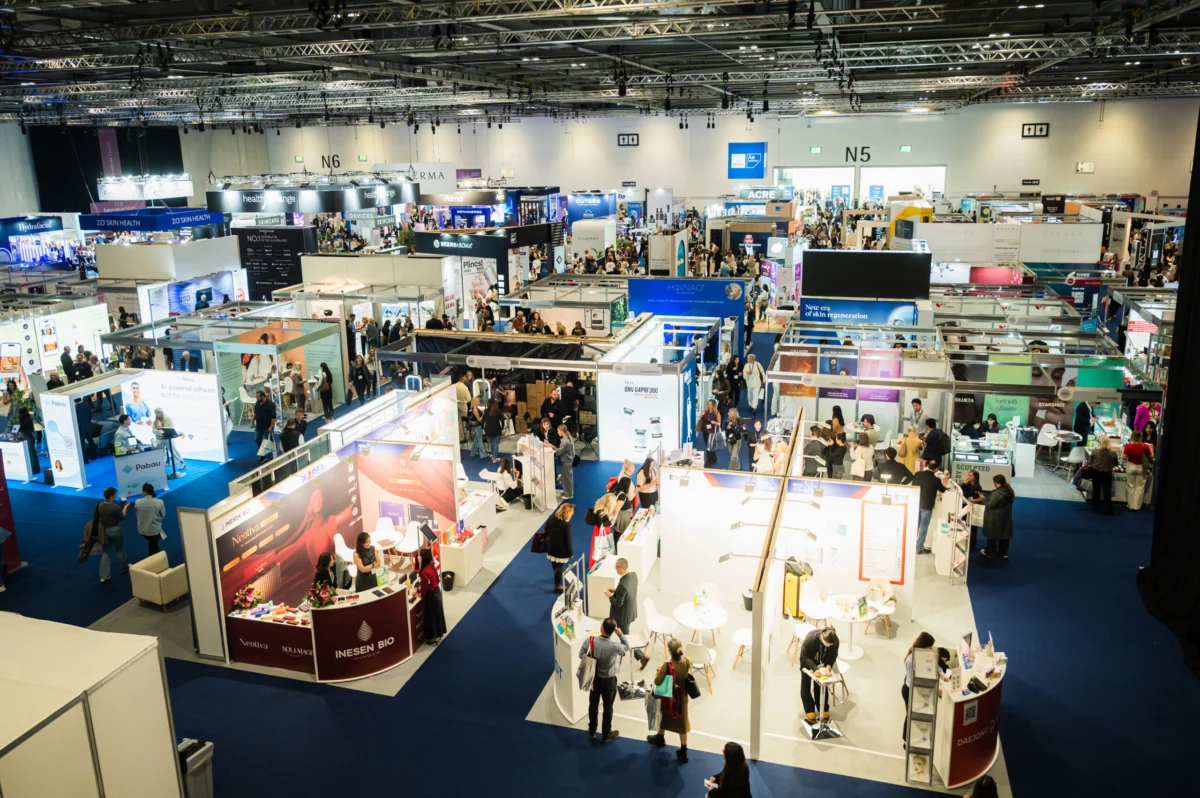
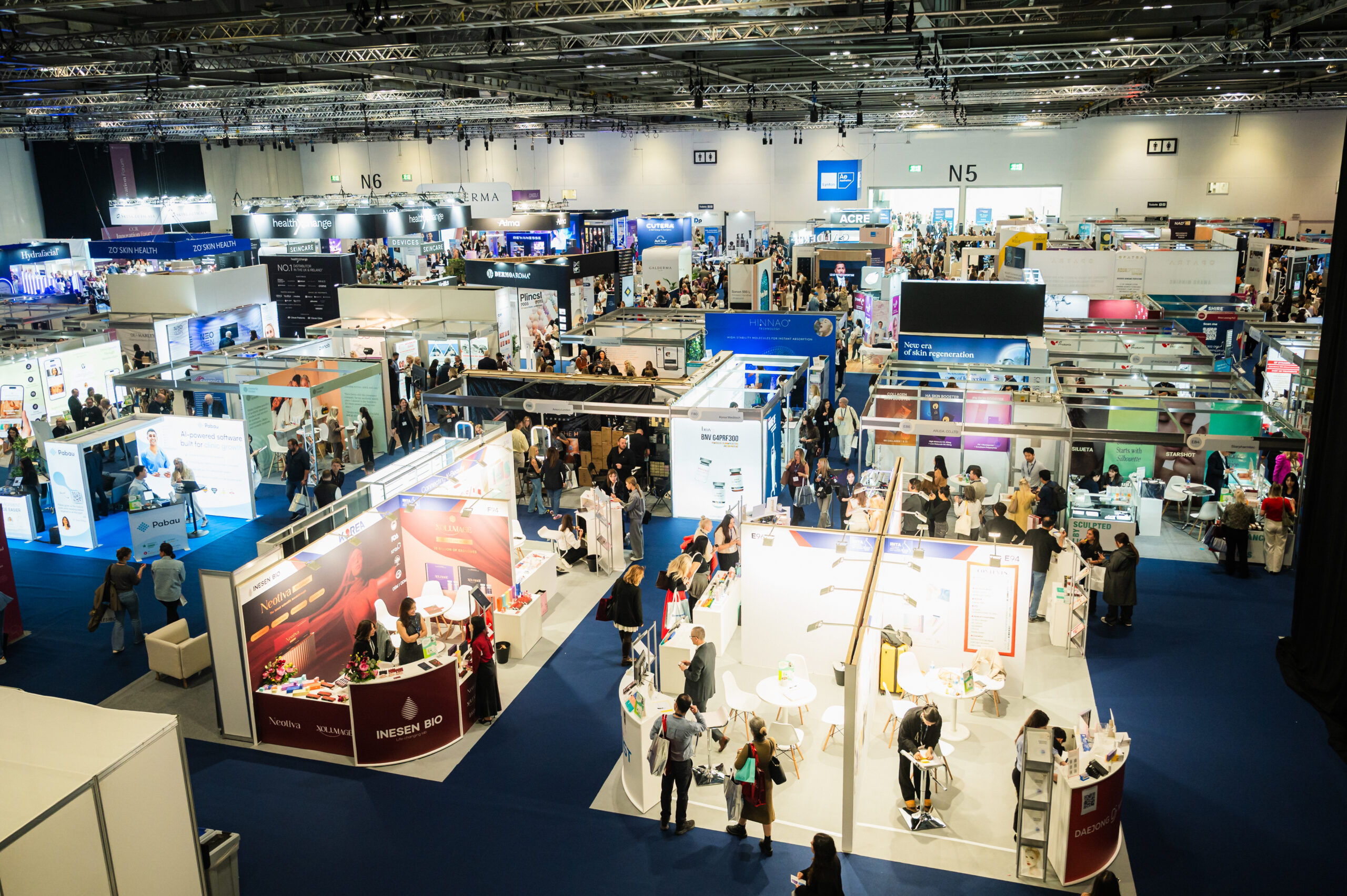
Central to this information delivery is the partnership with Easyfairs, an international company renowned for organizing professional events that facilitate trade and education. In the United Kingdom, this synergy is most visible through flagship events such as the Aesthetics Conference & Exhibition (ACE) and Clinical Cosmetic & Reconstructive (CCR). These events, supported by the journal’s editorial expertise, create a feedback loop where physical exhibitions inform digital content, and digital trends dictate the focus of live educational seminars.
A Chronology of Industry Evolution and Media Adaptation
The trajectory of the Aesthetics Journal and its role within the community can be traced through the broader evolution of the UK and global aesthetics markets.
In the early 2000s, the aesthetics field was largely fragmented, with information shared primarily through word-of-mouth or general dermatological journals. As the popularity of non-surgical interventions, such as botulinum toxin and hyaluronic acid fillers, began to surge, the need for a dedicated, peer-reviewed publication became evident.
By the mid-2010s, the rise of social media platforms like Instagram and Facebook transformed how aesthetic results were marketed to the public. This era necessitated a shift in professional media to include guidance on ethical marketing and digital professionalism. The Aesthetics Journal adapted by strengthening its social media presence, providing a professional counter-narrative to the often-unregulated consumer-facing content found on these platforms.
In 2022 and 2023, the industry faced a significant turning point with the introduction of the Health and Care Act 2022 in the UK, which gave the Secretary of State the power to introduce a licensing scheme for non-surgical cosmetic procedures. Throughout this period, the journal acted as a vital educational bridge, interpreting complex legal shifts for practitioners and hosting webinars that allowed for direct engagement with policy influencers and regulatory bodies.
Market Data and the Economic Impact of Aesthetic Education
The demand for high-quality information is driven by the sheer scale of the aesthetics market. According to recent industry analyses, the global medical aesthetics market was valued at approximately USD 15.4 billion in 2023 and is projected to expand at a compound annual growth rate (CAGR) of 11% through 2030. This growth is fueled by an increasing acceptance of aesthetic procedures among younger demographics (Generation Z and Millennials) and the development of regenerative medicine, such as polynucleotides and exosomes.
In the United Kingdom, the "injectables" market alone is estimated to be worth over £3 billion. With such significant financial stakes, the role of a professional journal extends beyond education into the realm of risk management. By providing evidence-based reports and clinical studies, the Aesthetics Journal assists practitioners in mitigating complications, which in turn protects the economic stability of the industry by maintaining public trust.
Data from practitioner surveys indicate that over 85% of medical aesthetic professionals rely on specialized journals and webinars to stay updated on new product launches and safety protocols. The transition to digital-first content, including webinars and interactive reports, has seen a 40% increase in engagement over the last three fiscal years, highlighting a shift toward on-demand professional learning.
Multi-Platform Engagement and Professional Networking
The modern aesthetic practitioner operates in a highly connected environment. The Aesthetics Journal’s presence on Instagram, LinkedIn, and Facebook is not merely for promotional purposes but serves as a professional forum for peer-to-peer interaction.
- LinkedIn: This platform is utilized for high-level industry networking, connecting clinic owners with manufacturers and distributors. It serves as a repository for white papers and corporate announcements from Easyfairs and other stakeholders.
- Instagram: Given the visual nature of the specialty, Instagram is used to showcase clinical results, share "top tips" for injection techniques, and provide behind-the-scenes access to major conferences.
- Webinars and Digital Reports: These tools address the need for deep-dive education that social media cannot provide. Webinars allow for real-time Q&A sessions with global experts, democratizing access to top-tier education for practitioners who may not be able to travel to international circuits.
Official Perspectives and Industry Reactions
While official statements from the editorial board emphasize the "commitment to excellence and safety," the broader industry reaction to the journal’s comprehensive media strategy has been largely positive. Leading professional bodies, such as the British College of Aesthetic Medicine (BCAM) and the British Association of Cosmetic Nurses (BACN), have frequently collaborated with the publication to disseminate safety standards.
Industry analysts suggest that the backing of Easyfairs provides the journal with a level of financial and logistical stability that is rare in specialized publishing. A spokesperson for the events industry noted, "The integration of a leading journal with a major events organizer like Easyfairs creates a 365-day engagement model. It isn’t just about a two-day conference once a year; it is about a continuous stream of information that keeps the community bonded."

Furthermore, practitioners have noted that the availability of comprehensive reports on market trends allows them to make informed decisions regarding capital expenditure, such as investing in new laser technologies or stocking specific brands of dermal fillers.
Analysis of Broader Implications for Patient Safety
The ultimate beneficiary of an informed aesthetics community is the patient. The proliferation of "cowboy injectors" and unregulated training courses has posed a significant threat to public health. In this context, the Aesthetics Journal serves as a gatekeeper of verified information.
By focusing on "the Journal" as a primary source of peer-reviewed content, the publication ensures that clinical claims are scrutinized before they reach the practitioner. This is particularly important in an era of "biostimulators" and "regenerative aesthetics," where the science is complex and the potential for misinformation is high.
The emphasis on webinars and reports also ensures that practitioners are aware of the latest "reversal" protocols for complications like vascular occlusions. This focus on the "dark side" of aesthetics—managing what goes wrong—is what distinguishes a professional publication from a lifestyle magazine.
Future Outlook: The Intersection of Technology and Education
Looking ahead, the partnership between the Aesthetics Journal and Easyfairs is expected to lean more heavily into artificial intelligence (AI) and data analytics to personalize the educational experience. As the aesthetics field moves toward personalized medicine and genomic-based skincare, the media supporting the industry must also evolve.
The continued expansion of the "Easyfairs" ecosystem suggests that more localized events may be on the horizon, supported by the journal’s digital infrastructure. There is also a growing trend toward "hybrid" education, where practitioners consume theoretical knowledge via the journal’s webinars and reports before attending "hands-on" training sessions at Easyfairs-organized events.
In conclusion, the Aesthetics Journal, through its diverse media offerings and its strategic alliance with Easyfairs, provides the scaffolding upon which the UK aesthetics industry is built. By prioritizing factual reporting, clinical rigor, and professional connectivity, it ensures that as the market grows, it does so with a foundation of safety and informed practice. The integration of news, social media, and long-form reports creates a robust environment where practitioners can thrive, ultimately leading to better outcomes for patients and a more professionalized industry at large.
