

Polycystic Ovary Syndrome (PCOS) is traditionally characterized in clinical settings by reproductive irregularities and hormonal imbalances, yet a growing body of medical evidence highlights a systemic inflammatory component that manifests as debilitating joint pain. While the condition is primarily known for causing irregular menstrual cycles, hirsutism, and infertility, many patients experience a secondary tier of symptoms including swollen joints, stiffness, and chronic aching. This phenomenon is rooted in low-grade systemic inflammation, a condition where the body’s immune system remains in a state of constant, low-level activation. If left unmanaged, this inflammatory response can lead to long-term musculoskeletal degradation and a significant decrease in the quality of life for the millions of women affected by the syndrome globally.
The Pathophysiology of PCOS-Related Inflammation
To understand why PCOS triggers joint pain, medical researchers point toward the mechanism of chronic low-grade inflammation. In a healthy biological response, inflammation is a localized, temporary reaction to injury or infection. When the body detects a threat, white blood cells release chemicals into the bloodstream or affected tissues to increase blood flow, resulting in redness and warmth. However, in women with PCOS, this process is frequently triggered without an external injury, causing the immune system to react against its own healthy tissues.

The primary biomarker for this systemic issue is C-reactive protein (CRP). Clinical studies have consistently demonstrated that women diagnosed with PCOS exhibit significantly elevated levels of CRP compared to those without the condition. High CRP levels are not merely markers of inflammation but are also closely linked to several metabolic complications prevalent in the PCOS population, including glucose intolerance, insulin resistance, and an increased risk of cardiovascular disease. The correlation between obesity—a common co-morbidity of PCOS—and joint pain further complicates the clinical picture, as excess weight places additional mechanical stress on weight-bearing joints such as the knees and hips, while adipose tissue itself secretes pro-inflammatory cytokines.
The Connection to Autoimmune Disorders and Rheumatoid Arthritis
One of the most concerning implications of chronic inflammation in PCOS is the heightened risk of developing Rheumatoid Arthritis (RA). RA is a chronic autoimmune disorder that primarily targets the lining of the joints, leading to painful swelling that can eventually result in bone erosion and joint deformity. Unlike osteoarthritis, which is caused by wear and tear, RA is driven by the immune system’s failure to distinguish between self and non-self cells.
Research indicates a "snowball effect" between these two conditions. Women with irregular menstruation patterns or those who experience early menopause—both of which are associated with PCOS—are statistically more likely to develop RA. The link appears to be mediated by insulin resistance. When the body becomes resistant to insulin, it often compensates by producing higher levels of testosterone. This hormonal shift can exacerbate the inflammatory markers that trigger RA. Once RA is established, the resulting inflammation can, in turn, worsen the metabolic symptoms of PCOS, creating a difficult-to-break cycle of hormonal and physical distress.

Diagnostic Challenges and the Invisible Nature of Pain
A significant hurdle for patients is the "invisible" nature of inflammatory pain. While acute inflammation might present as visible redness or swelling, chronic low-grade inflammation often lacks external markers. Patients may report persistent fatigue, frequent headaches, or generalized "brain fog" alongside their joint pain, leading to misdiagnosis or the dismissal of symptoms by healthcare providers.
Diagnostic protocols typically require a multi-faceted approach. Beyond physical examinations, physicians utilize blood tests to measure CRP levels and erythrocyte sedimentation rates (ESR) to gauge the level of inflammatory activity in the body. In cases where internal organ involvement or significant joint damage is suspected, X-rays, CAT scans, or MRIs are employed to visualize the extent of the inflammation. Medical experts emphasize that patients should not suffer in silence; a formal diagnosis is essential for accessing targeted therapies that can prevent permanent joint damage.
Nutritional Strategies for Inflammatory Management
The cornerstone of managing PCOS-related joint pain lies in dietary intervention, specifically focusing on the relationship between insulin production and the inflammatory response. Because insulin resistance is a primary driver of PCOS, nutritionists recommend a dual-pronged approach: a low-glycemic index (GI) diet combined with anti-inflammatory food groups.

A low-GI diet focuses on carbohydrates that are digested slowly, providing a steady release of glucose into the bloodstream and preventing the insulin spikes that trigger androgen production and inflammation. Recommended foods include whole grains, legumes, and non-starchy vegetables. Conversely, high-GI foods—such as processed sugars, white bread, and sweetened beverages—cause rapid blood sugar fluctuations that have been shown to exacerbate joint stiffness and pain.
Complementing this is the integration of anti-inflammatory "superfoods." Clinical research from institutions such as Harvard Medical School suggests that a diet rich in tomatoes, olive oil, leafy greens, and fatty fish can actively lower inflammatory markers. Fruits such as blueberries, cherries, and oranges are high in natural antioxidants, which neutralize free radicals that contribute to tissue damage. Furthermore, the inclusion of turmeric, which contains the bioactive compound curcumin, has been shown in various trials to be as effective as some over-the-counter anti-inflammatory medications for reducing joint swelling.
The Role of Supplementation and Omega-3 Fatty Acids
In addition to whole foods, targeted supplementation has become a standard recommendation for PCOS management. Omega-3 fatty acids, primarily found in fish oil, are particularly effective. These essential fats work at a molecular level to inhibit the production of substances that cause inflammation.

Studies have shown that Omega-3 supplementation not only helps in lowering testosterone levels in women with PCOS but also specifically reduces CRP levels. The secondary benefits of Omega-3s—such as improving heart health, supporting mental well-being, and regulating menstrual cycles—make them a vital component of a holistic treatment plan. By reducing the systemic inflammatory load, these supplements can significantly decrease the frequency and intensity of joint "flares."
Physical Activity and Endorphin Production
While joint pain can make movement difficult, gentle aerobic exercise is considered essential for long-term relief. Physical activity serves two main purposes in this context: weight management and natural pain relief. By maintaining a healthy weight, patients reduce the physical pressure on their joints, thereby decreasing mechanical inflammation.
Furthermore, exercise triggers the release of endorphins, the body’s natural painkillers. These chemicals interact with receptors in the brain to reduce the perception of pain and improve mood, which is often affected by chronic illness. Experts recommend low-impact activities such as swimming, cycling, or walking. These exercises provide the cardiovascular benefits of aerobic activity without the high-impact stress that running or jumping might place on already sensitive joints.
Pharmacological and Environmental Interventions
For immediate relief of acute pain, Non-Steroidal Anti-Inflammatory Drugs (NSAIDs) remain the first line of pharmacological defense. Drugs such as ibuprofen work by inhibiting the enzyme cyclooxygenase (COX), which in turn reduces the production of prostaglandins—the chemicals responsible for pain and swelling. However, doctors warn against over-reliance on NSAIDs due to potential gastrointestinal and renal side effects, suggesting they be used as a bridge while lifestyle changes take effect.
Environmental factors also play a critical role, particularly in the era of remote work. Poor ergonomics can aggravate pre-existing joint issues in women with PCOS. Using furniture that does not support the musculoskeletal system can lead to "static loading," where muscles and joints are strained by remaining in one position for too long. Health professionals advocate for the use of ergonomic chairs, standing desks, and the implementation of regular "movement breaks" to prevent joints from seizing.
Therapeutic Modalities: Heat, Cold, and Massage
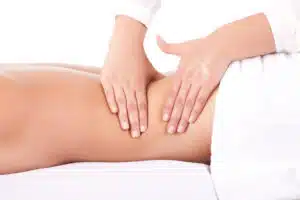
Physical therapies such as massage and thermal treatments provide non-invasive options for symptom management. Massage therapy by a licensed professional can increase blood flow to affected areas and reduce levels of arginine-vasopressin, a hormone linked to high blood pressure and certain inflammatory cytokines. The psychological benefit of massage—increasing serotonin and reducing cortisol—also helps in managing the stress that often exacerbates PCOS symptoms.

At home, alternating between heat and cold therapy is a proven method for managing localized pain. Heat therapy, such as hot water bottles or warm baths, encourages blood flow and relaxes tightened muscles. Cold therapy, using ice packs, is more effective for acute swelling as it constricts blood vessels and numbs the area. Alternating these treatments can provide a comprehensive approach to managing the daily fluctuations of joint discomfort.
Broader Implications and Future Outlook
The recognition of joint pain as a core symptom of PCOS marks a shift in how the medical community views the syndrome—from a localized reproductive issue to a systemic metabolic disorder. This broader understanding is crucial for the development of future treatments. As research continues to explore the links between hormonal health and the immune system, there is hope for more targeted biological therapies that can address inflammation at its source.
The economic impact of unmanaged PCOS is also significant, involving lost productivity and increased healthcare costs due to complications like diabetes and arthritis. By prioritizing early intervention through diet, exercise, and inflammatory management, healthcare systems can reduce the long-term burden of the disease. For the individual, these holistic changes offer more than just pain relief; they provide a pathway to reclaiming physical agency and improving overall longevity.
