
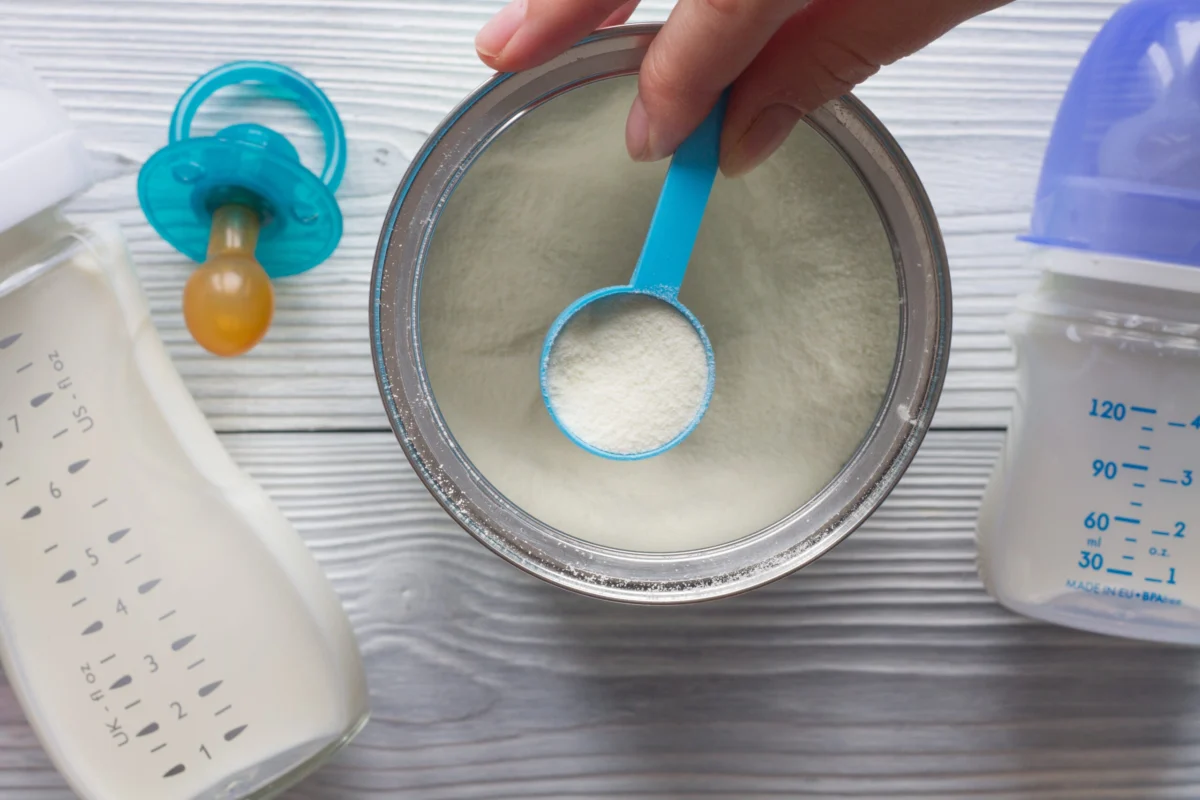
The widespread and alarming infant formula shortages that have plagued the United States over the past two years are a stark reminder of the fragility of our supply chains and the critical importance of ensuring access to essential nutrition for our youngest citizens. These shortages, largely exacerbated by pandemic-related disruptions, have cast a shadow of anxiety over countless families, forcing them to confront the difficult reality of not being able to provide for their infants’ fundamental dietary needs. While breastfeeding is widely recognized and encouraged as the optimal form of infant nutrition, it is not universally feasible. Many mothers face significant barriers, including the demands of returning to work, insufficient access to lactation support systems, or personal health challenges. Furthermore, a subset of infants requires specialized formulas due to allergies, metabolic or gastrointestinal disorders, or disabilities that preclude or complicate breastfeeding, making the availability of formula a non-negotiable necessity.
The Unfolding Crisis: A Chronology of Shortages
The roots of the recent infant formula crisis can be traced back to a confluence of factors that began to manifest with increasing severity in late 2021 and early 2022. The COVID-19 pandemic had already strained global supply chains, leading to shortages of various consumer goods. This pre-existing vulnerability was amplified by a critical event in February 2022: the voluntary recall and subsequent shutdown of a major Abbott Nutrition manufacturing facility in Sturgis, Michigan, following reports of bacterial contamination, including Cronobacter sakazakii, a pathogen that can cause severe illness or death in infants. This single facility was a significant producer of a substantial portion of the U.S. infant formula market, particularly specialized formulas catering to infants with complex medical needs.
The recall sent immediate shockwaves through the system. Retailers began to see shelves empty rapidly, and parents, already navigating the anxieties of a global health crisis, were thrust into a desperate search for formula. By May 2022, the situation had escalated into a national emergency. Data from retail analytics firms painted a grim picture: out-of-stock rates for infant formula in the U.S. surged dramatically. For instance, data from Datasembly, which tracks product availability at thousands of U.S. retailers, indicated that by early May 2022, out-of-stock rates had reached a staggering 43% nationwide. In some states, this figure was even higher, with North Carolina, for example, experiencing out-of-stock rates exceeding 50%.
This acute shortage disproportionately affected vulnerable populations. Families reliant on government assistance programs like the Special Supplemental Nutrition Program for Women, Infants, and Children (WIC) faced particular challenges. WIC often restricts the brands and types of formula that can be purchased, and the shutdown of the Abbott facility significantly impacted the availability of these authorized products. This meant that many low-income families, who rely heavily on WIC, found themselves with even fewer options, exacerbating existing inequities.
Underlying Vulnerabilities Exposed
The crisis highlighted several critical vulnerabilities within the U.S. infant formula market. Firstly, the heavy reliance on a limited number of large manufacturers created a systemic risk. When one major player experienced operational difficulties, the entire market was severely impacted. The U.S. infant formula market is highly concentrated, with a few dominant companies controlling the vast majority of production. This concentration, while potentially offering economies of scale, also limits redundancy and resilience in the face of disruptions.
Secondly, the regulatory landscape, while designed to ensure safety, also presented challenges to rapid market adjustments. The stringent approval processes for new infant formula products, designed to protect infant health, could also slow down the ability of other manufacturers to ramp up production or introduce new product lines to fill gaps. The reliance on imported formulas, while a potential source of supply, was also hampered by trade regulations, tariffs, and the logistical complexities of international shipping, especially during a period of global supply chain strain.
Government and Industry Responses: A Race Against Time
The escalating crisis prompted a multifaceted response from both the government and the infant formula industry. The Biden-Harris administration declared the shortage a top priority, initiating "Operation Fly Formula" in May 2022. This initiative aimed to expedite the importation of infant formula from other countries. The U.S. Food and Drug Administration (FDA) played a crucial role, working to streamline regulatory pathways for imported formulas that met U.S. safety standards. This included invoking emergency use authorizations and temporarily easing certain import regulations to allow foreign-manufactured formulas to enter the U.S. market.
Under Operation Fly Formula, the federal government coordinated with manufacturers and commercial partners to airlift millions of pounds of formula from countries such as Germany, Switzerland, and Australia. These shipments included specialized formulas for infants with allergies and metabolic conditions, offering a lifeline to families struggling to find appropriate nutrition. The FDA also engaged with domestic manufacturers to encourage them to prioritize production of in-demand formulas and to address any production bottlenecks.
In parallel, Abbott Nutrition, the company at the center of the initial recall, worked to reopen its Sturgis facility. However, this process was complex, involving rigorous safety inspections and quality control measures mandated by the FDA to ensure the facility could operate safely and produce formula free from contamination. The facility’s eventual reopening, though a significant step, did not immediately resolve all shortages, as it takes time to ramp up production and replenish depleted inventories across the country.
What Families Can Do Now (and What They Should Avoid)
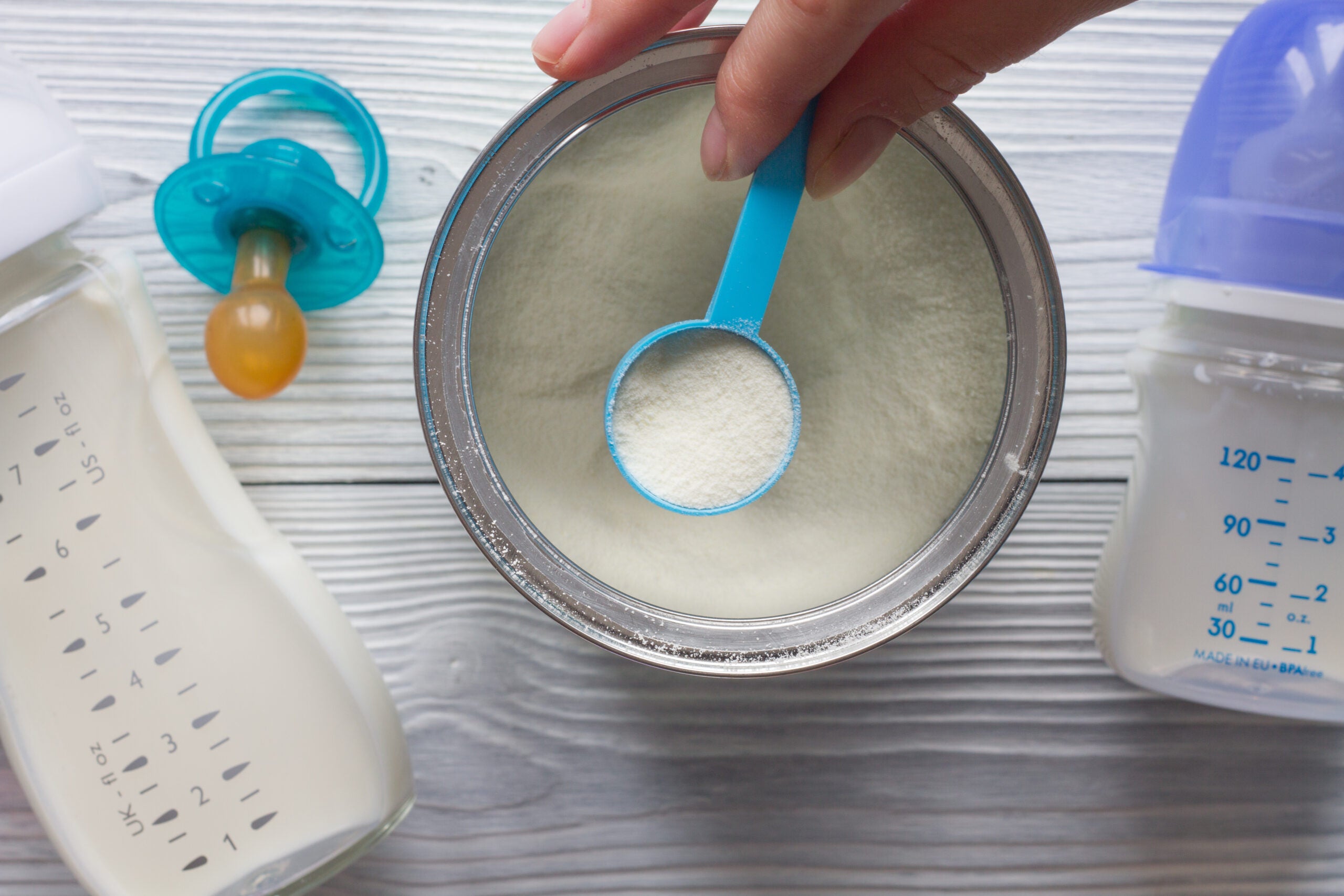
During the height of the shortage, desperate parents sought solutions, leading to both helpful advice and potentially dangerous practices. Health authorities and pediatric organizations provided guidance to help families navigate the crisis safely.
Recommended Actions:
- Consult with Healthcare Providers: The most crucial advice for parents was to consult with their pediatrician or healthcare provider immediately if they were struggling to find formula. Healthcare professionals could offer personalized guidance, suggest alternative formulas that might be appropriate, or connect families with local resources and support networks.
- Check Reputable Retailers Regularly: While shelves were often bare, consistent checking of local pharmacies, supermarkets, and online retailers could yield results, as inventory replenished at different times.
- Explore Larger Retail Chains: Larger chain stores often had more robust inventory management and could potentially have a wider selection, even if localized shortages persisted.
- Consider Reputable Online Retailers: Trusted online pharmacies and retailers could be an alternative source, though shipping times and availability varied.
- Connect with WIC Offices: For families enrolled in WIC, their local WIC agency was a vital resource for understanding available options and finding authorized formula brands.
- Seek Community Support: Local parent groups, social media communities, and charitable organizations often shared information about formula availability and sometimes facilitated formula sharing among families.
Actions to Avoid:
- Diluting Formula: Watering down formula to make it last longer is extremely dangerous. It reduces the caloric and nutrient content, potentially leading to malnutrition and developmental issues in infants.
- Making Homemade Formula: Homemade infant formulas are not recommended by any major health organization. They can lack essential nutrients, contain harmful bacteria, or have incorrect nutrient ratios, posing severe health risks to infants.
- Using Cow’s Milk or Other Animal Milks for Infants Under One Year: Unless specifically advised by a pediatrician for certain medical conditions, cow’s milk and other animal milks are not suitable as a primary source of nutrition for infants under 12 months old. They lack the appropriate balance of nutrients and can be difficult for infants to digest.
- Buying Formula from Unverified Sources: Purchasing formula from unofficial online marketplaces, individuals selling on social media, or overseas without proper FDA clearance can expose infants to counterfeit, expired, or contaminated products.
- Stockpiling Excess Formula: While understandable given the anxiety, excessive stockpiling by some families contributed to emptying shelves faster, further exacerbating the problem for others. A balanced approach to purchasing what is immediately needed was encouraged.
Future Directions: Building Resilience and Preventing Recurrence
The infant formula crisis served as a wake-up call, underscoring the urgent need for systemic changes to prevent such severe shortages from occurring again. An article published in the American Journal of Clinical Nutrition outlined key action steps and policy recommendations aimed at bolstering the U.S. infant formula supply chain and enhancing its resilience. These recommendations fall into several critical categories:
1. Diversifying the Manufacturing Base: Reducing the reliance on a small number of domestic manufacturers is paramount. This involves exploring incentives for new entrants into the market, supporting smaller manufacturers, and potentially investing in domestic production capabilities for specialized formulas. Encouraging innovation and the development of novel manufacturing processes could also contribute to a more robust supply.
2. Strengthening Regulatory Frameworks for Importation: While Operation Fly Formula demonstrated the utility of expedited importation, more sustainable and predictable pathways are needed. This includes establishing clearer guidelines and pre-approved lists of foreign manufacturers that meet U.S. safety and quality standards. Streamlining import processes while maintaining stringent safety oversight can ensure a more consistent supply of diverse formula options.
3. Enhancing Supply Chain Transparency and Data Collection: A more comprehensive understanding of the infant formula supply chain is crucial. This involves improving data collection on production volumes, inventory levels, and out-of-stock rates across the entire distribution network. Real-time data can help identify potential disruptions early and enable faster, more targeted interventions.
4. Revisiting WIC Program Regulations: The WIC program, while vital for supporting low-income families, has contributed to market concentration through its sole-source contracting model, which often awards contracts to the lowest bidder for specific brands. Re-evaluating these regulations to allow for greater flexibility, potentially incorporating multiple suppliers or encouraging broader competition, could enhance the availability of formula for WIC participants. The goal is to ensure that WIC families have access to the formula they need without being overly restricted by brand-specific contracts that can become vulnerable during shortages.
5. Investing in Domestic Manufacturing Capacity: While encouraging new entrants is important, strengthening the capacity of existing domestic manufacturers is also critical. This could involve government grants or loan programs to upgrade facilities, invest in advanced manufacturing technologies, and build redundancy into production lines to withstand unforeseen events.
6. Promoting Breastfeeding Support and Education: While formula is essential for many, continued investment in robust breastfeeding support programs, including access to lactation consultants and community-based support networks, remains a cornerstone of infant nutrition policy. Empowering mothers with the knowledge and resources to breastfeed, where feasible, can reduce the overall demand for formula and contribute to infant health.
The infant formula crisis of 2022 was a painful but valuable lesson. By implementing comprehensive policy changes, fostering greater industry collaboration, and prioritizing the nutritional needs of infants, the United States can build a more resilient system that safeguards against future shortages and ensures that all families have access to the essential nutrition their babies require. The health and well-being of the nation’s youngest generation depend on it.
