
Polycystic Ovary Syndrome (PCOS) affects an estimated 6 to 12 percent of reproductive-aged women globally, making it one of the most common endocrine disorders. Characterized by hormonal imbalances, metabolic dysfunction, and insulin resistance, the syndrome often presents significant management challenges for those diagnosed. Among the myriad dietary interventions explored by clinicians and patients alike, the ketogenic diet has emerged as a subject of substantial medical and nutritional interest. By drastically reducing carbohydrate intake and substituting high-fat, moderate-protein alternatives, the ketogenic diet seeks to fundamentally alter energy metabolism, offering potential benefits for insulin regulation, weight management, and hormonal stabilization.
Defining the Ketogenic Mechanism and Metabolic Impact
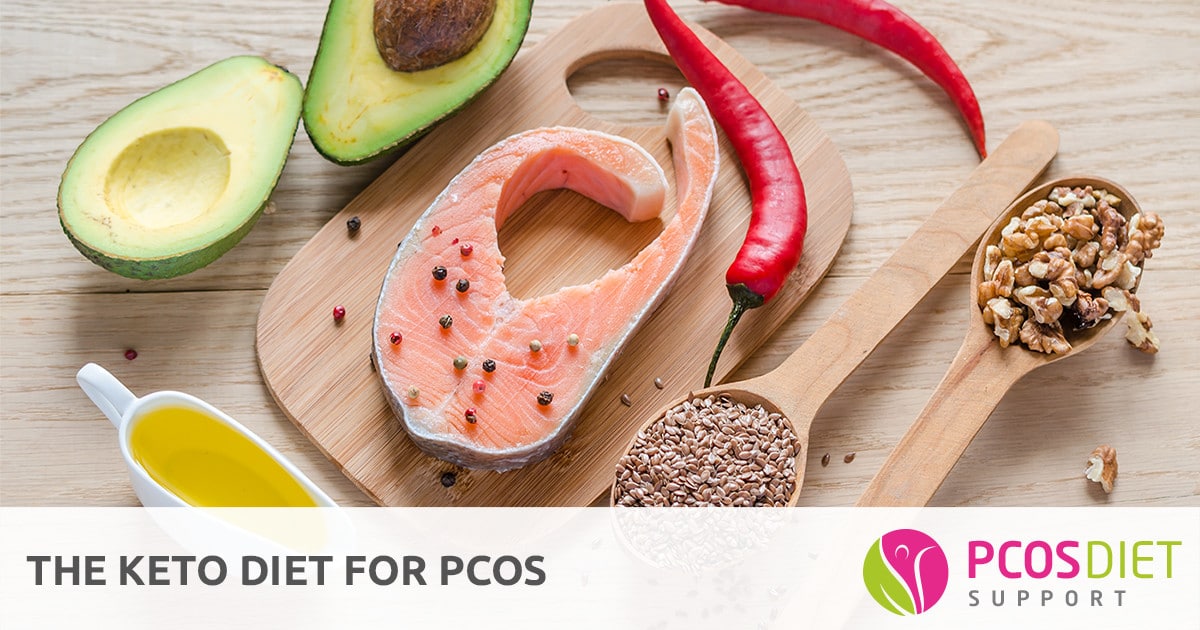
To understand the therapeutic potential of the ketogenic diet in managing PCOS, one must first examine its underlying biochemical mechanisms. A standard ketogenic diet typically restricts carbohydrate intake to roughly 20 to 50 grams per day, significantly reducing the body’s reliance on glucose as its primary fuel source. In the absence of dietary carbohydrates, the liver converts stored and dietary fats into ketone bodies—specifically beta-hydroxybutyrate, acetoacetate, and acetone—shifting the body into a metabolic state known as ketosis.
From an endocrinological perspective, this metabolic shift has direct implications for individuals with PCOS. A hallmark feature of the syndrome is hyperinsulinemia, or chronically elevated levels of circulating insulin. High insulin concentrations stimulate the ovaries to produce excessive amounts of androgens, such as testosterone, which in turn exacerbate clinical symptoms like hirsutism, acne, and ovulatory dysfunction. By drastically reducing carbohydrate consumption, the ketogenic diet causes a corresponding drop in systemic insulin demand.
Medical literature frequently utilizes the analogy of domestic energy storage to explain this process: easily accessible glucose stores function similarly to a kitchen refrigerator, providing immediate fuel that is easily replenished by dietary intake. Conversely, adipose tissue functions as a deep-freeze unit, representing long-term energy reserves that are difficult to access under a high-carbohydrate paradigm. Because modern high-carbohydrate diets keep the "refrigerator" perpetually stocked, the body rarely needs to mobilize stored fat. By restricting carbohydrates, the ketogenic diet depletes these readily available glucose stores, forcing the metabolic machinery to unlock adipose tissue and utilize fat-derived ketones for cellular energy.
Documented Therapeutic Benefits for PCOS Management
Clinical research and patient-observational data indicate that transitioning to a ketogenic or low-carbohydrate, high-fat (LCHF) lifestyle can yield several distinct health advantages for women struggling with endocrine disorders.

Weight management remains one of the primary drivers for patients adopting ketogenic protocols. Because the body becomes exceptionally efficient at oxidizing fat for energy, individuals frequently experience accelerated weight loss compared to standard caloric-restriction diets. Furthermore, stabilizing blood glucose prevents the dramatic insulin spikes and subsequent crashes that typically trigger intense physiological cravings for sweet and starchy foods.
Appetite regulation is another frequently cited benefit. Diets rich in quality lipids—such as avocados, nuts, olive oil, and fatty fish—prolong gastric emptying and influence satiety hormones. While the exact neurochemical pathways remain under investigation by gastroenterologists and endocrinologists, clinical trials consistently document improved subjective appetite control among participants following low-carb regimens.
Hormonal profiles also show measurable improvement. A landmark clinical study examining women with PCOS who adhered to an LCHF diet over a six-month period documented statistically significant reductions in circulating testosterone levels and fasting insulin concentrations. Additionally, participants exhibited improvements in their luteinizing hormone (LH) to follicle-stimulating hormone (FSH) ratios, alongside an average total body weight reduction of approximately 12 percent over the study duration.

Cardiovascular health indicators represent another critical area of analysis. Because women with PCOS face an elevated baseline risk for cardiovascular disease, metabolic syndrome, and atherosclerosis, lipid management is paramount. Clinical data suggests that well-formulated ketogenic diets can lower total cholesterol and triglycerides while boosting high-density lipoprotein (HDL) cholesterol—often referred to as "good" cholesterol—thereby supporting long-term vascular health.
Dermatological manifestations, particularly persistent acne, often respond favorably to insulin reduction. High circulating insulin suppresses the production of insulin-like growth factor-binding protein 1 (IGF-1 BP). Because women with PCOS frequently present with baseline deficiencies in IGF-1 BP, free IGF-1 levels remain elevated, stimulating sebum production and worsening inflammatory acne. Restoring insulin sensitivity elevates IGF-1 binding protein levels, subsequently lowering free IGF-1 and mitigating dermatological symptoms.
Physiological Risks, Limitations, and Contraindications
Despite the documented advantages, medical professionals urge caution, noting that the ketogenic diet is not universally appropriate and presents several distinct physiological challenges.

Sustainability is perhaps the most prominent hurdle. The extreme restriction of entire food groups, including most grains, legumes, and fruits, makes long-term adherence exceedingly difficult for a significant portion of the population. Consequently, many individuals view keto as an intensive short-term intervention rather than a permanent lifestyle modification.
Adherents frequently experience transient adverse effects during the initial transition phase, colloquially known as the "keto flu." Symptoms typically manifest within the first week to ten days of carbohydrate elimination and include generalized fatigue, headaches, dizziness, nausea, and muscular achiness. These symptoms generally subside as hepatic and extrahepatic tissues upregulate the enzymatic machinery required for efficient fat oxidation.
Gastrointestinal complications, particularly constipation, are also prevalent. Eliminating fiber-rich whole grains and starchy vegetables frequently results in a marked decrease in daily dietary fiber intake. Clinicians advise mitigating this risk by proactively increasing the consumption of non-starchy leafy greens, cruciferous vegetables, and maintaining adequate hydration.

Of critical concern is the potential intersection between ketogenic diets and thyroid health. Hypothyroidism and Hashimoto’s thyroiditis exhibit a higher prevalence among women with PCOS. Because optimal thyroid hormone conversion and utilization require adequate systemic glucose and insulin signaling, drastically suppressing insulin via a strict ketogenic diet can sometimes exacerbate underlying thyroid dysfunction. For patients with compromised thyroid function, moderate-carbohydrate nutritional strategies are frequently recommended over aggressive low-carbohydrate protocols.
Clinical Perspectives and Dietary Alternatives
Nutritional experts and endocrinologists emphasize that a ketogenic diet is not a mandatory clinical requirement for effective PCOS management. Many patients achieve successful symptom remission and metabolic stability through more moderate dietary frameworks, such as low-glycemic, whole-food nutritional models, combined with targeted supplementation and consistent physical activity.
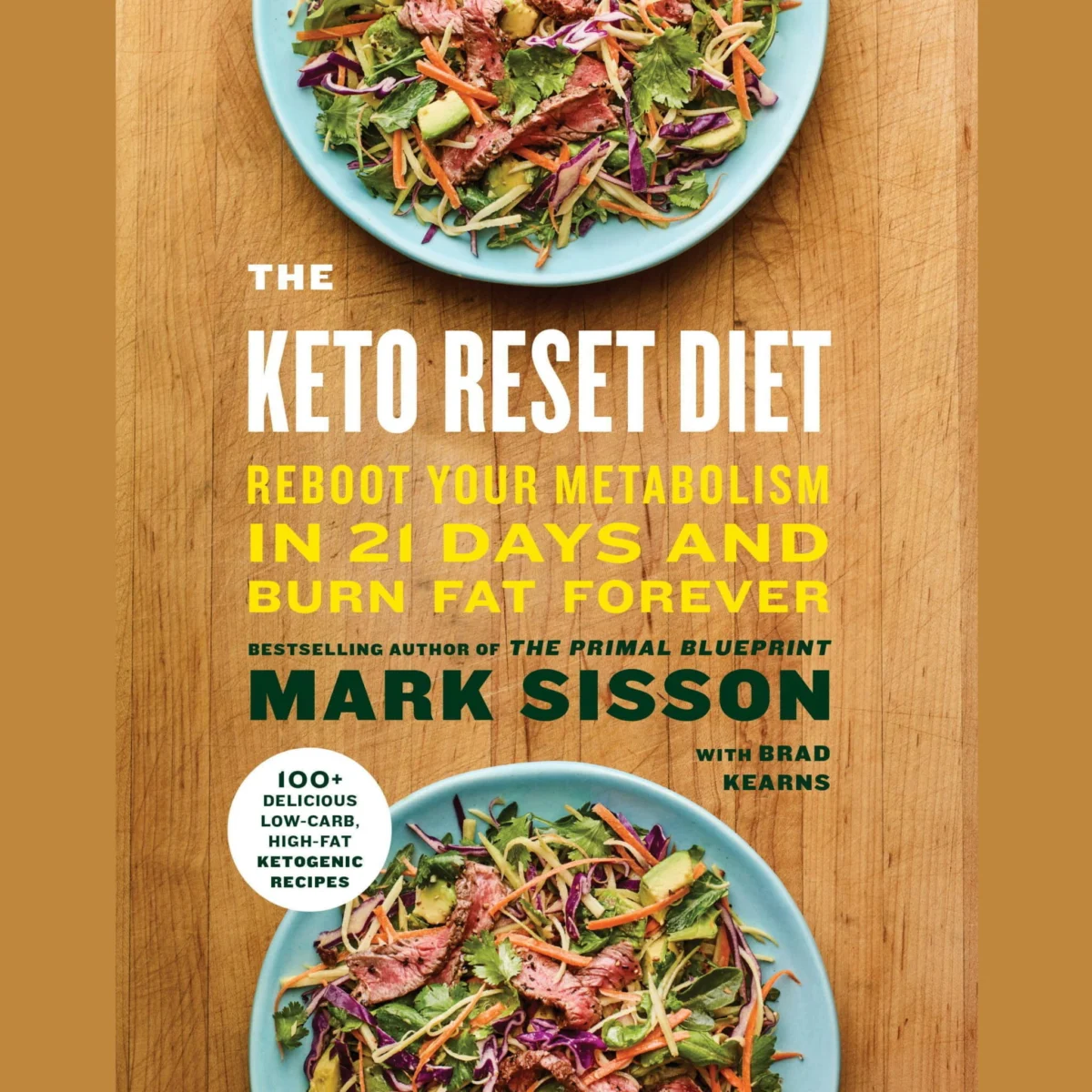
For individuals experiencing weight-loss plateaus or acute exacerbations of PCOS symptoms, a temporary trial of a ketogenic diet may serve as a useful metabolic reset before transitioning back to a moderate-carbohydrate intake (such as approximately 100 grams of quality carbohydrates per day). Experts recommending this approach often advocate for a gradual transition plan—such as a 21-day phased reduction in carbohydrates—to minimize acute metabolic stress and adapt digestive function.
Ultimately, medical consensus dictates that because PCOS is a chronic, lifelong endocrine condition, any chosen dietary intervention must be sustainable, nutritionally complete, and tailored to individual metabolic profiles. Patients considering a ketogenic lifestyle are advised to consult with qualified endocrinologists, registered dieticians, or specialized healthcare providers to ensure safe and effective long-term management.
