
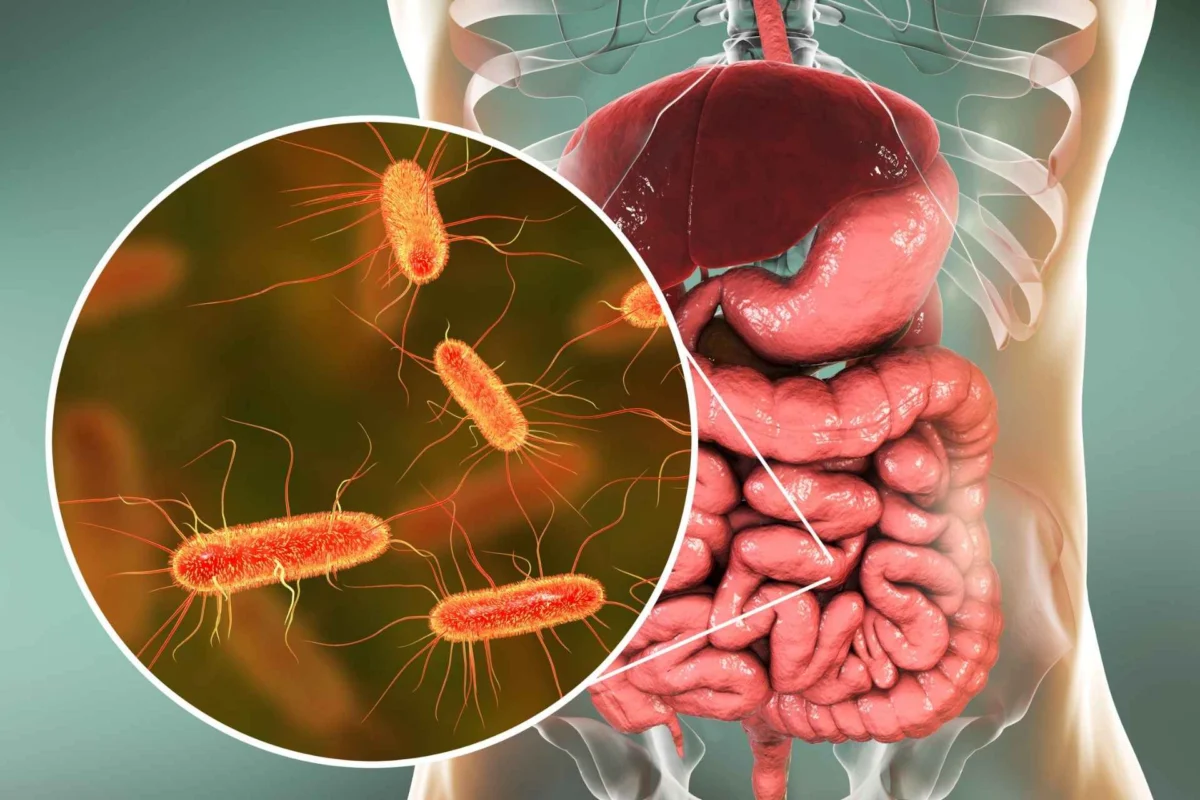
The human gut microbiome, a complex ecosystem of trillions of microorganisms, functions as a virtual organ with profound implications for metabolic health, immunity, and disease prevention. Among the diverse inhabitants of this environment, the genus Blautia has emerged as a focal point of scientific inquiry due to its high abundance in healthy individuals and its potential as a probiotic powerhouse. A comprehensive study recently published in the journal Gut Microbes has provided a detailed physiological and metabolic mapping of Blautia luti, a specific species that plays an outsized role in gut homeostasis despite possessing a unique genetic limitation. The research specifically investigates how B. luti manages its energy production and electron transfer in the absence of formate dehydrogenase, an enzyme typically considered essential for the classic acetogenic lifestyle.
The Significance of the Blautia Genus in Human Health
To understand the importance of the study, one must first look at the broader context of the Blautia genus within the Phylum Bacillota (formerly Firmicutes). Blautia species are among the most prevalent bacteria in the human feces and intestinal tract. Clinical data has consistently linked higher concentrations of Blautia to favorable health outcomes, including the mitigation of inflammatory diseases, protection against obesity, and a reduced risk of colorectal cancer.
The primary mechanism by which Blautia supports human health is through the production of short-chain fatty acids (SCFAs), particularly acetate. SCFAs serve as a critical energy source for colonocytes (the cells lining the colon), help maintain the integrity of the intestinal barrier, and modulate the body’s immune response. Furthermore, Blautia species are known for their antibacterial activity, producing bacteriocins that can inhibit the growth of pathogenic bacteria such as Clostridium difficile.
Decoding the Wood–Ljungdahl Pathway Paradox
At the heart of B. luti’s unique biology is the Wood–Ljungdahl pathway (WLP), a metabolic route that allows certain bacteria, known as acetogens, to fix carbon dioxide (CO2) into acetate. This pathway is considered one of the oldest biochemical routes on Earth and is vital for energy conservation in anaerobic environments like the human gut.
In a standard WLP, the enzyme formate dehydrogenase (FDH) is responsible for reducing CO2 to formate, which is then further processed into acetate. However, genomic sequencing of B. luti revealed a startling anomaly: the bacterium lacks the gene encoding for FDH. This discovery prompted the Gut Microbes researchers to investigate how B. luti completes its metabolic cycle and what role formate plays if the bacterium cannot produce it via the standard CO2 reduction route.
The study confirms that while B. luti cannot generate formate from CO2, it is highly efficient at utilizing formate provided by other microbes or generating it through alternative internal pathways. This makes B. luti a critical "metabolic hub" in the gut, acting as a sink for formate that might otherwise accumulate to toxic levels.
Heterotrophic Growth and Sugar Fermentation Dynamics
The research team conducted extensive experiments to document the fermentation profiles of B. luti across a variety of substrates. While the species was known to be a generalist, the specific growth rates and byproduct ratios for different sugars had not been previously quantified in such detail.
The findings indicate that B. luti relies on a wide array of dietary and host-derived sugars, including glucose, fructose, and galactose. During the fermentation of these sugars, B. luti employs a heterotrophic strategy, meaning it derives energy from organic compounds. The study highlighted that the oxidation of pyruvate—a key intermediate in sugar metabolism—is handled primarily by the enzyme pyruvate formate-lyase (PFL).
When B. luti was grown on glucose, researchers observed the production of not only acetate but also lactate, succinate, and moderate amounts of hydrogen and formate. Interestingly, when the researchers inhibited PFL activity, the bacterium’s metabolism underwent a significant shift. The production of formate dropped, while the production of lactate increased. This suggests a high degree of metabolic flexibility, where the bacterium can redirect its carbon flow through the pyruvate-ferredoxin-oxidoreductase (PFOR) pathway when its primary route is compromised.
Formate as a Central Electron Carrier
One of the most significant contributions of this study is the elevation of formate’s status from a mere byproduct to a central electron carrier in gut microbial ecology. Because B. luti lacks FDH, it must feed formate directly into the methyl branch of the Wood–Ljungdahl pathway.
The researchers utilized crude extracts of B. luti to measure enzyme activities, confirming that both PFL and PFOR remain active during glucose fermentation. The presence of Coenzyme A (CoA) was found to be a necessary catalyst for these reactions. This enzymatic dual-track system allows B. luti to maintain a redox balance (the ratio of oxidized to reduced molecules) even under fluctuating nutrient conditions.
In the absence of active biomass production—simulating a "resting state" often found in the nutrient-limited environment of the distal colon—B. luti continued to process glucose. In these resting cells, the carbon flow was directed almost entirely toward acetate and formate, emphasizing the bacterium’s role as a constant producer of these metabolites for the wider gut community.
The Hydrogenase System: Managing the Gut’s "Gas Tank"
Hydrogen gas (H2) is a frequent byproduct of bacterial fermentation in the gut. If H2 levels become too high, they can inhibit fermentation and lead to bloating or discomfort. B. luti plays a regulatory role here by utilizing a sophisticated system of hydrogenases—enzymes that can either produce or consume hydrogen.
The study identified two primary hydrogenases in B. luti:
- HydA: An electron-bifurcating [FeFe]-hydrogenase that is typically involved in hydrogen production during active growth.
- HydM: A membrane-bound hydrogenase that may play a role in energy conservation and hydrogen consumption.
By analyzing transcript abundance, the researchers discovered that during growth on glucose, B. luti modulates these enzymes to balance its internal electron pool. Resting cells were shown to utilize hydrogen as an electron donor, effectively "scavenging" the gas from the environment. Conversely, rapidly growing cells produced hydrogen as a way to dispose of excess electrons. This dual capability suggests that B. luti acts as a stabilizer, preventing the extremes of hydrogen accumulation or depletion in the intestinal lumen.
Chronology of Research and Scientific Context
The study of Blautia has evolved rapidly over the last decade. In the early 2010s, metagenomic studies first identified Blautia as a "core" genus of the human gut. By 2015, research began to link its absence to specific conditions like Irritable Bowel Syndrome (IBS) and Non-Alcoholic Fatty Liver Disease (NAFLD).
The current study, published in 2025, represents a shift from observational "census-taking" of the gut to "functional mechanistic" research. Rather than just noting that B. luti is present, scientists are now deconstructing its "engine"—the WLP and its associated enzymes—to understand exactly how it influences the chemical environment of the host. This timeline reflects a broader trend in microbiology toward "precision probiotics," where specific strains are selected based on their metabolic output.
Implications for Clinical Health and Disease Prevention
The metabolic insights gained from B. luti have direct implications for human health. The study suggests that B. luti contributes to a "mixotrophic" environment in the colon. Mixotrophy—the ability to use both organic fermentation and inorganic gas fixation—allows these bacteria to survive in the highly competitive and often nutrient-scarce environment of the large intestine.
From a clinical perspective, the role of B. luti in preventing the accumulation of toxic substances cannot be overstated. Formate, while useful in small amounts, can be toxic to both human cells and other microbes if it reaches high concentrations. Similarly, carbon monoxide (CO) and hydrogen are metabolic byproducts that require careful regulation. By acting as a metabolic "filter," B. luti processes these compounds into beneficial acetate, thereby detoxifying the gut environment.
Furthermore, the production of succinate by B. luti has been linked to improved glucose metabolism in the host. Succinate can act as a signaling molecule that activates intestinal gluconeogenesis, which has been shown to improve insulin sensitivity and reduce hunger signals in the brain.
Analysis of Future Directions
The findings regarding B. luti’s lack of formate dehydrogenase open new avenues for synthetic biology and therapeutic interventions. If B. luti is a "formate sink," it could potentially be used as a probiotic treatment for metabolic disorders where formate or hydrogen levels are dysregulated.
However, the study also highlights the complexity of microbial interactions. Since B. luti relies on "cross-feeding"—taking formate or hydrogen produced by other bacteria—its effectiveness depends on the presence of a diverse microbial community. Future research will likely focus on "consortia-based" therapies, where B. luti is administered alongside other bacteria that provide the necessary precursors for its Wood–Ljungdahl pathway.
In conclusion, the investigation into Blautia luti’s physiology reveals a highly specialized and efficient organism that has adapted to the unique challenges of the human gut. By bypassing the need for certain traditional enzymes and leveraging formate as a central electron carrier, B. luti ensures its survival while simultaneously providing the host with essential metabolites and maintaining a balanced gaseous environment. This research reinforces the status of Blautia as a cornerstone of intestinal health and provides a blueprint for future strategies in microbiome management.
