
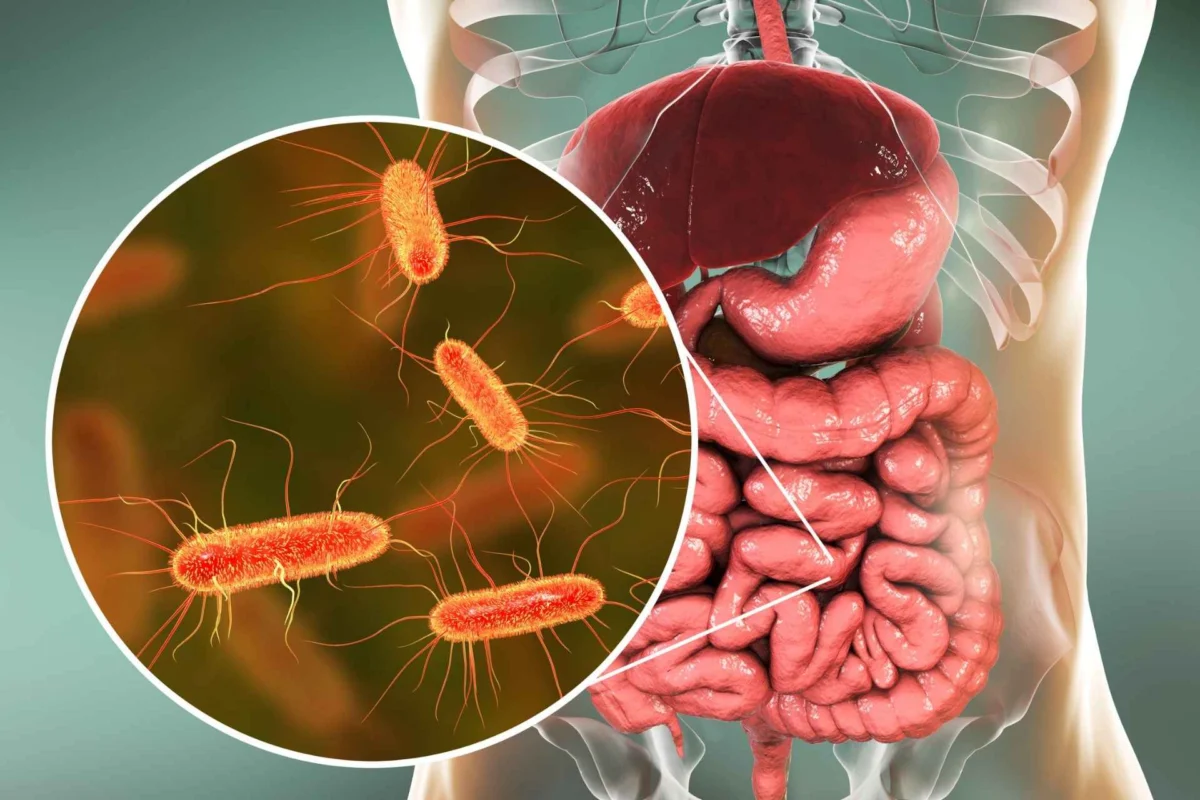
The human gut microbiome, a complex assembly of trillions of microorganisms, is increasingly recognized as a cornerstone of systemic health, influencing everything from metabolic rate to immune system modulation. Among the diverse inhabitants of this ecosystem, the genus Blautia has emerged as a focal point for researchers due to its consistent association with host well-being and its role in the production of health-promoting metabolites. A recent comprehensive study published in the journal Gut Microbes has provided a deep dive into the physiology of Blautia luti, a specific species within this genus that exhibits a unique metabolic architecture. The research investigates how B. luti maintains gut homeostasis through the production of beneficial metabolites and the regulation of formate and hydrogen levels, despite lacking a key enzyme—formate dehydrogenase—that is typically considered essential for its primary metabolic pathway.
The Significance of the Blautia Genus in Human Health
Blautia species are among the most abundant bacteria in the human intestinal tract. Their presence is frequently linked to a reduction in inflammation and a lower risk of metabolic disorders such as obesity and type 2 diabetes. The primary mechanism through which Blautia contributes to health is the production of short-chain fatty acids (SCFAs), particularly acetate, as well as succinate and various antibacterial compounds. These SCFAs serve as a primary energy source for colonocytes (the cells lining the colon) and play a vital role in maintaining the integrity of the gut barrier.
Blautia species are classified as acetogenic bacteria, meaning they utilize the Wood–Ljungdahl pathway (WLP) to synthesize acetate from carbon dioxide and hydrogen, a process that also yields adenosine triphosphate (ATP), the universal energy currency of cells. However, the metabolic versatility of B. luti has long remained a mystery. While most acetogens rely on the enzyme formate dehydrogenase (FDH) to initiate the WLP, recent genomic sequencing revealed that certain strains of B. luti lack the gene for this enzyme. This discovery prompted the current study to explore how the bacterium manages its internal electron balance and carbon flow without a conventional FDH.
Deciphering the Physiology of Blautia luti
The study’s methodology involved a rigorous analysis of B. luti’s growth on various substrates, enzyme activity assays, and transcriptomic profiling. The researchers aimed to understand how this bacterium ferments sugars and manages the resulting metabolic byproducts. Unlike many other gut bacteria that have been extensively documented, the growth and fermentation profiles of B. luti on different sugars had not been fully characterized until now.
The investigation confirmed that B. luti is a highly flexible heterotroph, capable of fermenting a wide array of sugars found in the human diet. During glucose fermentation, the bacterium produces acetate, lactate, and succinate as primary end products, alongside gases such as hydrogen and carbon dioxide. However, the standout finding was the role of formate. In most bacteria, formate is a transient intermediate or a byproduct that is quickly converted or excreted. In B. luti, formate appears to be a central metabolite that the bacterium can feed directly into the Wood–Ljungdahl pathway, bypassing the need for the missing formate dehydrogenase.
Formate as a Central Metabolic Hub
The absence of a formate dehydrogenase-encoding gene raised a critical question: how does B. luti produce formate during sugar fermentation, and how does it utilize it? The researchers identified that Pyruvate Formate-Lyase (PFL) is the essential enzyme for pyruvate oxidation during heterotrophic growth. PFL catalyzes the conversion of pyruvate—a product of sugar breakdown—into acetyl-CoA and formate.
The study demonstrated that when PFL is active, B. luti efficiently produces formate, which then serves as an electron carrier. When researchers experimentally inhibited PFL, they observed a significant redirection of the bacterium’s metabolism. In the absence of active PFL, the production of lactate increased sharply. This shift is facilitated by another enzyme, Pyruvate-Ferredoxin-Oxidoreductase (PFOR), which becomes the primary pathway for pyruvate oxidation when the PFL route is blocked. This metabolic flexibility ensures that B. luti can survive and maintain energy production under varying environmental conditions within the gut.
Enzyme Activities and Carbon Flow Dynamics
To validate these findings, the research team measured the activities of PFL and PFOR in crude extracts of B. luti grown on glucose. The results confirmed high levels of activity for both enzymes in the presence of Coenzyme A (CoA). Furthermore, the study provided a detailed map of the carbon flow during glucose fermentation.
Under conditions where biomass production was not the primary focus (resting cells), the researchers observed a sophisticated balance of electron transfer. They found that B. luti utilizes a "mixotrophic" strategy—a combination of heterotrophy (consuming organic sugars) and autotrophy (using inorganic CO2 and H2). In the gut’s anaerobic environment, this allows the bacterium to maximize its energy yield. The study suggests that formate functions as a "shuttle" for electrons between different bacterial species in the gut, a process known as interspecies electron transfer. This cross-feeding is essential for the stability of the microbial community, as it prevents the accumulation of metabolic intermediates that could become toxic at high concentrations.
The Role of Hydrogenases in B. luti
Hydrogen metabolism is another critical component of gut health. High levels of hydrogen gas can inhibit bacterial fermentation and lead to bloating or discomfort in the host. The study investigated the types of hydrogenases—enzymes that catalyze the production or consumption of hydrogen—present in B. luti.
The researchers identified two primary types of hydrogenases:
- HydA: An electron-bifurcating hydrogenase that couples the oxidation of ferredoxin and NADH to the production of hydrogen.
- HydM: A membrane-bound hydrogenase that may play a role in generating a proton motive force for ATP synthesis.
By analyzing the transcript abundance of the genes hydA and hydM, the study determined that B. luti primarily utilizes HydA during growth on glucose. This allows the bacterium to dispose of excess electrons by producing hydrogen gas, which can then be used by other gut microbes, such as methanogens or sulfate-reducing bacteria. Conversely, the study found that B. luti can also act as a hydrogen consumer, utilizing hydrogen as an electron donor to fuel the Wood–Ljungdahl pathway when sugar levels are low. This dual capacity to both produce and consume hydrogen makes B. luti a "metabolic buffer" in the gut.
Timeline of Research and Scientific Context
The study of Blautia has evolved rapidly over the last decade. Early research in the 2010s identified Blautia as a genus that was significantly depleted in patients with inflammatory bowel disease (IBD) and colorectal cancer. By 2020, genomic studies began to hint at the metabolic diversity within the genus, leading to the classification of various species including B. luti, B. producta, and B. wexlerae.
The current study, published in late 2024/early 2025, represents a significant milestone in this chronology. It moves beyond simple association—linking a bacteria to a health state—and into the realm of functional mechanism. By reconstructing the glucose fermentation pathway and identifying the specific roles of PFL and HydA, the researchers have provided a blueprint for how these bacteria function in real-time within the human host.
Implications for Human Health and Clinical Applications
The findings of this study have broad implications for the development of probiotics and "postbiotics" (beneficial metabolites produced by bacteria). Because B. luti is so effective at managing formate and hydrogen levels, it could potentially be used as a therapeutic agent to treat gut dysbiosis.
The accumulation of formate in the gut has been linked to the growth of pathogenic bacteria, such as Salmonella and E. coli, which can use formate as an energy source to outcompete beneficial microbes. By efficiently sequestering formate into the Wood–Ljungdahl pathway to produce acetate, B. luti acts as a natural defense mechanism against pathogen colonization. Furthermore, its ability to produce acetate and succinate supports the growth of other beneficial bacteria, such as Faecalibacterium prausnitzii, which converts acetate into butyrate—another crucial SCFA for gut health.
Conclusion and Future Directions
The study of Blautia luti underscores the incredible complexity and elegance of microbial metabolism. By thriving without a "standard" enzyme like formate dehydrogenase, B. luti demonstrates the evolutionary adaptability required to survive in the competitive environment of the human colon. Its role as a metabolic hub—balancing the levels of formate, hydrogen, and carbon dioxide—highlights its importance as a keystone species for maintaining intestinal equilibrium.
As research continues, the scientific community expects to see more targeted studies on how dietary interventions, such as the intake of specific fibers or prebiotics, can bolster Blautia populations. The ability to modulate the gut microbiome through a deep understanding of species-specific metabolism like that of B. luti opens new doors for personalized nutrition and the treatment of chronic metabolic and inflammatory diseases. This research not only clarifies the physiology of a single bacterial species but also enhances our broader understanding of the intricate "microbial stock exchange" that sustains human life.
